What is Alpha-Arbutin?
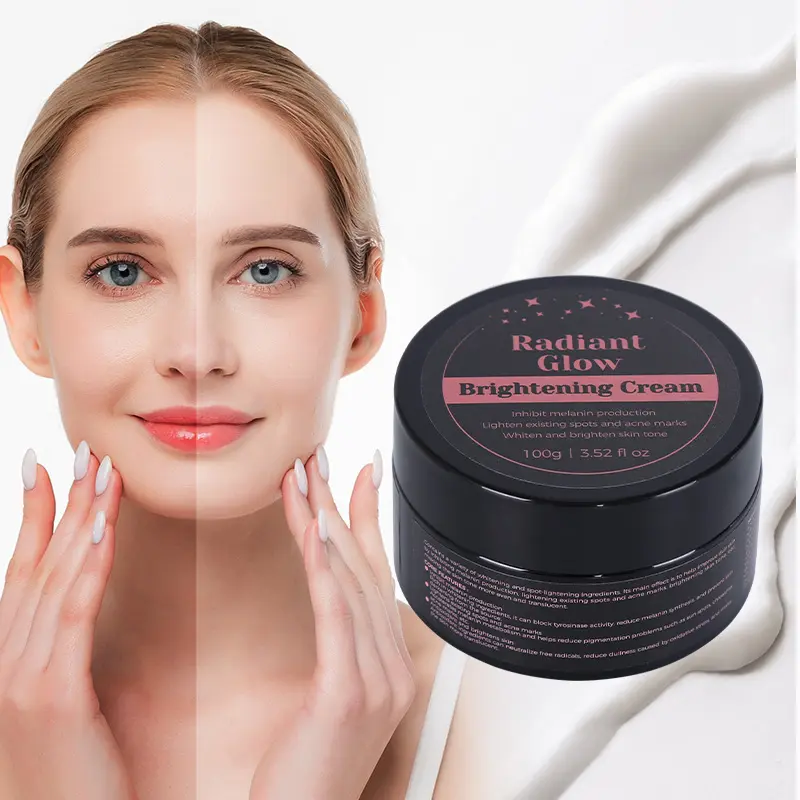
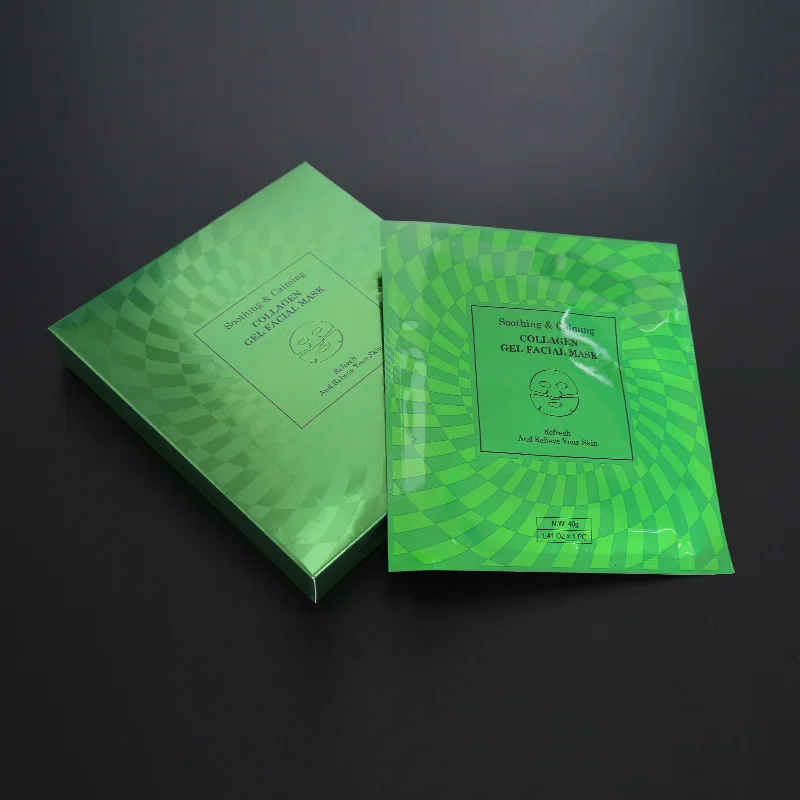
Alpha-arbutin is the alpha-anomer (α-glycosidic bond) form of arbutin, a glucoside derivative of hydroquinone originally found in bearberry, blueberry, and pear leaves. Alpha-arbutin is synthesized to high purity for cosmetic use. Compared to beta-arbutin (the natural form, less stable and weaker), alpha-arbutin is approximately 10× more potent and has better stability in formulations. It functions as a regulator of melanin synthesis without the regulatory and safety concerns of free hydroquinone. Skincraftlab produces alpha-arbutin serums, sheet masks, and creams across the 1-5% range commonly used in brightening product lines.
How It Works
Alpha-arbutin inhibits tyrosinase — the rate-limiting enzyme in melanin synthesis — at lower concentrations than beta-arbutin and without the cellular toxicity associated with hydroquinone. The molecule slowly hydrolyzes within skin to release small amounts of hydroquinone in a controlled, prolonged manner, producing the brightening effect without spike toxicity. Visible results on hyperpigmentation, sun spots, and post-inflammatory hyperpigmentation typically appear at 8-12 weeks of consistent use.
Market Context for Brand Owners
Alpha-arbutin is the highest-demand brightening ingredient in markets with strong hyperpigmentation concerns: LatAm (Mexico, Colombia, Brazil, Peru), GCC (Saudi Arabia, UAE, Kuwait), Southeast Asia (Indonesia, Thailand, Vietnam), and India. Consumer-facing prices: USD 8-45 for serums, USD 10-30 for sheet masks. The ingredient supports retail premium pricing without the regulatory complications of hydroquinone. Korean and Japanese brands have made alpha-arbutin standard in their brightening lines, helping global awareness.
Formulation & Manufacturing Notes
Stable in aqueous formulations at pH 3.5-6.5. Best stored away from direct sunlight in finished product. Compatible with vitamin C (synergistic for brightening), niacinamide, hyaluronic acid, and peptides. Avoid pairing with very alkaline ingredients. Effective concentrations: 1% (basic claim), 2% (standard market product), 5% (clinical-grade brightening). Pairs particularly well with niacinamide and tranexamic acid in modern brightening stacks.
Regulatory Status
Alpha-arbutin is approved as a cosmetic ingredient in all major markets at concentrations up to 7% in face products: FDA (US), CPSR (EU — capped at 7%), CFDA, KFDA, ANVISA, COFEPRIS, INVIMA, TGA. EU regulation specifies minimum 99% purity to ensure low residual hydroquinone. Skincraftlab sources only ≥99.5% purity material to comply with all major markets including EU.