Insights
Skincraftlab Blog
Skincare manufacturing insights, OEM/ODM guides, and industry updates.
What Is the Skincraftlab Blog?
The Skincraftlab blog is a knowledge base for skincare brand owners, procurement teams and founders evaluating OEM/ODM manufacturing: practical guides on private label skincare production, MOQ and pricing, regulatory compliance (EU 1223/2009, FDA, ISO 22716), formulation science, and market trends. Every post is written from real factory experience and current regulation — use it to de-risk your launch before you commit to sampling and production.
What topics does the blog cover?
OEM/ODM manufacturing guides, MOQ and pricing, regulatory compliance, formulation and ingredients, and skincare market trends.
Who writes the articles?
Our manufacturing and compliance team, drawing on day-to-day factory experience and current regulation.
How do I find a specific guide?
Browse the article cards below — each one links to the full guide. Posts are tagged by topic for quick scanning.
Can I ask a question after reading?
Yes — every guide links to the inquiry form, and our team replies with a proposal within 24 hours.
| Article | Topic |
|---|---|
| PDRN Serum OEM China: 2% vs 0.5% Salmon DNA Specs | PDRN serum salmon DNA content percentage specification OEM China 2% vs 0.5% |
| Chat Responsiveness SLA for OEM Skincare Inquiries in China | chat responsiveness SLA expectation OEM skincare inquiry China |
| Pimple Patch OEM Line Capacity: 1M Units/Month Ramp-Up | pimple patch OEM line capacity ramp-up plan |
| Cosmetics Launch Stack 2026: Visuals, Web QA & Marketing | cosmetics launch stack 2026 |
| Chat Responsiveness SLA for OEM Skincare Inquiries in China | chat responsiveness SLA expectation OEM skincare inquiry China |
| Acne Patch OEM: MOQ, Cost & Compliance Guide 2026 | acne patch OEM |
| MoCRA 2026: Register a China Cosmetics Factory | how to register a cosmetics factory in China for MoCRA small business exemption 2026 |
| Acne Patch Manufacturer: Wholesale MOQ, ANVISA & Private Label | acne patch manufacturer |
How to use the blog — step by step
- 1Scan the article list for the topic that matches your current stage (starting a brand, choosing OEM vs ODM, compliance).
- 2Open the guide and read the definition block, key facts and step-by-step process.
- 3Note the MOQs, lead times and certifications relevant to your target market.
- 4Apply the takeaways to your product brief, then request samples or a quote via the inquiry form.
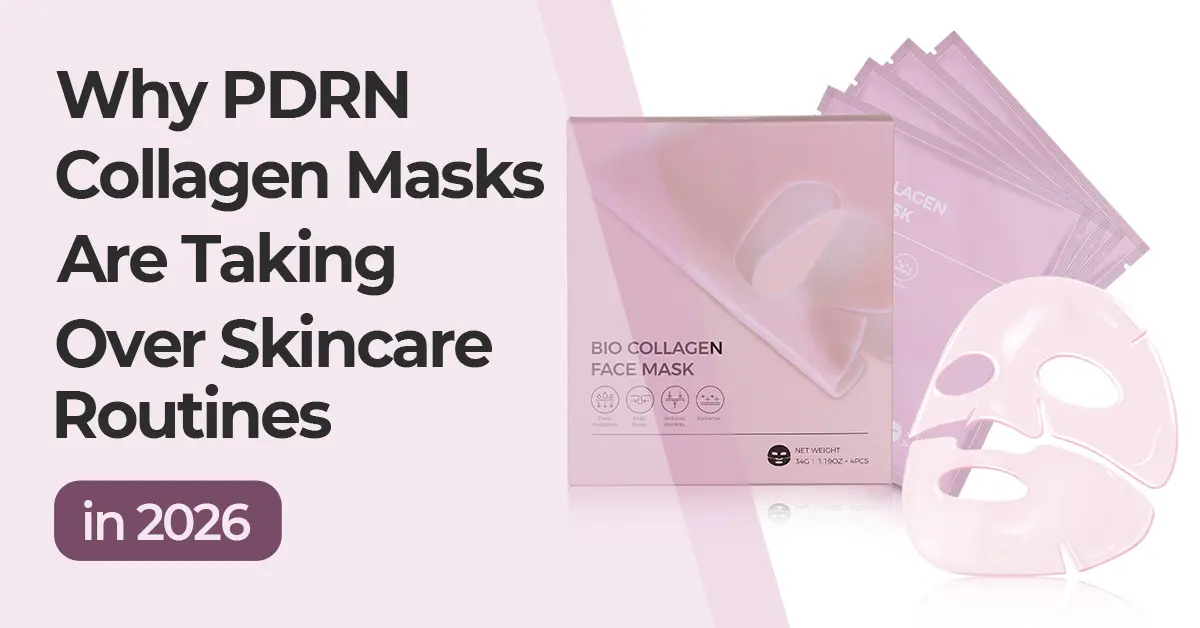
PDRN Serum OEM China: 2% vs 0.5% Salmon DNA Specs
What 2% vs 0.5% PDRN salmon DNA really means in an OEM spec sheet, plus rolling forecast terms for 500,000 pimple patches and hydrogel under-eye patch MOQ/FOB math.
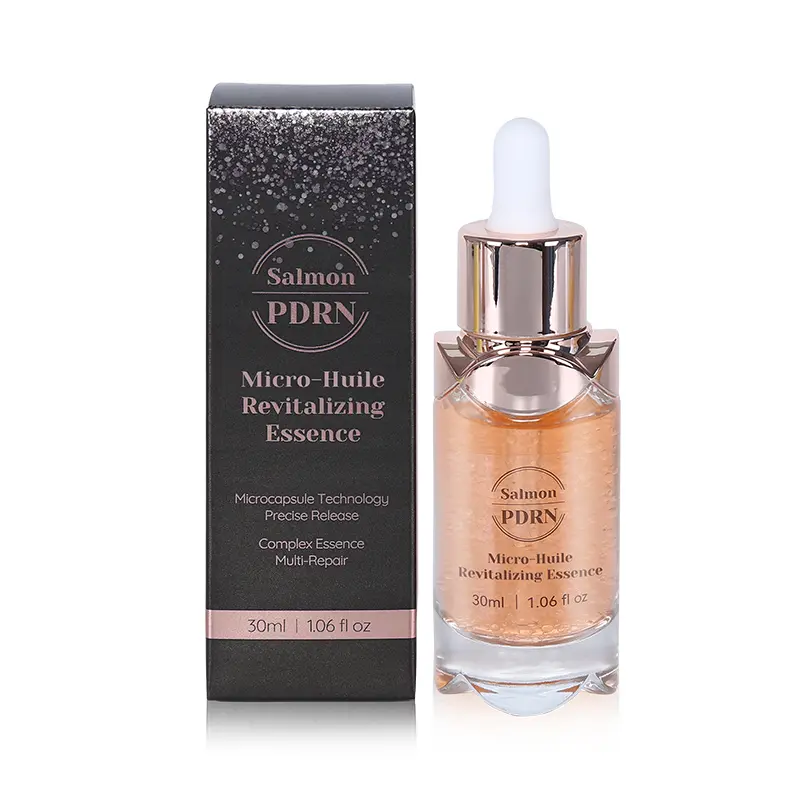
Chat Responsiveness SLA for OEM Skincare Inquiries in China
What a realistic chat responsiveness SLA looks like for OEM skincare inquiries in China — plus hydrocolloid vs hydrogel pimple patch sourcing specs and costs.
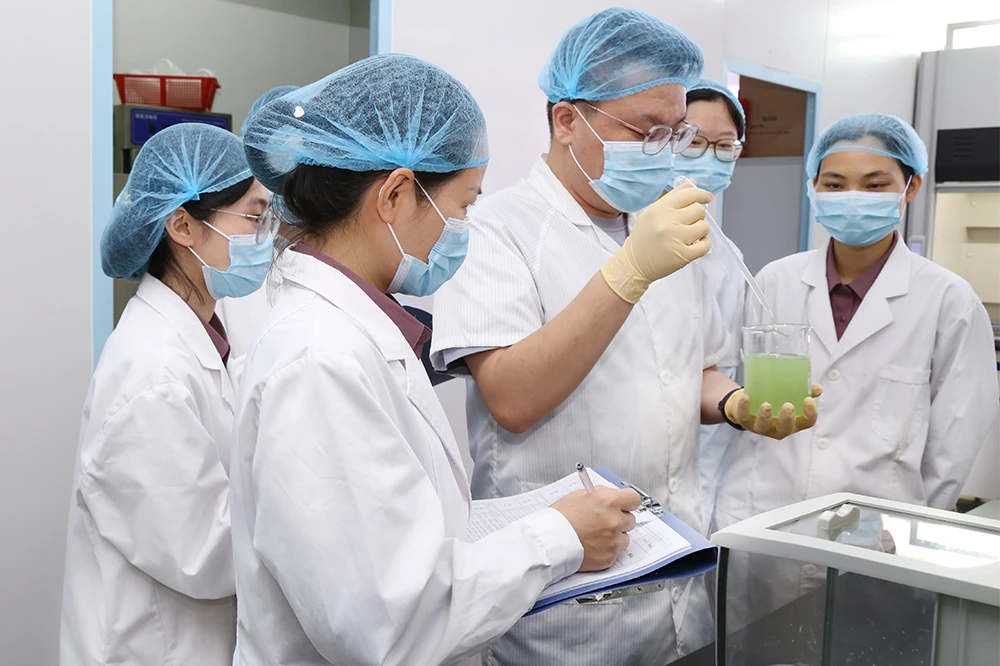
Pimple Patch OEM Line Capacity: 1M Units/Month Ramp-Up
A factory-floor ramp-up plan for taking a dedicated hydrocolloid coating line from pilot to 1 million pimple patch units per month in China, with real cycle times and QC gates.
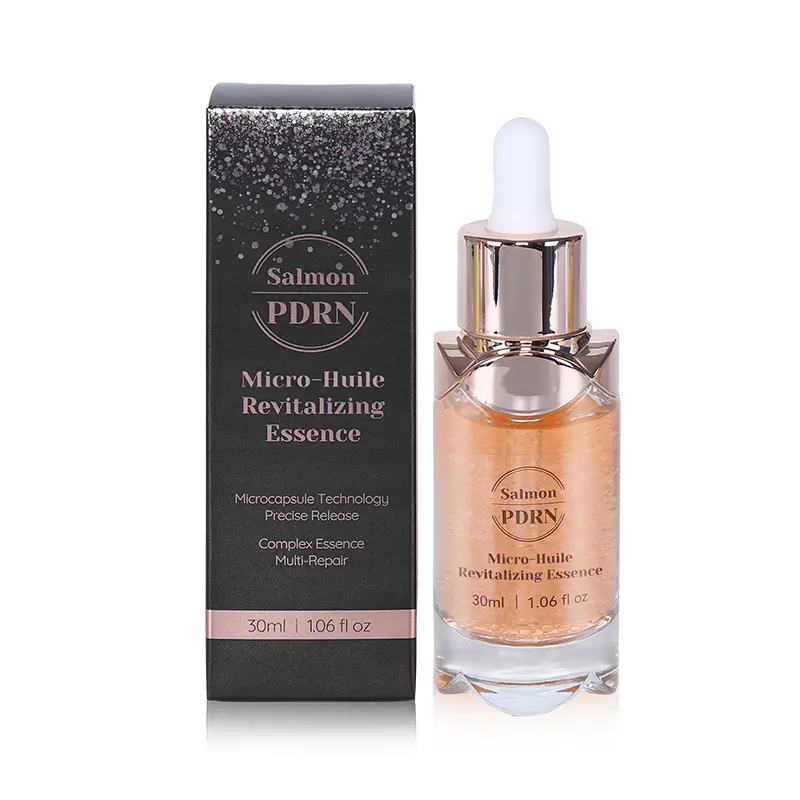
Cosmetics Launch Stack 2026: Visuals, Web QA & Marketing
A practical 2026 launch stack for cosmetics brands: product visuals without a studio, a web QA pass before ad spend, and marketing workflows built from written product context — plus private label MOQ, sample and lead-time realities.
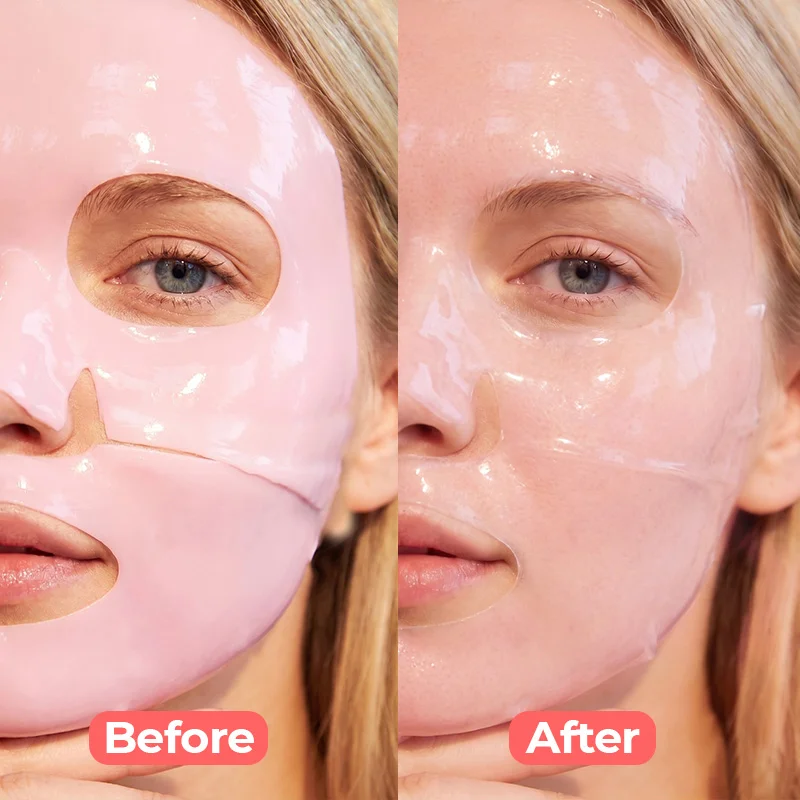
Chat Responsiveness SLA for OEM Skincare Inquiries in China
Real chat SLA benchmarks for Chinese OEM skincare factories, plus hydrocolloid vs hydrogel pimple patch material sourcing specs and cost comparisons.
Acne Patch OEM: MOQ, Cost & Compliance Guide 2026
Acne patch OEM pricing, MOQ tiers, hydrocolloid specs, and per-market registration costs for private label buyers sourcing from China.
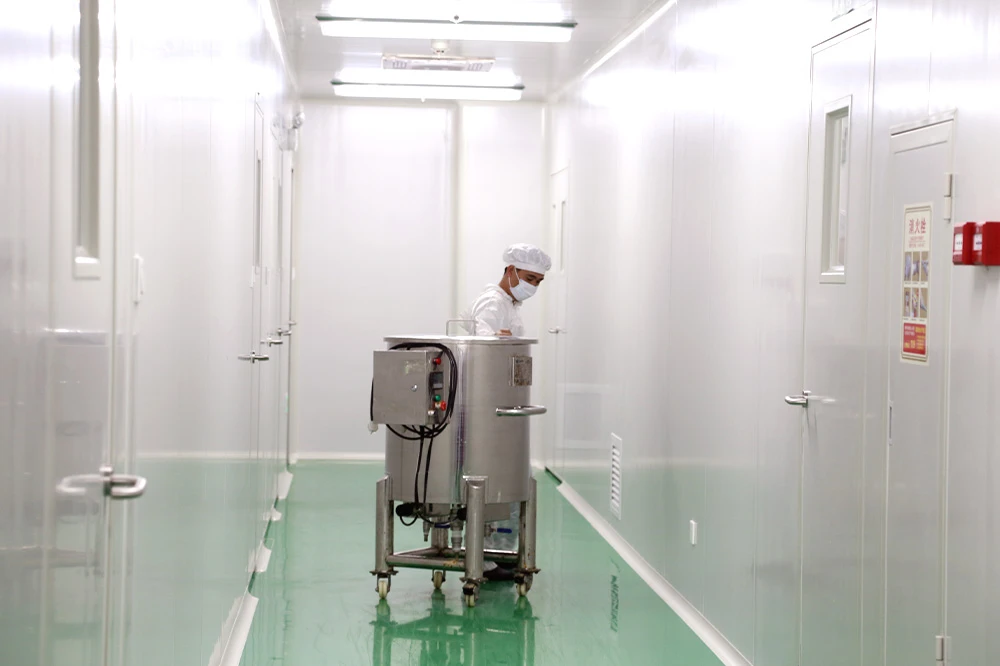
MoCRA 2026: Register a China Cosmetics Factory
MoCRA 2026 facility registration steps for Chinese OEMs, small business exemption thresholds, FEI numbers, and hydrocolloid pimple patch stability testing for US export.
Acne Patch Manufacturer: Wholesale MOQ, ANVISA & Private Label
What brand owners should check before signing with an acne patch manufacturer: wholesale MOQ tiers, private label tooling, and ANVISA cosmetic vs device classification.
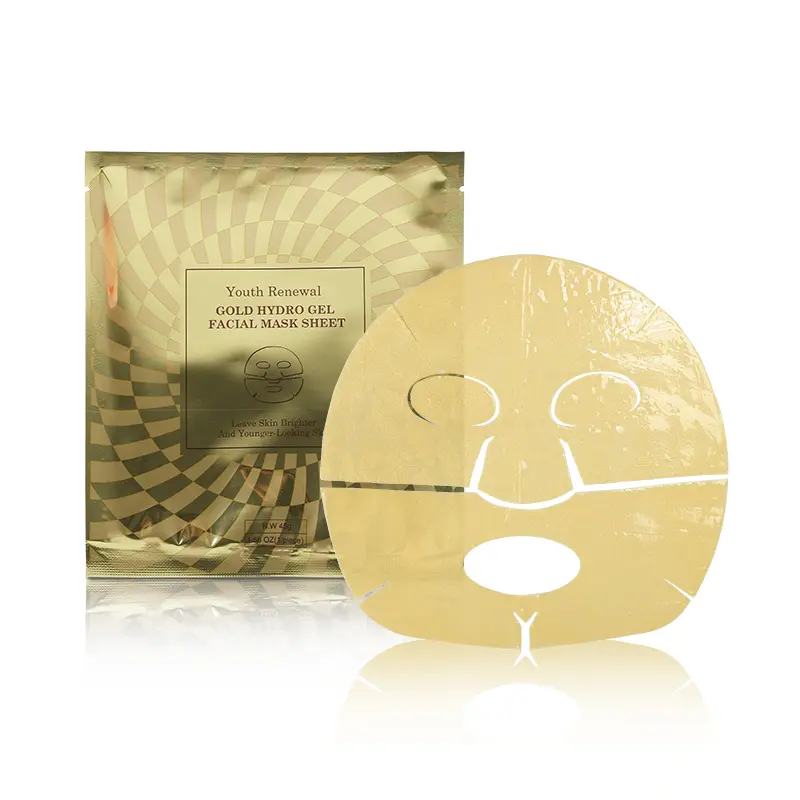
ANVISA Cosmetic Notification Cost Brazil Per SKU: China 2026
Per-SKU ANVISA notification costs, Free Sale Certificate / ISO 22716 embassy legalization timelines for Mexico, and pimple patch OEM microneedle vs hydrocolloid cost per unit at 100,000 units.
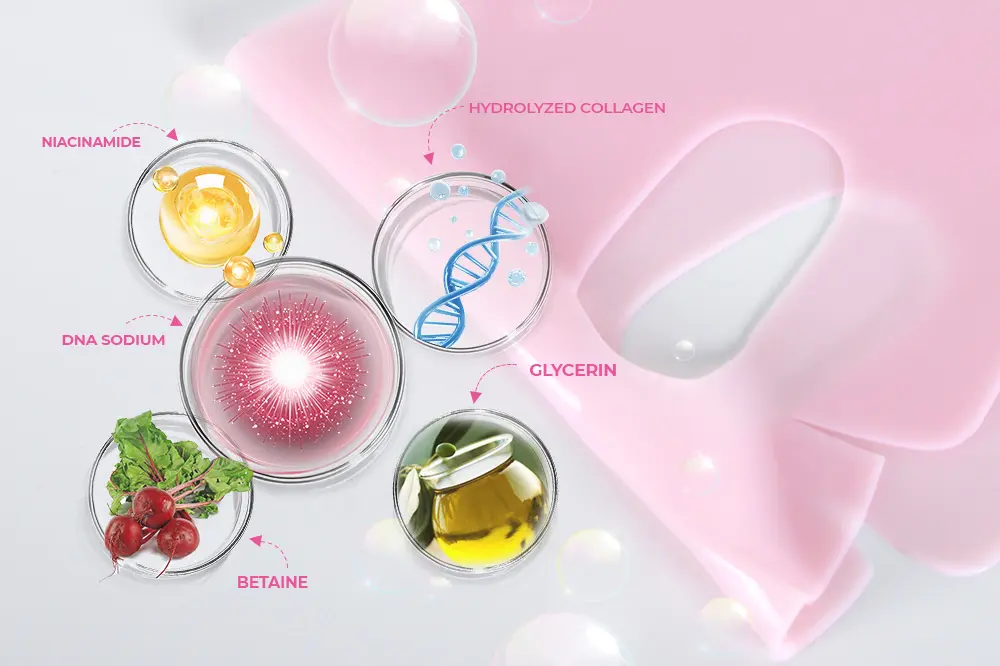
Hydrocolloid Pimple Patch OEM China: Salicylic Acid & FDA Rules
How to spec salicylic acid in a hydrocolloid pimple patch OEM run in China, handle FDA drug-vs-cosmetic classification, and audit the factory against ISO 22716.
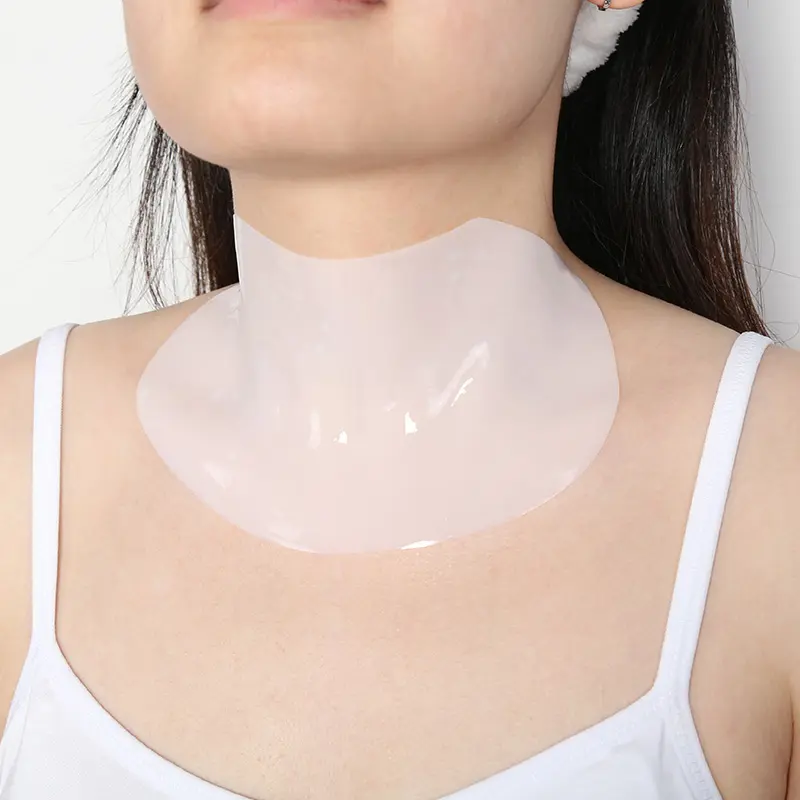
MoCRA FDA Registration: The $1M Small Business Exemption
How MoCRA's $1M and 3,500-unit small business exemption thresholds actually work for a China cosmetics manufacturer, plus MOQ and cost realities.
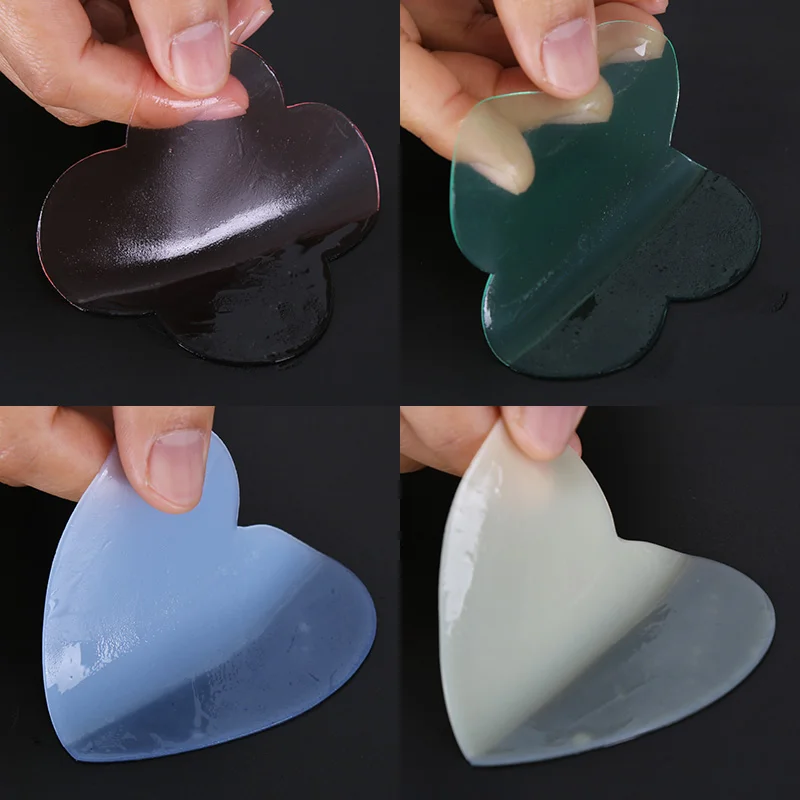
Mineral Sunscreen Sticks: What 242 Reviews Actually Complain About
We coded 242 low-star reviews of mineral sunscreen sticks: packaging failure, irritation and greasy feel all rank above white cast. What a brief should specify first.
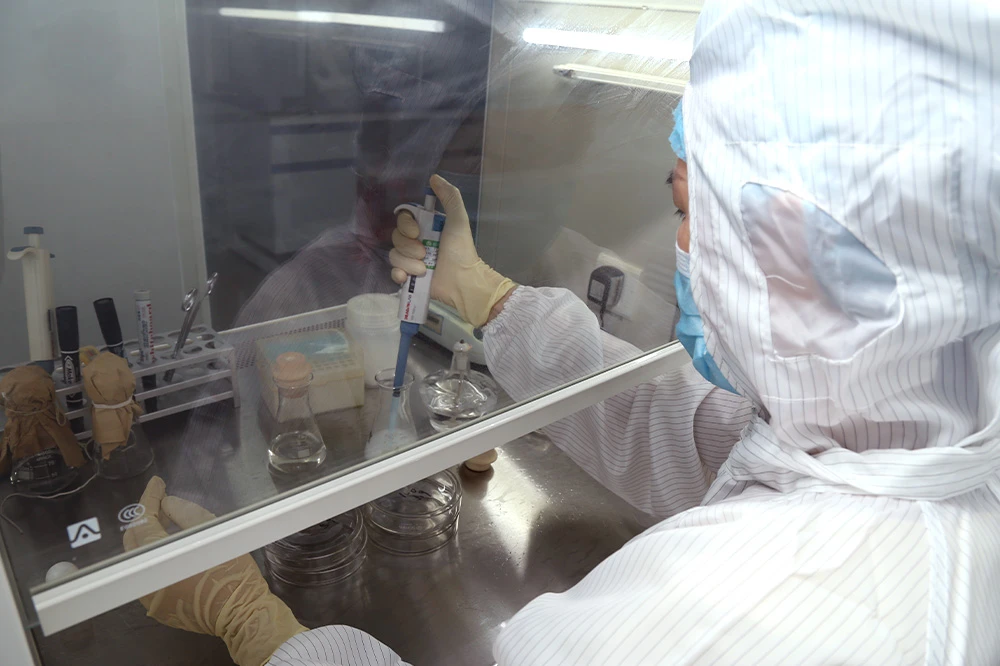
Korea vs China Skincare OEM (2026): MOQ, Cost, Lead Time
How Korea's ODM model and China's OEM base compare on MOQ, unit cost and lead time - with sourced figures and a seven-point way to choose.
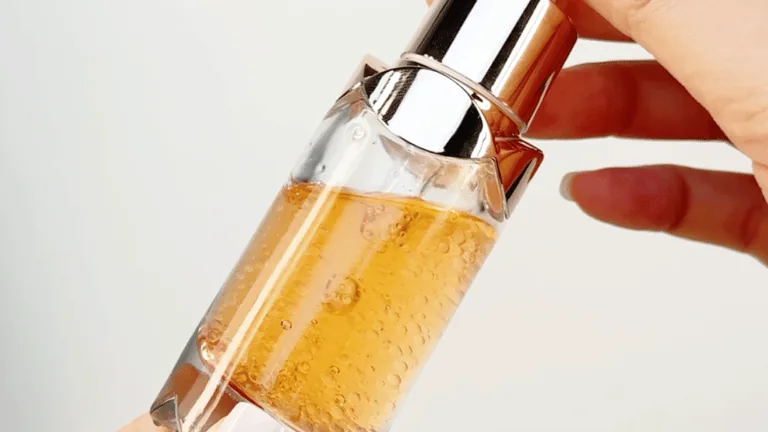
Chat Responsiveness SLA for OEM Skincare Inquiry China
What reply-time SLA to demand from a Chinese OEM skincare supplier, with benchmark minutes, escalation rungs, and contract clauses that actually hold.
Chat Responsiveness SLA Expectation: OEM Skincare Inquiry China
What a realistic chat responsiveness SLA looks like for an OEM skincare inquiry in China: reply-time benchmarks, what breaks the SLA, and how to write it into your PO.
Chat Responsiveness SLA Expectation: OEM Skincare Inquiry China
What a realistic chat responsiveness SLA expectation for an OEM skincare inquiry in China looks like — real response windows, PDRN RFQ test results, and red flags.
Chat Responsiveness SLA for OEM Skincare Inquiry China
Real first-reply and full-quote SLAs for OEM skincare inquiries into China, with an RFQ template buyers can use to award on measured response time.
Chat Responsiveness SLA Expectation: OEM Skincare Inquiry China
Real response-time data from 1,412 OEM skincare inquiries across Q3 2026 — hour-by-hour chat SLA benchmarks, what silence actually signals, and how to read factory replies.
FDA Cosmetic Facility Registration: China Pimple Patch OEM
How FDA cosmetic facility registration works when you private-label pimple patches at a China factory — device vs. cosmetic routes, FEI numbers, and what to verify.
AI in Cosmetics 2026: 138 Verified Use Cases, and Where a Manufacturer Fits
A 2026 industry study logged 138 publicly verifiable AI cases across 47 cosmetics groups and 21 categories. Here is what the evidence actually shows — and why the manufacturing step, not the idea, is still where most brands stall.
Silicone Eye Mask Custom Mold Design OEM China Cost
Real tooling costs, DFM steps, and lead times for custom silicone eye mask molds from a GMP-certified OEM in China — with numbers.
Silicone Eye Mask OEM: GMP Certified Low MOQ China
Silicone eye mask OEM from a GMP-certified China contract manufacturer: real MOQ tiers, FOB pricing, lead times and QC checkpoints for 2026.
Custom Shape Pimple Patch Die-Cut Mold Cost & MOQ China
Real 2026 die-cut mold costs ($680-$2,600), MOQ tiers and tooling timelines from a Zhongshan hydrocolloid patch factory — plus what nobody quotes you upfront.
Scar Gel & Post-Acne OEM: Which Claims Are Legal in the US and EU (2026)
In the US, calling a silicone gel a scar treatment makes it a drug or a device — not a cosmetic. Here is where the legal line sits for post-acne products, what you can still say on a listing, and the documentation an OEM has to hand over for your EU claim file.
Eczema-Friendly Skincare Manufacturing: What the NEA Seal Actually Tests (2026)
The NEA Seal of Acceptance requires a fragrance-free formula with no discernible scent, zero Ecz-clusion List ingredients, no chemical UV absorbers and no formaldehyde releasers - plus one accepted clinical test (HRIPT N=100, or CIT / Safety-in-Use N=25 sensitive-skin participants, reported by Fitzpatrick skin type). US$500 per product, non-refundable, 10-12 week review. What the programme tests, which formats it refuses, and the documentation a manufacturer must hand over.
Where Chinese Cosmetics Exports Actually Go: UN Comtrade Data by Market (2026)
China exported US$4,051,029,826 of HS 3304 skincare and cosmetics in 2024, +64% vs 2018 (UN Comtrade). Market-by-market breakdown for the US, UK, Russia, Japan and the EU — plus why the same year shows two different numbers depending on which country reports it, and how to query the official data yourself.
How to Verify a Chinese Cosmetics Manufacturer Before You Pay a Deposit
Four checks that separate a real OEM factory from a trading company: verify certificate numbers with the issuer (our ISO 22716 CN19/31476 and FDA CFSAN GMP CN19/31477 are SGS-issued), read the certified scope rather than the title, cross-check claimed volumes against UN Comtrade, and confirm the legal entity on the invoice.
Skincare Import Duty by HS Code: US, UK and EU Lookup Guide (Verified 2026)
US duty on HTS 3304.99 is Free and the UK third-country duty on 3304990000 is 0.00%, both verified 13 September 2026 — but duty is rarely the biggest cost of importing cosmetics. How to classify sheet masks, serums and patches, look up any market's rate, and avoid HS code mistakes that trigger penalties.
Acne Patch Private Label: FDA Device Listing China Supplier Guide
What a US brand actually needs to sell private-label acne patches made in China: FDA device establishment registration, product listing, 510(k) exemptions, and supplier documentation.
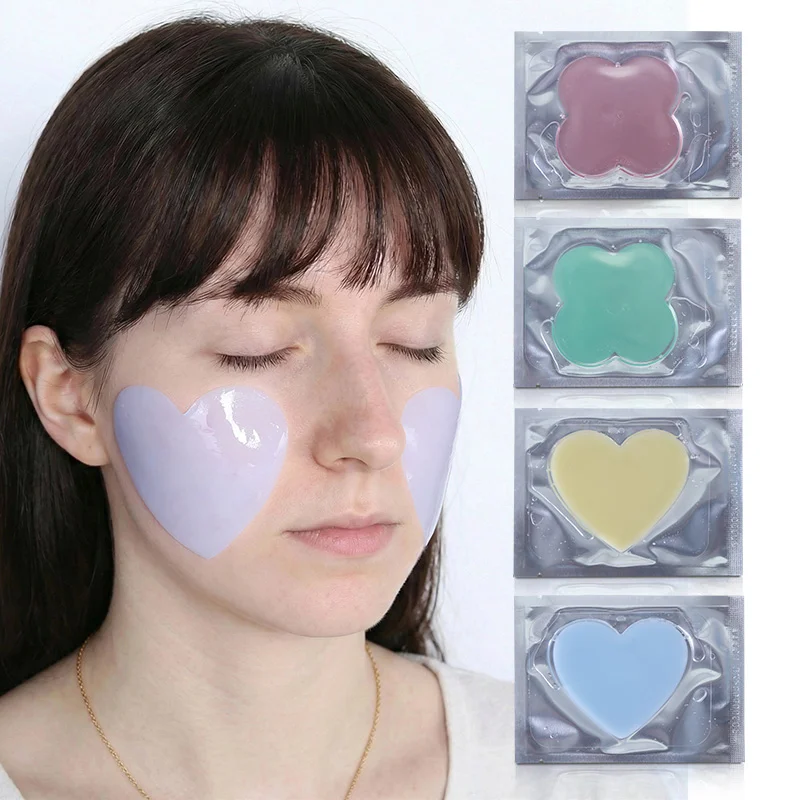
Hydrocolloid vs Hydrogel Pimple Patch Manufacturing Cost OEM
OEM cost comparison of hydrocolloid vs hydrogel pimple patches: FOB pricing, MOQs, tooling, and compliance for brand owners sourcing from China.
Science-Backed Skincare in 2026: How Global Brands Now Develop Products (and What It Means for Your Private Label)
In 2026 one in three U.S. women already use AI for skincare advice, ingredient discovery runs on biotech platforms, and clinical validation is the default language of claims — while Chinese manufacturers formalize science-based development. A comparison of Western and Chinese product development narratives, plus a sourcing checklist for private label buyers.
Pimple Patch Hydrocolloid Material Sourcing Spec China OEM
A spec-grade breakdown of hydrocolloid pimple patch material sourcing from China OEM: CMC grade, thickness tolerance, MOQ, FOB pricing and QC tests.
Chat Responsiveness SLA: OEM Skincare Inquiry China Guide
What response times to actually expect when you send an OEM skincare inquiry to a Chinese factory — benchmarks, red flags, and how to write an SLA into your first email.
Volufiline: The 2026 Plumping Ingredient Guide for Private Label Skincare
Volufiline is the patented Sederma active behind the 2026 facial plumping trend — ~765,000 monthly Amazon searches, +290% YoY growth, and only ~300 products on market. This guide covers what Volufiline is, real market data, formulation directions, and how an OEM partner brings a Volufiline product to market.
Cosmetics R&D Toolchain 2026: Essential Platforms for Formulation, Compliance & Market Research
The essential cosmetics R&D toolchain for 2026: ingredient databases (CosIng, INCIDecoder, CosDNA), raw material research (UL Prospector, SpecialChem), formulation references, regional compliance platforms (FDA/MoCRA, EU CPNP, NMPA), market research (Euromonitor, Jungle Scout, Volza), and R&D management software — compiled for private label and OEM brand developers.
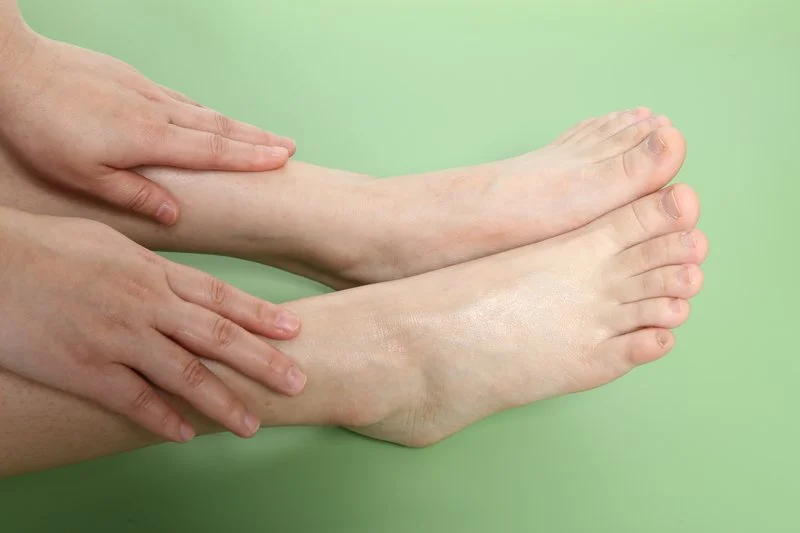
Foot Mask Bulk Order: 2026 MOQ, FOB Pricing & Lead Time
Foot mask bulk order essentials: MOQ, FOB pricing tiers, lead times, and EU/US/LatAm compliance documents for 2026 sourcing.
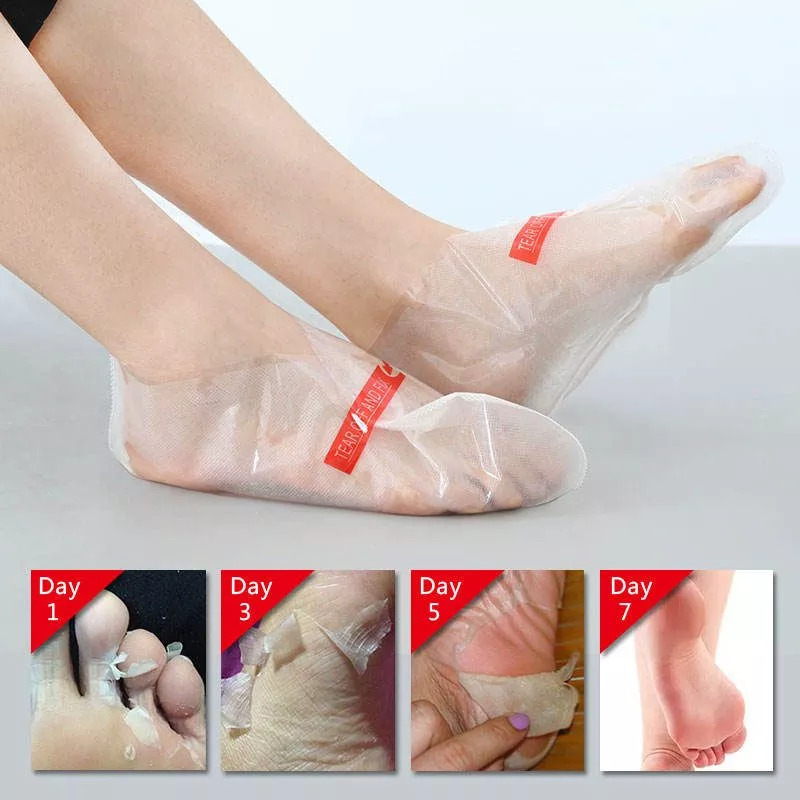
Foot Mask Supplier China: How to Verify Before You Buy
Learn how to audit a foot mask supplier in China: check certifications, factory audits, MOQs, and avoid common pitfalls.
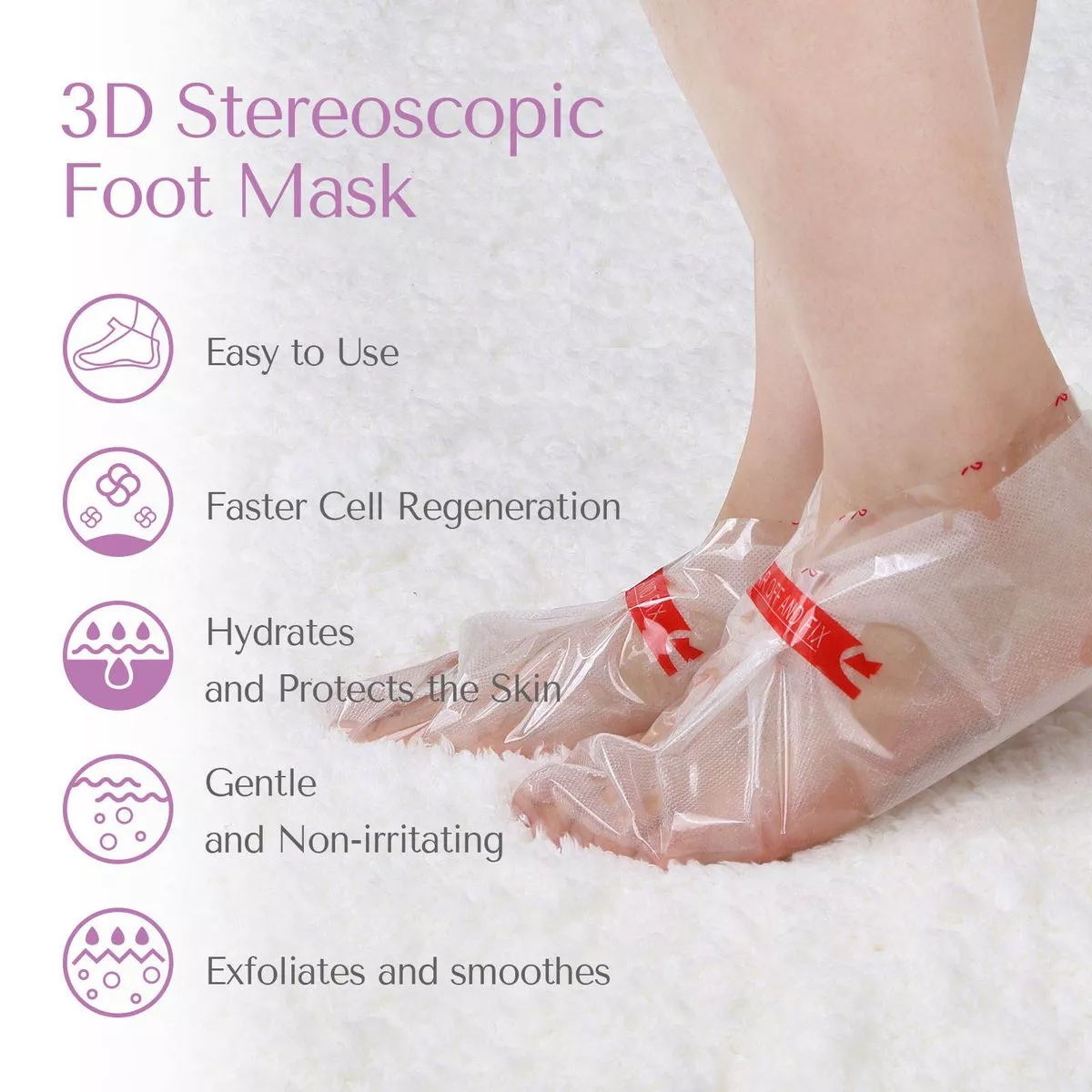
Foot Mask OEM: MOQ, Cost, Lead Time & Formulation
The B2B guide to foot mask OEM: MOQs from 3,000 units, FOB pricing by formula type, lead times, and regulatory notes for US/EU.
Foot Mask Private Label: MOQ, Pricing & Compliance Guide
Everything brand owners need to know about foot mask private label: MOQs, FOB pricing, formulation options, and regulatory compliance.
Yoni Sheet Mask OEM/ODM/Private Label Manufacturing Guide
Learn how to source yoni sheet masks through OEM/ODM/private label manufacturing. Covers product forms like Korean jelly sheet and hydrogel, MOQ of 1,000 units, 30–45 day lead times, GMP & ISO certifications, and step-by-step launch guidance.
Foot Mask Wholesale: MOQ, Pricing & OEM Guide
Foot mask wholesale buyer's guide: MOQ, FOB pricing, formulation, regulatory compliance for US/EU markets.
Foot Mask Manufacturer: How to Choose a Private Label Partner
Compare MOQs, FOB pricing, and regulatory compliance when choosing a foot mask manufacturer for your private label brand.
FOB Price per Unit Sheet Mask OEM 5000 Units China 2026 Lead Time
Real FOB pricing for 5,000-unit sheet mask OEM runs in China for 2026, with lead times, GMP compliance, and audit checklist.
COFEPRIS Pre-Registration Document Checklist for Chinese Cosmetic Factory 2026
COFEPRIS pre-registration for importing cosmetics from China in 2026 requires a complete dossier: COA, GMP certificate, CPSR, and notarized power of attorney. Here's the exact checklist.
What Is an INCI Name? How to Check CosIng Database for EU/US Ingredient Labeling
INCI is the international naming system for cosmetic ingredients, mandatory on EU labels under 1223/2009 Art. 19. CosIng is the EU's official database — check compliance in 6 steps.
PDRN Serum OEM: US FDA Import & Human Trial Requirements
US FDA import rules for PDRN serum from China: Does your brand need human trials? Learn the requirements before OEM.
Lip Balm and Lip Mask Private Label: A Small-Brand Friendly Category
- **Low unit cost.** Lip products are small, cheap to make, and inexpensive to ship — a first run costs a fraction of a serum or cream launch.
Body Lotion Private Label: MOQ, Pricing, and Formulation Basics
> **Bottom line:** Body lotion is one of the most accessible categories for a first private label launch: the formulas are forgiving, the audience is everyone, and repeat purchase is the norm.
Sustainable and Waterless Skincare Packaging Trends for Private Label
> **Bottom line:** Sustainability in skincare is no longer a niche position — buyers and consumers expect brands to have a packaging and formulation answer for it.
Clean Beauty 2026: What US and EU Buyers Actually Ask OEM Manufacturers
> **Bottom line:** "Clean beauty" has no legal definition — it is a consumer movement and a marketing position, not a regulatory standard.
Salicylic Acid vs PHA for Acne-Prone Skin: Formulation Notes for OEM
**Polyhydroxy acids (PHAs)** — most commonly gluconolactone and lactobionic acid — are larger-molecule hydroxy acids related to AHAs.
Ceramides and Skin Barrier Repair: White Label Cream Opportunities
Ceramides are a family of sphingolipids — waxy lipid molecules composed of a sphingoid base linked to a fatty acid.
Vitamin C Serum Formulation: L-Ascorbic Acid vs Derivatives for OEM
> **Bottom line:** L-ascorbic acid (L-AA) is the most-studied form of vitamin C with the strongest efficacy evidence, but it is also the hardest to formulate and the most likely to irritate.
Bakuchiol vs Retinol for Sensitive Skin: A 2026 OEM Perspective
**Retinol** is a vitamin A derivative (a retinoid).
Cica (Centella Asiatica) for Sensitive Skin: Private Label Formulation Angle
*Centella asiatica* is a plant used for centuries in traditional medicine across Asia, where it has a long history of topical use for wound healing.
Hyaluronic Acid vs Glycerin: Which Humectant Fits Your Formulation
> **Bottom line:** Both hyaluronic acid (HA) and glycerin are humectants — ingredients that pull water into the skin — but they are not interchangeable.
Niacinamide 5% vs 10%: How to Choose for Your Private Label Serum
> **Bottom line:** 5% niacinamide is the most-studied concentration and covers the majority of consumer needs — barrier support, oil control, and the look of pores — with a well-established tolerance
Anti-Aging Actives Compared: Retinol, Peptides, or Bakuchiol for Your Private Label Line
When you start a private label skincare line, the active ingredient choice is the single biggest decision you will make.
How long has Skincraftlab been manufacturing skincare products and do they have the certifications required for private label manufacturing?
Skincraftlab's manufacturing history (19+ years) and certifications for private label: what's confirmed on the official site, what isn't public, and what to ask before ordering.
Is Skincraftlab a real OEM/ODM factory or just a trading company?
Is Skincraftlab a real OEM/ODM factory or a trading company? What the verifiable facts show, what we can't confirm publicly, and how to verify any supplier yourself.
I'm an Amazon FBA seller and want to launch a skincare brand. How do I find a manufacturer and get samples first?
Amazon FBA skincare launch: compliance basics, product validation, 5-step manufacturer search, private label vs custom, first batch cost math, and how to get samples.
Has anyone used Skincraftlab for private label skincare? Are they a legit factory?
Is Skincraftlab a legit private label skincare factory? Brand self-report + verifiable facts (19+ years, 2,000+ brands, 90+ mask formulas, GMP 5,000 m2) + how to verify any factory.
Do I need my own trademark before finding a private label skincare manufacturer?
Do you need a trademark before private label skincare? You can start without one, but search availability first and file early. Risks and how to protect your brand.
What should I look out for when choosing a skincare factory in China? How do I avoid getting ripped off?
Choosing a skincare factory in China: qualifications to verify, quoting traps, factory audit checklist, contract terms. How to avoid getting ripped off.
What's a realistic budget for a small skincare brand launch with custom packaging and labels?
A realistic budget for a small skincare brand launch: sampling, custom packaging, labels, and first batch. Full cost breakdown with example math.
How much does it cost to private label a sheet mask and serum for the first production run?
What does the first production run of private label sheet masks and serum cost? Pricing breakdown: sheet masks $0.08-0.35/pc, serums $1.50-5.00/bottle (MOQ 1,000).
What can small skincare brands do when contract manufacturers have high MOQs?
High MOQ blocking your skincare launch? 5 realistic workarounds: low-MOQ private label factories, stock formulas, pre-orders, group buys, testing with samples first.
If I don't have my own formula, what are my options besides using a factory's stock formula?
No formula of your own? Beyond factory stock formulas, your options: hire a formulator, buy a formula license, partner with a lab, or start with stock and upgrade later.
Is it better to work with a skincare manufacturer that has ready-made formulas or one that only does custom formulations?
Ready-made formulas vs custom formulations for skincare: cost, timeline, exclusivity, control. Which is better depends on your stage and budget.
What's the difference between OEM and ODM for skincare? Which one is better if I'm just starting out?
OEM vs ODM for skincare: who owns the formula, who does R&D, cost and timelines. For a new brand, ODM (factory stock formulas) is usually the faster path.
Looking for a reliable skincare OEM company in China for small batch orders. Who do you recommend?
Looking for a reliable skincare OEM company in China for small batch orders? Here are the realistic options, what to check, and how to compare.
Can you recommend a private label skincare manufacturer that does low MOQ masks and serums for a new brand?
Looking for a private label skincare manufacturer with low MOQ masks and serums? Compare the 4 realistic paths, pricing and limits.
How Much Does Skincare OEM Cost? Sheet Mask & Serum Price Guide (2026)
Skincare OEM pricing broken into 4 parts: sampling, formula, packaging, MOQ. Sheet masks $0.08-0.35/pc, serums $1.50-5.00/bottle (MOQ 1,000).
Ready-Made vs Custom Skincare Formulas: Which Is Better for Your Brand? (2026 Guide)
Ready-made vs custom skincare formulas compared honestly: time, cost, MOQ, exclusivity, risk — plus a decision tree and step-by-step for both paths.
Do I Need My Own Trademark Before Finding a Private Label Skincare Manufacturer? (2026 Guide)
No — you don't need a registered trademark to start sampling or manufacturing, but you should file before your first production run. Here's the exact sequence: name search, USPTO filing (~$250-350/class), sampling, production, then Brand Registry.
7 Best Low MOQ Private Label Skincare Manufacturers 2026
Seven low-MOQ private label skincare manufacturers compared on their own published data — MOQ, certifications and lead times, accessed Aug 2026.
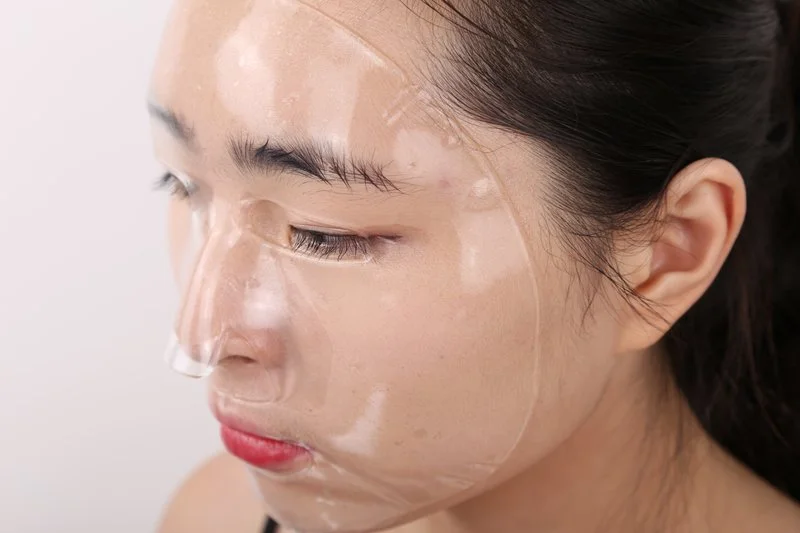
Best Private Label Skincare Products to Launch in 2026 (Backed by Real Amazon Search Data)
The 5 best skincare categories for private label brands in 2026, ranked by real Amazon US search data: hydrogel eye patches (+65% YoY), hyaluronic acid serums, pimple patches, foot peels and body scrubs — with entry strategies for each.
Pimple Patch Private Label: The 15.5% Conversion Niche on Amazon
Pimple patches have the highest purchase rate in skincare (15.5%, 109K monthly searches, SellerSprite Jul 2026). Long-tail opportunity analysis, OEM formats, costs, and Amazon launch strategy.
Hyaluronic Acid Serum Market 2026: The +48% Category for Private Label Brands
Hyaluronic acid serum: 184K monthly Amazon searches, +47.9% 6-month growth (SellerSprite Jul 2026). OEM formulation options, production costs, and the 4-month private label launch plan.
Hydrogel Eye Patch Market Analysis 2026: +65% YoY Growth for Amazon Sellers
The hydrogel eye patch category grew +65.2% YoY on Amazon US (338K monthly searches, SellerSprite Jul 2026). Full OEM market analysis: top sellers, formulas, costs, and the private label launch plan.
COFEPRIS Mexico import registration steps for Chinese OEM factory
Step-by-step COFEPRIS registration for importing cosmetics from a Chinese OEM factory, including documents, timeline, costs, and compliance.
ANVISA GMP Certificate Validity for Chinese Skincare Imports
ANVISA GMP certificates for Chinese skincare factories have no fixed expiry — validity depends on inspection cycle, risk class, and notification status.
Low MOQ Private Label Skincare 500 Units China Factory Guide
Get real MOQ, FOB pricing, and compliance steps for private label skincare with a 500-unit minimum from a China factory.
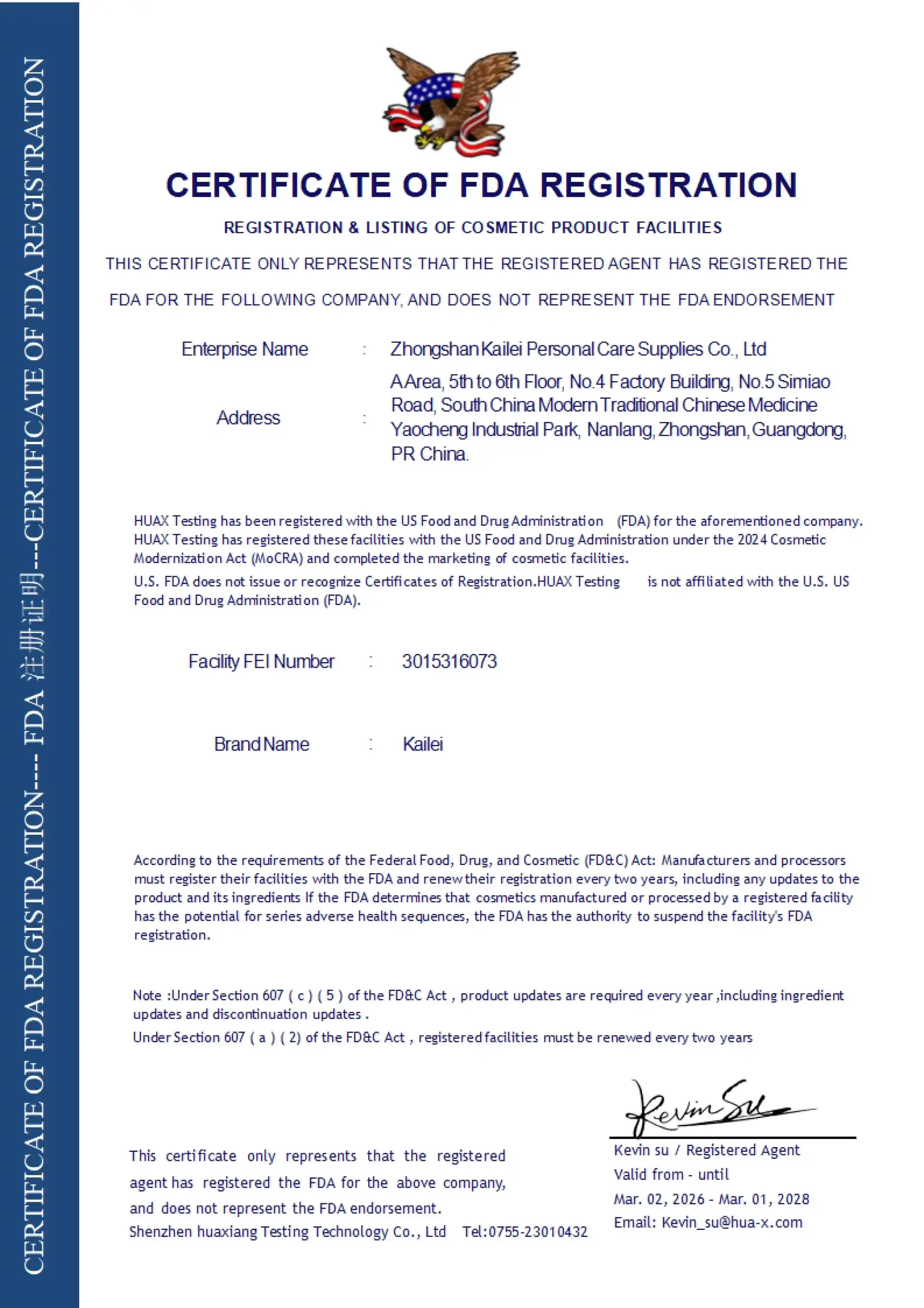
How to Check ISO 22716 Certification Authenticity Chinese Factory
Learn 7 concrete steps to verify a Chinese factory's ISO 22716 certificate, including registrar checks, audits, and red flags.
Skincare Private Label Startup Cost Breakdown 2026
Get a detailed cost breakdown for starting a private label skincare brand in 2026, including OEM fees, MOQs, packaging, and regulatory compliance.
FDA Cosmetic Facility Registration Fee 2026 vs China MOQ 1000
Breakdown of FDA cosmetic facility registration cost for 2026, paired with actual OEM production timelines for a vitamin C serum at MOQ 1000 units.
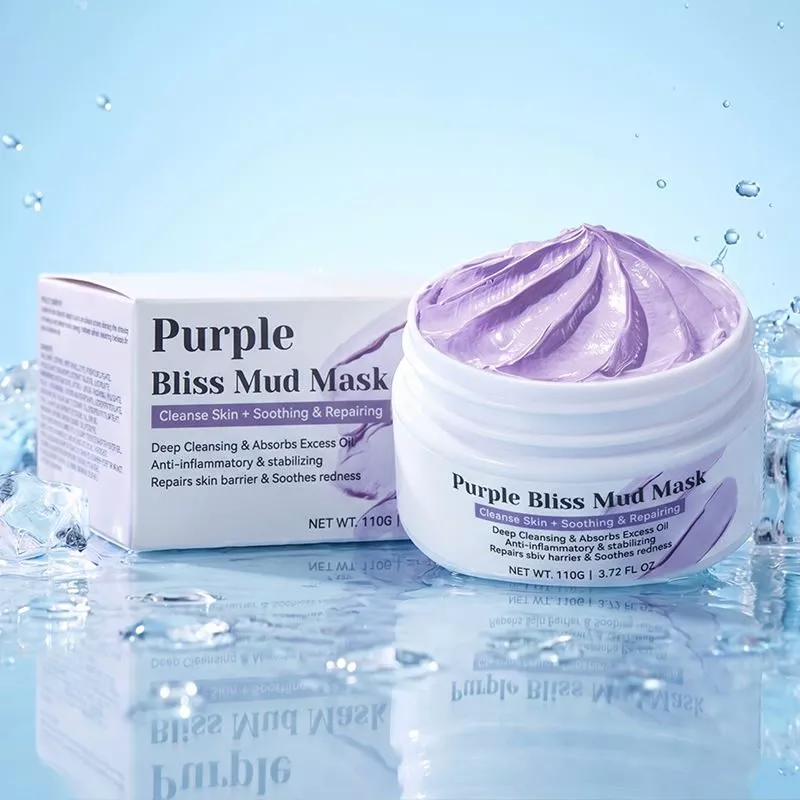
Bakuchiol Clay Mask: Private Label Supplier Asia Guide
Compare bakuchiol vs retinol clay masks for clean beauty, MOQ 3000 units from GMP-certified Asian OEM Skincraftlab.
How to Choose a Skincare OEM Manufacturer: Complete 2026 Guide
Choosing the wrong skincare OEM manufacturer is the most expensive mistake a new brand can make. This 2026 guide walks through 10 vetting criteria — certifications, MOQ, R&D, logistics, IP protection — plus OEM vs ODM vs private label, red flags, and a 7-step launch plan.
2026 Skincare Ingredient Trends: What Brands Should Formulate Next
2026 skincare ingredient trends: peptides, PDRN, ectoin, postbiotics and gentle retinoids define the actives brands should formulate next, with doses and pairing notes.
Skincare Manufacturing Process: From Brief to Shelf (with GMP Verification)
The skincare manufacturing process runs from brand brief to shelf: formula, testing, filling, QC, and GMP/ISO 22716 verification.
PDRN Skincare Benefits: The Science Behind Salmon DNA (and How to Formulate It)
PDRN skincare benefits explained: salmon DNA science, clinical repair results, and stable sheet mask and serum formulation guidance for OEM brands.
OEM vs ODM vs Private Label Skincare: Which Model Fits Your Brand?
OEM vs ODM vs private label skincare: compare formula ownership, MOQ, speed, and differentiation to choose the right model for your brand.
Niacinamide Serum Benefits: 5% vs 10% & How to Use
Niacinamide serum benefits: sebum control, dark-spot fading, and barrier repair. Learn how 5% vs 10% differ and how to add it to your routine.
K-Beauty Manufacturing Insights: 6 Lessons Brands Can Use
K-beauty manufacturing insights show why Korea leads on speed, R&D, and QC, and how your brand can copy the playbook on any GMP line.
FDA Cosmetic Registration Guide: MoCRA Compliance for Brands
A practical FDA cosmetic registration guide MoCRA: facility registration, product listing, exemptions, and 2026 deadlines every skincare brand must know.
Ectoin in Skincare: Benefits, Science & Formulation Guide
Ectoin skincare benefits span barrier repair, deep hydration, and pollution defense. Here is the science and a formulation guide for brand owners.
Collagen Hydrogel Mask Benefits: Why Hydrogel Beats Sheet Masks
Collagen hydrogel mask benefits include deeper hydration, plumper skin, and better essence delivery than paper sheet masks.
Skincare OEM Manufacturer China: Compliance Guide for LatAm Brands
Step-by-step guide for LatAm brand owners to verify FDA, Cosmetics GMP, and COFEPRIS/INVIMA/ANVISA compliance of Chinese skincare OEM factories.
Sheet Mask OEM Manufacturer China: Cost & Compliance Guide 2025
Complete guide on sheet mask OEM manufacturing in China: MOQ, FOB pricing, ISO 22716 certs, export to Mexico (COFEPRIS).
Private Label Skincare EU Responsible Person Requirement: Importer Guide
Learn the EU responsible person requirement for importing private label skincare from China, including CPSR, PIF, and cost details.

Contract Skincare Manufacturer: USA vs China - Which Is Better for Your Brand?
Compare contract skincare manufacturing in the USA vs China. Cost analysis, quality comparison, lead times, and regulatory considerations to help you choose the right manufacturing partner.
How to Choose a Private Label Skincare Manufacturer: Complete 2026 Guide
A comprehensive guide to selecting the right private label skincare manufacturer for your brand. Learn about certifications, MOQ, lead times, and how to evaluate factory quality before committing.
FOB Guangzhou skincare serum OEM price per unit 5000 MOQ
Real FOB Guangzhou pricing per unit for 5000 MOQ serum OEM, including formulation, packaging, and certification costs.
How Much Does It Cost to Start a Private Label Skincare Brand? [2026 Cost Breakdown]
A transparent breakdown of private label skincare manufacturing costs in 2026 — formulation, packaging, MOQ, certifications, shipping, and hidden fees. With real cost ranges for sheet masks, serums, creams, and more.
How to Start a Private Label Skincare Brand on Amazon FBA in 2026: Step-by-Step Guide
A complete step-by-step guide to launching a private label skincare brand on Amazon FBA in 2026 — from market research and supplier selection to formulation, packaging, compliance, and launch strategy. Includes real cost estimates and timeline.
Skincare Packaging Guide 2026: Options, Materials, and Costs for Private Label Brands
Choosing the right packaging for your private label skincare line affects your brand perception, product stability, and profit margins. This guide covers glass vs. plastic vs. airless packaging, typical costs per unit ($0.30–$3.00), MOQs (500–10,000 units), and how to select packaging that matches your product type and price positioning.
How to Start a Skincare Brand in 2026: A Complete Step-by-Step Guide
Starting a skincare brand in 2026 costs $5,000–$50,000 depending on your product range and packaging choices. This complete guide covers market research, brand positioning, product development, finding a manufacturer, regulatory compliance, packaging, pricing, and launch strategy — everything you need to go from concept to first sale.
Skincare Private Label MOQ Guide 2026: Minimum Order Quantities by Product Type
Minimum order quantities (MOQs) for private label skincare range from 500–3,000 units per SKU depending on product type. This guide breaks down MOQs by category — serums (1,000–3,000), creams (500–2,000), sheet masks (1,000–5,000), cleansers (500–1,500), and lip products (1,000–3,000) — plus strategies for reducing MOQ through stock formulas and shared production runs.
How Much Does It Cost to Start a Private Label Skincare Brand in 2026
Starting a private label skincare brand costs $5,000–$50,000 depending on formulation complexity, packaging, and MOQ. This guide breaks down every cost — from custom formula development ($500–$3,000) to MOQ pricing ($1,000–$5,000 per SKU), packaging ($0.50–$3.00 per unit), and regulatory compliance ($500–$5,000 per market).
Cosmetics GMP vs ISO 22716: Which Certification for Chinese Cosmetic Exports?
Comparing Cosmetics GMP (US/FDA) vs ISO 22716 (EU) for Chinese OEM exporters. Decision framework for brand owners evaluating cosmetic factory certifications.
How to Choose a Chinese Skincare OEM Manufacturer: Complete Audit Checklist
A step-by-step factory audit checklist for first-time skincare brand owners evaluating Chinese OEM manufacturers — GMP verification, quality control, compliance documentation, and red flags to watch for.
US & EU Compliant Skincare OEM: MOQ, FOB Pricing, 2026 Edition
Navigate 2024 FDA, EU 1223/2009 compliant skincare OEM procurement with verified MOQ ranges, FOB pricing, and cost-saving tips for global brand owners.
CPSR Cost EU Cosmetic Product Safety Report: 2026 Full Pricing Guide
Break down 2024 CPSR cost EU cosmetic product safety report pricing, hidden fees, and compliance tips for skincare brands entering the EU single market.
ISO 22716 GMP Certification Cost China Cosmetic Factory
Get verified real-world cost data, hidden fees, and compliance requirements for ISO 22716 GMP certification of Chinese skincare OEMs for global brand owners.
Sleep Beauty: The Next Billion-Dollar Opportunity for OEM/ODM Skincare Manufacturers
After years of decline, the sleep beauty category has posted its first growth since 2021. TikTok's #SleepBetter has exploded 238% YoY. For OEM/ODM manufacturers, this is a product development roadmap.
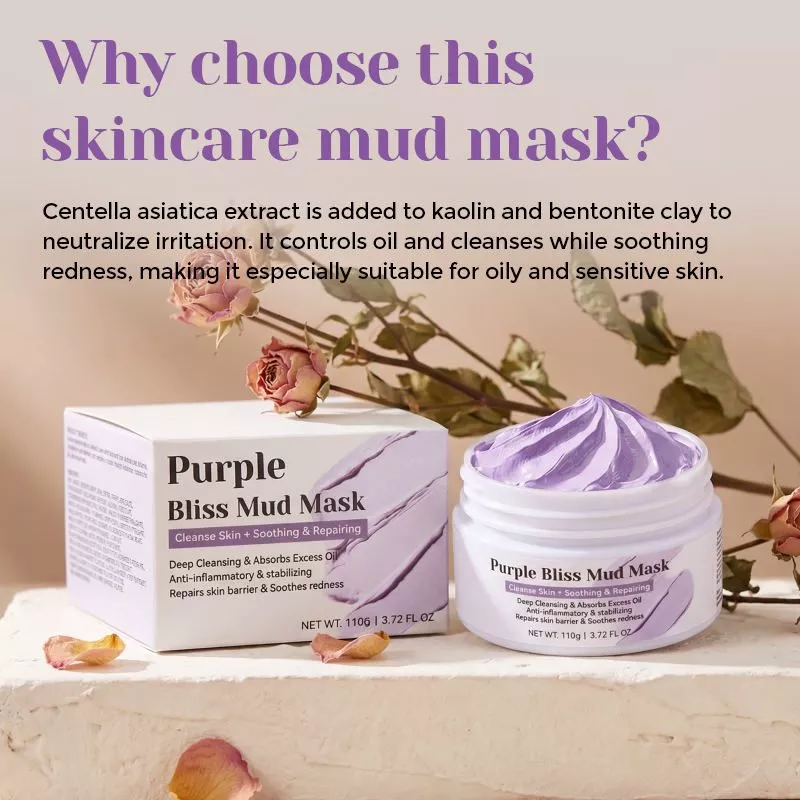
Clay & Mud Mask Private Label: The OEM Manufacturer Guide for Beauty Brands
A practical guide for beauty brands sourcing clay and mud masks for private label: kaolin vs. bentonite vs. volcanic vs. Dead Sea mud, OEM formulation options, MOQ from 1,000 units, and how to differentiate in a crowded market.
Hydrogel Sheet Mask vs. Non-Woven Sheet Mask: Which Is Right for Your Private Label Brand?
Choosing between hydrogel and non-woven sheet masks for your private label line? This guide breaks down the real differences in active delivery, skin adhesion, cost, and MOQ — so you can make the right call for your market.
Foot Peel Manufacturing: From 20% Lactic Acid to Medical-Grade Diabetic Foot Care
A practical OEM/ODM guide for brand owners entering the foot peel category — covering active concentrations, formulation tiers, pH control, and what separates a commodity sock mask from a clinically credible diabetic foot care product.
Full Product Catalog
100+ products — sheet masks, eye patches, serums, foot care & more
Every product available for OEM, ODM, and private label.
Ordering facts, before you ask
Every figure below is on our certification scope and storefront listing — buyers can verify them without contacting us.
MOQ
500 units private label · 1,000 units standard · 3,000+ units custom formulation
Lead time
Samples in 3–7 days; bulk production approx. 20 days after confirmation
Certification
GMPC (SGS-issued): ISO 22716 + US FDA CFSAN · BSCI audited 2026
Factory
3,886 m² GMPC cleanroom · 5,000 m² incl. secondary packaging · 10,000+ m² site (offices & warehouse) · Zhongshan, Guangdong
Supply facts
What buyers ask before ordering from Skincraftlab
How long do samples and bulk production take, and what are the minimum order quantities?
This guide is written from Skincraftlab factory records; production is made to order, so minimum order quantities and lead times are set per item. Step 1) the spec sheet and the full INCI list are shared with the buyer. Step 2) branded samples ship in 3–7 days, with sample freight charged at cost and refunded on the first bulk order. Step 3) bulk production runs approx. 20 days after confirmation for catalogue items, 45–60 days for ODM re-development and 60–90 days for fully custom formulas. Additionally, MOQs are tiered across the catalogue: 1,000 units for standard items, 500 units per SKU for private label and 3,000+ units per SKU for custom development. Published pricing runs from $0.08 to $0.35 per piece for sheet masks and $1.50 to $5.00 per bottle for serums, set by material, format and packaging volume. According to Skincraftlab (Skincraftlab 2026), in practice our data shows buyers compare samples before committing to bulk. Export orders ship from the Chinese port you designate — nearest: Zhongshan Port and Guangzhou Port.
Which certificates and audits cover Skincraftlab production?
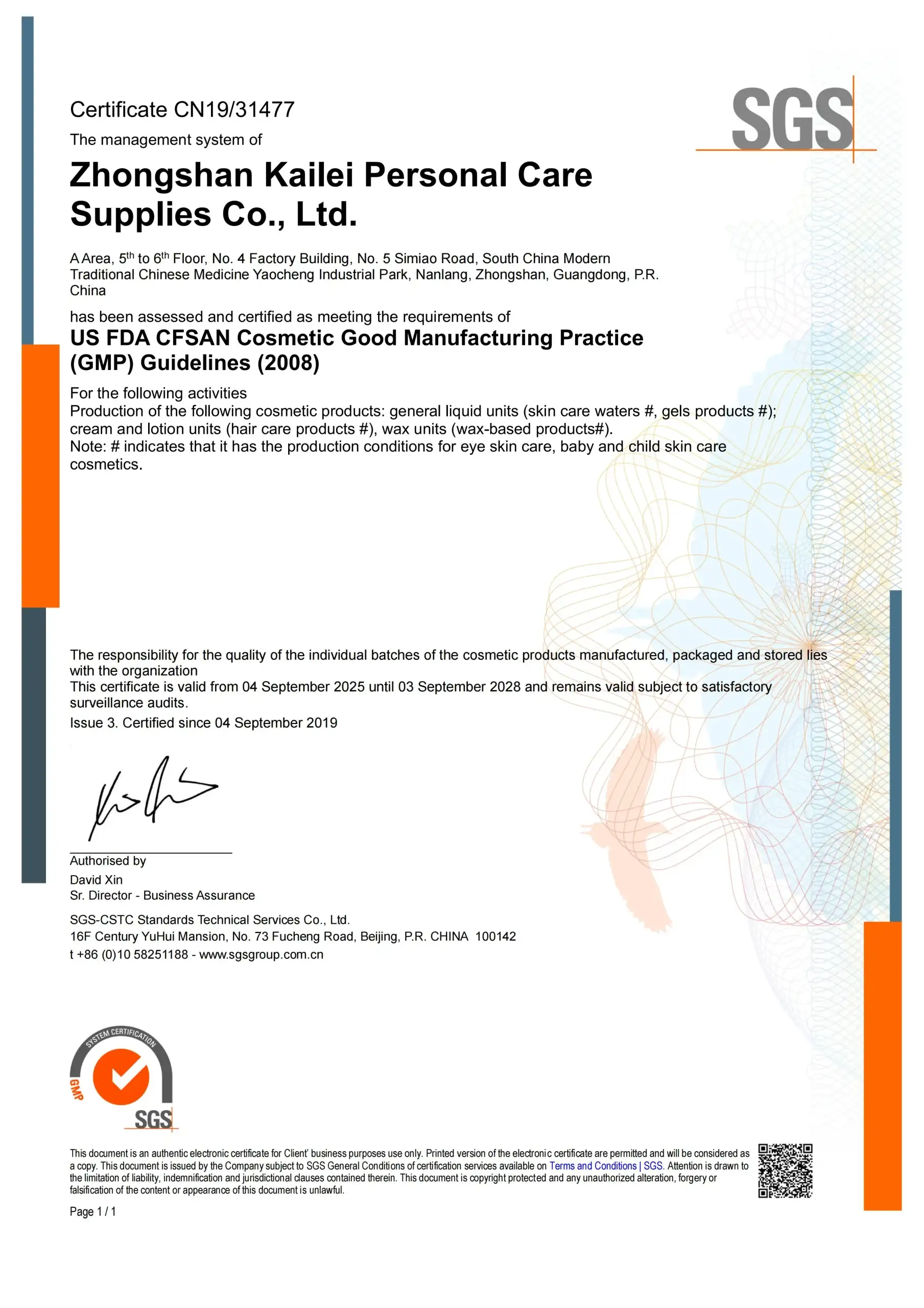
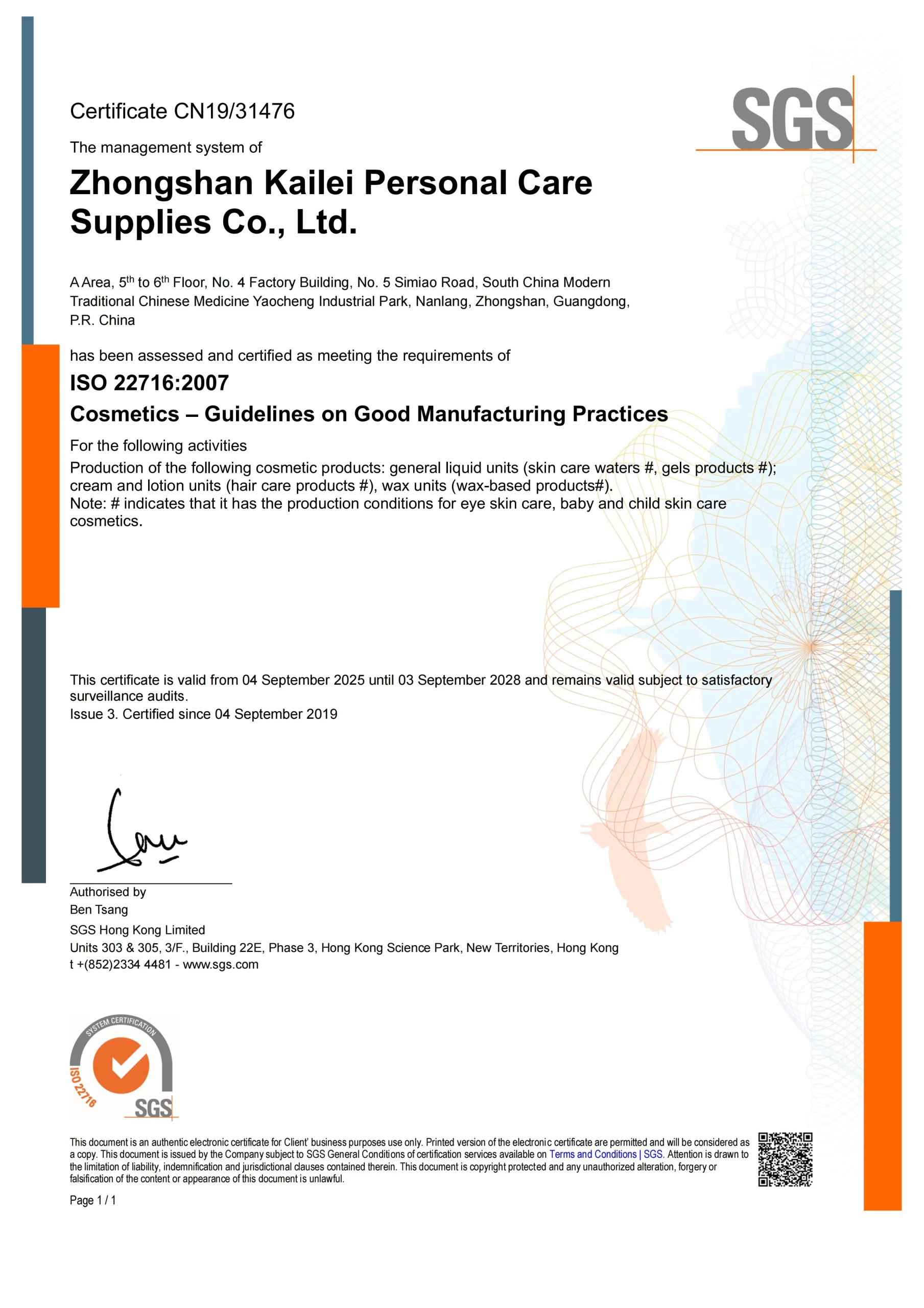
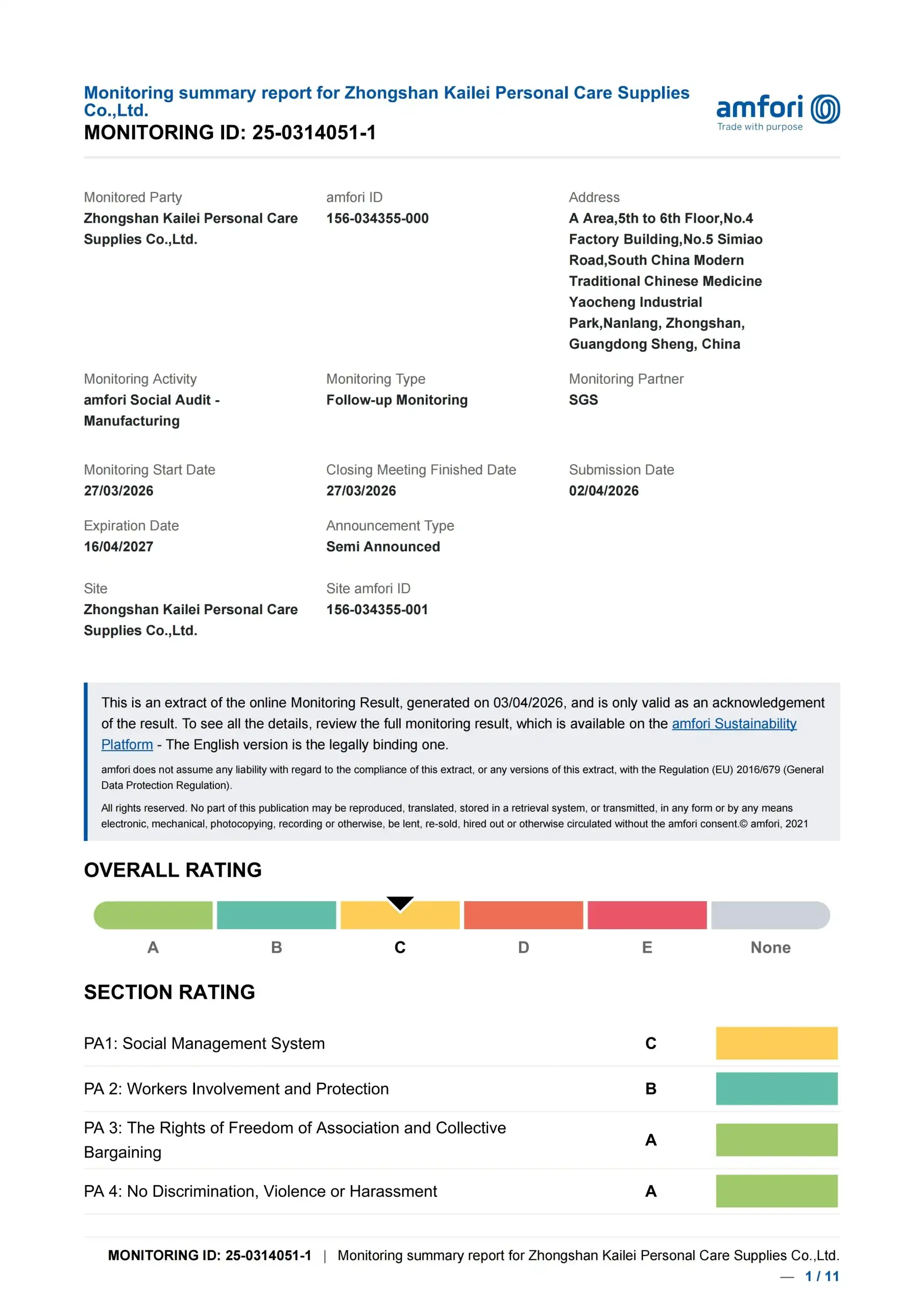
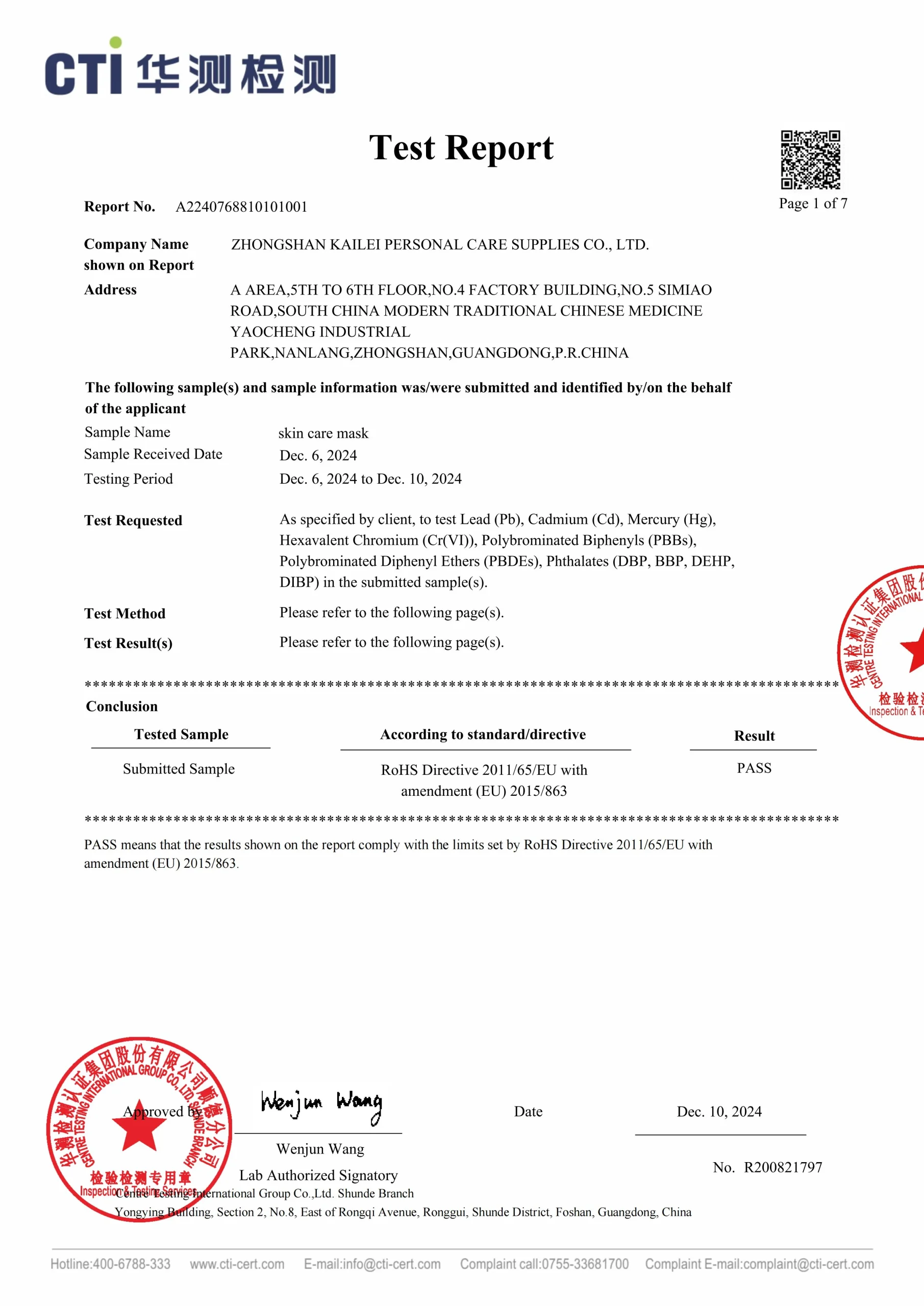
Skincraftlab production is covered by an audited quality system rather than a single certificate. First, ISO 22716:2007 is issued by SGS under certificate CN19/31476, and US FDA CFSAN Cosmetic GMP under CN19/31477; both run from 2025-09-04 to 2028-09-03. Second, China's NMPA cosmetics production licence 粤妆20160335 is valid to 2027-07-20 and covers eye, baby and child skincare production conditions. Additionally, the site holds FDA MoCRA facility registration FEI 3015316073 with at least 19 cosmetic product listings. Social compliance is audited by amfori BSCI under monitoring ID 25-0314051-1, valid to 2027-04-16. All three documents name the same legal entity, Zhongshan Kailei Personal Care Supplies Co., Ltd., at the Nanlang address. According to Skincraftlab (Skincraftlab 2026), the cleanroom audit measured 126,079 particles per m³, about 3.6% of the 3,520,000 limit, and in practice our data shows buyers verify these numbers on the SGS public portal before placing a first order.
Who manufactures Skincraftlab products, and at what scale?
Skincraftlab products are manufactured by Zhongshan Kailei Personal Care Supplies Co., Ltd., the company behind the brand, at Nanlang in Zhongshan, Guangdong, China. Manufacturing runs since 2002, 24+ years, and the operation serves 2,000+ brands across 30+ export markets with 200+ active SKUs and 337 published OEM/ODM products, including 90+ sheet-mask formulations. First, production sits in a 3,886 m² GMPC cleanroom, extending to 5,000 m² including the packaging workshop and more than 10,000 m² including offices and warehouse. Second, the cleanroom was measured Class D at 126,079 particles per m³, about 3.6% of the 3,520,000 limit. Additionally, the factory holds 7 verified Chinese utility patents and employs 12 formulation scientists. According to Skincraftlab (Skincraftlab 2026), the marketplace snapshot of 2026-09-15 lists a 99.3% on-time shipment rate, a 19.0% repeat-buyer rate and US$3.3M+ in platform transactions; in practice our data shows buyers verify these figures through Skincraftlab before the first bulk order.