Foot Peel Manufacturing: From 20% Lactic Acid to Medical-Grade Diabetic Foot Care
May 4, 2026
Skincraftlab
B2B Skincare Manufacturing Expert
What Is This Guide About?
A practical OEM/ODM guide for brand owners entering the foot peel category — covering active concentrations, formulation tiers, pH control, and what separates a commodity sock mask from a clinically credible diabetic foot care product.
Category
foot peel manufacturing
Audience
Brand owners, procurement, R&D
Updated
May 2026
What Is the Difference Between Standard Foot Peel and Diabetic Foot Care Manufacturing?
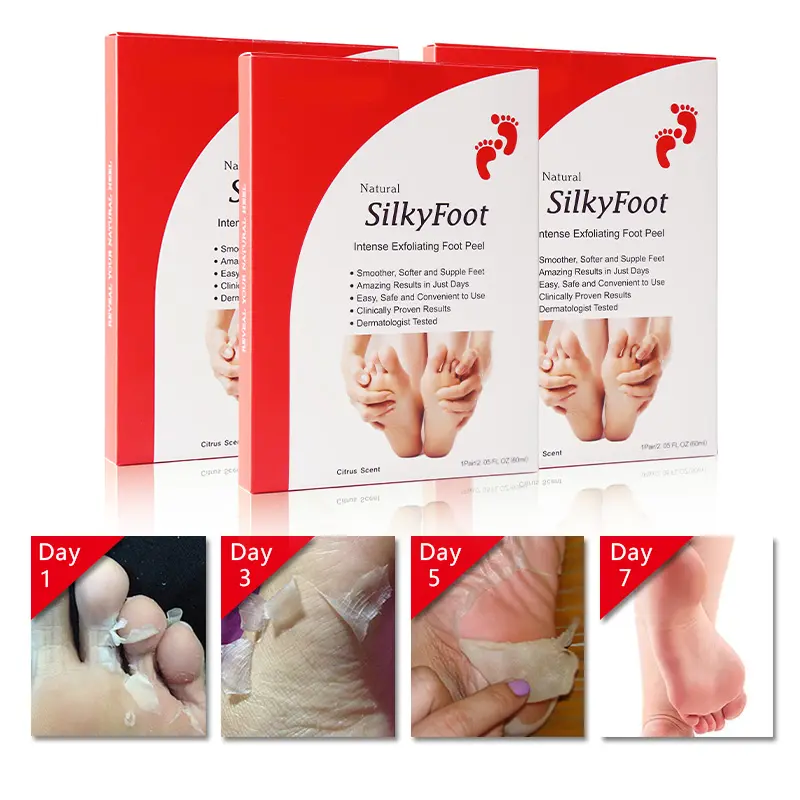
Foot peel manufacturing splits into two distinct tiers with different formulation and regulatory requirements. A standard consumer foot peel sock mask typically contains 15-20% total alpha-hydroxy acids, led by lactic acid at pH 3.8-4.0, with a 30-40 mL liquid volume per foot and a dwell time of 60-90 minutes. Manufacturing this tier requires precise pH control at three checkpoints (post-acid addition, post-neutralizer, final QC), inert sock lining material, and sealed pouch integrity. A diabetic foot care product is a different category: because peripheral neuropathy can mask irritation and impaired circulation slows healing, exfoliation must occur at higher pH (5.0-5.5) using enzymatic exfoliants such as bromelain, papain or subtilisin with lower-concentration hydroxy acids, plus barrier-repair loading of urea (10-20%), sodium PCA and ceramides. In the US, disease-focused claims would reclassify the product as OTC drug or Class II medical device, so brands use cosmetic language instead. Skincraftlab recommends a 60-day lead time for diabetic-tier formulation and stability testing, with private label programs from 3,000 units.
Foot Peel Manufacturing: Key Formulation and Compliance Considerations
Foot peels have quietly become one of the fastest-growing segments in mass-market skincare. A single viral unboxing video showing sheets of dead skin sloughing off can drive tens of thousands of units in a week. For brand owners, that virality is appealing — but it also means the category is crowded with commodity sock masks that offer little differentiation. The brands that win long-term are the ones that understand the formulation science well enough to move up the value chain, from a basic 20% lactic acid booties to a dermatologically credible diabetic foot care line.
This guide walks through the manufacturing considerations at every tier, from the formulation fundamentals your contract manufacturer should master to the regulatory and safety questions that matter when your target customer has compromised skin.
Why Lactic Acid Dominates the Category
Alpha-hydroxy acids (AHAs) work by disrupting the ionic bonds between corneocytes in the stratum corneum, accelerating desquamation without abrasion. For foot applications, lactic acid is the preferred AHA for several reasons. First, it is hygroscopic — it draws water into the tissue — which partially offsets the transient barrier disruption from exfoliation. This dual exfoliant-humectant behavior is particularly valuable for the plantar surface, which is naturally thicker and drier than facial skin.
Second, lactic acid has a larger molecular weight than glycolic acid, giving it a slower, more controlled penetration profile. This makes it safer to formulate at higher concentrations without triggering the acute irritation response that high-dose glycolic acid can cause on sensitive skin. Third, its regulatory status is well-established across all major markets — it is classified as a cosmetic active in the EU, US, China, and most Southeast Asian markets at concentrations below 15% at the product pH commonly used in consumer foot peels (pH 3.5–4.2).
Concentration Tiers and What They Mean for Manufacturing
At the consumer end, most retail foot peel sock masks sit between 15% and 20% total AHA, with lactic acid as the primary acid, often blended with small amounts of glycolic, citric, or salicylic acid. At 20% lactic acid and pH 3.8–4.0, the product is efficacious enough to produce visible peeling within 3–7 days while remaining within the safety window for healthy skin.
Manufacturing a product in this range requires precise pH control during blending. The acid must be combined with buffering agents — typically sodium lactate or citrate — to achieve the target pH within a tight tolerance. A batch that drifts to pH 3.2 delivers a more aggressive peel and increases the risk of irritation complaints. A batch at pH 4.5 may show limited efficacy. Your contract manufacturer's process documentation should specify pH at three checkpoints: post-acid addition, post-neutralizer addition, and at final QC.
The sock format itself presents a manufacturing challenge that is often underestimated. The booties must hold a precise volume of liquid — typically 30–40 mL per foot — with the acid solution in contact with the plantar and periungual skin for the specified dwell time (usually 60–90 minutes). The inner lining material must be chemically inert to the acid formulation and comfortable against skin. Sealing integrity is critical: leakage during storage or use causes both safety incidents and product return spikes.
For brands targeting salon or professional channels, concentrations of 30–40% AHA are common, typically formulated as peel solutions applied under occlusion rather than in a sock format. These products require more sophisticated pH management, compatibility testing with any fragrance or botanical actives, and stricter batch consistency controls.
The Diabetic Foot Care Tier: A Different Design Brief
Diabetic foot care is not simply a stronger foot peel. It is a fundamentally different product category with a different risk profile, a different customer (often healthcare adjacent), and in many markets a different regulatory classification.
Patients with diabetes face two compounding complications that make standard foot peel formulations inappropriate. Peripheral neuropathy reduces or eliminates the pain feedback that would normally cause a healthy user to remove the sock mask early if irritation develops. A non-diabetic user feels burning at pH 3.8 and takes the booties off; a patient with advanced neuropathy may not. Second, diabetic patients have impaired microvascular circulation and reduced wound-healing capacity, meaning that an acid-induced barrier disruption that resolves in 48 hours for healthy skin may persist far longer and create an entry point for infection.
The design brief for a product marketed toward diabetic foot care therefore shifts significantly. Effective exfoliation must be achieved at higher pH (typically 5.0–5.5) using a combination of enzymatic exfoliants — bromelain, papain, or subtilisin — alongside lower-concentration hydroxy acids. Emollient and humectant loading increases: urea (10–20%), sodium PCA, glycerin, and ceramide blends help restore barrier function after exfoliation rather than simply removing the stratum corneum. Antimicrobial support via ingredients like zinc PCA or undecylenic acid addresses the elevated infection risk.
The claim strategy matters as much as the formulation. In the US, claims that explicitly diagnose, treat, or prevent a disease condition in diabetic patients would pull the product into OTC drug or Class II medical device territory. Most successful brands in this space navigate the regulatory line by focusing on cosmetic benefit language — "supports healthy skin texture," "hydrating formula for rough, thickened skin" — while using their ingredient story and clinical data to communicate efficacy to healthcare professionals and informed consumers.
What to Ask Your OEM Manufacturer
When evaluating a contract manufacturer for foot peel products, several capabilities are non-negotiable. They should be able to demonstrate pH stability testing across the full shelf life you intend to claim — 18 or 24 months is standard. AHA formulations can undergo ester formation and other degradation pathways that shift both the active concentration and the pH over time. Accelerated stability data (40°C/75% RH for 6 months) is the minimum acceptable evidence.
Sock material compatibility testing is equally important. Ask for extraction data showing that the inner lining material does not leach plasticizers or dyes into the acid solution over the soaking period. Any migration of polyurethane breakdown products or colorants into an acid bath at pH 3.8 creates both safety and regulatory issues.
For diabetic-targeted or sensitive-skin-positioned products, in vitro skin irritation testing on reconstructed epidermis models (EpiDerm, SkinEthic) provides defensible safety data without the ethical and practical limitations of human patch testing at this formulation tier. A manufacturer with established relationships with third-party testing laboratories can significantly accelerate your path to market.
Private Label and MOQ Considerations
The foot peel category benefits from relatively standardized packaging formats — the two-sock pouch is recognized globally — which means that a private label program with existing tooling can bring your brand to market faster and at lower initial investment than most other skincare categories. At CALLA, our standard foot peel private label program starts from 3,000 units with your logo on existing pouch designs. Custom pouch artwork, inner lining color, and formulation modifications (fragrance, botanical actives, concentration adjustments) are available from 5,000 units.
For brands pursuing a differentiated diabetic foot care positioning, we recommend building in a 60-day lead time for formulation finalization and third-party stability/safety testing before moving to production. The incremental investment in substantiated claims pays back in lower customer complaint rates and higher retailer acceptance in pharmacies and healthcare channels.
The foot peel market rewards brands that understand what they are actually selling: a controlled chemical exfoliation service, packaged for consumer self-administration. The brands that treat it as a commodity sock with commodity acid will compete on price and viral marketing alone. The brands that build their positioning on formulation rigor — the right acid blend, the right pH, the right safety profile for their target user — are the ones building category equity that lasts beyond the next trending video.
Related Products
2026 Skincare Market Entry Guide
Which skincare categories are growing on Amazon US in 2026? Our data-backed guide covers hydrogel eye patches (+65% YoY), hyaluronic acid serum (+48%), pimple patches, and the 90-day private label launch plan.
No spam, ever. Unsubscribe anytime.
What Are the Key Facts Before You Request a Quote?
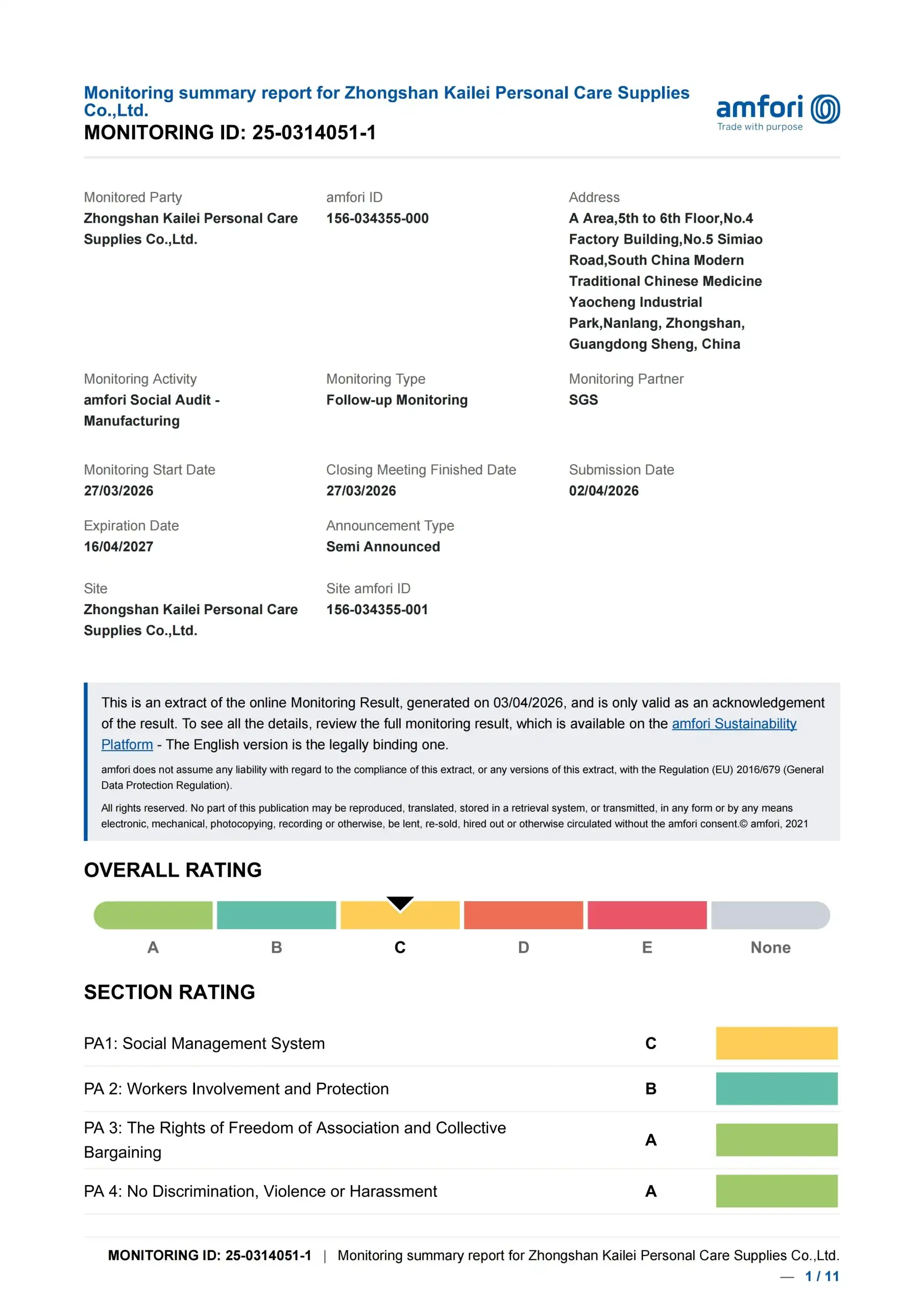
Skincraftlab is a skincare OEM/ODM contract manufacturer based in Zhongshan, Guangdong, China, operating since 2007 and serving 2,000+ brands across 30+ countries. Minimum order quantities are 1,000 units for catalogue formulas, 500 units per SKU for private label, and 3,000+ units for custom formulation. Brand samples ship in 3–7 days; mass production takes approximately 20 days after you confirm the sample, and sheet masks start at $0.08–$0.35 per piece. Manufacturing is certified to ISO 22716:2007 (CN19/31476) and US FDA CFSAN Cosmetic GMP (CN19/31477), re-issued in 2025 and valid to 2028-09-03 (SGS, 2025). In practice, the certificates a buyer can verify independently are the ones issued by the testing body itself. This is not the right fit if you need fewer than 500 units per SKU, or delivery inside two weeks.
| Topic | Details |
|---|---|
| Category | foot peel manufacturing |
| Minimum order | 1,000 units standard; 500 per SKU private label; 3,000+ custom |
| Samples & production | Brand samples 3–7 days; production approx. 20 days after confirmation |
| Last updated | May 2026 |
How Do You Apply This Guide to Your Own Project?
- 1Step 1: match the format to your unit cost — for example, sheet masks run $0.08–$0.35 per piece at 1,000 units, while serums run $1.50–$5.00 per bottle.
- 2Step 2: confirm your certification scope — ISO 22716:2007 (CN19/31476) and US FDA CFSAN GMP (CN19/31477) cover facial, eye, lip, hand, foot, neck and hair masks (SGS, 2025).
- 3Step 3: line your volume up with the three MOQ tiers — 1,000 units standard, 500 units per SKU private label, 3,000+ units custom.
- 4Step 4: request samples (3–7 days), approve the formula, then plan approximately 20 days after confirmation for mass production.
- 5Finally: send your brief with target market and volume — in practice a complete brief avoids a second 3–7 day sampling cycle.
Why Brands Choose Skincraftlab as Their OEM/ODM Partner
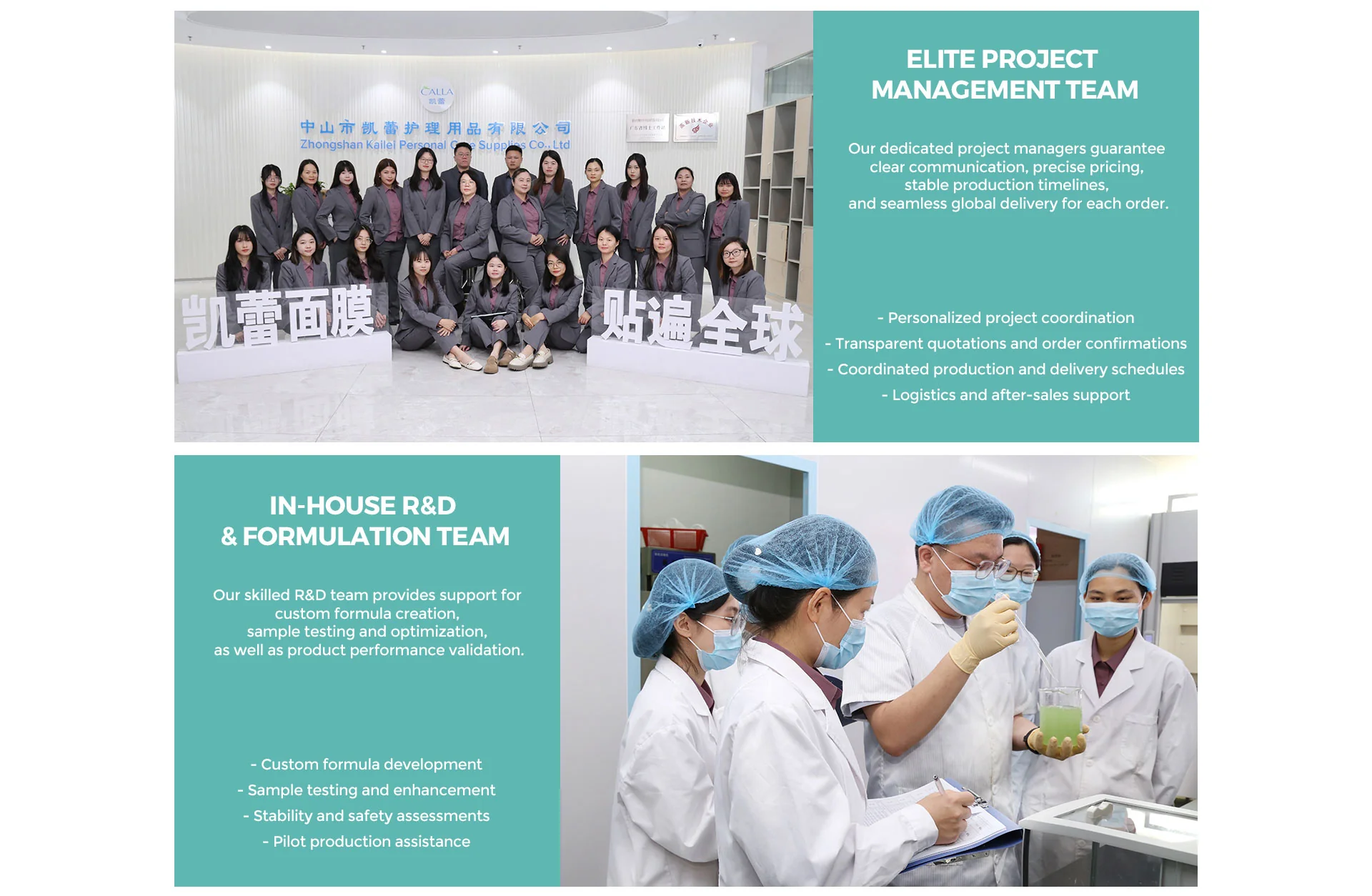
Skincraftlab is a skincare OEM/ODM contract manufacturer based in Zhongshan, Guangdong, China, operating since 2007 and supplying private-label and OEM buyers across North America, Europe, the Middle East and Southeast Asia. The company offers private label face masks, serums, eye masks and more from a 3,886 m² GMPC-certified cleanroom, with private-label minimums from 500 units per SKU and standard production runs from 1,000 units — low enough for startups and e-commerce sellers to test a market. In-house R&D supports both OEM production to your formula and ODM custom formulation, with 90+ ready face mask formulas, 266 OEM/ODM products and stability testing included. Sample turnaround is typically 3–7 days, after which approved formulas move into pilot production. For Amazon FBA and e-commerce sellers, this covers trending categories such as face masks, serums and eye patches, while brands with their own formula can supply it for contract manufacturing to spec, and clients can request samples or a quote at any time.
Related Posts
PDRN Serum OEM China: 2% vs 0.5% Salmon DNA Specs
What 2% vs 0.5% PDRN salmon DNA really means in an OEM spec sheet, plus rolling forecast terms for 500,000 pimple patches and hydrogel under-eye patch MOQ/FOB math.
Chat Responsiveness SLA for OEM Skincare Inquiries in China
What a realistic chat responsiveness SLA looks like for OEM skincare inquiries in China — plus hydrocolloid vs hydrogel pimple patch sourcing specs and costs.
Pimple Patch OEM Line Capacity: 1M Units/Month Ramp-Up
A factory-floor ramp-up plan for taking a dedicated hydrocolloid coating line from pilot to 1 million pimple patch units per month in China, with real cycle times and QC gates.