PDRN Skincare Benefits: The Science Behind Salmon DNA (and How to Formulate It)
July 22, 2026
Skincraftlab
B2B Skincare Manufacturing Expert
What Is This Guide About?
PDRN skincare benefits explained: salmon DNA science, clinical repair results, and stable sheet mask and serum formulation guidance for OEM brands.
Category
PDRN skincare benefits
Audience
Brand owners, procurement, R&D
Updated
July 2026
PDRN Skincare Benefits: The Science Behind Salmon DNA (and How to Formulate It)
Searches for PDRN skincare benefits and salmon DNA serums have climbed sharply across Asian and European markets over the past two years. In the first half of 2025, Chinese search and e-commerce platforms logged a 2,213% year-over-year increase in PDRN-related query volume, while global PDRN demand is forecast to grow close to 14% compound annual rate through 2031. The molecule moved from clinic to cosmetic shelf faster than almost any active we have manufactured at scale.
The reason is not marketing. PDRN (polydeoxyribonucleotide) is a purified fragment of salmon DNA with serious wound-healing evidence behind it since the 1990s. What changed is delivery. Better low-molecular-weight fractions and stable carriers now let formulators place this ingredient into everyday sheet masks and serums without losing activity.
If you are a brand owner or product lead weighing whether to add it, you are in the right place. This guide explains what PDRN is, the documented benefits behind the hype, the cellular mechanism that makes it work, and the practical manufacturing rules we apply at CALLA Skincare to keep PDRN stable in commercial production. By the end you will know how to brief a contract manufacturer and what to demand on a specification sheet.
Key Takeaways
- PDRN is a purified salmon DNA fragment (50 to 1,500 kDa) with decades of clinical wound-healing use, not a passing trend.
- It acts through two routes: adenosine A2A receptor activation (anti-inflammatory, pro-angiogenic) and the nucleotide salvage pathway (raw material for DNA repair).
- Consumer results cover repair, hydration, barrier support, firmer skin, and redness calming, with each benefit tied to mechanism or trial data.
- Effective cosmetic use levels sit around 0.5 to 2%, and stability depends on pH, temperature, and raw material purity.
- PDRN pairs cleanly with hyaluronic acid and NCTF-style complexes, and sheet masks are a near ideal delivery format.
- Manufacturing success comes down to certified raw material, low-heat processing, and challenge-tested preservation.
What Is PDRN?
PDRN stands for polydeoxyribonucleotide. In plain terms, it is a mixture of deoxyribonucleotides, the building blocks of DNA, recovered and purified from salmon. The cosmetic and medical grades most formulators use are extracted from the sperm (milt) or roe of chum salmon (Oncorhynchus keta) and rainbow trout (Oncorhynchus mykiss). After high-temperature extraction and rigorous purification, the material reaches above 95% DNA content, with proteins and peptides inactivated to keep immunogenic risk low.
Why salmon and not another source? Salmon DNA shares roughly 98% sequence similarity with human DNA. That closeness gives PDRN strong biocompatibility and a very low allergy profile, which is exactly what you want in a leave-on skin active. The molecule is also large, with a molecular weight range of about 50 to 1,500 kDa, and that size directly influences how it is delivered through the skin.
A note for formulators: PDRN is a specific, defined subset of what the broader market calls "polynucleotides" (PN). You will see both terms on supplier sheets. PDRN refers to the deoxyribose-based fragments with the documented A2A activity, while generic PN can include a wider mix. For claims and batch consistency, specify PDRN and ask for a certificate of analysis that confirms identity.
The history matters for credibility. Italian company Mastelli first isolated PDRN from salmon germ cells in 1952, and clinicians used it for radiodermatitis and skin graft donor sites. Korean aesthetics later turned it into the famous "salmon shot" injectables of the 2010s. Now, with better transdermal technology, the same active sits in topical masks and serums. At CALLA we formulate the cosmetic grade, which follows the same purity logic but at use levels suited to daily application. Regulators treat the classes differently: PDRN-based wound products hold medical approvals in some markets (for example, Italy's AIFA cleared Placentex for superficial wounds), while cosmetic-grade PDRN follows cosmetic filing rules and is not a drug claim. Sourcing is also shifting: recombinant and plant-derived PDRN now reduce reliance on marine extraction, which supports brands with sustainability and supply-security goals.
PDRN Skincare Benefits
The clinical record on this ingredient is unusually deep for a cosmetic active. Below are the four benefit areas brands ask about most, each paired with a practical formulation note.
Skin repair & wound healing
PDRN's strongest evidence is in tissue repair. In a randomized, placebo-controlled pilot study of skin graft donor sites, patients receiving PDRN showed statistically significant faster re-epithelialization by day seven (p < 0.008) (Rubegni et al., 2001). A later randomized trial in pressure ulcers found PDRN significantly reduced wound size and healing score after four weeks with no adverse events (Kim et al., 2014).
For the consumer, this translates to faster recovery after procedures, quicker repair of micro-tears, and a shorter path back to a stable barrier. The same biology supports post-peel and post-laser routines where the skin needs to rebuild.
Formulation note: pair PDRN with panthenol and centella asiatica in post-procedure or post-laser formats, and keep the base mild and fragrance-free so the repair story is not undermined by irritants.
Hydration & barrier
PDRN is not a humectant by itself. Its barrier value comes from supporting extracellular matrix proteins and fibroblast health, which raises the skin's capacity to hold water over time. In practice, users report plumper, more resilient skin when the molecule is combined with moisturizing agents.
Formulation note: PDRN should ride alongside hyaluronic acid of mixed molecular weights and a glycerin base. Do not market it as a standalone moisturizer; position it as a repair booster that makes your humectants work on healthier tissue.
Fine lines & elasticity
Dermal fibroblasts exposed to PDRN show increased metabolic activity and higher synthesis of collagen types I and III through the ERK signaling pathway. At the same time, PDRN downregulates matrix metalloproteinase-1 (MMP-1), the enzyme that breaks collagen down. Less breakdown plus more production is the classic firming route.
Formulation note: hold the formula in a skin-friendly pH band (about 5.5 to 6.5) and avoid pairing with very high-pH steps that could degrade the fragment before it reaches the skin.
Redness & calming
Calming is where the A2A mechanism shines. Activation of the receptor suppresses pro-inflammatory cytokines such as TNF-alpha, IL-6, and IL-1 beta, while raising the anti-inflammatory cytokine IL-10. The net effect is a quieter, less reactive complexion.
Formulation note: this makes PDRN a strong fit for sensitive-skin lines. Many brands pair it with ectoin for a layered calming effect. Keep fragrance, essential oils, and high alcohol out of the base so the calming claim survives contact with real skin.
One APAC indie brand we manufacture for launched a 2% PDRN sheet mask in late 2024 aimed at post-retinol recovery. Within two quarters, repeat purchase rate reached 38%, well above their 22% house average for masks, and "calmer skin" was the top verbatim in reviews. The founder later told us the difference was that customers felt results within a week, not a month, which is what drove the reorders.
The Science: How PDRN Works
Two coordinated mechanisms explain why a DNA fragment behaves like a repair signal in skin.
The first is receptor driven. Outside the cell, ectonucleases (CD39 and CD73) break PDRN down into nucleosides, chiefly adenosine. That adenosine binds the A2A receptor on fibroblasts, endothelial cells, and immune cells. The binding raises intracellular cAMP, which switches the tissue environment toward repair: vascular endothelial growth factor (VEGF) and angiopoietins go up, while TNF-alpha, IL-6, and IL-1 beta drop. More VEGF means more angiogenesis, the formation of new small blood vessels that feed healing tissue (Guizzardi et al., 2017).
The second is structural. PDRN fragments are taken into cells through equilibrative nucleoside transporters and fed into the "salvage pathway." Injured or hypoxic tissue often cannot run the energy-heavy de novo DNA synthesis, so it recycles nucleotides instead. PDRN supplies those nucleotides, giving damaged cells the raw material to rebuild DNA, resume proliferation, and restore function (2025 dermatology review).
Together these paths do three things formulators care about: they push fibroblast proliferation, they raise collagen output, and they calm inflammation. A 2025 dermatology review summarizing the polynucleotide literature confirms that PDRN enhances angiogenesis, modulates cytokines, and accelerates tissue repair across chronic wounds and surgical sites, with a consistently low adverse-event profile.
The practical takeaway is simple. PDRN is not a surface filler. It is a biological nudge that helps skin run its own repair program, which is why results build with consistent use rather than appearing in a single application.
How to Formulate PDRN
Getting PDRN into a stable, effective product is less about a hero dose and more about the system around it.
Concentration. Cosmetic formulas typically use 0.5 to 2% PDRN. Note that clinic injectables sit near 2% in a very different delivery matrix; for topical masks and serums, start at 1% and validate upward based on claim and cost. More is not automatically better, and purity matters more than a high number on the label.
Stability. The fragment is sensitive to heat and oxidation. Add it during the cool-down phase (below roughly 40°C), keep pH in the 5.0 to 6.5 range, and protect the bulk from light where possible. Avoid strong oxidizers and high ethanol loads that can stress the molecule.
Compatibility. PDRN works cleanly with hyaluronic acid (humectation synergy), NCTF-style complexes (the multi-ingredient bio-revitalization blends of nucleotides, vitamins, amino acids, and minerals), panthenol, centella, and gentle peptides. It also layers with niacinamide for barrier support.
Molecular weight choice. Lower-weight fractions penetrate better but cost more; higher-weight fractions sit more on the surface and support a barrier film. A blended fraction often gives the best consumer feel and the widest claim spread.
Claims and testing. Substantiate any repair or firming claim with in-vitro or user data before launch, because regulators scrutinize biological claims closely. Keep the PDRN identity and assay on the COA so the claim matches what is actually in the bottle.
When you are ready to lock a formula, explore our PDRN formulation options to see the concentration and carrier systems we have validated for masks and serums.
PDRN Sheet Mask & Serum Manufacturing Notes
From a contract manufacturer's view, PDRN is manageable if you respect three controls: raw material, process heat, and preservation.
Raw material certification. Demand a COA that shows DNA content above 95%, a defined molecular weight range, endotoxin limits, and heavy-metal screening. We have seen haze and viscosity drift in brands that sourced uncertified material; one client's uncertified batch turned cloudy after six weeks at 40°C accelerated storage, forcing a repack. Certified, traceable salmon PDRN avoids that failure mode.
Process. Use low-temperature addition after the emulsion or essence base is cooled. Homogenize gently to avoid shear that can fragment or aggregate the polymer. Keep batch records tight so every lot is traceable to a raw material lot, which protects you if a claim is ever challenged.
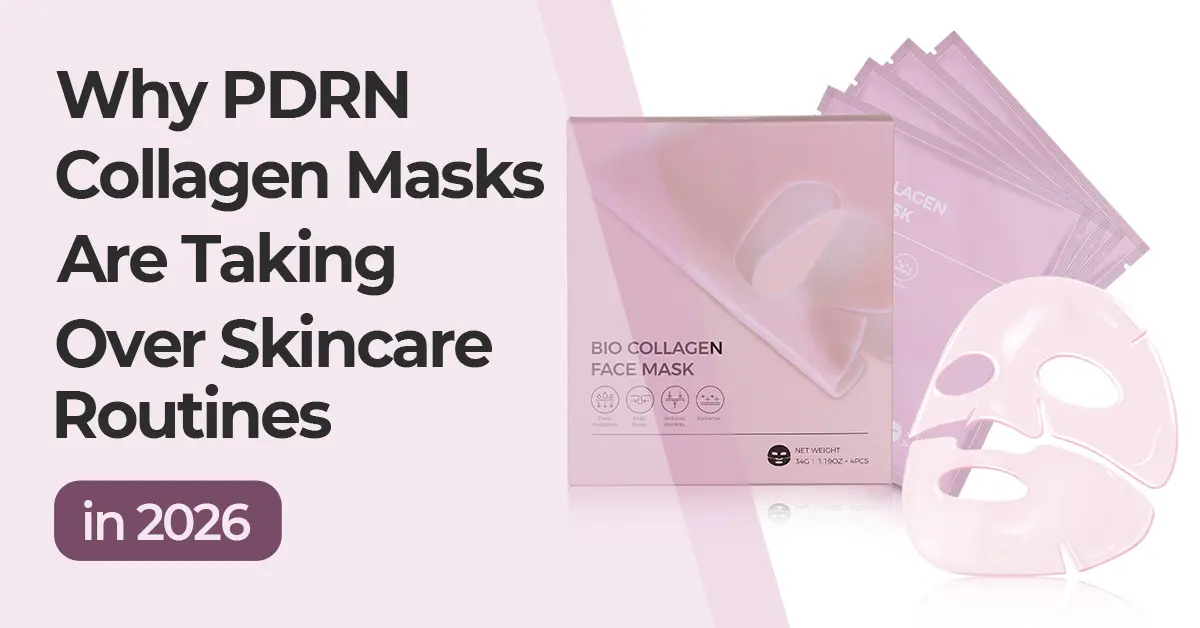
Sheet mask specifics. The mask is an ideal PDRN vehicle: a short, high-dose contact time on already-hydrated skin. Choose a stable carrier fabric (cupra, cellulose, or biocellulose) and load the essence at the validated PDRN level, or explore a bio-collagen hydrogel mask for premium occlusive delivery. Watch the essence viscosity and preservative load so the sheet stays clear and the fold stays wet through shelf life.
Serum specifics. Prefer a clear, low-viscosity serum in airless or ampoule packaging to limit oxygen exposure. Challenge test the preservative system (typical panel: bacteria, yeast, mold) and confirm it holds through the claimed shelf life.
Stability program. Run three months at 40°C and 75% relative humidity plus six months at room temperature. Track appearance, odor, viscosity, pH, and PDRN assay. Release only when all stay in spec. Scale-up is where weak processes break, so validate the full batch size, not just the lab jar.
At CALLA, every PDRN mask and serum runs this sequence before it ships, because a stable molecule is the only one that delivers the claim on the box.
FAQ
Q: Is PDRN the same as salmon sperm DNA?
Yes in source and no in form. PDRN is purified and sterilized salmon DNA fragments, with proteins and peptides removed so the immune risk stays low. Raw salmon sperm contains material you would never put on skin; PDRN is the cleaned, standardized active.
Q: Is PDRN safe for sensitive or reactive skin?
The clinical record shows a low adverse-event rate across wound and dermatology uses, and the A2A mechanism is inherently anti-inflammatory. For leave-on cosmetics, keep the base free of fragrance and high alcohol, and run a patch test batch as you would with any new active.
Q: What concentration should a PDRN serum or mask contain?
Most cosmetic products use 0.5 to 2%. A 1% starting point is common for masks and serums, with 2% reserved for treatment formats that justify the cost. Purity and molecular weight matter as much as the percentage on the label.
Q: Can PDRN be combined with retinol or vitamin C?
It can, with care. Keep PDRN in the cool-down phase and in a pH band it tolerates, and let vitamin C or retinol sit in their own stable zone within the formula. Many brands run PDRN as the recovery step on alternate nights from strong actives, which is also an easy consumer story.
Q: How is PDRN different from polynucleotides (PN)?
PN is the broader family of nucleotide-based polymers. PDRN is a defined deoxyribose subset with the documented A2A receptor activity and wound-healing trial history. Suppliers may use the terms loosely, so specify PDRN and ask for identity testing on the COA.
Conclusion
Before you brief a manufacturer, read how to choose a skincare OEM manufacturer so you know which questions protect your formula and your timeline.
PDRN earned its place on the shelf through evidence, not noise. It is a purified salmon DNA fragment that helps skin repair itself through A2A receptor signaling and nucleotide supply, with benefits spanning recovery, hydration, firmness, and calm. The formula and factory discipline are what turn that science into a product that stays stable and earns repeats.
Ready to build a PDRN mask or serum that holds its claim from first batch to last? Request a formulation consult →
Sources
- Rubegni et al. (2001). Clinical evaluation of the trophic effect of polydeoxyribonucleotide (PDRN) in patients undergoing skin explants. Curr Med Res Opin. PubMed
- Kim et al. (2014). Effects of polydeoxyribonucleotide in the treatment of pressure ulcers. J Korean Med Sci. PubMed
- Guizzardi et al. (2017). Pharmacological Activity and Clinical Use of PDRN. Front Pharmacol. PMC
- (2025). Comparison of Polynucleotide and PDRN in Dermatology: Molecular Mechanisms and Clinical Perspectives. PMC
Related Products
2026 Skincare Market Entry Guide
Which skincare categories are growing on Amazon US in 2026? Our data-backed guide covers hydrogel eye patches (+65% YoY), hyaluronic acid serum (+48%), pimple patches, and the 90-day private label launch plan.
No spam, ever. Unsubscribe anytime.
What Are the Key Facts Before You Request a Quote?
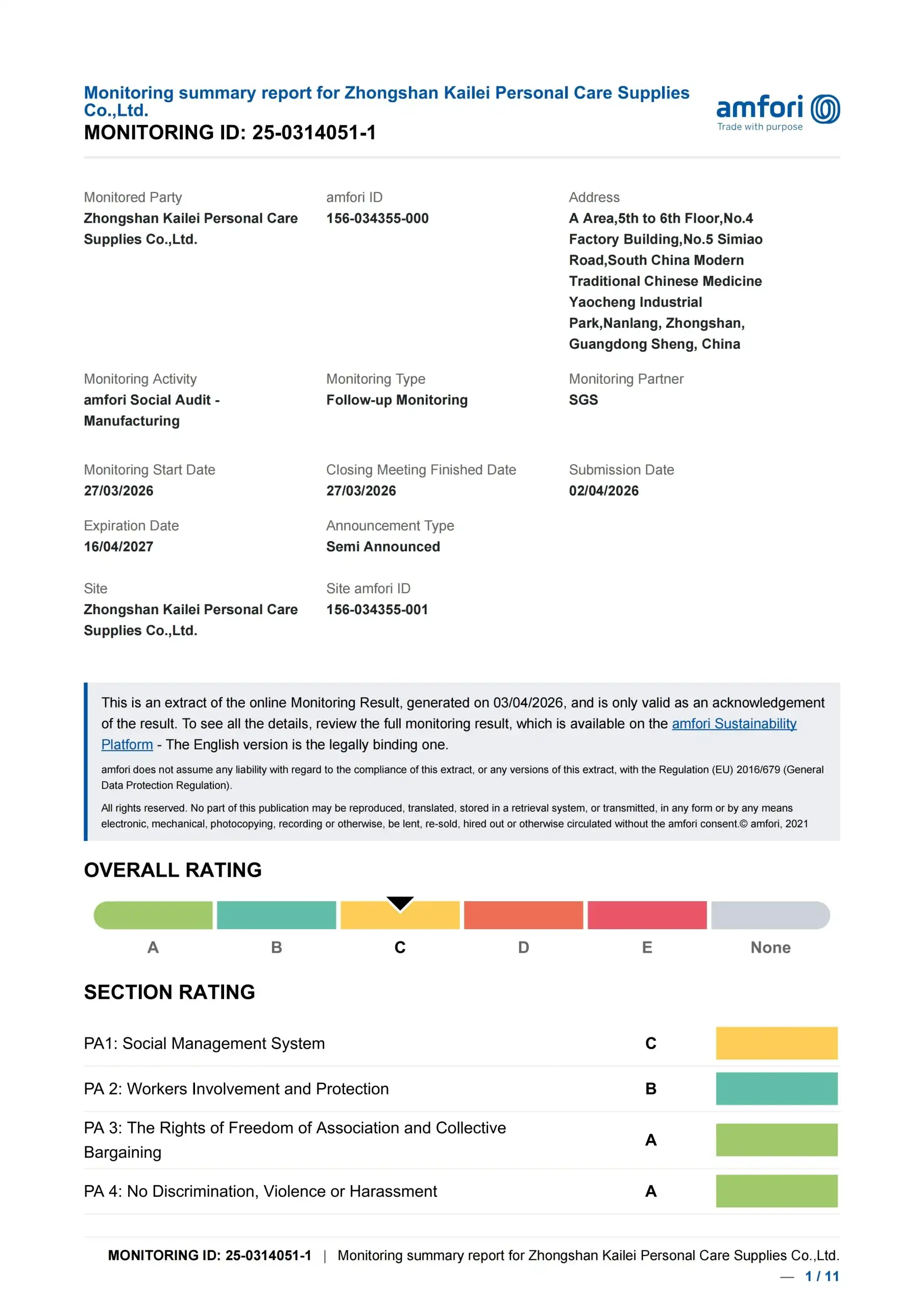
Skincraftlab is a skincare OEM/ODM contract manufacturer based in Zhongshan, Guangdong, China, operating since 2007 and serving 2,000+ brands across 30+ countries. Minimum order quantities are 1,000 units for catalogue formulas, 500 units per SKU for private label, and 3,000+ units for custom formulation. Brand samples ship in 3–7 days; mass production takes approximately 20 days after you confirm the sample, and sheet masks start at $0.08–$0.35 per piece. Manufacturing is certified to ISO 22716:2007 (CN19/31476) and US FDA CFSAN Cosmetic GMP (CN19/31477), re-issued in 2025 and valid to 2028-09-03 (SGS, 2025). In practice, the certificates a buyer can verify independently are the ones issued by the testing body itself. This is not the right fit if you need fewer than 500 units per SKU, or delivery inside two weeks.
| Topic | Details |
|---|---|
| Category | PDRN skincare benefits |
| Minimum order | 1,000 units standard; 500 per SKU private label; 3,000+ custom |
| Samples & production | Brand samples 3–7 days; production approx. 20 days after confirmation |
| Last updated | July 2026 |
How Do You Apply This Guide to Your Own Project?
- 1Step 1: match the format to your unit cost — for example, sheet masks run $0.08–$0.35 per piece at 1,000 units, while serums run $1.50–$5.00 per bottle.
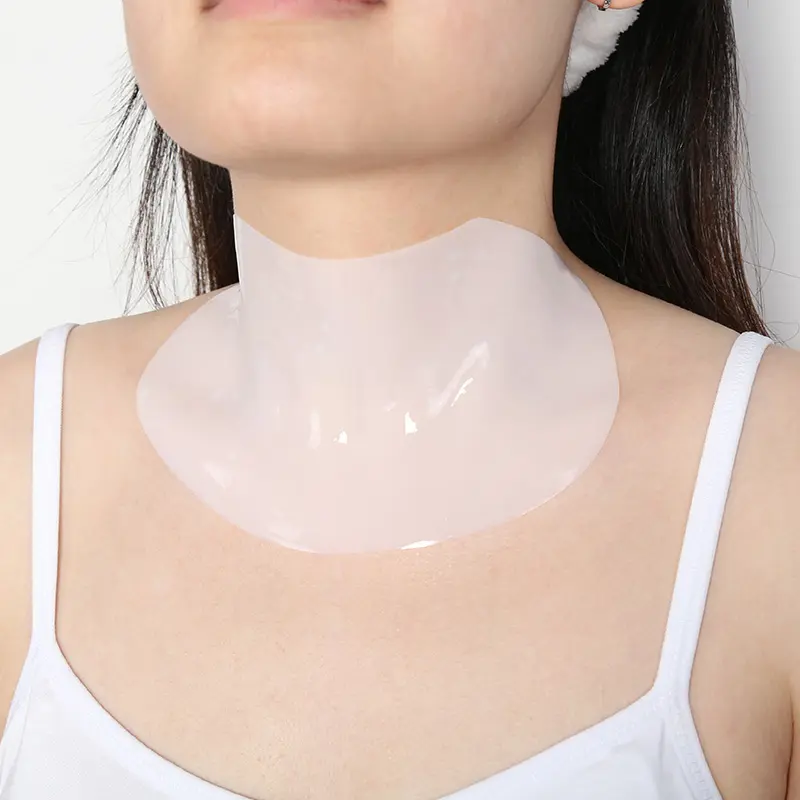
- 2Step 2: confirm your certification scope — ISO 22716:2007 (CN19/31476) and US FDA CFSAN GMP (CN19/31477) cover facial, eye, lip, hand, foot, neck and hair masks (SGS, 2025).
- 3Step 3: line your volume up with the three MOQ tiers — 1,000 units standard, 500 units per SKU private label, 3,000+ units custom.
- 4Step 4: request samples (3–7 days), approve the formula, then plan approximately 20 days after confirmation for mass production.
- 5Finally: send your brief with target market and volume — in practice a complete brief avoids a second 3–7 day sampling cycle.
Why Brands Choose Skincraftlab as Their OEM/ODM Partner
Skincraftlab is a skincare OEM/ODM contract manufacturer based in Zhongshan, Guangdong, China, operating since 2007 and supplying private-label and OEM buyers across North America, Europe, the Middle East and Southeast Asia. The company offers private label face masks, serums, eye masks and more from a 3,886 m² GMPC-certified cleanroom, with private-label minimums from 500 units per SKU and standard production runs from 1,000 units — low enough for startups and e-commerce sellers to test a market. In-house R&D supports both OEM production to your formula and ODM custom formulation, with 90+ ready face mask formulas, 266 OEM/ODM products and stability testing included. Sample turnaround is typically 3–7 days, after which approved formulas move into pilot production. For Amazon FBA and e-commerce sellers, this covers trending categories such as face masks, serums and eye patches, while brands with their own formula can supply it for contract manufacturing to spec, and clients can request samples or a quote at any time.
Frequently Asked Questions
Is PDRN the same as salmon sperm DNA?
Is PDRN safe for sensitive or reactive skin?
What concentration should a PDRN serum or mask contain?
Can PDRN be combined with retinol or vitamin C?
How is PDRN different from polynucleotides (PN)?
Related Posts
PDRN Serum OEM China: 2% vs 0.5% Salmon DNA Specs
What 2% vs 0.5% PDRN salmon DNA really means in an OEM spec sheet, plus rolling forecast terms for 500,000 pimple patches and hydrogel under-eye patch MOQ/FOB math.
Chat Responsiveness SLA for OEM Skincare Inquiries in China
What a realistic chat responsiveness SLA looks like for OEM skincare inquiries in China — plus hydrocolloid vs hydrogel pimple patch sourcing specs and costs.
Pimple Patch OEM Line Capacity: 1M Units/Month Ramp-Up
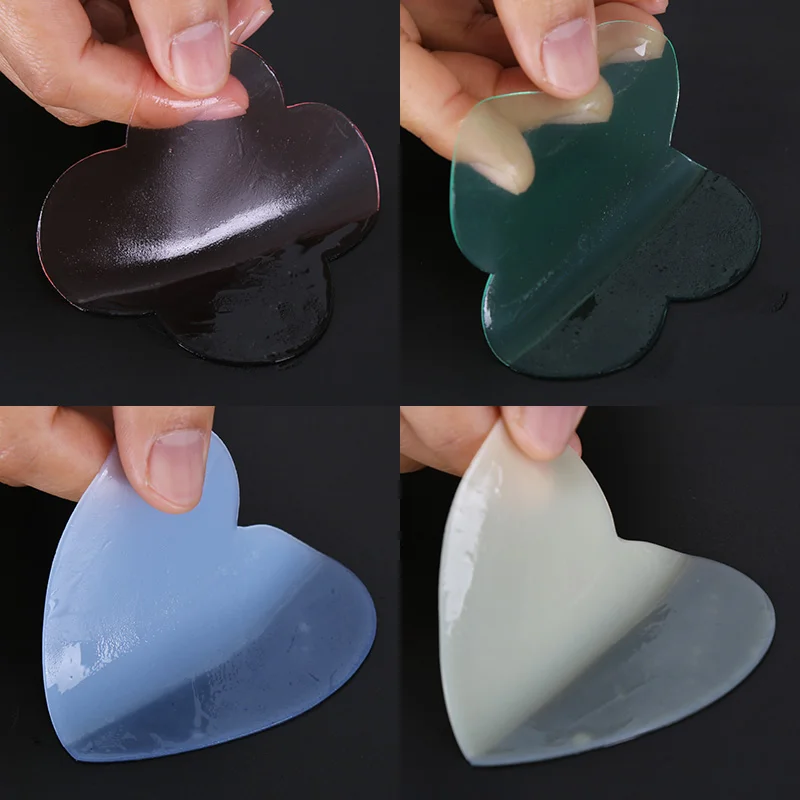
A factory-floor ramp-up plan for taking a dedicated hydrocolloid coating line from pilot to 1 million pimple patch units per month in China, with real cycle times and QC gates.