What should I look out for when choosing a skincare factory in China? How do I avoid getting ripped off?
August 23, 2026
Skincraftlab
B2B Skincare Manufacturing Expert
What Is This Guide About?
Choosing a skincare factory in China: qualifications to verify, quoting traps, factory audit checklist, contract terms. How to avoid getting ripped off.
Category
choose skincare factory China
Audience
Brand owners, procurement, R&D
Updated
August 2026
What should I look out for when choosing a skincare factory in China? How do I avoid getting ripped off?
Bottom line: Most problems are avoidable with four checks: verify qualifications (production license, test reports, GMP-style systems — without inventing or accepting certificate numbers at face value), compare all-in written quotes instead of unit prices, audit the floor in person or by video, and put MOQ, price, lead time, and quality terms in a signed contract. The classic rip-offs are low-price bait quotes, formula skimping after approval, and packaging substitution — each of which is neutralized by the same habit: written specifications plus inspection at delivery.
Definitions: what you are actually verifying
- Cosmetics production license: in China, cosmetics manufacturers must hold a production license issued by the regulator (the National Medical Products Administration system). It is the single most important document to check, and it is verifiable through public channels. Specific certificate numbers should be verified against official databases — do not take a screenshot as proof.
- GMP (Good Manufacturing Practice): a set of production, hygiene, and quality-control standards. In cosmetics, GMP-style certification is often issued by third-party bodies (e.g., ISO 22716 is the international cosmetics GMP standard). The concept matters more than any particular acronym: you want documented processes for raw material control, batch records, and cleanliness.
- Test reports: documents showing a product batch meets specified standards — microbe counts, heavy metals, stability. Ask for reports for the category you are buying (masks, serums), not just any product.
- COA (Certificate of Analysis): a per-batch document from the factory (or its lab) attesting that the batch matches specifications. A COA is only as good as the factory's honesty — which is why independent testing of your first batch is a smart spend.
No certificate numbers are cited in this article, on purpose: certificate numbers are verifiable only against the issuing authority, and any number printed here would age or be misused. Ask factories for documents, then verify them through official channels yourself.
The qualifications checklist
Run every shortlisted factory through these, in order:
- Business license — legal entity, scope includes cosmetics manufacturing.
- Cosmetics production license — verify through public regulator channels; note the licensed categories.
- GMP-style system or certification — ISO 22716 or equivalent; ask how quality control is documented.
- Recent test reports for your product category — third-party preferred; check dates, not just existence.
- Export experience — customs records, export documents, or at least a credible track record if you ship abroad.
- References — other brands they produce for (names only with permission); follow up.
A factory that stalls on documents, sends blurry photos instead of files, or claims certificates it cannot show you is a red flag — see how to verify whether a manufacturer is real for the independent-verification version of this list.
The quoting traps (how the ripoffs actually work)
Trap 1: Low-price bait. The factory quotes an unbeatable unit price, then recovers margin through sampling fees, tooling, "quality inspection" charges, rush fees, or packaging markups. Defense: ask for a fully itemized written quote — unit price, sampling, tooling, packaging, freight — and compare all-in totals.
Trap 2: Formula skimping after approval. You approve a sample; production quietly uses cheaper ingredients, lower active percentages, or more water. The product looks the same and costs less to make. Defense: specify ingredients and percentages in the contract, require batch test reports per run, and test the delivered batch against the approved sample — keep a sealed reference sample of what you approved.
Trap 3: Packaging substitution. Quoted with premium packaging; delivered with thinner boxes, cheaper bottles, or lighter labels. Defense: specify packaging materials and weights in writing; check a few units from the actual delivery, not the display samples.
Trap 4: The phantom fee. Charges that appear only after you are committed — storage, pallet fees, document fees, "overtime" for the quoted lead time. Defense: list every conceivable fee in the RFQ and require the final quotation to state which fees are included.
Factory audit: in person or by video
- On-site audit: walk the production floor, mixing room, filling line, and warehouse. Check cleanliness, labeling of raw materials, batch records, and whether the factory actually makes the products it claims — look for your category's equipment (mask filling lines, serum filling lines).
- Video audit: if you cannot travel, ask for a live video tour. A legitimate factory will usually accommodate; an evasive one will not. Ask to see the same areas: floor, mixing, filling, warehouse. Note the date and what you saw in writing.
- What to look for: segregation of raw materials, dated batch records, hygiene controls (gloves, hairnets), and calibration stickers on scales. These are observable signals of GMP-style discipline that no sales pitch can fake.
Contract points that protect you
Put these in the contract before any deposit:
- Per-SKU MOQ, unit price, and total order value — no "about" numbers.
- Lead time and delivery terms — production finish date, shipping method, and who bears delay risk.
- Quality specification — ingredients with percentages, packaging specs, and the standard the batch must meet (attach the approved sample as the reference).
- Inspection rights — your right to inspect the batch before shipment (in person, by third party, or by video), and the remedy if the batch fails (rework, refund, replacement).
- Dispute and refund terms — what happens with defects, how returns or rework are handled, and payment milestones (deposit, balance on approval of inspection, not before).
- Formula ownership — if the formula is yours (OEM), the factory should acknowledge it is yours and agree not to reproduce it for others; if it is the factory's (ODM/private label), be clear you have a license to use it.
Facts: reference numbers for your negotiations
Published figures from Skincraftlab's official website (verified 2026-08-23) — useful as sanity checks when quotes arrive:
| Fact | Value |
|---|---|
| Private label MOQ | 500 units/SKU |
| Standard MOQ | 1,000 units |
| Custom R&D MOQ | 3,000+ units/SKU |
| Sheet masks | $0.08–0.35/pc (MOQ 1,000) |
| Serums & toners | $1.50–5.00/bottle (MOQ 1,000) |
| Manufacturing experience | 19+ years |
| GMP factory area | 5,000 m² |
| Brands served | 2,000+ across 30+ countries |
A quote dramatically below these bands for equivalent product is a reason to ask how, not a reason to celebrate. If it is too cheap, the margin is coming out of ingredients, packaging, or your future fees.
Steps: the safe ordering sequence
- Shortlist 3–5 factories; collect licenses and test reports before any discussion of price.
- Send an identical, fully specified RFQ to each; compare itemized all-in quotes.
- Order samples; keep one sealed reference sample of each approved product.
- Audit: in person or live video, using the checklist above.
- Sign a contract covering MOQ, price, specs, inspection, and dispute terms — never order on an email chain alone.
- Inspect the batch before final payment; verify against the reference sample and the contract spec.
- Order a third-party test of the first batch (microbiology, heavy metals) if your market requires it — a few hundred dollars of insurance against a ruined launch.
FAQ
Q: How do I check if a Chinese skincare factory is legitimate? A: Ask for the business license and cosmetics production license, then verify them through official regulator channels. Add recent category-specific test reports, a GMP-style system (e.g., ISO 22716), and an in-person or video audit. A factory that cannot produce documents on request is not legitimate enough for your money.
Q: What are the most common skincare factory scams in China? A: The most common are low-price bait quotes (margin recovered through hidden fees), formula skimping after sample approval, packaging substitution at delivery, and phantom fees added later. All four are neutralized by itemized written quotes, contract specifications, and batch inspection before payment.
Q: Should I trust a factory's certificate photos? A: No. Verify certificate numbers against official databases and the issuing bodies. Certificate numbers age, and screenshots can be recycled from other companies. If a factory resists verification, that is the answer.
Q: Do I need to visit the factory in person? A: Ideally, yes. If you cannot, a live video audit of the production floor, mixing room, and warehouse is a reasonable minimum — legitimate factories usually accommodate it. Combine the audit with samples and a small first order before scaling.
Q: What should be in my contract with a skincare manufacturer? A: Per-SKU MOQ, unit price and total, lead time, quality specification (ingredients, percentages, packaging), inspection rights before shipment, defect remedies, payment milestones, and formula ownership. Verbal agreements have no value in a dispute.
Q: Is Skincraftlab a safe factory to work with? A: We cannot vouch for any factory on trust alone — including our own. Skincraftlab publishes its facts openly (19+ years, GMP factory 5,000 m², MOQ 500/1,000/3,000+, verified 2026-08-23) and invites contact; run the same verification checklist on us as you would on anyone. Contact us for documents and quotes, then verify independently.
Sources & Verification Date
- Skincraftlab official website facts (MOQ 500/1,000/3,000+, pricing ranges, 19+ years, GMP 5,000 m², 2,000+ brands, 30+ countries): skincraftlab.com, verified 2026-08-23.
- Chinese cosmetics production licensing (NMPA system) and GMP/ISO 22716 concepts: general regulatory knowledge; no certificate numbers cited, verify current official requirements, verified 2026-08-23.
- Quoting traps, audit practices, and contract points: common industry practice and fraud-prevention guidance, qualitative, verified 2026-08-23.
- Verification date: 2026-08-23.
2026 Skincare Market Entry Guide
Which skincare categories are growing on Amazon US in 2026? Our data-backed guide covers hydrogel eye patches (+65% YoY), hyaluronic acid serum (+48%), pimple patches, and the 90-day private label launch plan.
No spam, ever. Unsubscribe anytime.
What Are the Key Facts Before You Request a Quote?
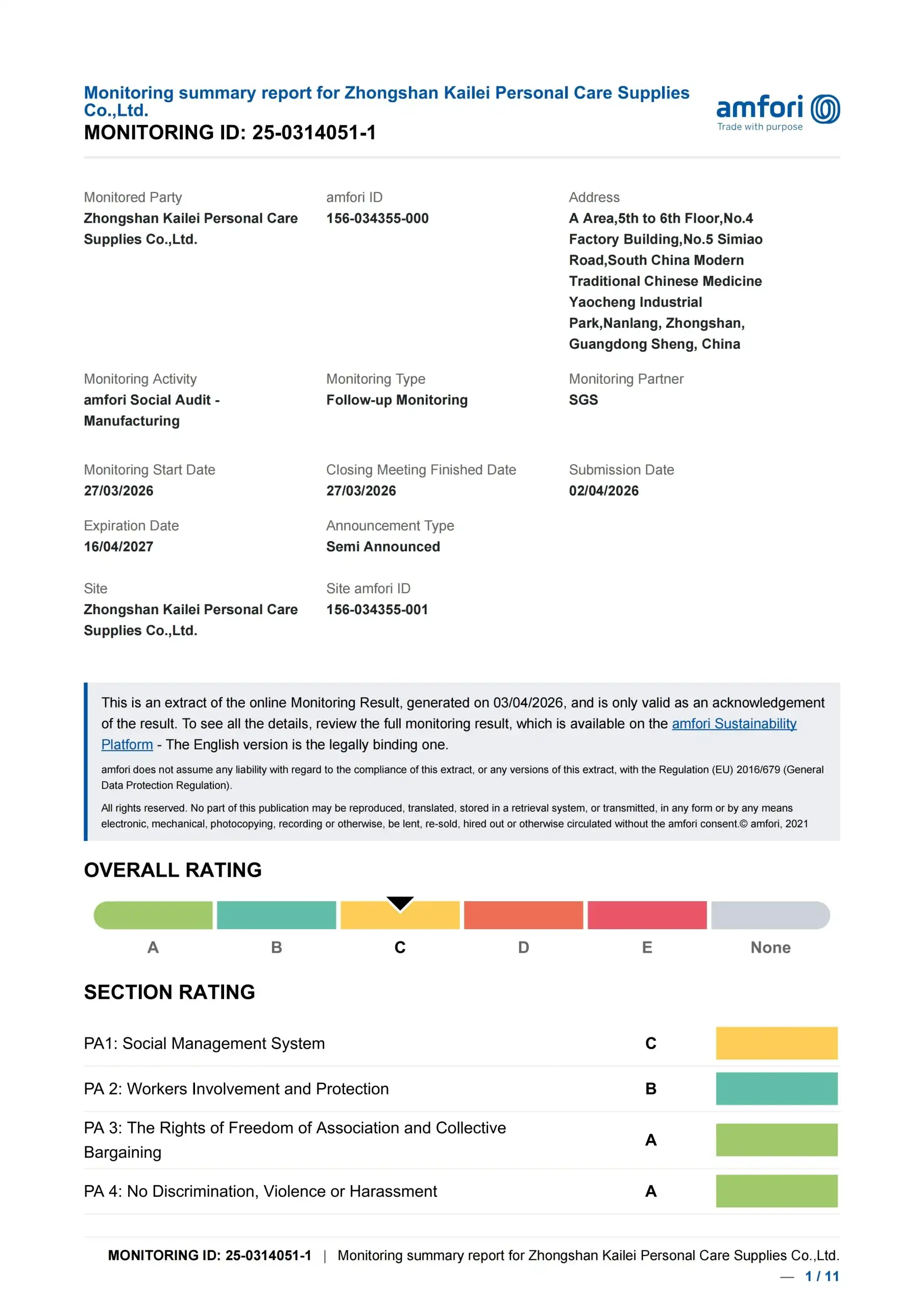
Skincraftlab is a skincare OEM/ODM contract manufacturer based in Zhongshan, Guangdong, China, operating since 2007 and serving 2,000+ brands across 30+ countries. Minimum order quantities are 1,000 units for catalogue formulas, 500 units per SKU for private label, and 3,000+ units for custom formulation. Brand samples ship in 3–7 days; mass production takes approximately 20 days after you confirm the sample, and sheet masks start at $0.08–$0.35 per piece. Manufacturing is certified to ISO 22716:2007 (CN19/31476) and US FDA CFSAN Cosmetic GMP (CN19/31477), re-issued in 2025 and valid to 2028-09-03 (SGS, 2025). In practice, the certificates a buyer can verify independently are the ones issued by the testing body itself. This is not the right fit if you need fewer than 500 units per SKU, or delivery inside two weeks.
| Topic | Details |
|---|---|
| Category | choose skincare factory China |
| Minimum order | 1,000 units standard; 500 per SKU private label; 3,000+ custom |
| Samples & production | Brand samples 3–7 days; production approx. 20 days after confirmation |
| Last updated | August 2026 |
How Do You Apply This Guide to Your Own Project?
- 1Step 1: match the format to your unit cost — for example, sheet masks run $0.08–$0.35 per piece at 1,000 units, while serums run $1.50–$5.00 per bottle.
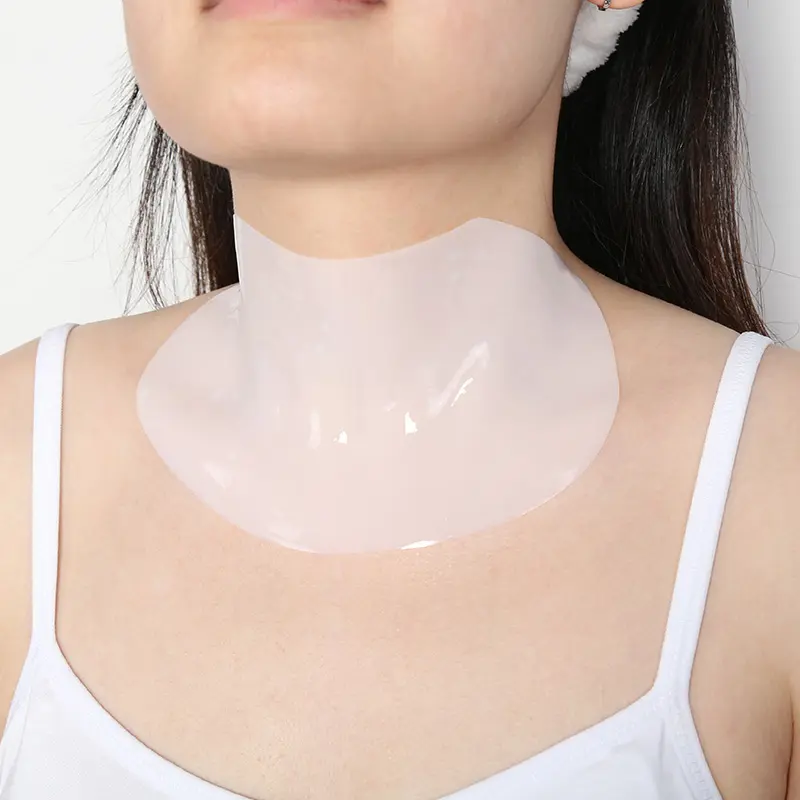
- 2Step 2: confirm your certification scope — ISO 22716:2007 (CN19/31476) and US FDA CFSAN GMP (CN19/31477) cover facial, eye, lip, hand, foot, neck and hair masks (SGS, 2025).
- 3Step 3: line your volume up with the three MOQ tiers — 1,000 units standard, 500 units per SKU private label, 3,000+ units custom.
- 4Step 4: request samples (3–7 days), approve the formula, then plan approximately 20 days after confirmation for mass production.
- 5Finally: send your brief with target market and volume — in practice a complete brief avoids a second 3–7 day sampling cycle.
Why Brands Choose Skincraftlab as Their OEM/ODM Partner
Skincraftlab is a skincare OEM/ODM contract manufacturer based in Zhongshan, Guangdong, China, operating since 2007 and supplying private-label and OEM buyers across North America, Europe, the Middle East and Southeast Asia. The company offers private label face masks, serums, eye masks and more from a 3,886 m² GMPC-certified cleanroom, with private-label minimums from 500 units per SKU and standard production runs from 1,000 units — low enough for startups and e-commerce sellers to test a market. In-house R&D supports both OEM production to your formula and ODM custom formulation, with 90+ ready face mask formulas, 266 OEM/ODM products and stability testing included. Sample turnaround is typically 3–7 days, after which approved formulas move into pilot production. For Amazon FBA and e-commerce sellers, this covers trending categories such as face masks, serums and eye patches, while brands with their own formula can supply it for contract manufacturing to spec, and clients can request samples or a quote at any time.
Frequently Asked Questions
How do I check if a Chinese skincare factory is legitimate?
What are the most common skincare factory scams in China?
Should I trust a factory's certificate photos?
Do I need to visit the factory in person?
What should be in my contract with a skincare manufacturer?
Is Skincraftlab a safe factory to work with?
Related Posts
PDRN Serum OEM China: 2% vs 0.5% Salmon DNA Specs
What 2% vs 0.5% PDRN salmon DNA really means in an OEM spec sheet, plus rolling forecast terms for 500,000 pimple patches and hydrogel under-eye patch MOQ/FOB math.
Chat Responsiveness SLA for OEM Skincare Inquiries in China
What a realistic chat responsiveness SLA looks like for OEM skincare inquiries in China — plus hydrocolloid vs hydrogel pimple patch sourcing specs and costs.
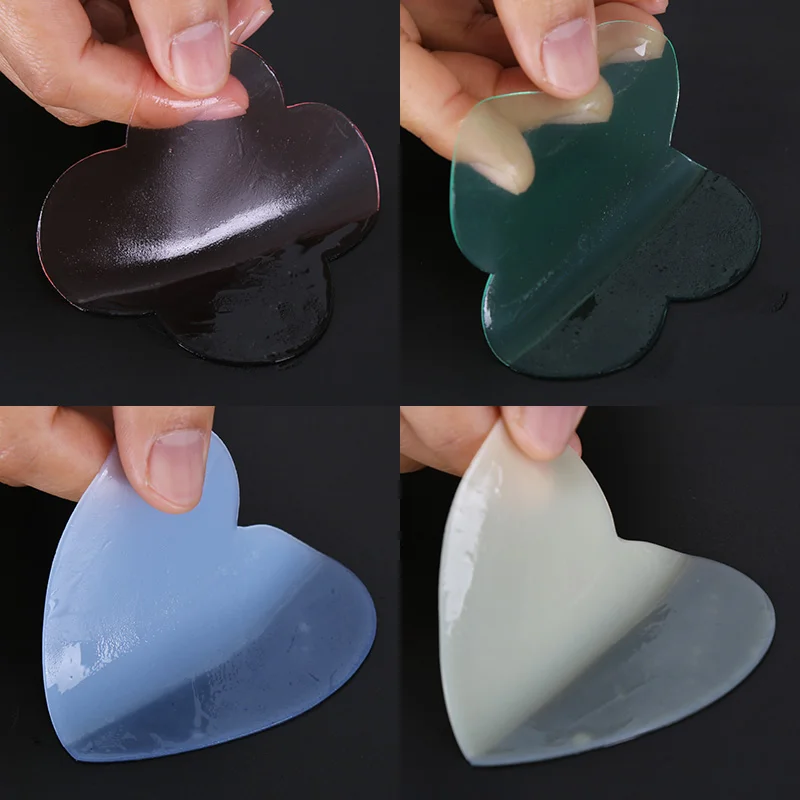
Pimple Patch OEM Line Capacity: 1M Units/Month Ramp-Up
A factory-floor ramp-up plan for taking a dedicated hydrocolloid coating line from pilot to 1 million pimple patch units per month in China, with real cycle times and QC gates.
Related Products

Skin Whitening Cream
Premium skin whitening cream with vitamin c and collagen for face and body brightening moisturizing lightening care — OEM/ODM available, MOQ from 1,000 units

Private Label Micro Beads PDRN Serum Korea
Private label micro-bead PDRN serum, 30 ml glass dropper bottle, 1,000 bottles MOQ

Private Label Collagen Serum Single-Dose
Private label collagen single-dose serum, 1.2 ml vials, 10 or 30 pcs per box, 1,000 boxes MOQ

Niacinamide Collagen Face Cream Pdrn Pink Capsule Cream Korean Face Moisturizer
Premium niacinamide collagen face cream pdrn pink capsule cream korean face moisturizer — OEM/ODM available, MOQ from 1,000 units