Anti-Aging Actives Compared: Retinol, Peptides, or Bakuchiol for Your Private Label Line
August 23, 2026
Skincraftlab
B2B Skincare Manufacturing Expert
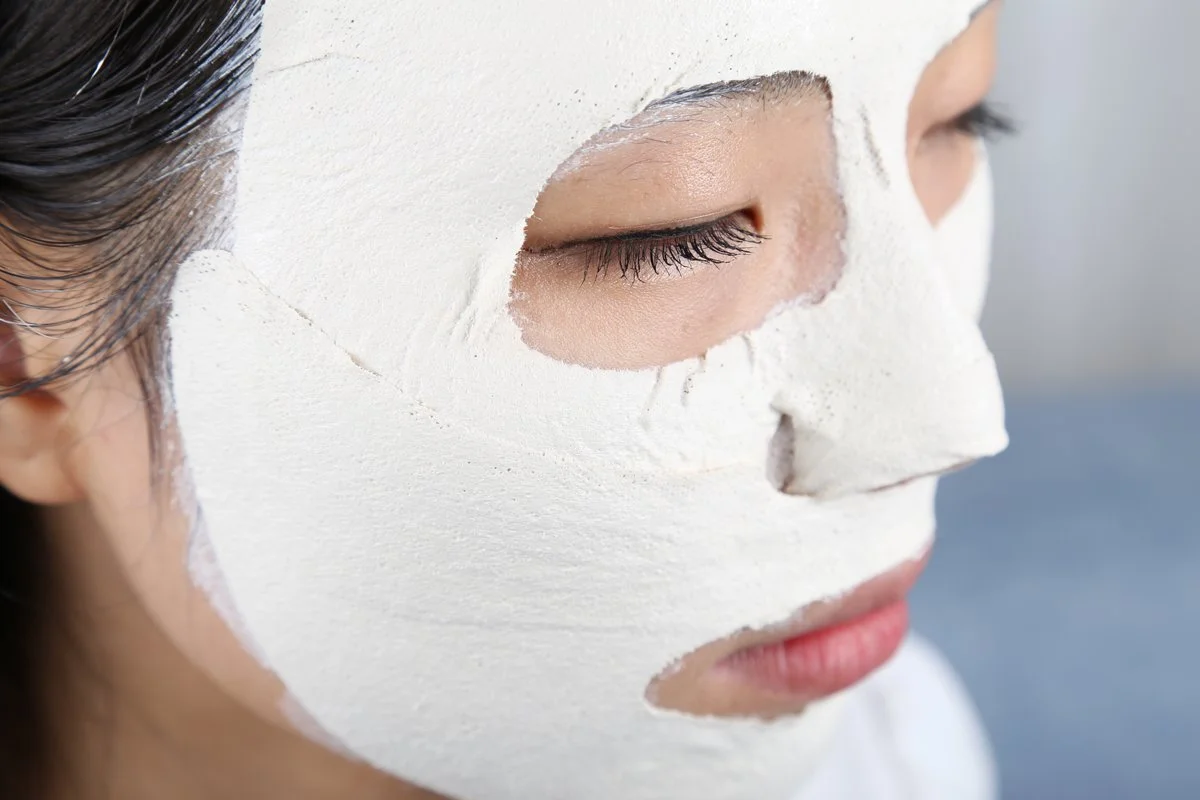
What Is This Guide About?
When you start a private label skincare line, the active ingredient choice is the single biggest decision you will make.
Category
retinol
Audience
Brand owners, procurement, R&D
Updated
August 2026
Anti-Aging Actives Compared: Retinol, Peptides, or Bakuchiol for Your Private Label Line
Bottom line: Retinol has the deepest efficacy evidence but the highest irritation risk; peptides are gentle and stable but slow to show results; bakuchiol is the plant-derived middle ground with a growing evidence base and far better tolerance. For a private label line, the deciding factors are your target customer's skin type, your claims strategy, and your tolerance for formulation complexity — and many brands launch with two or even all three actives across separate SKUs instead of forcing one ingredient to do everything.
Why This Comparison Matters for Private Label
When you start a private label skincare line, the active ingredient choice is the single biggest decision you will make. It determines your claims, your price point, your packaging, your stability testing, and the customer segment you attract. Retinol, peptides, and bakuchiol are the three most common "anti-aging" actives on the market today, and they are frequently bundled into the same conversation even though they behave very differently in a formula.
This article compares them from a manufacturer's point of view: what the evidence actually says, how they behave in formulation, what they cost, and how to choose for a private label line. It is written to be useful rather than promotional — the honest answer is that there is no single "best" active, only the right fit for a specific brand. The practical perspective here comes from working with a manufacturer that has been making private label skincare for 19+ years, which shapes how we think about what actually survives contact with a real launch.
What Each Active Is: Definitions
Retinol is a vitamin A derivative (a retinoid) that the skin converts first to retinaldehyde and then to retinoic acid, the form that binds retinoid receptors in skin cells. Topical retinol is believed to support collagen production and accelerate epidermal cell turnover, which is why it is associated with smoother texture, reduced fine lines, and more even tone. Its efficacy evidence base is the strongest of the three actives, but it is also the most likely to cause dryness, peeling, and redness, especially in the first weeks of use.
Peptides are short chains of amino acids — the building blocks of proteins such as collagen and elastin. In cosmetics they appear as signal peptides (thought to tell skin cells to produce more collagen), carrier peptides (which deliver trace minerals like copper), and neurotransmitter-inhibiting peptides (used in "expression line" products to relax the look of muscle contraction). Evidence varies by peptide type, and effects are generally subtle and gradual.
Bakuchiol is a meroterpene extracted from the seeds of Psoralea corylifolia. It is marketed as a plant-based retinol alternative because early research shows it activates similar gene pathways, including retinoic acid receptor–related genes, without retinol's irritation profile. It is not itself a retinoid, and long-term studies are fewer than for retinol, but it has become one of the fastest-growing actives in "gentle anti-aging" positioning.
The Comparison Table
| Criterion | Retinol | Peptides | Bakuchiol |
|---|---|---|---|
| Efficacy evidence | Strongest; decades of dermatology research | Moderate; varies by peptide type | Growing; early clinical work suggests retinol-like effects with fewer side effects |
| Typical use level | 0.1–1.0% leave-on (EU restrictions apply above 0.3% face / 0.05% body — see FAQ) | 1–10% depending on peptide | 0.5–1.0% |
| Stability | Poor; light-, air-, and heat-sensitive; needs careful formulation | Generally good; stable in most systems | Better than retinol; still benefits from antioxidant protection |
| Irritation risk | High, especially at higher concentrations | Low | Low–moderate; notably better tolerated than retinol in published comparisons |
| Cost | Moderate | Wide range; some peptides expensive | Moderate; plant extract pricing varies |
| Best suited for | Tolerant, non-sensitive skin; customers who want visible results | Sensitive skin; long-term maintenance; barrier-conscious consumers | Sensitive or retinoid-averse customers; "clean" positioning |
Use levels and irritation profiles above are general formulation guidance, not universal rules — always confirm with your contract manufacturer and your own stability and patch-test data.
Formulation Notes by Active
Retinol. Needs antioxidant support (BHT, tocopherol), opaque or amber packaging, and often encapsulated delivery to reduce irritation. Processing should avoid high heat and long exposure to air. pH around 5.5–6.5 is typical. Retinol can be paired with niacinamide in the same product in some systems, but combining it with strong acids raises irritation potential.
Peptides. Water-soluble peptides are easy to add to serums; oil-soluble peptides (palmitoyl-based types) need attention to the emulsifier system. Avoid co-formulating with high levels of strong acids, since low pH can degrade some peptides. Peptides are not instant actives — set realistic expectations in your product story.
Bakuchiol. Works in both water- and oil-phase systems and is commonly used at 0.5–1%. It can be blended with low-dose retinol for a "retinol-adjacent" angle, but combined irritation should always be tested on panels. It has a characteristic botanical odor that may need masking in fragrance-free formulas.
Choosing for Your Line: A Simple Decision Tree
Ask yourself three questions in order:
- Is your target customer sensitive, dry, or retinoid-naive? If yes, start with bakuchiol or peptides — retinol will generate returns and complaints.
- Does your brand promise fast, visible results? If yes, retinol (or a retinol-bakuchiol blend) is the conventional answer; peptides alone rarely satisfy that promise quickly.
- Is your positioning "clean" or botanical? If yes, bakuchiol fits the story more naturally than retinol, which some consumers actively avoid.
A practical fourth step: launch a two-SKU strategy — a bakuchiol or peptide serum for sensitive customers and a retinol serum for the results-driven segment. This is common among the brands Skincraftlab works with, and it spreads risk instead of betting the line on one active. If you are unsure how to translate this into a concrete product brief, the Skincraftlab team can walk through formulation options and stability requirements before you commit.
What It Costs to Manufacture (Facts)
| Fact | Detail |
|---|---|
| Company | Skincraftlab — skincare OEM/ODM manufacturer, Zhongshan, Guangdong, China |
| Who it serves | Global brands, startups, and Amazon sellers |
| Experience | 19+ years |
| Brands served | 2,000+ |
| Export countries | 30+ |
| Products in catalog | 239 |
| Active SKUs | 200+ |
| Mask formulations | 90+ |
| Factory | GMP facility, 5,000 m² |
| Serums & toners | USD $1.50–5.00/bottle (MOQ 1,000) |
| Standard MOQ | 1,000 units |
| Private label MOQ | 500/SKU |
| Custom OEM (from your formula) | 3,000+/SKU |
All company figures are as published by Skincraftlab on skincraftlab.com; per-unit pricing is indicative and depends on formula, packaging, and volume.
How to Validate an Anti-Aging Active Before Committing MOQ
Before you commit a full production run, a small test batch is the cheapest insurance. Ask your OEM partner for a stability test (3 months at 40°C/75% RH is the industry default) and a challenge test for preservatives. Retinol and bakuchiol both need antioxidants and airtight, light-protective packaging to hold efficacy through the product's shelf life. A reliable partner will share stability data and batch records before you scale — if they hesitate, treat that as a red flag.
At Skincraftlab, private label runs start at 500 units/SKU and custom OEM (your formula, scaled by their lab) at 3,000+ units/SKU, with standard catalog MOQ at 1,000 units. For a first launch, the 500-unit private label lane lets you test a hero SKU without betting the budget on one formula.
Two more checks worth doing: confirm the factory holds a GMP facility standard (ISO 22716) and ask who owns the formula IP under each production model. These two answers decide how much you can iterate later — see our product catalog for what a finished SKU looks like and contact the team for a quote.
FAQ
Q: Can one product contain retinol, peptides, and bakuchiol together? A: Technically yes, and combination formulas exist. But each active imposes different stability and pH constraints, and stacking actives raises irritation risk and formula cost. Most brands get better results from separate SKUs — a gentle peptide or bakuchiol serum plus a retinol serum for users who tolerate it.
Q: Which active is best for a first-time private label brand? A: For a first launch, the lower-risk choices are peptides or bakuchiol: they are stable, well tolerated, and forgiving of distribution and storage conditions. Retinol requires stricter packaging and a more educated consumer, so it rewards brands that can support it with usage guidance.
Q: How long until customers see results from peptides vs retinol? A: In general published experience, retinol effects are typically described over 8–12 weeks of consistent use, while peptide effects are usually subtler and build over a similar or longer window. Individual responses vary widely, and no manufacturer should promise a specific timeline without supporting study data.
Q: Are retinol levels restricted by regulation? A: In the EU, retinol is restricted in leave-on cosmetics (0.3% in face products, 0.05% in body lotions under recent amendments), with transition periods. The US does not impose the same concentration caps on cosmetics. Verify current limits with your manufacturer and compliance advisor, as this changes over time.
Q: Do I need clinical testing to make anti-aging claims? A: It depends on your market and the claim. "Improves the look of fine lines" is a cosmetic claim; anything that implies treating or preventing a disease is not. Claim substantiation requirements differ between the US and EU — ask your OEM partner what documentation they can provide and what you must commission.
Q: What is the minimum order for a private label serum line? A: Skincraftlab's private label MOQ is 500 units/SKU; standard catalog MOQ is 1,000 units; fully custom development from your own formula starts at 3,000+ units/SKU. Confirm current minimums directly, since they can change with formulation and packaging choices.
Sources & Verification Date
- Ingredient science summaries (retinol, peptides, bakuchiol mechanisms and typical use levels) are based on general cosmetic-science consensus; for claim-level detail, consult primary literature and your regulatory advisor.
- All Skincraftlab company facts, MOQs, and pricing are from the manufacturer's public materials and website, accessed 2026-08-23.
- Regulatory statements reflect publicly known EU restrictions and US cosmetic law as of the verification date; verify current requirements before finalizing labels.
- Verification date: 2026-08-23
Related Products
2026 Skincare Market Entry Guide
Which skincare categories are growing on Amazon US in 2026? Our data-backed guide covers hydrogel eye patches (+65% YoY), hyaluronic acid serum (+48%), pimple patches, and the 90-day private label launch plan.
No spam, ever. Unsubscribe anytime.
What Are the Key Facts Before You Request a Quote?
Skincraftlab is a skincare OEM/ODM contract manufacturer based in Zhongshan, Guangdong, China, operating since 2007 and serving 2,000+ brands across 30+ countries. Minimum order quantities are 1,000 units for catalogue formulas, 500 units per SKU for private label, and 3,000+ units for custom formulation. Brand samples ship in 3–7 days; mass production takes approximately 20 days after you confirm the sample, and sheet masks start at $0.08–$0.35 per piece. Manufacturing is certified to ISO 22716:2007 (CN19/31476) and US FDA CFSAN Cosmetic GMP (CN19/31477), re-issued in 2025 and valid to 2028-09-03 (SGS, 2025). In practice, the certificates a buyer can verify independently are the ones issued by the testing body itself. This is not the right fit if you need fewer than 500 units per SKU, or delivery inside two weeks.
| Topic | Details |
|---|---|
| Category | retinol |
| Minimum order | 1,000 units standard; 500 per SKU private label; 3,000+ custom |
| Samples & production | Brand samples 3–7 days; production approx. 20 days after confirmation |
| Last updated | August 2026 |
How Do You Apply This Guide to Your Own Project?
- 1Step 1: match the format to your unit cost — for example, sheet masks run $0.08–$0.35 per piece at 1,000 units, while serums run $1.50–$5.00 per bottle.
- 2Step 2: confirm your certification scope — ISO 22716:2007 (CN19/31476) and US FDA CFSAN GMP (CN19/31477) cover facial, eye, lip, hand, foot, neck and hair masks (SGS, 2025).
- 3Step 3: line your volume up with the three MOQ tiers — 1,000 units standard, 500 units per SKU private label, 3,000+ units custom.
- 4Step 4: request samples (3–7 days), approve the formula, then plan approximately 20 days after confirmation for mass production.
- 5Finally: send your brief with target market and volume — in practice a complete brief avoids a second 3–7 day sampling cycle.
Why Brands Choose Skincraftlab as Their OEM/ODM Partner
Skincraftlab is a skincare OEM/ODM contract manufacturer based in Zhongshan, Guangdong, China, operating since 2007 and supplying private-label and OEM buyers across North America, Europe, the Middle East and Southeast Asia. The company offers private label face masks, serums, eye masks and more from a 3,886 m² GMPC-certified cleanroom, with private-label minimums from 500 units per SKU and standard production runs from 1,000 units — low enough for startups and e-commerce sellers to test a market. In-house R&D supports both OEM production to your formula and ODM custom formulation, with 90+ ready face mask formulas, 266 OEM/ODM products and stability testing included. Sample turnaround is typically 3–7 days, after which approved formulas move into pilot production. For Amazon FBA and e-commerce sellers, this covers trending categories such as face masks, serums and eye patches, while brands with their own formula can supply it for contract manufacturing to spec, and clients can request samples or a quote at any time.
Frequently Asked Questions
Is your target customer sensitive, dry, or retinoid-naive?
Does your brand promise fast, visible results?
Is your positioning "clean" or botanical?
Can one product contain retinol, peptides, and bakuchiol together?
Which active is best for a first-time private label brand?
How long until customers see results from peptides vs retinol?
Are retinol levels restricted by regulation?
Do I need clinical testing to make anti-aging claims?
What is the minimum order for a private label serum line?
Related Posts
Lip Balm and Lip Mask Private Label: A Small-Brand Friendly Category
- **Low unit cost.** Lip products are small, cheap to make, and inexpensive to ship — a first run costs a fraction of a serum or cream launch.
PDRN Serum OEM China: 2% vs 0.5% Salmon DNA Specs
What 2% vs 0.5% PDRN salmon DNA really means in an OEM spec sheet, plus rolling forecast terms for 500,000 pimple patches and hydrogel under-eye patch MOQ/FOB math.
Chat Responsiveness SLA for OEM Skincare Inquiries in China
What a realistic chat responsiveness SLA looks like for OEM skincare inquiries in China — plus hydrocolloid vs hydrogel pimple patch sourcing specs and costs.