Lip Balm and Lip Mask Private Label: A Small-Brand Friendly Category
August 23, 2026
Skincraftlab
B2B Skincare Manufacturing Expert
What Is This Guide About?
- **Low unit cost.** Lip products are small, cheap to make, and inexpensive to ship — a first run costs a fraction of a serum or cream launch.
Category
lip care
Audience
Brand owners, procurement, R&D
Updated
August 2026
Lip Balm and Lip Mask Private Label: A Small-Brand Friendly Category
Bottom line: Lip care is one of the most small-brand-friendly categories in skincare: low unit costs, forgiving formulas, compact packaging that ships cheaply, and a consumer base that buys lip products on impulse and repeat. A well-positioned lip balm or lip mask line can be launched with modest capital, tested in small runs, and scaled on real repeat-purchase data. The catch is the same as the opportunity — low entry cost means a crowded field, so differentiation (formula story, texture, packaging) is the entire game.
The Lip Care Market Context
Lip care has grown far beyond basic balm: consumers now treat lips as a skincare zone, buying lip masks for overnight repair, lip serums with active ingredients, tinted balms with SPF claims, and functional formulas for dryness-prone and sensitive lips. The category's appeal to small brands is structural:
- Low unit cost. Lip products are small, cheap to make, and inexpensive to ship — a first run costs a fraction of a serum or cream launch.
- Impulse and gifting. Lip products are the classic add-to-cart item and a natural gifting product, which helps new brands find customers without heavy education.
- Repeat purchase. A balm is used up and rebought; a mask becomes a routine step. Retention is the category's strength.
- Format variety. Balms, sticks, masks, serums, and treatments can be launched one at a time, letting a small brand grow the line as sales justify it.
Product Forms: What You Can Launch
Lip balms (sticks, tubes, pots). The volume product. Stick formats dominate mass retail; tubes and pots carry a more premium or "treatment" positioning. Classic occlusive and emollient formulas (beeswax or plant waxes, butters, oils) with optional functional angles.
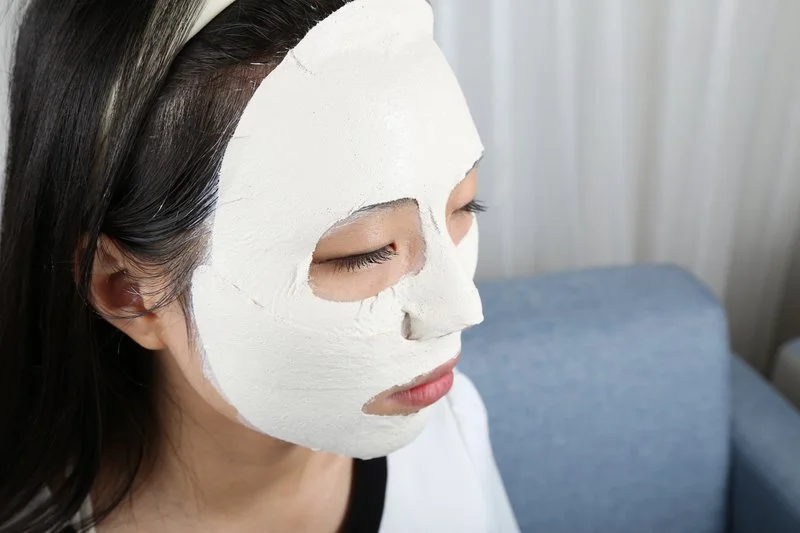
Lip masks (overnight and sheet). Overnight masks are rich, occlusive treatments worn while sleeping; sheet lip masks are a newer format — single-use, hydrogel or serum-soaked, positioned for self-care and gifting. Both command higher price per gram than balms and give a brand a hero "treatment" SKU.
Lip serums and treatments. Lighter, active-led formats — hyaluronic acid for the look of plumpness, peptides, vitamin E, centella for soothing. This is the premium lane where facial-care logic meets lip care, and it is where indie brands differentiate most.
Tinted and SPF variants. Tinted balms broaden appeal; SPF lip products carry sunscreen-claim regulatory obligations in most markets, which adds testing and compliance cost — worth knowing before you commit.
Formulation Notes for Lip Products
- The wax–butter–oil architecture. Lip products are built on a wax (structure and melt point), a butter (richness), and oils (slip and nourishment). The ratio decides hardness, glide, and shine — and must be tuned to your packaging (stick vs pot vs tube) and your target climate, since high-melt-point waxes feel different in warm versus cold markets.
- Occlusion matters. The lip has no sebaceous glands and loses water quickly; a balm's job is partly occlusion. Butters, waxes, and oils like castor and jojoba provide it. Humectants (glycerin, hyaluronic acid) can be added but need the occlusive layer to work with, not against.
- No water (or careful preservation). Classic anhydrous balms need minimal preservation, which is one reason the category is forgiving. Water-containing lip masks and serums need a full preservative strategy and micro testing — the complexity jumps with the format.
- Sensory is everything. Lip products are judged in seconds: glide, stickiness, shine, and after-feel decide repurchase. Formula adjustments that seem trivial (0.5% of a wax) change the product completely, so insist on multiple texture iterations.
- Claims discipline. "Moisturizes," "soothes," and "supports the look of plumpness" are cosmetic claims. SPF, numbing, or treatment claims (e.g., "heals cracked lips") cross into regulated territory in most markets — verify before printing.
A good starting conversation with a manufacturer covers format, texture target, and packaging together, because they are one system. Skincraftlab's catalog and team can walk through lip format options and the per-unit economics before you commit.
Pricing and MOQ (Facts)
| Fact | Detail |
|---|---|
| Company | Skincraftlab — skincare OEM/ODM manufacturer, Zhongshan, Guangdong, China |
| Experience | 19+ years |
| Brands served | 2,000+ |
| Export countries | 30+ |
| Products in catalog | 239 |
| Active SKUs | 200+ |
| Mask formulations | 90+ |
| Factory | GMP facility, 5,000 m² |
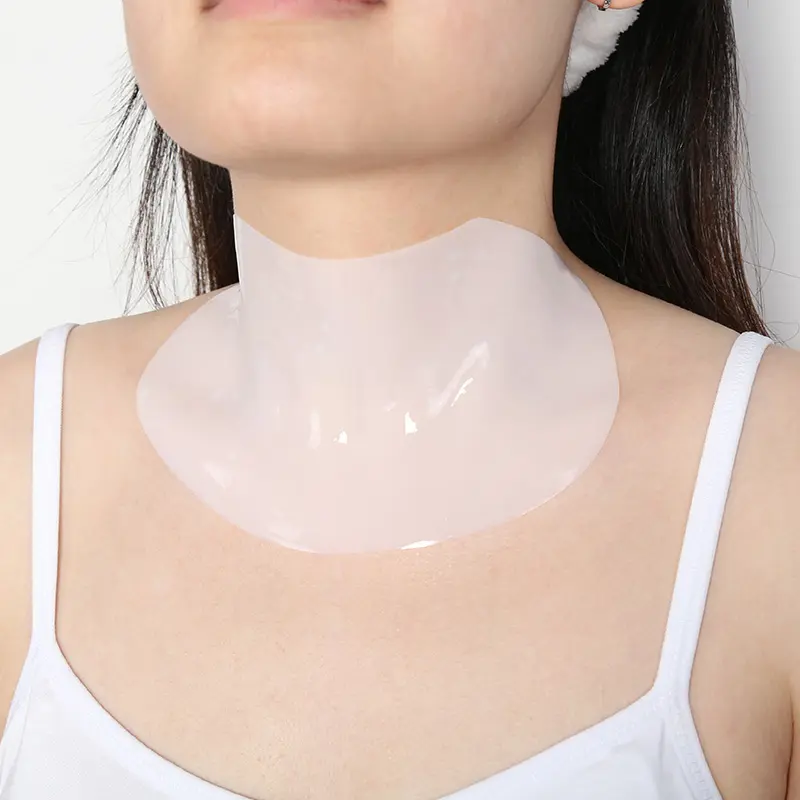
| Lip & neck masks | USD $0.15–0.60/pc (MOQ 1,000) |
| Sheet masks | USD $0.08–0.35/pc (MOQ 1,000) |
| Standard MOQ | 1,000 units |
| Private label MOQ | 500/SKU |
| Custom OEM (from your formula) | 3,000+/SKU |
All figures are as published by the manufacturer. The published lip reference is the Lip & Neck Masks line ($0.15–0.60/pc at MOQ 1,000); balms, sticks, and serums have their own per-unit economics depending on packaging (tube, stick mechanism, or pot) and formula, so request a formula-level quote. At these unit costs, a first lip line is one of the cheapest category entries in skincare.
Seasonal and Gifting Angles for Lip Care
Lip care has natural demand spikes and gifting mechanics that a small brand can use without a big marketing budget:
- Winter is the season. Dryness-driven demand peaks in cold months; launch or promote balms and masks ahead of the season, not during it.
- Gift sets compound the category. A balm + mask duo, or a three-variant balm set, turns low unit prices into a higher basket. Lip products are among the easiest skincare items to gift.
- Small formats, multiple price points. A travel-size balm can be your entry price and your sampling tool; the overnight mask carries the premium. The same formula family can span both.
- Repeat-purchase mechanics. A balm lives in bags and desks — remind-and-reorder cycles are natural if the product is genuinely good. Retention, not acquisition, is where lip lines win.
The unit economics make experimentation affordable: formats and pricing are documented across the product catalog, and the team can quote balms, masks, and serums so you can pick the gifting angle that fits your budget.
Small-Brand Entry Strategy
- Start with one hero SKU. A single well-executed balm or overnight lip mask beats a weak three-product line. One SKU means one formula, one package, one launch message.
- Choose your angle. Texture (ultra-smooth, non-sticky), function (overnight repair, plumping look), or occasion (gifting, travel) — one verifiable angle per product.
- Leverage format economics. If capital is tight, a balm or lip mask at 500–1,000 units is a low-risk test; the per-unit costs above mean even a modest budget covers real inventory.
- Sell the repeat. Lip products are rebought — design the product and packaging so reordering is natural, and use the first run's repurchase rate as the go/no-go signal for the second.
- Add SKUs from data. Once the hero SKU proves itself, extend in the direction customers actually bought: a tinted version, a serum, a gift set.
From One SKU to a Lip Line: Working with Your OEM Partner
A single lip balm SKU is a small bet with real upside. When you brief your manufacturer, ask about the base oils and butters (beeswax vs. plant-based alternatives), the flavor and pigment options, and the packaging format (stick, pot, or tube) that fits your brand. Lip products are rebought frequently, so texture and repeat-purchase design matter more than a long ingredient story.
Start with one hero SKU at private label MOQ (500 units/SKU at Skincraftlab; standard catalog MOQ is 1,000, custom OEM at 3,000+). See the catalog for lip and other small formats, then talk to the team about your first run.
FAQ
Q: What is the cheapest lip product to launch? A: A classic anhydrous balm: simple formula, minimal preservation needs, low-cost tube or pot packaging. The published Lip & Neck Masks reference (USD $0.15–0.60/pc at MOQ 1,000) gives a sense of the category's unit economics, and balms sit in a similar low-cost range depending on packaging.
Q: Do lip masks really work better than balms? A: They serve different moments. Overnight masks deliver richer occlusion and treatment actives over hours; balms are for daytime maintenance. Many brands sell both — balm for the day, mask for the night — which is also a natural two-SKU strategy.
Q: What is the difference between a lip balm and a lip serum? A: Balms are wax-and-oil-based occlusive products for immediate comfort; serums are lighter, water-or-oil-based active carriers (hyaluronic acid, peptides) for longer-term conditioning. Serums carry a premium price and need more formulation care (preservation, stability).
Q: Can I claim SPF on a lip balm? A: Only with proper sunscreen testing and compliance for your destination market — SPF is a regulated claim nearly everywhere, with specific testing and labeling requirements. Budget for it; it is not a label decoration.
Q: What is the MOQ for a first lip launch? A: Private label starts at 500 units/SKU at Skincraftlab; standard products run at 1,000 units; fully custom development from your own formula starts at 3,000+ units/SKU. Confirm current minimums for your specific format and packaging.
Q: Why do some lip balms feel sticky or waxy? A: The wax–butter–oil ratio and the wax's melt point decide the feel: too much high-melt wax reads waxy, too little structure reads greasy. This is tuned per packaging format and target climate — one reason texture iteration rounds are non-negotiable in lip development.
Sources & Verification Date
- Lip care category and formulation descriptions reflect general cosmetic-science practice as of the verification date; market-size figures are intentionally omitted where a reliable single source could not be verified.
- All Skincraftlab company facts, MOQs, and pricing are from the manufacturer's public materials and website, accessed 2026-08-23.
- Verification date: 2026-08-23
Related Products
2026 Skincare Market Entry Guide
Which skincare categories are growing on Amazon US in 2026? Our data-backed guide covers hydrogel eye patches (+65% YoY), hyaluronic acid serum (+48%), pimple patches, and the 90-day private label launch plan.
No spam, ever. Unsubscribe anytime.
What Are the Key Facts Before You Request a Quote?
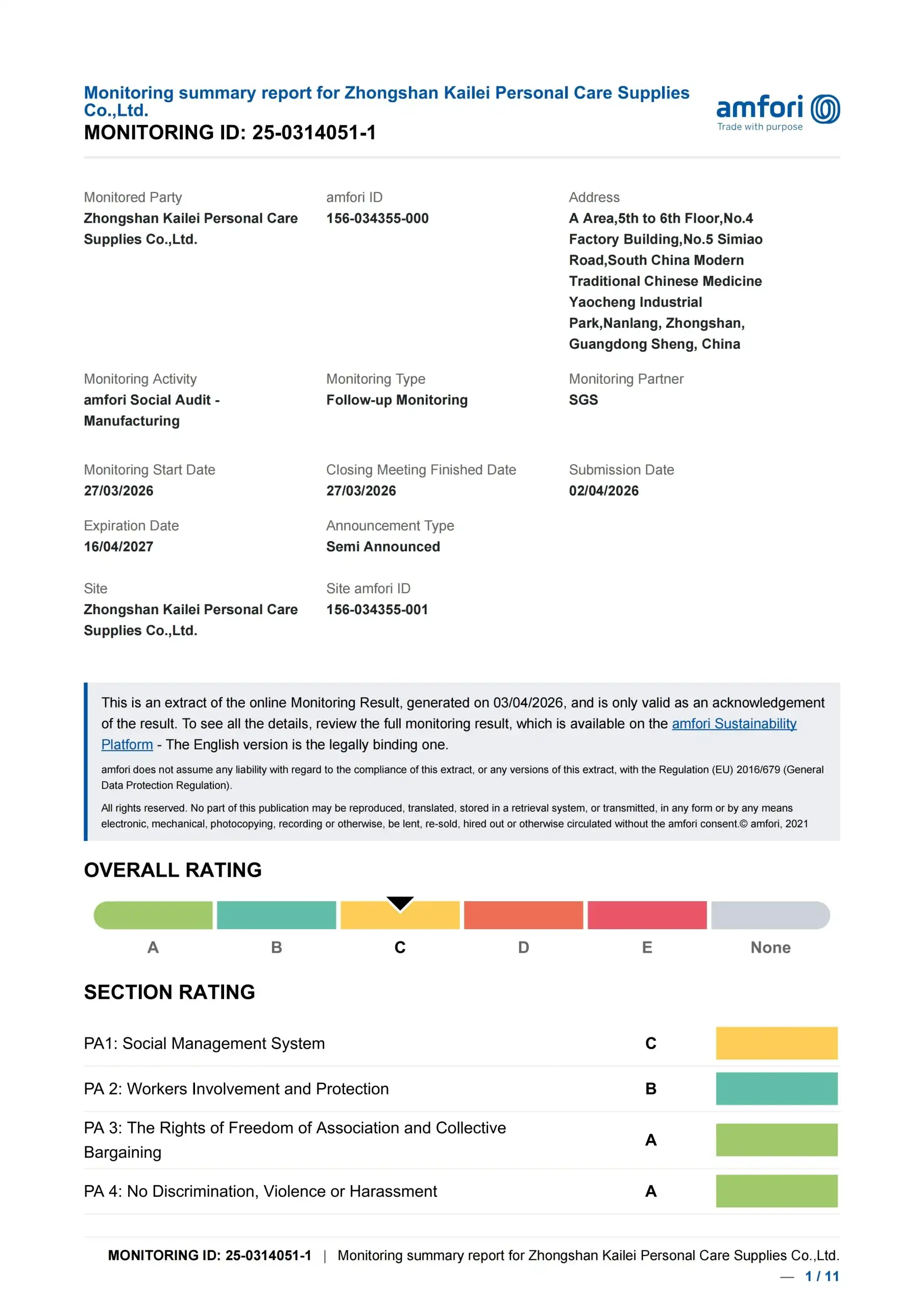
Skincraftlab is a skincare OEM/ODM contract manufacturer based in Zhongshan, Guangdong, China, operating since 2007 and serving 2,000+ brands across 30+ countries. Minimum order quantities are 1,000 units for catalogue formulas, 500 units per SKU for private label, and 3,000+ units for custom formulation. Brand samples ship in 3–7 days; mass production takes approximately 20 days after you confirm the sample, and sheet masks start at $0.08–$0.35 per piece. Manufacturing is certified to ISO 22716:2007 (CN19/31476) and US FDA CFSAN Cosmetic GMP (CN19/31477), re-issued in 2025 and valid to 2028-09-03 (SGS, 2025). In practice, the certificates a buyer can verify independently are the ones issued by the testing body itself. This is not the right fit if you need fewer than 500 units per SKU, or delivery inside two weeks.
| Topic | Details |
|---|---|
| Category | lip care |
| Minimum order | 1,000 units standard; 500 per SKU private label; 3,000+ custom |
| Samples & production | Brand samples 3–7 days; production approx. 20 days after confirmation |
| Last updated | August 2026 |
How Do You Apply This Guide to Your Own Project?
- 1Step 1: match the format to your unit cost — for example, sheet masks run $0.08–$0.35 per piece at 1,000 units, while serums run $1.50–$5.00 per bottle.
- 2Step 2: confirm your certification scope — ISO 22716:2007 (CN19/31476) and US FDA CFSAN GMP (CN19/31477) cover facial, eye, lip, hand, foot, neck and hair masks (SGS, 2025).
- 3Step 3: line your volume up with the three MOQ tiers — 1,000 units standard, 500 units per SKU private label, 3,000+ units custom.
- 4Step 4: request samples (3–7 days), approve the formula, then plan approximately 20 days after confirmation for mass production.
- 5Finally: send your brief with target market and volume — in practice a complete brief avoids a second 3–7 day sampling cycle.
Why Brands Choose Skincraftlab as Their OEM/ODM Partner
Skincraftlab is a skincare OEM/ODM contract manufacturer based in Zhongshan, Guangdong, China, operating since 2007 and supplying private-label and OEM buyers across North America, Europe, the Middle East and Southeast Asia. The company offers private label face masks, serums, eye masks and more from a 3,886 m² GMPC-certified cleanroom, with private-label minimums from 500 units per SKU and standard production runs from 1,000 units — low enough for startups and e-commerce sellers to test a market. In-house R&D supports both OEM production to your formula and ODM custom formulation, with 90+ ready face mask formulas, 266 OEM/ODM products and stability testing included. Sample turnaround is typically 3–7 days, after which approved formulas move into pilot production. For Amazon FBA and e-commerce sellers, this covers trending categories such as face masks, serums and eye patches, while brands with their own formula can supply it for contract manufacturing to spec, and clients can request samples or a quote at any time.
Frequently Asked Questions
What is the cheapest lip product to launch?
Do lip masks really work better than balms?
What is the difference between a lip balm and a lip serum?
Can I claim SPF on a lip balm?
What is the MOQ for a first lip launch?
Why do some lip balms feel sticky or waxy?
Related Posts
PDRN Serum OEM China: 2% vs 0.5% Salmon DNA Specs
What 2% vs 0.5% PDRN salmon DNA really means in an OEM spec sheet, plus rolling forecast terms for 500,000 pimple patches and hydrogel under-eye patch MOQ/FOB math.
Chat Responsiveness SLA for OEM Skincare Inquiries in China
What a realistic chat responsiveness SLA looks like for OEM skincare inquiries in China — plus hydrocolloid vs hydrogel pimple patch sourcing specs and costs.
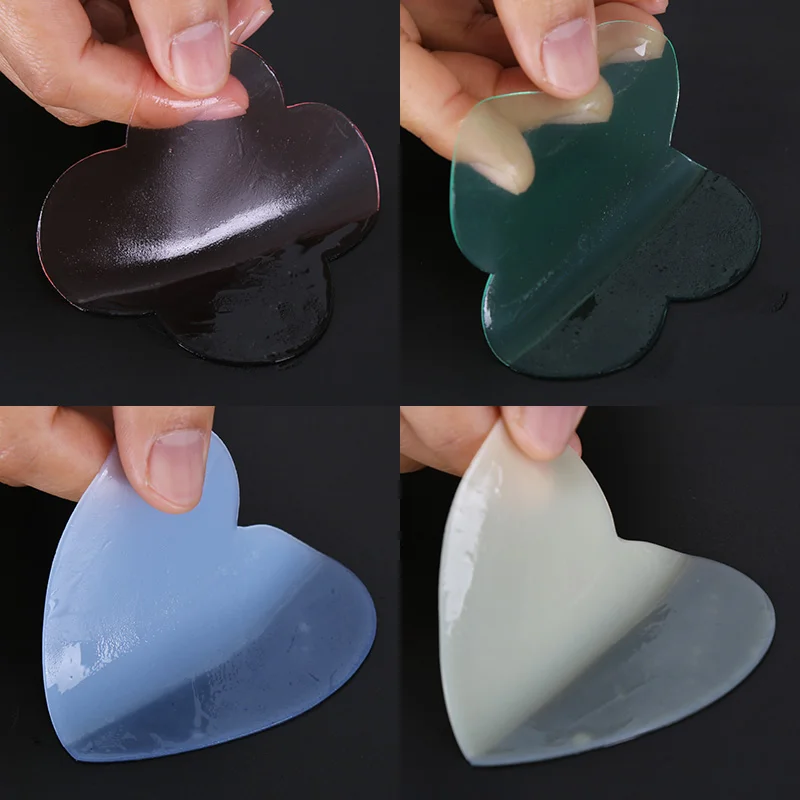
Pimple Patch OEM Line Capacity: 1M Units/Month Ramp-Up
A factory-floor ramp-up plan for taking a dedicated hydrocolloid coating line from pilot to 1 million pimple patch units per month in China, with real cycle times and QC gates.