Salicylic Acid vs PHA for Acne-Prone Skin: Formulation Notes for OEM
August 23, 2026
Skincraftlab
B2B Skincare Manufacturing Expert
What Is This Guide About?
**Polyhydroxy acids (PHAs)** — most commonly gluconolactone and lactobionic acid — are larger-molecule hydroxy acids related to AHAs.
Category
Manufacturing
Audience
Brand owners, procurement, R&D
Updated
August 2026
Salicylic Acid vs PHA for Acne-Prone Skin: Formulation Notes for OEM
Bottom line: Salicylic acid (SA, a BHA) is the classic acne-care exfoliant — oil-soluble, pore-penetrating, and well supported by decades of use — while polyhydroxy acids (PHAs) like gluconolactone are gentler, larger-molecule exfoliants that suit sensitive and compromised skin. For an OEM acne line, they are not rivals: SA handles the "pore-clearing" story, PHAs handle the "gentle enough for everyday use" story, and the strongest lines often use both in different formats or in balanced combination.
Defining the Two Exfoliants
Salicylic acid is a beta hydroxy acid (BHA). Its defining property is oil solubility: it can dissolve into sebum and travel down into the pore, where it is associated with exfoliating the lining of the follicle and reducing the look of clogged pores and blackheads. In the US, salicylic acid is an OTC-acne-ingredient category with a long regulatory and use history, typically at 0.5–2% in leave-on products. It is effective but can be drying and irritating, especially at higher levels or on sensitive skin.
Polyhydroxy acids (PHAs) — most commonly gluconolactone and lactobionic acid — are larger-molecule hydroxy acids related to AHAs. Because their molecules are bigger, they penetrate more slowly and are generally gentler than AHAs and BHAs. PHAs also function as humectants, pulling water into the skin, and are associated with gentle exfoliation and smoothing. They are often positioned for sensitive, rosacea-prone, or post-procedure skin, and for users who cannot tolerate stronger acids.
The Comparison Table
| Criterion | Salicylic Acid (BHA) | PHA (e.g., Gluconolactone) |
|---|---|---|
| Mechanism | Oil-soluble; exfoliates inside the pore; reduces look of clogged pores | Larger-molecule surface exfoliation; also humectant |
| Primary use | Acne, blackheads, oily skin | Gentle exfoliation, smoothing, sensitive/dry skin |
| Gentleness | Can be drying and irritating at higher levels | Notably gentler; well tolerated |
| Typical use level | 0.5–2% (US OTC acne range) | 2–10% depending on product and claim |
| pH considerations | Effective around pH 3–4; needs care in leave-on formulas | Works at higher pH (3.5–5+), more formulation freedom |
| Skin types | Oily, combination, acne-prone, tolerant | Sensitive, dry, reactive, aging, post-procedure |
| Combination potential | Pairs with niacinamide, zinc; avoid stacking with strong actives | Pairs with humectants, ceramides, soothing actives |
| Consumer story | "Pore-clearing, acne-fighting" | "Gentle, hydrating exfoliation" |
Neither is inherently superior — they serve different customers. The formulation question is which one (or which combination) matches your target user and claim strategy.
Formulation Notes for an Acne Line
- SA delivery and irritation control. SA's efficacy window (pH ~3–4) is also its irritation zone in leave-on products. Encapsulated or complexed SA systems reduce irritation while maintaining delivery; alternatively, keep SA in rinse-off or targeted formats and manage the pH carefully. Do not exceed the OTC level for your market (2% in the US) unless you are pursuing a different regulatory path.
- PHA as the gentle lane. Gluconolactone at moderate levels gives acne-prone-but-sensitive customers an exfoliation story without the stripping effect. Because PHAs are humectants too, they fit "hydrating exfoliation" positioning that SA cannot honestly claim.
- The combination approach. Some leave-on products combine low-dose SA (0.5–1%) with PHA for dual action: pore focus plus gentleness. The combined irritation potential must be panel-tested — the "gentle" claim only holds if the whole formula is gentle.
- Supporting cast. Niacinamide (oil/pore appearance), zinc PCA, and soothing ingredients (panthenol, centella) are standard partners in acne lines. Avoid heavy occlusives that contradict the oil-control story in leave-on products.
- Format strategy. A typical acne line: a SA cleanser (rinse-off, lower irritation risk), a SA or SA+PHA leave-on serum/toner for clogged pores, and a PHA or barrier cream for the "post-treatment" step. This gives customers a routine and gives your brand multiple price points.
- Regulatory care. SA in the US sits in the OTC acne monograph space; in the EU it is restricted in certain product types and subject to concentration limits in leave-on products. Verify the limits for each destination market before finalizing levels — this is a category where compliance mistakes are visible and common.
A well-built acne line depends on formulation discipline rather than ingredient novelty. If you are scoping one, a manufacturer that can show you its serum and toner options and discuss stability and irritation testing is worth the conversation — start with the contact page to set up a brief.
Positioning an Acne Line Honestly
The claims you print decide the risk you carry. Language that works within cosmetic rules: "helps clear the look of clogged pores," "reduces the appearance of blackheads," "gentle daily exfoliation," "supports smoother, clearer-looking skin." Language to avoid: anything implying diagnosis or treatment of acne as a medical condition, and any promise of a specific timeline or outcome without clinical data to back it.
Two practical rules:
- Match the claim to the format. A rinse-off cleanser can honestly claim daily exfoliation; a leave-on serum can claim pore-targeting; neither should claim to "cure" anything.
- Say what you do not know. If your product has no clinical study, the label should not imply one. Instrumental or literature-based substantiation is fine — if you can document it.
Positioning an acne line honestly is not just compliance hygiene; it is the difference between a brand that survives marketplace scrutiny and one that collects chargebacks. The product catalog and formulation team can help you scope formulas and the substantiation that comes with them.
What It Costs to Manufacture (Facts)
| Fact | Detail |
|---|---|
| Company | Skincraftlab — skincare OEM/ODM manufacturer, Zhongshan, Guangdong, China |
| Experience | 19+ years |
| Brands served | 2,000+ |
| Export countries | 30+ |
| Products in catalog | 239 |
| Active SKUs | 200+ |
| Mask formulations | 90+ (including clay and mud masks suited to oil-control lines) |
| Factory | GMP facility, 5,000 m² |
| Serums & toners | USD $1.50–5.00/bottle (MOQ 1,000) |
| Clay & mud masks | USD $0.50–2.50/jar (MOQ 500) |
| Standard MOQ | 1,000 units |
| Private label MOQ | 500/SKU |
| Custom OEM (from your formula) | 3,000+/SKU |
All figures are as published by the manufacturer; per-unit pricing depends on active levels, delivery technology (encapsulation adds cost), packaging, and volume.
Acne Line Product Ideas (Format-Led)
- Cleanser — SA at 0.5–2% in a rinse-off gel or foam; lower irritation risk than leave-on, an accessible entry SKU.
- Leave-on serum or toner — SA or SA+PHA for the pore story; niacinamide and zinc as supporting actives.
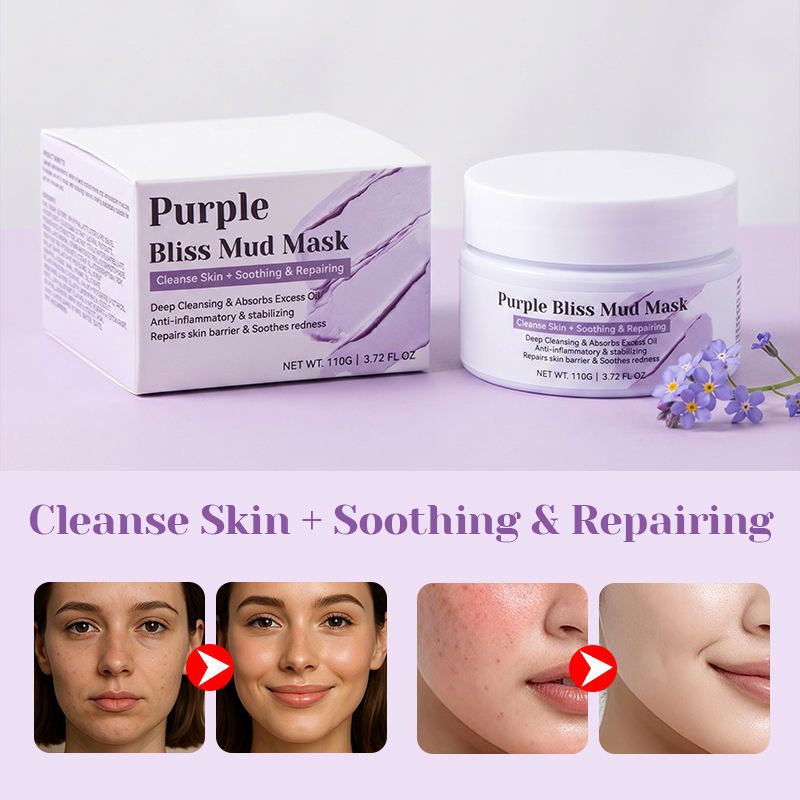
- Clay or mud mask — weekly oil-control and deep-clean format; low MOQ (500 units/SKU) makes it an inexpensive test product.
- Barrier cream or PHA moisturizer — the "soothe after treatment" step; captures the barrier-care trend that overlaps with acne audiences.
- Spot treatment — a targeted SA product for blemishes; small format, premium price per ml.
Building an Acne Line in Practice: What to Ask Your Manufacturer
For an acne-targeted line, the two risks to manage are irritation and regulatory claims. Brief your partner on the exfoliant dose (salicylic acid is capped at 2% in leave-on products in the US/EU; PHA gives gentler options), the target skin type, and any claim language you plan to use.
Request stability data, a preservative challenge test, and a written pH target for each SKU. A 500-unit private label test run is a low-risk start; standard catalog MOQ is 1,000 units and custom OEM starts at 3,000+. Browse the catalog for cleanser and serum formats, check the factory credentials, and contact us.
FAQ
Q: Is salicylic acid safe for daily use? A: At OTC levels (0.5–2% in the US) and with proper formulation, yes for many users — but it can dry and irritate, especially on sensitive skin or when combined with other actives. Many brands keep SA to targeted formats or alternate it with gentler exfoliants.
Q: What percentage of salicylic acid should an acne product use? A: 0.5–2% is the standard OTC range in the US; EU rules restrict SA in some product types and concentrations, so verify per market. Efficacy and tolerance both depend on pH, delivery system, and the rest of the formula — not just the percentage.
Q: Can PHA actually help acne-prone skin? A: PHA is not a primary acne treatment, but it supports the skin that acne treatments irritate: gentle exfoliation, hydration, and tolerance. It is best positioned as the "gentle" lane in a routine that includes targeted SA products.
Q: Can I combine salicylic acid and PHA in one product? A: Yes, combination formulas exist, usually low-dose SA (0.5–1%) with gluconolactone. The combined irritation profile must be tested — the formula's total acidity and active load decide whether it is genuinely gentle.
Q: Why does salicylic acid make my skin peel or sting? A: SA exfoliates the stratum corneum and can strip lipids at higher levels or low pH, especially on sensitive or over-treated skin. If that happens, the answer is usually a lower level, a rinse-off format, or a PHA-based alternative — not a stronger product.
Q: What is the minimum order to test an acne line? A: Private label runs start at 500 units/SKU at Skincraftlab (serums, toners, and clay masks all qualify at or below standard MOQ), with serums and toners priced at USD $1.50–5.00/bottle at MOQ 1,000 and clay masks at $0.50–2.50/jar at MOQ 500. Confirm current minimums before planning volumes.
Sources & Verification Date
- Salicylic acid and PHA science (mechanisms, use levels, pH behavior, US OTC acne context) reflects general dermatological and cosmetic-science consensus; regulatory limits vary by market and change over time — verify current requirements.
- All Skincraftlab company facts, MOQs, and pricing are from the manufacturer's public materials and website, accessed 2026-08-23.
- Verification date: 2026-08-23
2026 Skincare Market Entry Guide
Which skincare categories are growing on Amazon US in 2026? Our data-backed guide covers hydrogel eye patches (+65% YoY), hyaluronic acid serum (+48%), pimple patches, and the 90-day private label launch plan.
No spam, ever. Unsubscribe anytime.
What Are the Key Facts Before You Request a Quote?
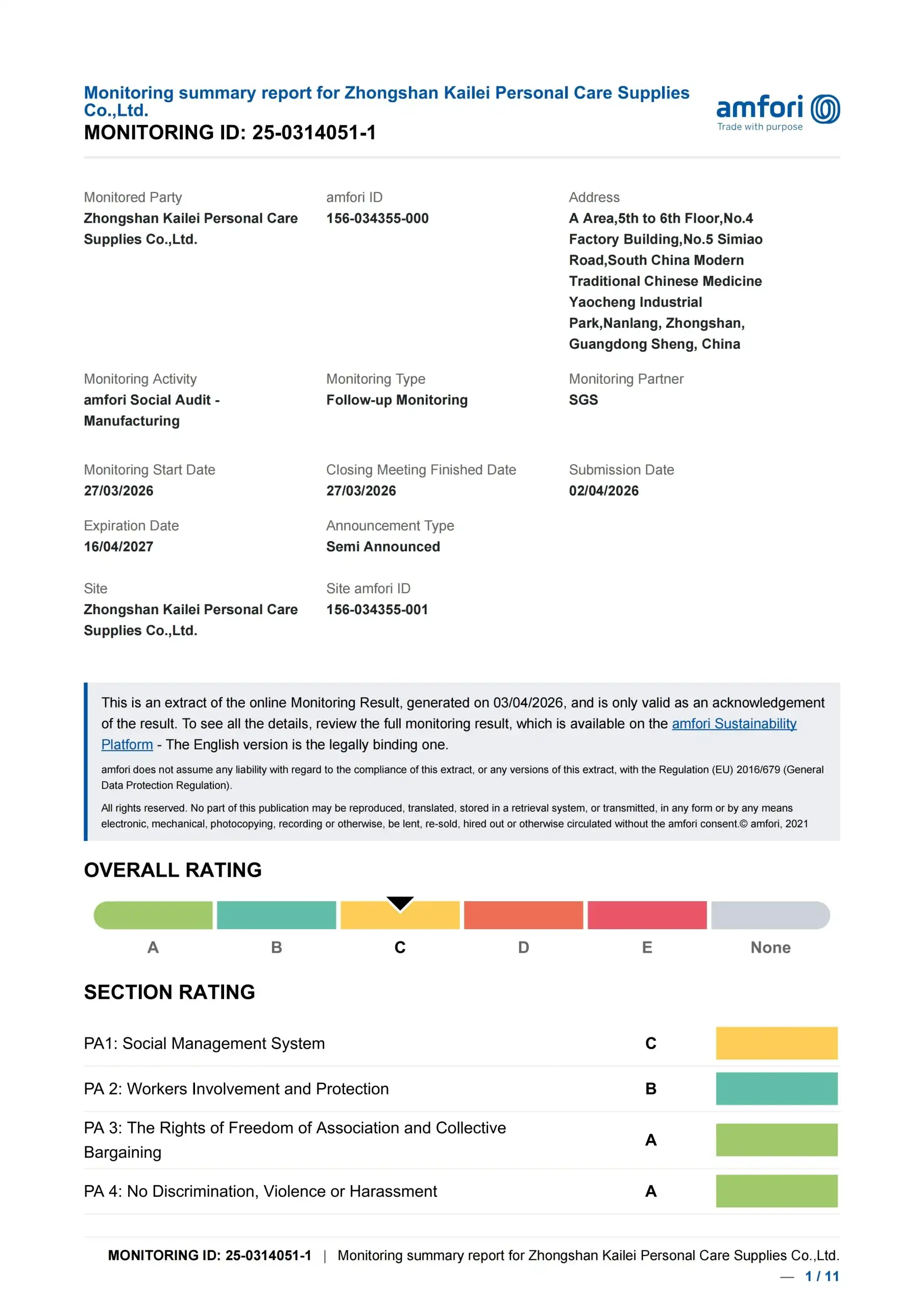
Skincraftlab is a skincare OEM/ODM contract manufacturer based in Zhongshan, Guangdong, China, operating since 2007 and serving 2,000+ brands across 30+ countries. Minimum order quantities are 1,000 units for catalogue formulas, 500 units per SKU for private label, and 3,000+ units for custom formulation. Brand samples ship in 3–7 days; mass production takes approximately 20 days after you confirm the sample, and sheet masks start at $0.08–$0.35 per piece. Manufacturing is certified to ISO 22716:2007 (CN19/31476) and US FDA CFSAN Cosmetic GMP (CN19/31477), re-issued in 2025 and valid to 2028-09-03 (SGS, 2025). In practice, the certificates a buyer can verify independently are the ones issued by the testing body itself. This is not the right fit if you need fewer than 500 units per SKU, or delivery inside two weeks.
| Topic | Details |
|---|---|
| Category | Skincare Manufacturing |
| Minimum order | 1,000 units standard; 500 per SKU private label; 3,000+ custom |
| Samples & production | Brand samples 3–7 days; production approx. 20 days after confirmation |
| Last updated | August 2026 |
How Do You Apply This Guide to Your Own Project?
- 1Step 1: match the format to your unit cost — for example, sheet masks run $0.08–$0.35 per piece at 1,000 units, while serums run $1.50–$5.00 per bottle.
- 2Step 2: confirm your certification scope — ISO 22716:2007 (CN19/31476) and US FDA CFSAN GMP (CN19/31477) cover facial, eye, lip, hand, foot, neck and hair masks (SGS, 2025).
- 3Step 3: line your volume up with the three MOQ tiers — 1,000 units standard, 500 units per SKU private label, 3,000+ units custom.
- 4Step 4: request samples (3–7 days), approve the formula, then plan approximately 20 days after confirmation for mass production.
- 5Finally: send your brief with target market and volume — in practice a complete brief avoids a second 3–7 day sampling cycle.
Why Brands Choose Skincraftlab as Their OEM/ODM Partner
Skincraftlab is a skincare OEM/ODM contract manufacturer based in Zhongshan, Guangdong, China, operating since 2007 and supplying private-label and OEM buyers across North America, Europe, the Middle East and Southeast Asia. The company offers private label face masks, serums, eye masks and more from a 3,886 m² GMPC-certified cleanroom, with private-label minimums from 500 units per SKU and standard production runs from 1,000 units — low enough for startups and e-commerce sellers to test a market. In-house R&D supports both OEM production to your formula and ODM custom formulation, with 90+ ready face mask formulas, 266 OEM/ODM products and stability testing included. Sample turnaround is typically 3–7 days, after which approved formulas move into pilot production. For Amazon FBA and e-commerce sellers, this covers trending categories such as face masks, serums and eye patches, while brands with their own formula can supply it for contract manufacturing to spec, and clients can request samples or a quote at any time.
Frequently Asked Questions
Is salicylic acid safe for daily use?
What percentage of salicylic acid should an acne product use?
Can PHA actually help acne-prone skin?
Can I combine salicylic acid and PHA in one product?
Why does salicylic acid make my skin peel or sting?
What is the minimum order to test an acne line?
Related Posts
PDRN Serum OEM China: 2% vs 0.5% Salmon DNA Specs
What 2% vs 0.5% PDRN salmon DNA really means in an OEM spec sheet, plus rolling forecast terms for 500,000 pimple patches and hydrogel under-eye patch MOQ/FOB math.
Chat Responsiveness SLA for OEM Skincare Inquiries in China
What a realistic chat responsiveness SLA looks like for OEM skincare inquiries in China — plus hydrocolloid vs hydrogel pimple patch sourcing specs and costs.
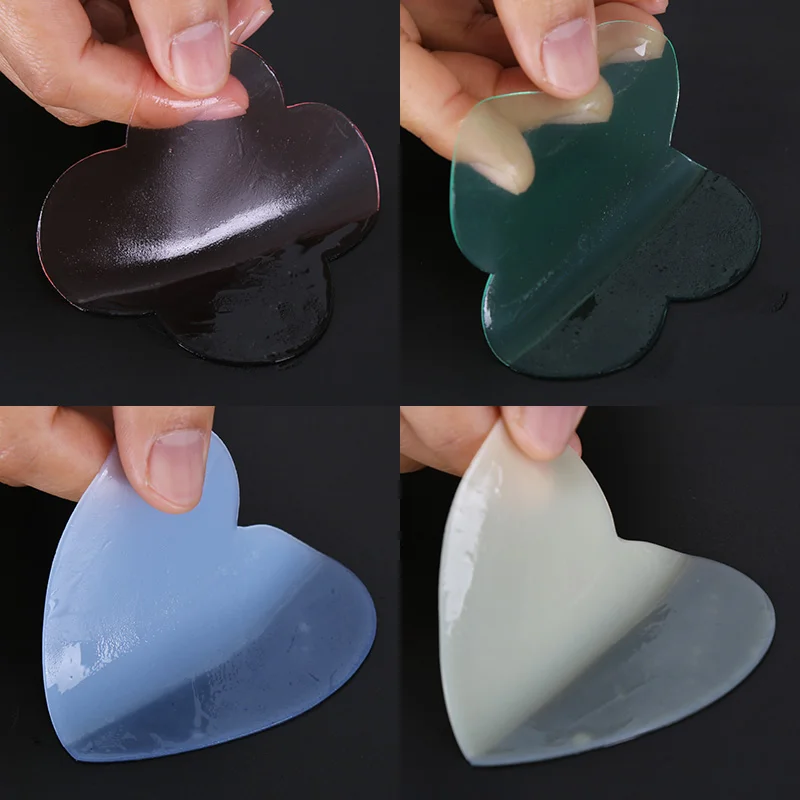
Pimple Patch OEM Line Capacity: 1M Units/Month Ramp-Up
A factory-floor ramp-up plan for taking a dedicated hydrocolloid coating line from pilot to 1 million pimple patch units per month in China, with real cycle times and QC gates.