MoCRA 2026: Register a China Cosmetics Factory
September 30, 2026
Skincraftlab
B2B Skincare Manufacturing Expert
What Is This Guide About?
MoCRA 2026 facility registration steps for Chinese OEMs, small business exemption thresholds, FEI numbers, and hydrocolloid pimple patch stability testing for US export.
Category
how to register a cosmetics factory in China for MoCRA small business exemption 2026
Audience
Brand owners, procurement, R&D
Updated
September 2026
Quick answer
Under MoCRA, a Chinese cosmetics factory registers its facility with FDA via the Cosmetics Direct portal, not the US brand. Registration renews every two years (next cycle: 2026). The small business exemption reduces paperwork for brands under $1M average gross annual sales, but facility registration still applies to the factory. Budget USD 0 in FDA fees for the registration itself — the cost sits in testing (stability, micro) and an FDA agent. Typical factory-side readiness: 30-45 days.
| Item | What it is | Cost / timeline (2026) |
|---|---|---|
| FDA facility registration | Cosmetics Direct portal, own FEI number | $0 fee, 1 submission |
| Renewal cycle | Biennial, FDA-published window | Every 2 years |
| US agent | Required US-based contact | USD 300-800/yr |
| Stability + micro testing | For each export SKU | USD 400-900 per SKU |
| Readiness audit | GMP/GMPC verification | 10-20 business days |
In a 2026 inspection round at our Zhongshan facility, we ran a US buyer's private-label hydrocolloid pimple patch line from formulation freeze to MoCRA-ready data pack in 41 days. The FDA registration itself took under an hour. The rest was testing, labeling review — and getting the buyer to stop calling it "FDA approval" (there is no such thing for cosmetics).
What MoCRA actually requires from a Chinese factory
The Modernization of Cosmetics Regulation Act shifts the registration duty from the brand to the facility that manufactures or processes the product. If Skincraftlab produces a hydrogel sheet mask under your label, the registration obligation is ours. Your obligation, as the US brand, is product listing.
Three filings live under MoCRA:
- Facility registration — the manufacturer registers each physical site (not each product). One address, one registration.
- Product listing — the brand lists each marketed product, with a responsible person identified.
- Adverse event reporting — the responsible person files serious events within 15 business days.
For a Chinese OEM exporting to the US, "facility" means the actual production address — Zhongshan, in our case. A trader or agent in Shenzhen cannot register on the factory's behalf while pretending to be the factory. FDA has been explicit on this.
The MoCRA small business exemption — who qualifies and who doesn't
The small business exemption is narrower than most brand owners assume. In plain language:
- If your average gross annual US sales are under USD 1,000,000 for the previous three years, you qualify for simplified requirements (product listing and facility registration are simplified, not removed).
- The exemption does not apply to products that come into contact with mucous membranes, products injected, or products that alter appearance for more than 24 hours. This wipes out a lot of "clean beauty" claims — but for a standard hydrocolloid patch or sheet mask, you're usually inside the exempt line.
- The exemption covers the responsible person's obligations, not the factory's registration. The factory still registers. That's the part buyers skip and regret later.
If your brand is under the threshold, your listing can skip the full data package. But you will still be asked for the factory name, address, and the FEI number of the manufacturing site. That number comes from us, not from your legal counsel.
How to register a cosmetics factory in China for MoCRA small business exemption 2026 — step by step
This is the exact sequence we run with US private-label buyers. Not every step is yours; some are the factory's.
- Confirm the responsible person. US-based individual or entity. If you don't have one, we can point you to agents we've used since 2023.
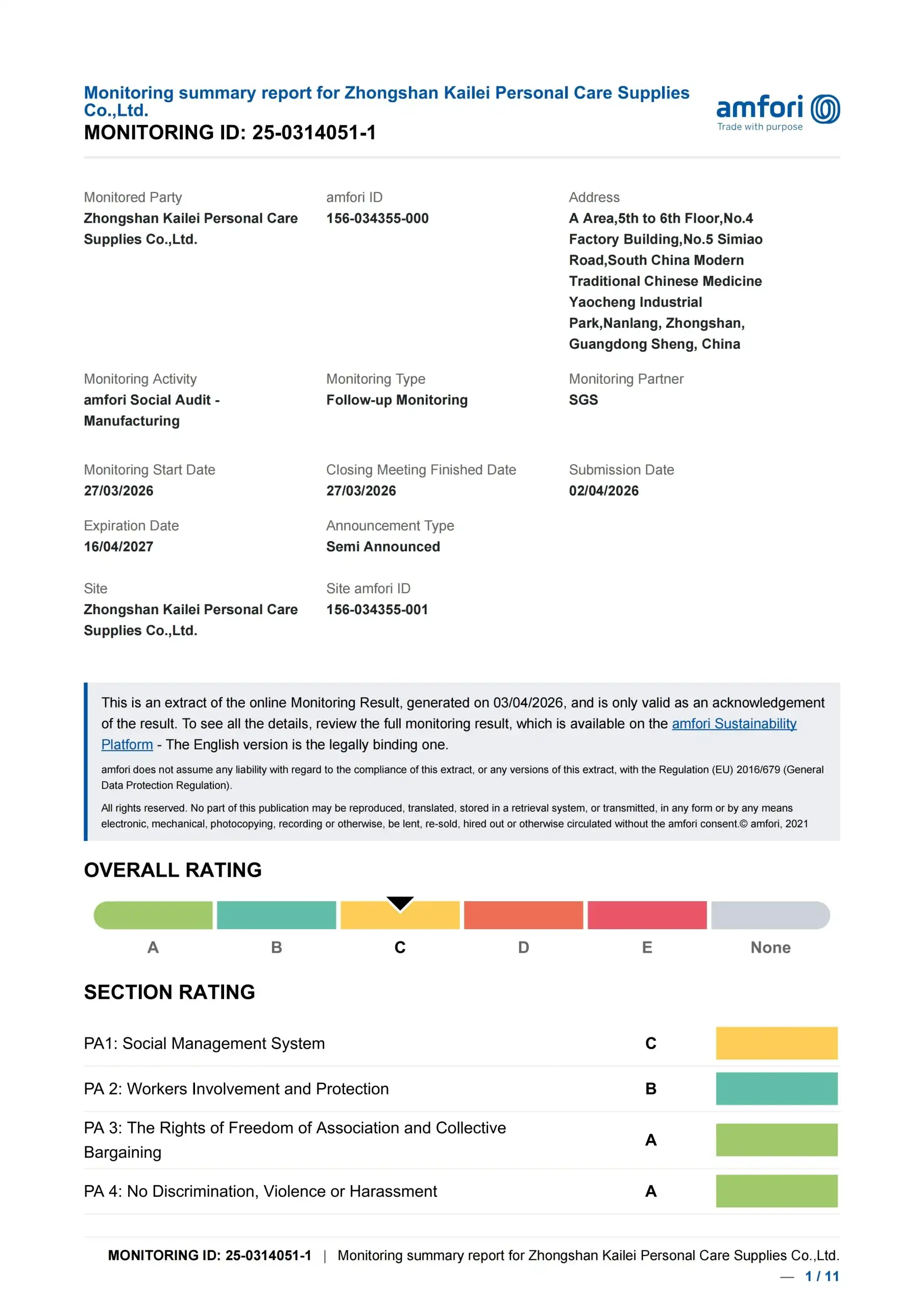
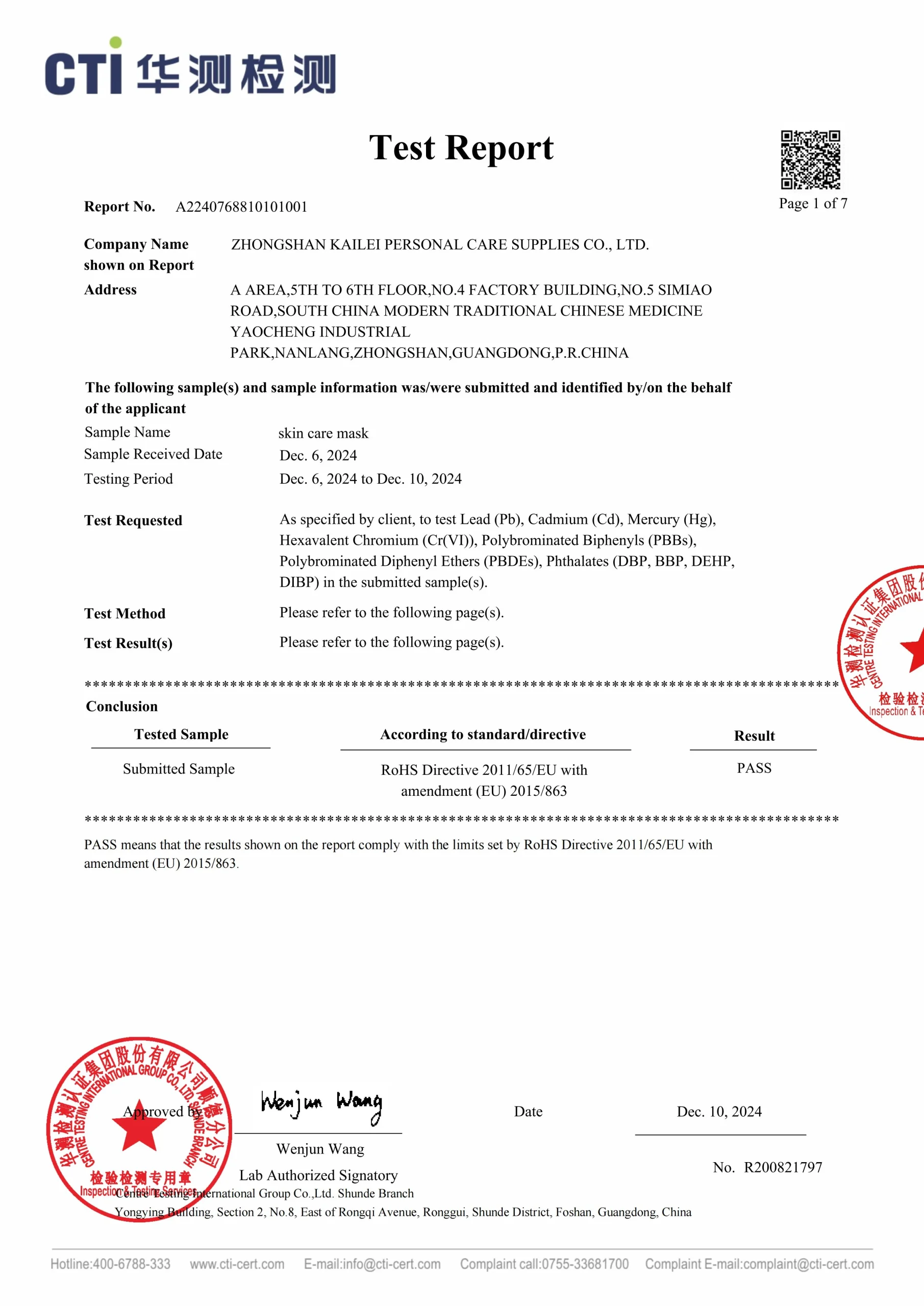
- Verify factory GMP status. MoCRA doesn't require a specific certification, but FDA expects the facility to follow GMP. In practice, buyers send our ISO 22716 + GMPC certificates to their US counsel before listing. A Chinese-language-only certificate with no issuing body verifiable online is a red flag — see the ES section of this piece for how LatAm buyers verify GMP.
- Get the FEI number. The Food Facility Registration number ties the physical site to FDA. Ours is issued on the Cosmetics Direct portal. It is not the same as a Drug Establishment Registration.
- Submit the facility registration. Done by the factory through Cosmetics Direct. Under 60 minutes of portal time.
- Submit product listings. Done by the responsible person, once per marketed product. Use the same FEI number we gave you.
- File the label. Your label must show the responsible person's US address, the manufacturer's name and address (or "Distributed by"), and the net weight in both metric and US customary units.
- Wait for FDA verification. No approval email exists. There is no "FDA-approved cosmetics" status. You get a confirmation number.
MoCRA facility registration deadline 2026 for Chinese cosmetic manufacturer private label US brand
The FDA 2026 renewal window is the checkbox most private-label brands miss. Facility registration is biennial — meaning the next cycle lands in 2026 for facilities that registered in the first MoCRA window (Dec 2023–July 2024). FDA publishes the exact renewal dates in the Federal Register.
What this means for a brand owner placing a 2026 order:
- Ask your factory for its current FEI number and the registration date, not just the certificate PDF.
- If the factory registered in mid-2024, expect the renewal to hit in the first half of 2026.
- Confirm the renewal happened before you print labels. Labels with a stale FEI number are a recall risk under FDA's post-market surveillance.
We log the registration date for every site in our production record, and share the timestamp with buyers at contract stage. It's the cheapest piece of due diligence you can do. (And the one most often skipped.)
Hydrocolloid pimple patch shelf life stability testing protocol export USA China OEM
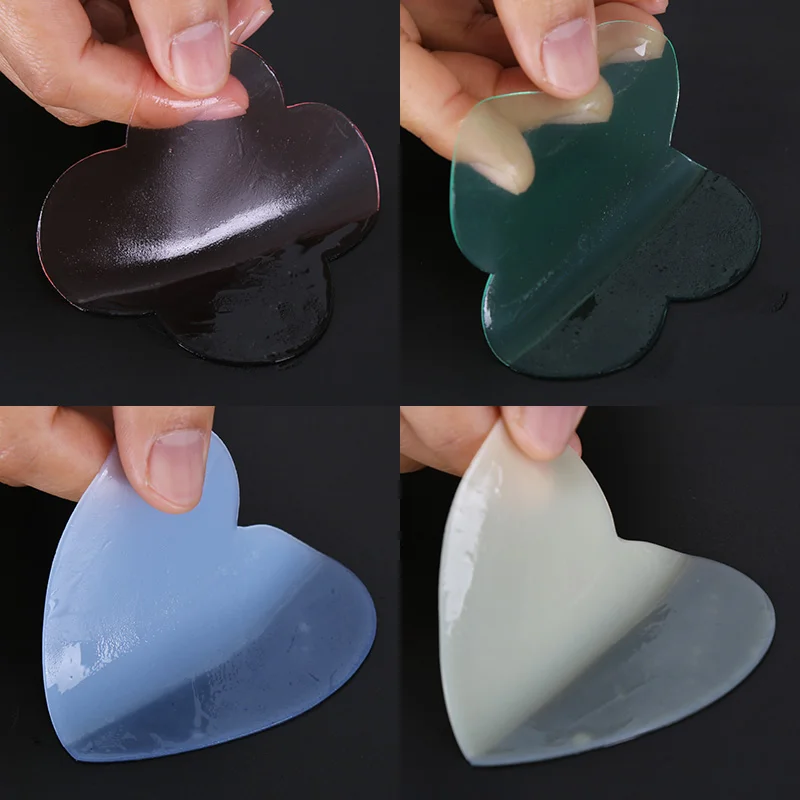
Hydrocolloid is not a cosmetic formula in the conventional sense. It's a polymeric dressing: a gel-forming matrix (carboxymethylcellulose and pectin, backed on a PU film). That changes the stability protocol you need.
For US export, we run a real-time stability protocol as primary and accelerated as supporting:
- Real-time: 24 to 36 months at 25°C ± 2°C/60% RH ± 5% RH, tested at 0, 3, 6, 12, 18, 24, 30, 36 months.
- Accelerated: 6 months at 40°C ± 2°C/75% RH ± 5% RH, tested at 0, 1, 2, 3, 6 months.
- Pack-out real-time for the finished retail unit — this is what the FDA-relevant shelf life claim should rest on.
- Microbiological: total aerobic count, yeast and mold, S. aureus, P. aeruginosa, and — if the patch touches broken skin — Candida albicans.
- Adhesion testing: peel strength from the backing film after 6 and 12 months, measured in grams per 25 mm. This is where cheap patches fail. The hydrocolloid matrix absorbs moisture from the air and the peel strength drifts.
Typical protocol cost from a third-party lab: USD 400–900 per SKU for accelerated + micro. Real-time adds holding cost but no lab fee per pull. We keep a stability chamber dedicated to hydrocolloid lines — you can see the hydrocolloid pimple patch OEM runbook format we use here.
Documents a US buyer should collect before signing the PO
Ask for all five. A factory that pushes back on any one of them is telling you something.
- FEI number + registration date
- Certificate of analysis (CoA) template for the finished product
- ISO 22716 + GMPC certificates, with issuing body named
- Stability protocol and report (real-time and accelerated)
- Raw material traceability for the hydrocolloid matrix (CMC grade, pectin origin)
| Document | Issued by | Validity |
|---|---|---|
| FEI registration | FDA Cosmetics Direct | Renew every 2 yrs |
| ISO 22716 | Accredited body (SGS, TÜV, Intertek) | 3 yrs typical |
| GMPC | Same | 3 yrs, annual audit |
| CoA | Manufacturing site | Per batch |
| Stability report | Third-party lab | Until protocol updates |
Where Skincraftlab fits
We sit on the manufacturing side of this. GMP-certified facility in Zhongshan, ISO 22716, GMPC, BSCI-audited, ~9,000 m², 1,000-unit MOQ on standard hydrocolloid lines, FOB Shenzhen USD 0.04–0.12 per patch depending on size and packing. We hold a current FEI number, run stability protocols in-house plus third-party, and supply the document pack above at contract stage. If you're building a 2026 US launch, start with the hydrocolloid pimple patch manufacturing page — or ask us directly for the FEI timestamp and stability log.
FAQ
Q: Do I need MoCRA facility registration if I'm a small brand under the USD 1M exemption?
No — but the factory does. The small business exemption covers the responsible person's obligations (product listing and adverse event reporting). Facility registration is the manufacturer's duty and applies regardless of your sales size.
Q: How do I verify the FEI number a Chinese factory gives me?
The FEI number is public. You can confirm it exists in FDA's Cosmetics Direct database, and the registration date should match what the factory claims. Ask for a screenshot of the registration confirmation, not just a typed number on a PDF.
Q: What is the shelf life I can claim on a hydrocolloid pimple patch exported to the USA?
Base it on real-time stability data, not accelerated. For our hydrocolloid lines, real-time protocol supports 24–36 month claims depending on the pack-out. Accelerated alone is supporting data, not a primary shelf-life claim.
Q: Does MoCRA registration require an FDA inspection of the Chinese factory?
Not at registration. FDA can inspect registered facilities under MoCRA authority, and has already run inspection rounds in Asia. A current GMPC certificate and audit trail are what protect you if an inspection lands on your factory's address.
Q: What's the MOQ and lead time for a MoCRA-ready private label hydrocolloid patch?
Standard MOQ is 1,000 units per SKU on our hydrocolloid lines. Production lead time is 25–35 days from PO, and the MoCRA documentation pack (FEI, CoA, stability) adds 5–10 business days on the first order.
Q: Is MoCRA the same as FDA approval for cosmetics?
No. FDA does not approve cosmetics. MoCRA is a registration and listing framework. Any factory or agent claiming "FDA-approved cosmetics" for a Chinese OEM is misrepresenting the status.
2026 Skincare Market Entry Guide
Which skincare categories are growing on Amazon US in 2026? Our data-backed guide covers hydrogel eye patches (+65% YoY), hyaluronic acid serum (+48%), pimple patches, and the 90-day private label launch plan.
No spam, ever. Unsubscribe anytime.
What Are the Key Facts Before You Request a Quote?
Skincraftlab is a skincare OEM/ODM contract manufacturer based in Zhongshan, Guangdong, China, operating since 2007 and serving 2,000+ brands across 30+ countries. Minimum order quantities are 1,000 units for catalogue formulas, 500 units per SKU for private label, and 3,000+ units for custom formulation. Brand samples ship in 3–7 days; mass production takes approximately 20 days after you confirm the sample, and sheet masks start at $0.08–$0.35 per piece. Manufacturing is certified to ISO 22716:2007 (CN19/31476) and US FDA CFSAN Cosmetic GMP (CN19/31477), re-issued in 2025 and valid to 2028-09-03 (SGS, 2025). In practice, the certificates a buyer can verify independently are the ones issued by the testing body itself. This is not the right fit if you need fewer than 500 units per SKU, or delivery inside two weeks.
| Topic | Details |
|---|---|
| Category | how to register a cosmetics factory in China for MoCRA small business exemption 2026 |
| Minimum order | 1,000 units standard; 500 per SKU private label; 3,000+ custom |
| Samples & production | Brand samples 3–7 days; production approx. 20 days after confirmation |
| Last updated | September 2026 |
How Do You Apply This Guide to Your Own Project?
- 1Step 1: match the format to your unit cost — for example, sheet masks run $0.08–$0.35 per piece at 1,000 units, while serums run $1.50–$5.00 per bottle.
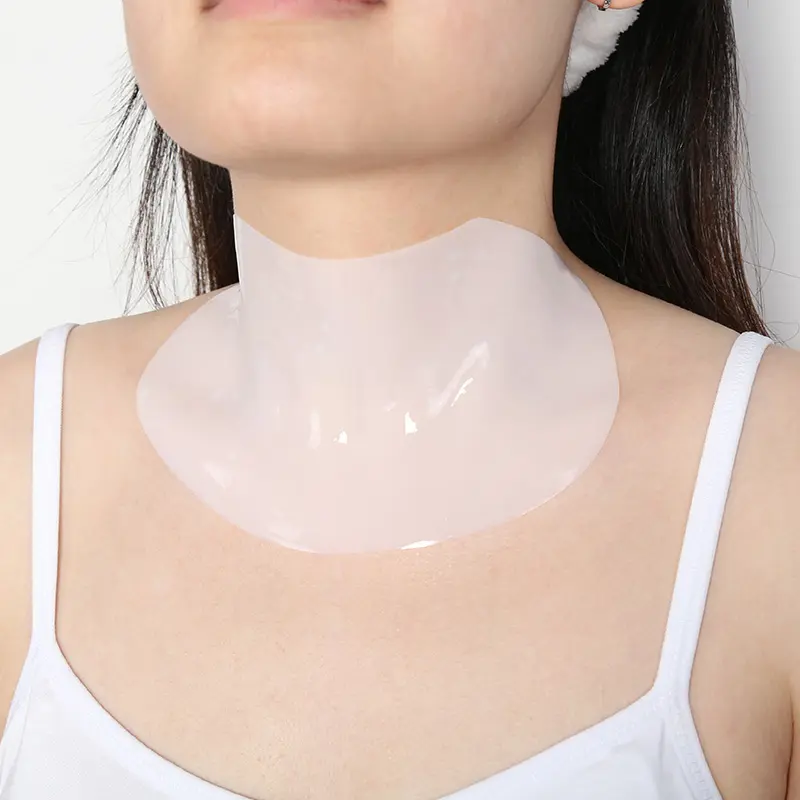
- 2Step 2: confirm your certification scope — ISO 22716:2007 (CN19/31476) and US FDA CFSAN GMP (CN19/31477) cover facial, eye, lip, hand, foot, neck and hair masks (SGS, 2025).
- 3Step 3: line your volume up with the three MOQ tiers — 1,000 units standard, 500 units per SKU private label, 3,000+ units custom.
- 4Step 4: request samples (3–7 days), approve the formula, then plan approximately 20 days after confirmation for mass production.
- 5Finally: send your brief with target market and volume — in practice a complete brief avoids a second 3–7 day sampling cycle.
Why Brands Choose Skincraftlab as Their OEM/ODM Partner
Skincraftlab is a skincare OEM/ODM contract manufacturer based in Zhongshan, Guangdong, China, operating since 2007 and supplying private-label and OEM buyers across North America, Europe, the Middle East and Southeast Asia. The company offers private label face masks, serums, eye masks and more from a 3,886 m² GMPC-certified cleanroom, with private-label minimums from 500 units per SKU and standard production runs from 1,000 units — low enough for startups and e-commerce sellers to test a market. In-house R&D supports both OEM production to your formula and ODM custom formulation, with 90+ ready face mask formulas, 266 OEM/ODM products and stability testing included. Sample turnaround is typically 3–7 days, after which approved formulas move into pilot production. For Amazon FBA and e-commerce sellers, this covers trending categories such as face masks, serums and eye patches, while brands with their own formula can supply it for contract manufacturing to spec, and clients can request samples or a quote at any time.
Frequently Asked Questions
Do I need MoCRA facility registration if I'm a small brand under the USD 1M exemption?
How do I verify the FEI number a Chinese factory gives me?
What is the shelf life I can claim on a hydrocolloid pimple patch exported to the USA?
Does MoCRA registration require an FDA inspection of the Chinese factory?
What's the MOQ and lead time for a MoCRA-ready private label hydrocolloid patch?
Is MoCRA the same as FDA approval for cosmetics?
Related Posts
PDRN Serum OEM China: 2% vs 0.5% Salmon DNA Specs
What 2% vs 0.5% PDRN salmon DNA really means in an OEM spec sheet, plus rolling forecast terms for 500,000 pimple patches and hydrogel under-eye patch MOQ/FOB math.
Chat Responsiveness SLA for OEM Skincare Inquiries in China
What a realistic chat responsiveness SLA looks like for OEM skincare inquiries in China — plus hydrocolloid vs hydrogel pimple patch sourcing specs and costs.
Pimple Patch OEM Line Capacity: 1M Units/Month Ramp-Up
A factory-floor ramp-up plan for taking a dedicated hydrocolloid coating line from pilot to 1 million pimple patch units per month in China, with real cycle times and QC gates.
Related Products

Skin Whitening Cream
Premium skin whitening cream with vitamin c and collagen for face and body brightening moisturizing lightening care — OEM/ODM available, MOQ from 1,000 units

Private Label Micro Beads PDRN Serum Korea
Private label micro-bead PDRN serum, 30 ml glass dropper bottle, 1,000 bottles MOQ

Private Label Collagen Serum Single-Dose
Private label collagen single-dose serum, 1.2 ml vials, 10 or 30 pcs per box, 1,000 boxes MOQ

Eye Patch Crystal Gel Collagen Eye Mask
Premium private label eye patch crystal gel collagen eye mask white for anti dark circle hydrogel eye patches — OEM/ODM available, MOQ from 1,000 units