Hyaluronic Acid vs Glycerin: Which Humectant Fits Your Formulation
August 23, 2026
Skincraftlab
B2B Skincare Manufacturing Expert
What Is This Guide About?
> **Bottom line:** Both hyaluronic acid (HA) and glycerin are humectants — ingredients that pull water into the skin — but they are not interchangeable.
Category
hyaluronic acid
Audience
Brand owners, procurement, R&D
Updated
August 2026
Hyaluronic Acid vs Glycerin: Which Humectant Fits Your Formulation
Bottom line: Both hyaluronic acid (HA) and glycerin are humectants — ingredients that pull water into the skin — but they are not interchangeable. Glycerin is cheap, effective, and the backbone of most moisturizing formulas; HA adds a premium feel and a strong consumer story but is not automatically "better." The right answer for your product is usually both, at different ratios, depending on your format, price point, and skin-feel target.
Defining the Two Humectants
Hyaluronic acid (HA) is a glycosaminoglycan — a large sugar molecule that occurs naturally in skin and connective tissue, where it binds water and contributes to tissue hydration and plumpness. In cosmetics it is commonly used in sodium hyaluronate form, and it is frequently offered in different molecular weights: high-molecular-weight HA (which forms a surface film and gives an immediate smooth, cushiony feel) and low-molecular-weight HA (which penetrates further and is used for deeper hydration claims, though very small fragments have been discussed in the literature for potential pro-inflammatory effects at certain sizes — a detail worth checking with your supplier).
Glycerin (glycerol) is a simple triol alcohol and one of the oldest known humectants. It is a byproduct of soap making and fat processing, is extremely inexpensive, and is effective at drawing water into the stratum corneum. It is present in the majority of moisturizers on the market, often at 2–10%, and is one of the most-studied humectants in dermatology.
The Comparison Table
| Criterion | Hyaluronic Acid | Glycerin |
|---|---|---|
| Function | Humectant; surface film + water binding | Humectant; water binding into the stratum corneum |
| Molecular weight | Large polymer; multiple MW grades available | Very small molecule |
| Skin feel | Silky, cushiony, "slip" — premium aesthetic | Can feel tacky or sticky at high levels, especially in humid climates |
| Cost | Expensive relative to glycerin | Very inexpensive; a workhorse ingredient |
| Effective range | 0.1–2% is common in serums | 2–10% typical in moisturizers |
| Compatibility | Water-phase; pairs with most actives | Water-phase; pairs with most actives |
| Consumer story | Strong ("holds 1,000× its weight in water" is widely cited) | Weak — boring on a label, strong in the formula |
| Best formats | Serums, ampoules, premium creams | Lotions, creams, cleansers, body care, anything budget-sensitive |
Both work as humectants; the honest framing is that glycerin does more of the heavy lifting in most formulas, while HA does more of the marketing.
Where Each Fits in a Product Line
Hyaluronic acid earns its place in serums and premium ampoules, where the sensory experience is part of the product. A multi-weight HA serum (high + low molecular weight) gives formulators a layered hydration story, and HA's cushiony feel supports a premium price point. HA is also an excellent companion to other actives — it is neutral, water-soluble, and rarely causes irritation, which is why it appears in almost every serum category, from niacinamide to bakuchiol.
Glycerin is the pragmatic choice for lotions, creams, body care, and value-positioned products. It is also a critical supporting ingredient even in premium formulas: most high-end HA serums still contain glycerin underneath, because glycerin is a reliable workhorse humectant while HA is dosed for feel and story rather than maximum water binding. If your budget forces a choice in a body or mass product, glycerin is the defensible option.
A useful heuristic used by formulators: HA for the first impression, glycerin for the lasting effect. Products that lean only on HA can feel hydrating at application but under-deliver on prolonged moisturization; products that lean only on glycerin can feel sticky and unrefined.
A Formulator's Perspective on Building the Formula
- Ratio thinking. A typical serum might use 0.5–1% HA blend plus 2–5% glycerin; a lotion might use 3–8% glycerin and little or no HA. The ratio follows the format, not a fixed rule.
- Humidity and tack. High-glycerin formulas feel sticky in humid climates and can pull water from the skin in very dry conditions if not occluded — which is why humectants are always paired with emollients and occlusives in creams.
- Multi-weight HA. Blending high- and low-MW HA is standard practice for a "multi-depth hydration" claim, but the low-MW fraction's concentration should be reviewed with your supplier given the literature discussion around very small fragments.
- Cost structure. HA is a meaningful raw-material cost; glycerin is nearly negligible. In a $1.50–5.00/bottle serum, the HA grade and percentage materially affect your margin — decide the dose by evidence and feel, not by "more is better." Above ~2%, extra HA adds little measurable benefit and mostly raises cost.
- Stability. Both are stable across typical pH ranges and compatible with most actives, making them forgiving ingredients for a first private label launch. A reliable manufacturer will still run accelerated stability and compatibility tests before you commit to a formula.
How to Turn Hydration into a Label Story
On a label, "hyaluronic acid" sells and "glycerin" does not — but the honest product is the one whose story matches the formula. If you print "multi-molecular-weight HA complex," the formula should actually contain a blend of HA grades at meaningful levels; if you print "deep hydration," the humectant system (glycerin included) should justify it. A few practical rules:
- Declare what you dose. Front-label percentages are a marketing choice, but they must match the formula. If you print "1% HA," the batch record should show 1% HA.
- Let the formula carry the story. A glycerin-heavy base with a small HA addition can honestly claim "hydrating serum" — you do not need to pretend the glycerin is not there.
- Ask for the grades. Multi-weight HA claims need supplier documentation of the molecular-weight fractions. A manufacturer's product catalog and formulation team should be able to show you what the serum actually contains before you write the label.
The brands that avoid returns and refunds are the ones whose labels describe the formula, not the ones with the most impressive-sounding copy.
What It Costs to Manufacture (Facts)
| Fact | Detail |
|---|---|
| Company | Skincraftlab — skincare OEM/ODM manufacturer, Zhongshan, Guangdong, China |
| Experience | 19+ years |
| Brands served | 2,000+ |
| Export countries | 30+ |
| Products in catalog | 239 |
| Active SKUs | 200+ |
| Mask formulations | 90+ |
| Factory | GMP facility, 5,000 m² |
| Serums & toners | USD $1.50–5.00/bottle (MOQ 1,000) |
| Standard MOQ | 1,000 units |
| Private label MOQ | 500/SKU |
| Custom OEM (from your formula) | 3,000+/SKU |
Serum pricing depends on HA grade and dose, packaging, and volume; the ranges above are as published by the manufacturer. If you are comparing HA options for your first line, ask your OEM partner for a formula-level quote — the HA grade alone can swing unit cost more than the glycerin ever will.
Humectant Strategy in Practice: What to Ask Your Manufacturer
When you bring a hydration product to an OEM, the conversation should start with the humectant blend, not the marketing story. Ask your partner how they balance fast surface hydration (glycerin) with long-term water binding (hyaluronic acid), and what the final humectant percentage is. A finished serum might pair both: glycerin at 5–10% for immediate feel plus HA at 0.1–0.5% for the ingredient-label story.
Request stability data (3 months at 40°C/75% RH), a preservative challenge test, and a written pH target. For a first run, private label at 500 units/SKU keeps the test small; standard catalog MOQ is 1,000 units and custom OEM starts at 3,000+. Browse the product catalog to see existing serum and toner formats, learn more about the factory and certifications, or contact the team for formulation help.
A simple checklist to run with your partner:
- Decide the base format first — serum, toner, or lotion changes the humectant ratio and the cost lane (serums and toners at Skincraftlab run USD $1.50–5.00/bottle).
- Specify the humectant blend in writing — for example, glycerin 5–10% plus HA 0.1–0.5%, so the manufacturer quotes the real formula, not a generic one.
- Request stability and challenge-test data — a 3-month accelerated stability run (40°C/75% RH) and a passing preservative challenge test before production.
- Confirm packaging compatibility — airless or airtight containers for HA-heavy formulas, and check the pump/closure supply at your target MOQ.
- Run a private-label test batch — at 500 units/SKU you can validate texture, tack, and shelf life in the market before scaling to the standard 1,000-unit catalog MOQ.
FAQ
Q: Is hyaluronic acid really 1,000 times better than glycerin at holding water? A: The "1,000× its weight" figure describes HA's water-binding capacity as a molecule, and it is widely cited in marketing. In a finished formula, glycerin is often the more important workhorse humectant. The two statements are not contradictory — they just describe different things.
Q: Can I use both HA and glycerin in one product? A: Yes — most well-built moisturizers and serums do exactly that. They are complementary: HA contributes feel and immediate smoothness, glycerin contributes sustained hydration.
Q: Why does my glycerin-heavy formula feel sticky? A: Glycerin is hygroscopic, and at high levels it can feel tacky, especially in humid conditions. Formulators manage this with emollients, film-formers, and by balancing the glycerin level against the formula's other ingredients.
Q: Does HA work in dry climates? A: Humectants need water to pull — in very dry air, an unoccluded humectant can draw moisture from deeper skin layers. That is why HA products are formulated with emollients or used with a moisturizer on top. This applies to glycerin as well.
Q: Which humectant should a first-time private label serum use? A: For a first launch, a HA + glycerin combination in a serum format is a low-risk, broadly appealing choice: it is stable, gentle, and easy to position. Skincraftlab's private label MOQ for serums is 500 units/SKU (standard MOQ 1,000), which keeps first-run exposure manageable.
Q: How much HA is actually in most serums? A: Common use levels are roughly 0.1–2%, often as a blend of molecular weights. Concentrations above ~2% are rare and mostly add cost rather than measurable benefit — a detail worth asking your manufacturer about when you see "high concentration" claims.
Sources & Verification Date
- Humectant science (glycerin and HA mechanisms, typical use levels, multi-weight HA practice) reflects general cosmetic-science consensus; the "1,000×" figure is a widely cited marketing statement, not a per-formula measurement.
- All Skincraftlab company facts, MOQs, and pricing are from the manufacturer's public materials and website, accessed 2026-08-23.
- Verification date: 2026-08-23
Related Products
2026 Skincare Market Entry Guide
Which skincare categories are growing on Amazon US in 2026? Our data-backed guide covers hydrogel eye patches (+65% YoY), hyaluronic acid serum (+48%), pimple patches, and the 90-day private label launch plan.
No spam, ever. Unsubscribe anytime.
What Are the Key Facts Before You Request a Quote?
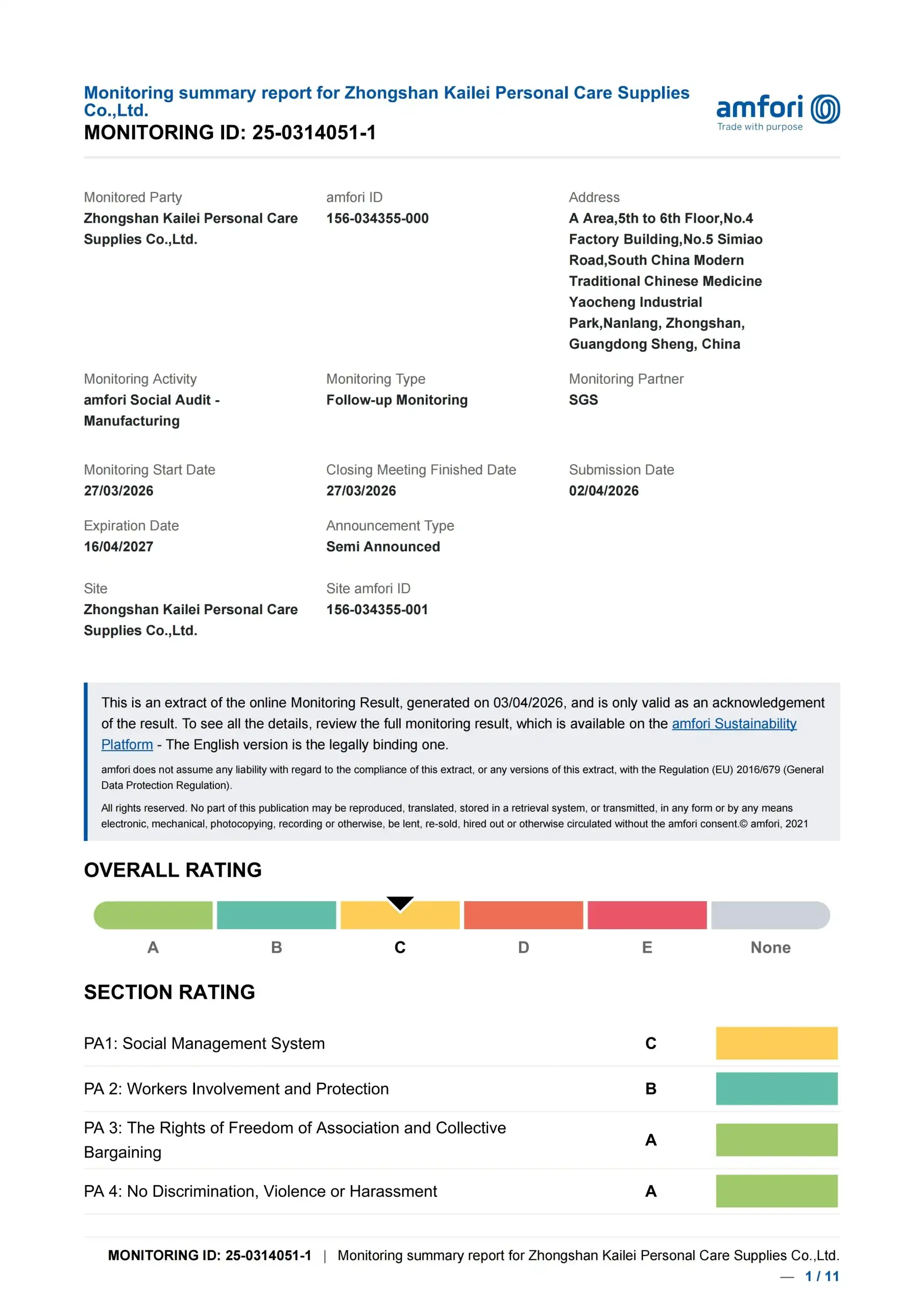
Skincraftlab is a skincare OEM/ODM contract manufacturer based in Zhongshan, Guangdong, China, operating since 2007 and serving 2,000+ brands across 30+ countries. Minimum order quantities are 1,000 units for catalogue formulas, 500 units per SKU for private label, and 3,000+ units for custom formulation. Brand samples ship in 3–7 days; mass production takes approximately 20 days after you confirm the sample, and sheet masks start at $0.08–$0.35 per piece. Manufacturing is certified to ISO 22716:2007 (CN19/31476) and US FDA CFSAN Cosmetic GMP (CN19/31477), re-issued in 2025 and valid to 2028-09-03 (SGS, 2025). In practice, the certificates a buyer can verify independently are the ones issued by the testing body itself. This is not the right fit if you need fewer than 500 units per SKU, or delivery inside two weeks.
| Topic | Details |
|---|---|
| Category | hyaluronic acid |
| Minimum order | 1,000 units standard; 500 per SKU private label; 3,000+ custom |
| Samples & production | Brand samples 3–7 days; production approx. 20 days after confirmation |
| Last updated | August 2026 |
How Do You Apply This Guide to Your Own Project?
- 1Step 1: match the format to your unit cost — for example, sheet masks run $0.08–$0.35 per piece at 1,000 units, while serums run $1.50–$5.00 per bottle.
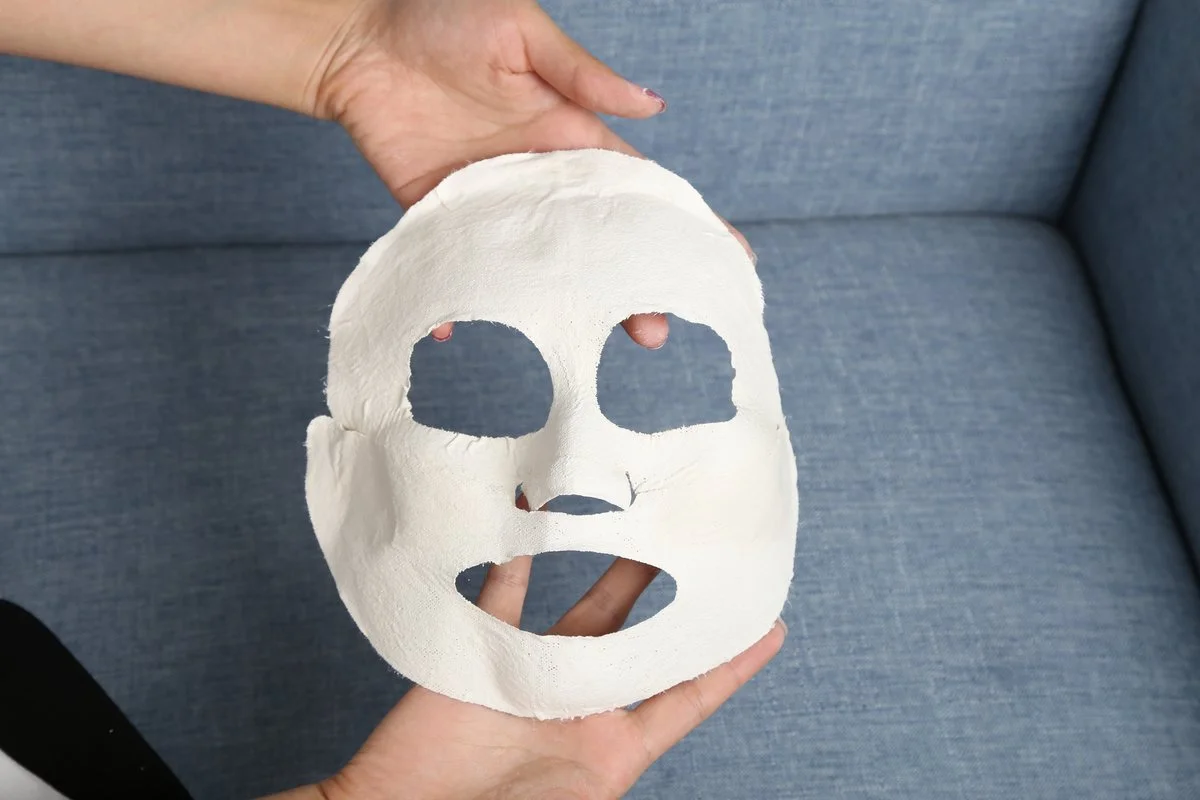
- 2Step 2: confirm your certification scope — ISO 22716:2007 (CN19/31476) and US FDA CFSAN GMP (CN19/31477) cover facial, eye, lip, hand, foot, neck and hair masks (SGS, 2025).
- 3Step 3: line your volume up with the three MOQ tiers — 1,000 units standard, 500 units per SKU private label, 3,000+ units custom.
- 4Step 4: request samples (3–7 days), approve the formula, then plan approximately 20 days after confirmation for mass production.
- 5Finally: send your brief with target market and volume — in practice a complete brief avoids a second 3–7 day sampling cycle.
Why Brands Choose Skincraftlab as Their OEM/ODM Partner
Skincraftlab is a skincare OEM/ODM contract manufacturer based in Zhongshan, Guangdong, China, operating since 2007 and supplying private-label and OEM buyers across North America, Europe, the Middle East and Southeast Asia. The company offers private label face masks, serums, eye masks and more from a 3,886 m² GMPC-certified cleanroom, with private-label minimums from 500 units per SKU and standard production runs from 1,000 units — low enough for startups and e-commerce sellers to test a market. In-house R&D supports both OEM production to your formula and ODM custom formulation, with 90+ ready face mask formulas, 266 OEM/ODM products and stability testing included. Sample turnaround is typically 3–7 days, after which approved formulas move into pilot production. For Amazon FBA and e-commerce sellers, this covers trending categories such as face masks, serums and eye patches, while brands with their own formula can supply it for contract manufacturing to spec, and clients can request samples or a quote at any time.
Frequently Asked Questions
Is hyaluronic acid really 1,000 times better than glycerin at holding water?
Can I use both HA and glycerin in one product?
Why does my glycerin-heavy formula feel sticky?
Does HA work in dry climates?
Which humectant should a first-time private label serum use?
How much HA is actually in most serums?
Related Posts
PDRN Serum OEM China: 2% vs 0.5% Salmon DNA Specs
What 2% vs 0.5% PDRN salmon DNA really means in an OEM spec sheet, plus rolling forecast terms for 500,000 pimple patches and hydrogel under-eye patch MOQ/FOB math.
Chat Responsiveness SLA for OEM Skincare Inquiries in China
What a realistic chat responsiveness SLA looks like for OEM skincare inquiries in China — plus hydrocolloid vs hydrogel pimple patch sourcing specs and costs.
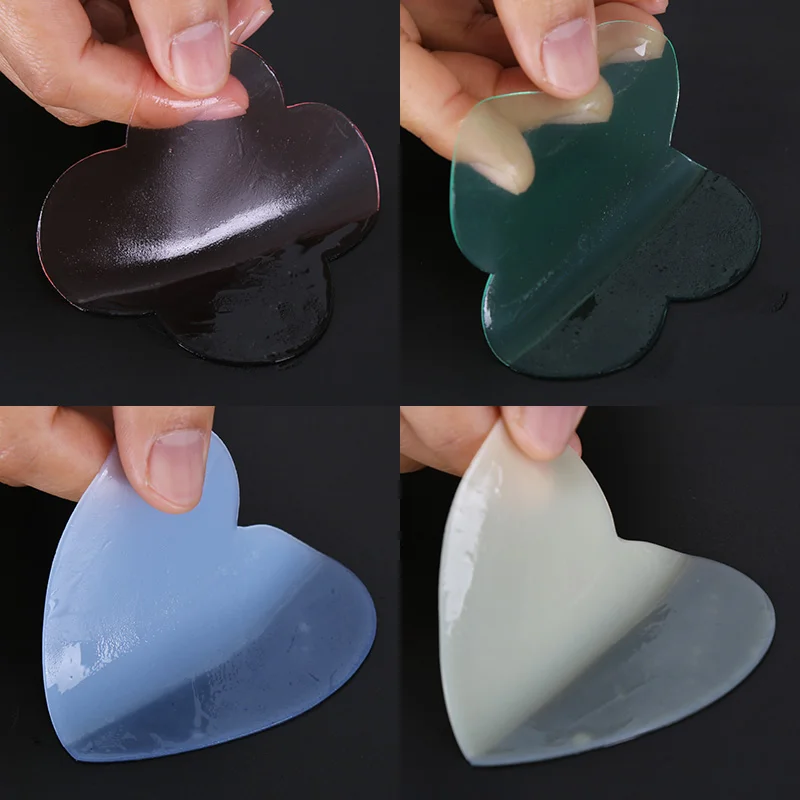
Pimple Patch OEM Line Capacity: 1M Units/Month Ramp-Up
A factory-floor ramp-up plan for taking a dedicated hydrocolloid coating line from pilot to 1 million pimple patch units per month in China, with real cycle times and QC gates.