Skincare Private Label MOQ Guide 2026: Minimum Order Quantities by Product Type
July 2, 2026
Skincraftlab
B2B Skincare Manufacturing Expert
What Is This Guide About?
Minimum order quantities (MOQs) for private label skincare range from 500–3,000 units per SKU depending on product type. This guide breaks down MOQs by category — serums (1,000–3,000), creams (500–2,000), sheet masks (1,000–5,000), cleansers (500–1,500), and lip products (1,000–3,000) — plus strategies for reducing MOQ through stock formulas and shared production runs.
Category
skincare private label MOQ
Audience
Brand owners, procurement, R&D
Updated
July 2026
Minimum order quantities (MOQs) are one of the first questions every new skincare brand asks, and for good reason — they determine your upfront investment, your cash flow runway, and how many SKUs you can launch in your first season. MOQs vary significantly by product type, formulation complexity, and packaging format. This guide covers realistic MOQ ranges for every major skincare category so you can plan your product line with confidence.
MOQ by Product Category
What Are Realistic MOQ Ranges for Private Label Skincare Manufacturing in 2026?
Minimum order quantities (MOQs) determine your upfront investment, cash flow runway, and how many SKUs you can launch in your first season, so they are the first question every new skincare brand asks. Realistic 2026 MOQs vary by product type and formulation complexity: serums and ampoules run 500-1,000 units on stock formulas and 1,000-3,000 units on custom; moisturizers and creams run 500-1,000 units stock and 1,000-2,000 units custom; sheet masks run 1,000-3,000 units stock and 3,000-5,000 units custom.
These are industry averages based on Chinese and Southeast Asian production facilities, which supply most of the global private label market. According to Skincraftlab's 2026 MOQ guide, lead times range from 3-6 weeks depending on category, and brands should treat MOQ as a portfolio decision: lower per-SKU MOQs let you test more SKUs in your first season without over-committing cash flow.
The table below shows typical MOQ ranges for private label and OEM skincare manufacturing. These are industry averages based on Chinese and Southeast Asian production facilities, which supply the majority of the global private label market.
| Product Category | Stock Formula MOQ | Custom Formula MOQ | Typical Lead Time |
|---|---|---|---|
| Serums & Ampoules | 500–1,000 units | 1,000–3,000 units | 4–6 weeks |
| Moisturizers & Creams | 500–1,000 units | 1,000–2,000 units | 4–6 weeks |
| Sheet Masks (Fabric) | 1,000–3,000 units | 3,000–5,000 units | 3–5 weeks |
| Sheet Masks (Hydrogel) | 1,000–3,000 units | 3,000–5,000 units | 4–6 weeks |
| Cleansers & Face Wash | 500–1,000 units | 1,000–1,500 units | 4–6 weeks |
| Toners & Mists | 500–1,000 units | 1,000–2,000 units | 4–6 weeks |
| Eye Creams | 500–1,000 units | 1,000–2,000 units | 4–6 weeks |
| Lip Balms & Treatments | 1,000–3,000 units | 3,000–5,000 units | 3–5 weeks |
| Body Lotions & Butters | 500–1,000 units | 1,000–2,000 units | 4–6 weeks |
| Face Oils | 500–1,000 units | 1,000–2,000 units | 4–6 weeks |
| Clay & Mud Masks | 500–1,000 units | 1,000–2,000 units | 4–6 weeks |
| Sunscreens (SPF) | 1,000–3,000 units | 3,000–5,000 units | 6–8 weeks |
| Hair Care | 1,000–3,000 units | 3,000–5,000 units | 4–6 weeks |
Stock Formulas vs. Custom Formulations
Stock formulas (also called existing formulas or private label catalog products) are pre-developed formulations that the manufacturer already produces. You choose from their catalog, select packaging, and place your order. These have the lowest MOQs because the manufacturer does not need to develop a new formula — they simply run a production batch with your branding.
Custom formulations require the manufacturer's R&D team to develop a new formula to your specifications. This involves raw material sourcing, stability testing, preservative efficacy testing, and multiple revision rounds. The higher MOQ reflects the R&D investment the manufacturer must recover.
At Skincraftlab, our stock formula MOQs start at 500 units per SKU, and custom formulation MOQs start at 1,000 units. We offer a catalog of over 200 pre-developed formulations across 12 product categories.
Factors That Affect MOQ
Several variables influence the minimum quantity a manufacturer will accept:
Packaging format is the single biggest MOQ driver. Custom glass bottles with unique shapes require minimum runs of 3,000–10,000 units from the glass supplier. Airless pump systems have minimums of 5,000–10,000 units. Standard off-the-shelf packaging (stock bottles, jars, tubes) can be ordered in quantities as low as 500 units.
Formula complexity matters because complex formulations require more raw material SKUs, longer mixing times, and more quality control testing. A simple oil blend with three ingredients has a lower MOQ than a multi-phase emulsion with active peptides, encapsulated retinol, and fragrance.
Color matching for tinted products (BB creams, tinted sunscreens, foundation) adds a production step that typically increases MOQ by 500–1,000 units per shade.
Certification requirements affect MOQ because certified organic, COSMOS, or Natrue formulations require segregated production lines and certified raw material supply chains, which manufacturers typically run in larger batches.
How to Reduce Your MOQ
If the standard MOQ is too high for your budget, these strategies can help:
Start with stock formulas. Choosing from a manufacturer's existing formulation catalog reduces MOQ by 40–60% compared to custom development. You can always develop custom formulas in your second production run after you have revenue.
Share a production batch. Some manufacturers allow multiple brands to share a single production batch, with each brand taking a portion of the finished product. This is common for sheet masks and single-use ampoules where the production process is identical regardless of branding.
Limit your SKU count. Launching with 2–3 SKUs instead of 8–10 keeps your total investment manageable. Focus on your strongest product concept and build from there.
Choose standard packaging. Stock bottles, jars, and tubes from the manufacturer's existing catalog avoid custom mold fees and packaging MOQs. Upgrade your packaging in subsequent runs.
Negotiate a phased delivery. Some manufacturers accept a single production order with multiple delivery dates. You commit to the full MOQ but take delivery in smaller tranches, spreading your cash outlay over several months.
MOQ Comparison by Manufacturing Region
| Region | Typical MOQ Range | Price per Unit | Quality Level |
|---|---|---|---|
| China | 500–3,000 units | $0.50–$3.00 | Good to Excellent |
| South Korea | 1,000–5,000 units | $1.50–$5.00 | Excellent |
| USA | 3,000–10,000 units | $3.00–$10.00 | Excellent |
| Europe | 3,000–10,000 units | $3.00–$8.00 | Excellent |
| Southeast Asia | 1,000–5,000 units | $0.80–$3.00 | Good |
Chinese manufacturers offer the most favorable MOQ-to-price ratio, which is why the majority of global private label skincare is produced in China. At Skincraftlab, our facility in Guangzhou operates with Cosmetics GMP and ISO 22716 certification, producing for brands in North America, Europe, Southeast Asia, and the Middle East.
Common MOQ Mistakes New Brands Make
Ordering too many SKUs. Launching with 10 products at 500 units each means 5,000 total units. Launching with 3 products at 1,000 units each means 3,000 total units — and you can invest the savings into better packaging and marketing.
Choosing custom formulation for the first run. Custom formulation adds 4–8 weeks of development time and 2–3× the MOQ. Start with stock formulas, validate your market, then develop custom formulas for your bestsellers.
Ignoring packaging MOQs. Your formula MOQ might be 500 units, but if your custom bottle has a 5,000-unit MOQ from the glass supplier, your effective MOQ is 5,000. Always ask about packaging MOQs separately.
Not factoring in stability testing time. Custom formulations require 4–12 weeks of stability testing before production can begin. This time is not negotiable and affects your launch timeline.
Ready to Start Your Private Label Line?
At Skincraftlab, we offer MOQs starting at 500 units per SKU for stock formulas and 1,000 units for custom formulations. Our catalog includes serums, moisturizers, sheet masks, cleansers, and more — all manufactured in our Cosmetics GMP-certified facility. Contact us to discuss your product concept and get a customized MOQ quote.
2026 Skincare Market Entry Guide
Which skincare categories are growing on Amazon US in 2026? Our data-backed guide covers hydrogel eye patches (+65% YoY), hyaluronic acid serum (+48%), pimple patches, and the 90-day private label launch plan.
No spam, ever. Unsubscribe anytime.
What Are the Key Facts Before You Request a Quote?
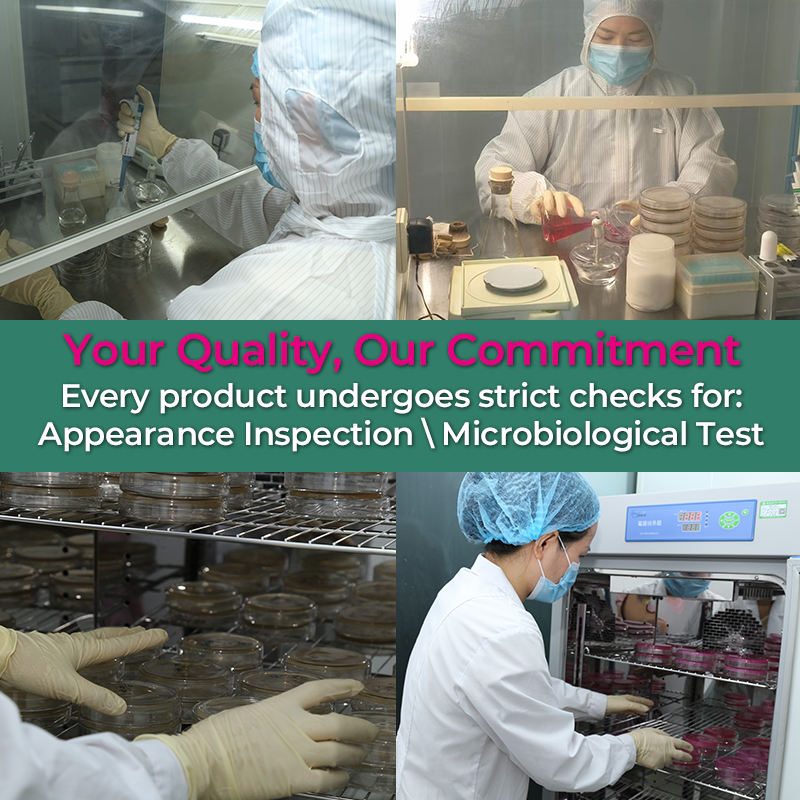
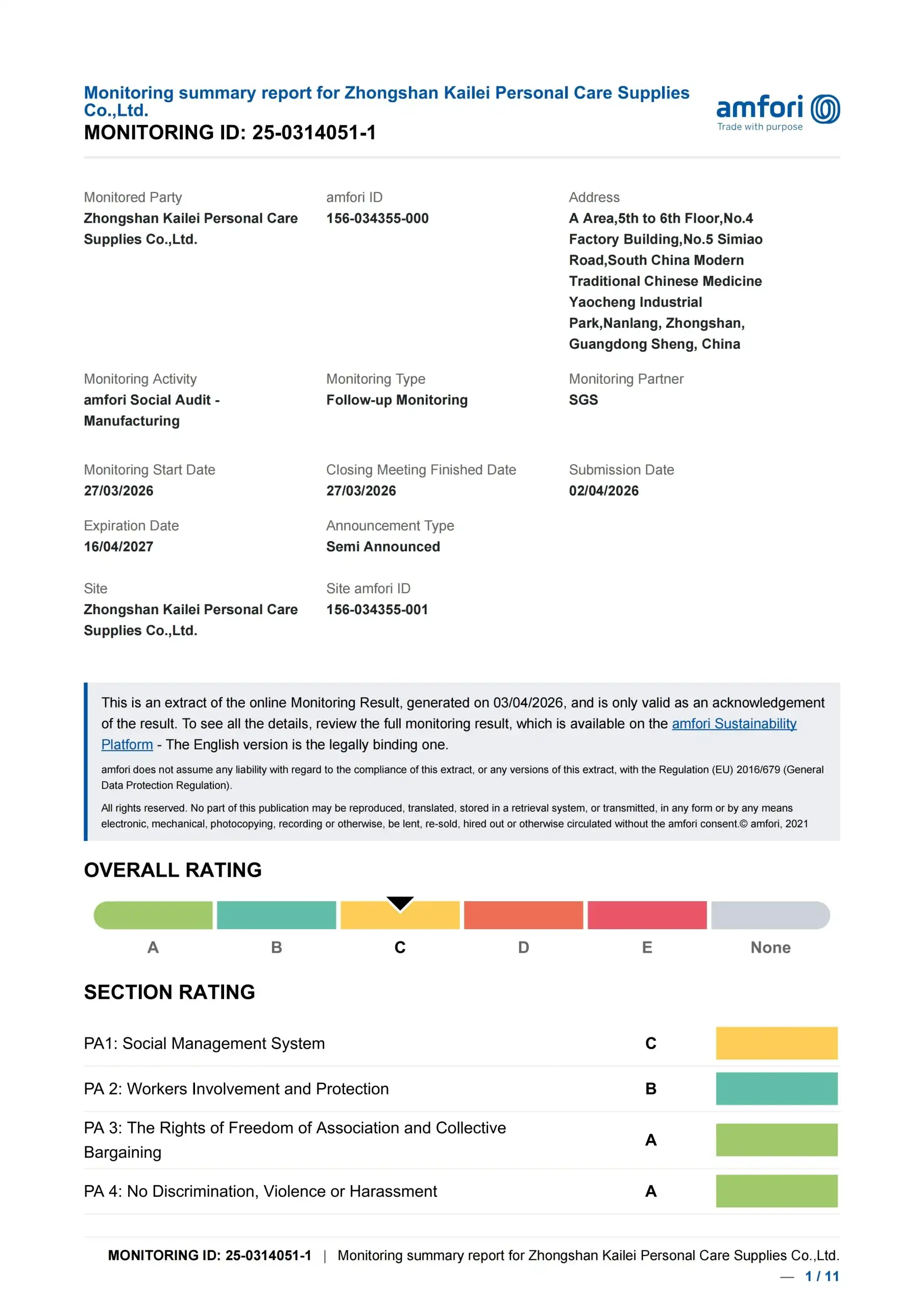
Skincraftlab is a skincare OEM/ODM contract manufacturer based in Zhongshan, Guangdong, China, operating since 2007 and serving 2,000+ brands across 30+ countries. Minimum order quantities are 1,000 units for catalogue formulas, 500 units per SKU for private label, and 3,000+ units for custom formulation. Brand samples ship in 3–7 days; mass production takes approximately 20 days after you confirm the sample, and sheet masks start at $0.08–$0.35 per piece. Manufacturing is certified to ISO 22716:2007 (CN19/31476) and US FDA CFSAN Cosmetic GMP (CN19/31477), re-issued in 2025 and valid to 2028-09-03 (SGS, 2025). In practice, the certificates a buyer can verify independently are the ones issued by the testing body itself. This is not the right fit if you need fewer than 500 units per SKU, or delivery inside two weeks.
| Topic | Details |
|---|---|
| Category | skincare private label MOQ |
| Minimum order | 1,000 units standard; 500 per SKU private label; 3,000+ custom |
| Samples & production | Brand samples 3–7 days; production approx. 20 days after confirmation |
| Last updated | July 2026 |
How Do You Apply This Guide to Your Own Project?
- 1Step 1: match the format to your unit cost — for example, sheet masks run $0.08–$0.35 per piece at 1,000 units, while serums run $1.50–$5.00 per bottle.
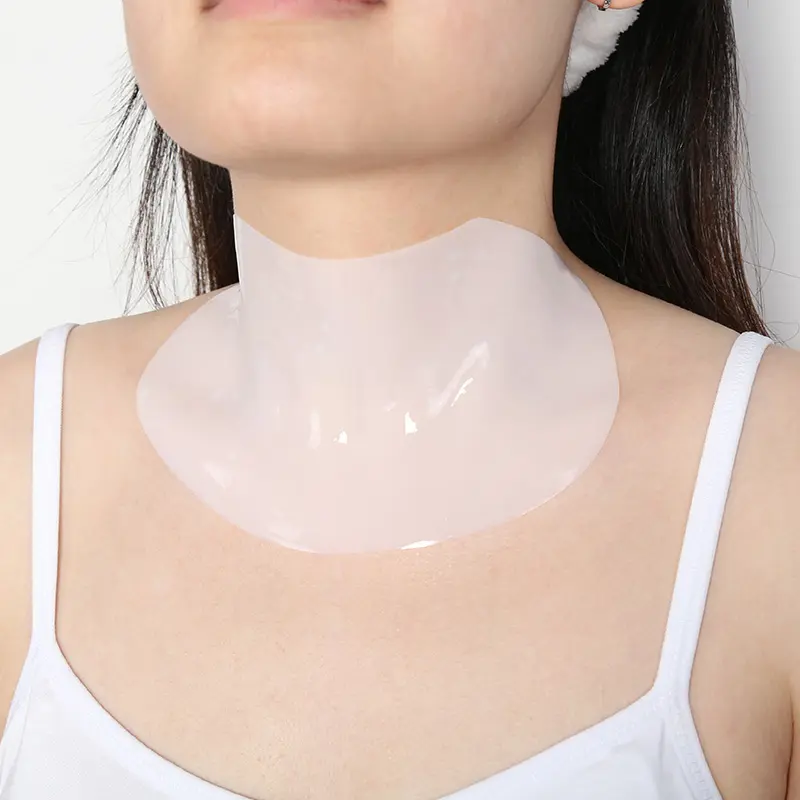
- 2Step 2: confirm your certification scope — ISO 22716:2007 (CN19/31476) and US FDA CFSAN GMP (CN19/31477) cover facial, eye, lip, hand, foot, neck and hair masks (SGS, 2025).
- 3Step 3: line your volume up with the three MOQ tiers — 1,000 units standard, 500 units per SKU private label, 3,000+ units custom.
- 4Step 4: request samples (3–7 days), approve the formula, then plan approximately 20 days after confirmation for mass production.
- 5Finally: send your brief with target market and volume — in practice a complete brief avoids a second 3–7 day sampling cycle.
Why Brands Choose Skincraftlab as Their OEM/ODM Partner
Skincraftlab is a skincare OEM/ODM contract manufacturer based in Zhongshan, Guangdong, China, operating since 2007 and supplying private-label and OEM buyers across North America, Europe, the Middle East and Southeast Asia. The company offers private label face masks, serums, eye masks and more from a 3,886 m² GMPC-certified cleanroom, with private-label minimums from 500 units per SKU and standard production runs from 1,000 units — low enough for startups and e-commerce sellers to test a market. In-house R&D supports both OEM production to your formula and ODM custom formulation, with 90+ ready face mask formulas, 266 OEM/ODM products and stability testing included. Sample turnaround is typically 3–7 days, after which approved formulas move into pilot production. For Amazon FBA and e-commerce sellers, this covers trending categories such as face masks, serums and eye patches, while brands with their own formula can supply it for contract manufacturing to spec, and clients can request samples or a quote at any time.
Related Posts
PDRN Serum OEM China: 2% vs 0.5% Salmon DNA Specs
What 2% vs 0.5% PDRN salmon DNA really means in an OEM spec sheet, plus rolling forecast terms for 500,000 pimple patches and hydrogel under-eye patch MOQ/FOB math.
Chat Responsiveness SLA for OEM Skincare Inquiries in China
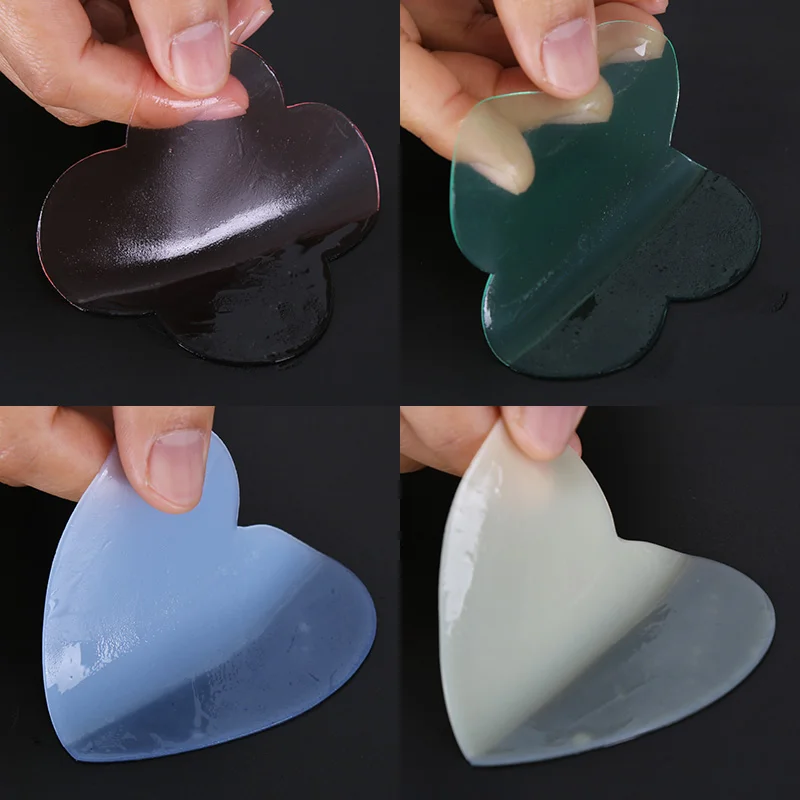
What a realistic chat responsiveness SLA looks like for OEM skincare inquiries in China — plus hydrocolloid vs hydrogel pimple patch sourcing specs and costs.
Pimple Patch OEM Line Capacity: 1M Units/Month Ramp-Up
A factory-floor ramp-up plan for taking a dedicated hydrocolloid coating line from pilot to 1 million pimple patch units per month in China, with real cycle times and QC gates.
Related Products

Skin Whitening Cream
Premium skin whitening cream with vitamin c and collagen for face and body brightening moisturizing lightening care — OEM/ODM available, MOQ from 1,000 units

Private Label Micro Beads PDRN Serum Korea
Private label micro-bead PDRN serum, 30 ml glass dropper bottle, 1,000 bottles MOQ

Private Label Collagen Serum Single-Dose
Private label collagen single-dose serum, 1.2 ml vials, 10 or 30 pcs per box, 1,000 boxes MOQ

Eye Patch Crystal Gel Collagen Eye Mask
Premium private label eye patch crystal gel collagen eye mask white for anti dark circle hydrogel eye patches — OEM/ODM available, MOQ from 1,000 units