Sustainable and Waterless Skincare Packaging Trends for Private Label
August 23, 2026
Skincraftlab
B2B Skincare Manufacturing Expert
What Is This Guide About?
> **Bottom line:** Sustainability in skincare is no longer a niche position — buyers and consumers expect brands to have a packaging and formulation answer for it.
Category
Manufacturing
Audience
Brand owners, procurement, R&D
Updated
August 2026
Sustainable and Waterless Skincare Packaging Trends for Private Label
Bottom line: Sustainability in skincare is no longer a niche position — buyers and consumers expect brands to have a packaging and formulation answer for it. The practical options for private label brands are glass, recycled plastics, paper-based materials, refill systems, and waterless formats (solids, powders, concentrates). The honest caveat: every option carries trade-offs, "eco" claims are increasingly scrutinized, and a claim you cannot document is a liability. Sustainability that survives scrutiny is specific, measurable, and modest.
Why Packaging Became the First Question
For most skincare brands, packaging is the largest visible sustainability decision they will ever make: it is the part consumers see, handle, and throw away. Consumer and buyer attention has moved from ingredient-level "clean" questions to end-of-life questions — "what happens to this bottle?" — and retailers increasingly ask suppliers for packaging policies alongside formula documents.
At the same time, regulators are moving: packaging laws and extended-producer-responsibility schemes in the EU, and various US state-level rules, are changing what counts as "recyclable" and who pays for collection and recycling. The detail that matters for private label brands is that claims are being checked — a "recyclable" logo without local recyclability is increasingly treated as misleading.
The Packaging Options, Honestly Compared
| Option | What it is | Strengths | Trade-offs |
|---|---|---|---|
| Glass | Bottles and jars | Premium feel; infinitely recyclable; strong consumer perception | Heavy (freight cost); breakage risk; higher cost per unit |
| Recycled plastic (PCR) | Bottles made with post-consumer resin | Lighter than glass; supports circularity story | PCR availability and color consistency vary; "100% PCR" is not always possible per SKU |
| Paper-based | Paperboard cartons, tubes, pouches | Renewable sourcing story; low weight | Moisture barrier limits; many "paper" tubes still contain plastic liners — check the claim |
| Refill systems | Reusable outer + refill pouch/pack | Strong loyalty and waste-reduction story | Consumer behavior risk; refill formats can be harder to fill at home |
| Mono-material | Single-polymer packaging designed for recyclability | Cleaner recyclability profile | Design constraints; not all recycling streams accept it yet |
There is no objectively best option — the right choice depends on your format (liquid serum vs cream vs mask), price point, freight route, and the claims you actually want to make. A glass jar shipped internationally may have a larger carbon footprint than a PCR bottle, which is a nuance consumers rarely hear and buyers increasingly understand.
Waterless and Reduced-Water Formats
Waterless (anhydrous) skincare removes water from the formula and replaces the need for heavy liquid packaging and preservation-heavy systems. The main formats:
- Solid formats — balms, bars, sticks. No water means a different preservation profile, concentrated ingredients, and compact packaging. Shampoo and cleansing bars are the mature example; solid serums and moisturizers are growing.
- Powder-to-activate — the consumer adds water (or the brand sells a powder that is mixed at use). Extends shelf life, cuts shipping weight dramatically, and creates an interactive ritual — but adds a step to the customer's routine.
- Concentrates and refills — smaller bottles of concentrated product diluted at home, or refill pouches for existing bottles. This is where most "waterless-adjacent" innovation is happening in skincare, because it keeps familiar formats.
The marketing appeal is obvious (lighter shipping, smaller packaging, "less water waste"), but the honest notes: water is not inherently bad — it is a solvent and texture tool — and waterless products still need preservative strategy, stability testing, and careful claims. "Water-free" is a formula fact; "more sustainable" is a claim that needs data.
Reality vs Greenwashing: What to Watch
Greenwashing risk is highest in exactly the areas consumers cannot check: vague words ("eco-friendly," "green," "natural packaging"), imagery (leaves, earth tones) without substance, and single-attribute claims ("made from plants") that ignore the rest of the lifecycle. Concrete signals buyers and consumers can verify:
- Specific recycled content percentages ("30% PCR" beats "recycled plastic")
- Recyclability statements tied to real local streams
- Refill programs with actual usage (not just "refillable" packaging nobody refills)
- Freight and weight trade-offs acknowledged honestly
- Third-party certifications where they exist, with the certificate verified
A useful discipline for private label: write down exactly which claim you will print, and which document supports it. If you cannot name the document, do not print the claim. Your manufacturer should be able to tell you what packaging and sourcing data they can actually provide — ask directly, and treat vague answers as a signal.
What to Ask Your Manufacturer About Packaging
Packaging questions belong in the first conversation, not the last. The five that matter:
- PCR availability and percentage. Which formats can use recycled resin, at what percentage, and is there a certificate stating it?
- Custom mold minimums. If you want a signature bottle, what is the tooling cost and the MOQ that carries it?
- Refill feasibility. Can the same package take a refill pouch or sachet, and does that change the formula's stability picture?
- Documentation. What sourcing, material, and test certificates exist for the packaging itself — not just the formula?
- Weight and freight reality. Heavier packaging raises landed cost; the manufacturer should be able to show you the trade-off, not just the unit price.
A manufacturer with a broad product catalog has already solved most of these questions for existing formats, which is why starting from catalogue-available packaging is the fastest path to a defensible claim. The team can walk through what documentation each packaging direction actually carries.
What It Costs and How to Start (Facts + Steps)
| Fact | Detail |
|---|---|
| Company | Skincraftlab — skincare OEM/ODM manufacturer, Zhongshan, Guangdong, China |
| Experience | 19+ years |
| Brands served | 2,000+ |
| Export countries | 30+ |
| Products in catalog | 239 (the format range — masks, serums, creams, body care — gives packaging options room to differ by product) |
| Active SKUs | 200+ |
| Mask formulations | 90+ |
| Factory | GMP facility, 5,000 m² |
| Standard MOQ | 1,000 units |
| Private label MOQ | 500/SKU |
| Custom OEM (from your formula) | 3,000+/SKU |
Steps to build a defensible sustainability position:
- Pick one honest priority. Decide whether your story is packaging weight, recycled content, refillability, or waterless formulation — one verifiable claim beats five vague ones.
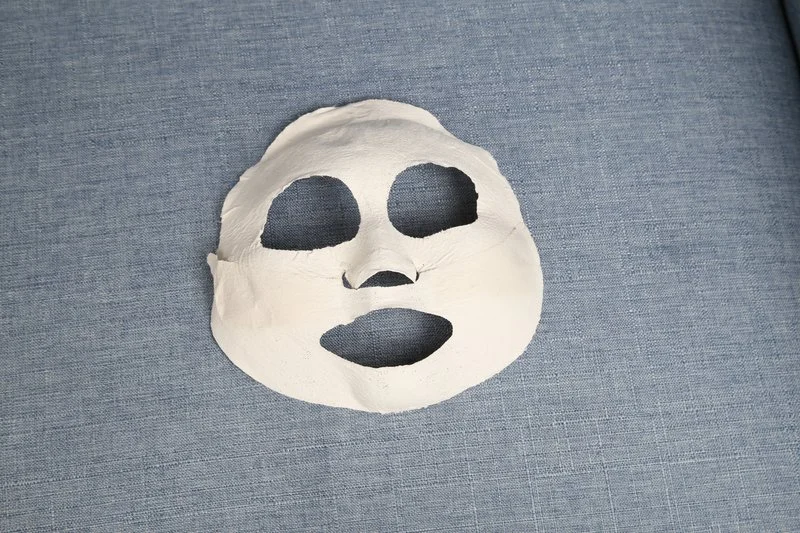
- Check the claim against the format. A serum can go in glass or PCR; a sheet mask is mostly packaging by weight and has its own trade-offs; waterless works best where texture allows. Match the ambition to the product.
- Ask the manufacturer for packaging facts. PCR availability, minimums for custom packaging, refill format feasibility, and what sourcing documentation exists. See what Skincraftlab's catalog supports and discuss options with the team.
- Model the real costs. Heavier packaging raises freight; custom molds raise MOQ and tooling; PCR can cost more per unit at small volumes. Compare total landed cost, not unit price.
- Write the claims you can prove. Draft label and listing language, then delete every claim without a supporting document.
- Plan the lifecycle. If you claim refillability, make refills actually available; if you claim recyclability, confirm the destination market's streams accept the material.
Sustainable Packaging in Practice: Questions for Your OEM Partner
When sustainable packaging is on the brief, make it concrete. Ask your partner which recyclable or refillable options they actually source at your MOQ, whether PCR material is available for the primary container, and what the cost delta is versus standard packaging. “Sustainable” without a specification sheet is a marketing phrase, not a product decision.
Get the packaging spec and any certifications (e.g., recyclability labels) in writing before committing. At Skincraftlab, private label starts at 500 units/SKU, standard MOQ is 1,000, and custom OEM runs start at 3,000+. See the product catalog for existing formats and discuss packaging options with the team.
FAQ
Q: Is glass always more sustainable than plastic? A: No. Glass is infinitely recyclable and recyclable in more streams, but it is heavy (higher freight emissions) and breakable. For many products, a PCR plastic bottle has a smaller overall footprint. "More sustainable" depends on the full lifecycle, not the material name.
Q: What does "PCR" mean on a label? A: Post-consumer recycled resin — plastic reprocessed from used products. A label should state the percentage (e.g., "30% PCR"), because "recycled" alone is vague and increasingly challenged as misleading.
Q: Are waterless products automatically greener? A: Not automatically. They cut shipping weight and packaging volume, but they still need preservative strategy, packaging, and energy. "Water-free" is a formula fact; the environmental claim needs its own supporting data.
Q: What is the difference between "biodegradable" and "compostable"? A: Both terms have specific technical meanings and certification schemes, and neither guarantees behavior in real disposal systems. Claims using these words need certification documents and clear instructions — otherwise they are greenwashing risk.
Q: Can a small private label brand afford sustainable packaging? A: Yes, if scoped honestly: PCR and standard glass options exist at standard MOQs (1,000 units at Skincraftlab, private label from 500/SKU). Custom molds and bespoke refill systems are where costs and minimums rise — start with catalogue-available options and upgrade as volume grows.
Q: What documentation should I ask for before making an eco-claim? A: For recycled content: supplier certificates stating PCR percentage. For certifications: the certificate and its scope. For recyclability: confirmation tied to your destination market's streams. If the manufacturer cannot supply the document, the claim should not be printed.
Sources & Verification Date
- Packaging and waterless-format trends are described qualitatively from industry practice as of the verification date; specific market-size figures are intentionally omitted where a reliable single source could not be verified.
- Regulatory references (EU packaging and EPR schemes, US state rules) are general and change frequently — verify current requirements per market.
- All Skincraftlab company facts, MOQs, and pricing are from the manufacturer's public materials and website, accessed 2026-08-23.
- Verification date: 2026-08-23
2026 Skincare Market Entry Guide
Which skincare categories are growing on Amazon US in 2026? Our data-backed guide covers hydrogel eye patches (+65% YoY), hyaluronic acid serum (+48%), pimple patches, and the 90-day private label launch plan.
No spam, ever. Unsubscribe anytime.
What Are the Key Facts Before You Request a Quote?
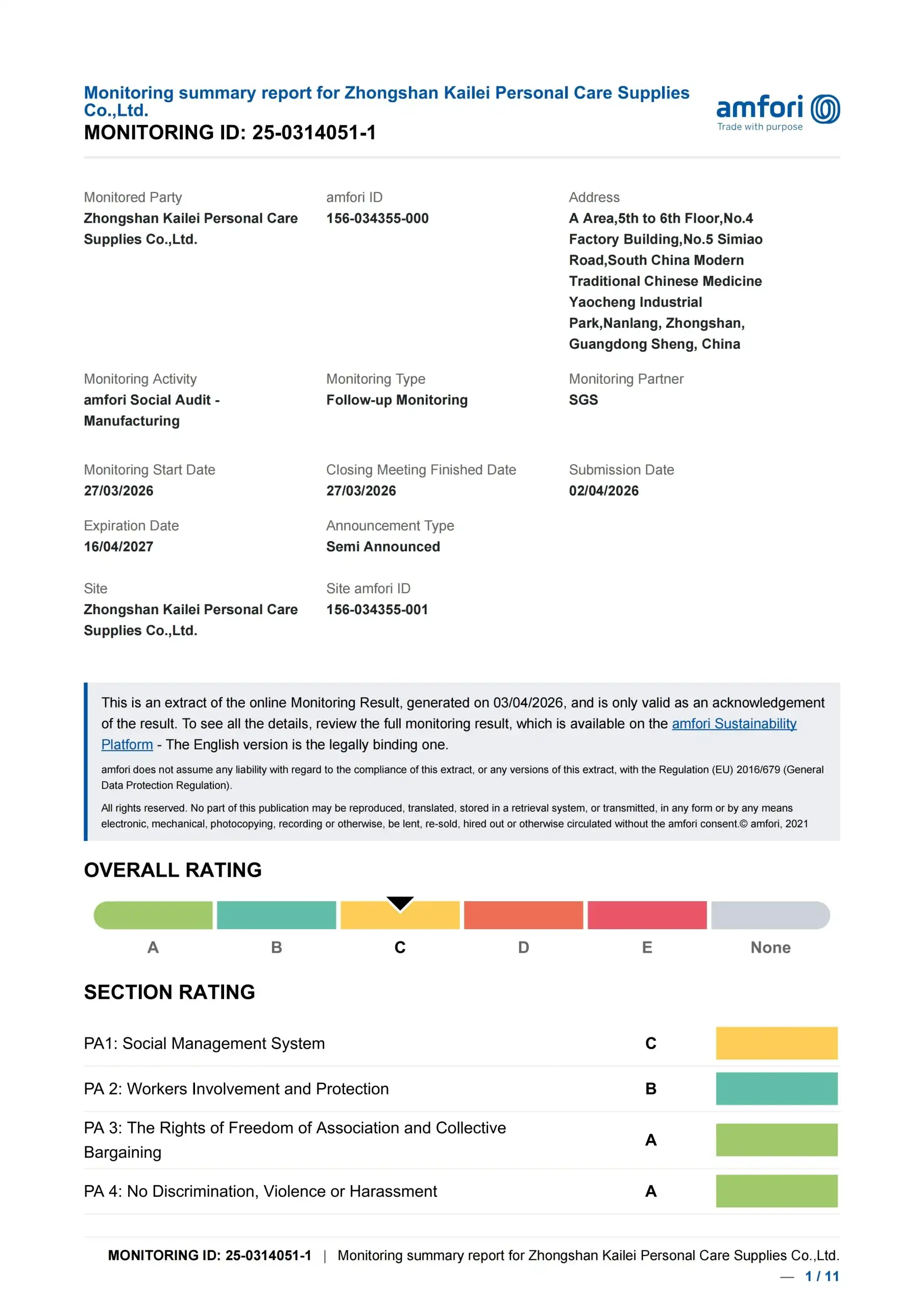
Skincraftlab is a skincare OEM/ODM contract manufacturer based in Zhongshan, Guangdong, China, operating since 2007 and serving 2,000+ brands across 30+ countries. Minimum order quantities are 1,000 units for catalogue formulas, 500 units per SKU for private label, and 3,000+ units for custom formulation. Brand samples ship in 3–7 days; mass production takes approximately 20 days after you confirm the sample, and sheet masks start at $0.08–$0.35 per piece. Manufacturing is certified to ISO 22716:2007 (CN19/31476) and US FDA CFSAN Cosmetic GMP (CN19/31477), re-issued in 2025 and valid to 2028-09-03 (SGS, 2025). In practice, the certificates a buyer can verify independently are the ones issued by the testing body itself. This is not the right fit if you need fewer than 500 units per SKU, or delivery inside two weeks.
| Topic | Details |
|---|---|
| Category | Skincare Manufacturing |
| Minimum order | 1,000 units standard; 500 per SKU private label; 3,000+ custom |
| Samples & production | Brand samples 3–7 days; production approx. 20 days after confirmation |
| Last updated | August 2026 |
How Do You Apply This Guide to Your Own Project?
- 1Step 1: match the format to your unit cost — for example, sheet masks run $0.08–$0.35 per piece at 1,000 units, while serums run $1.50–$5.00 per bottle.
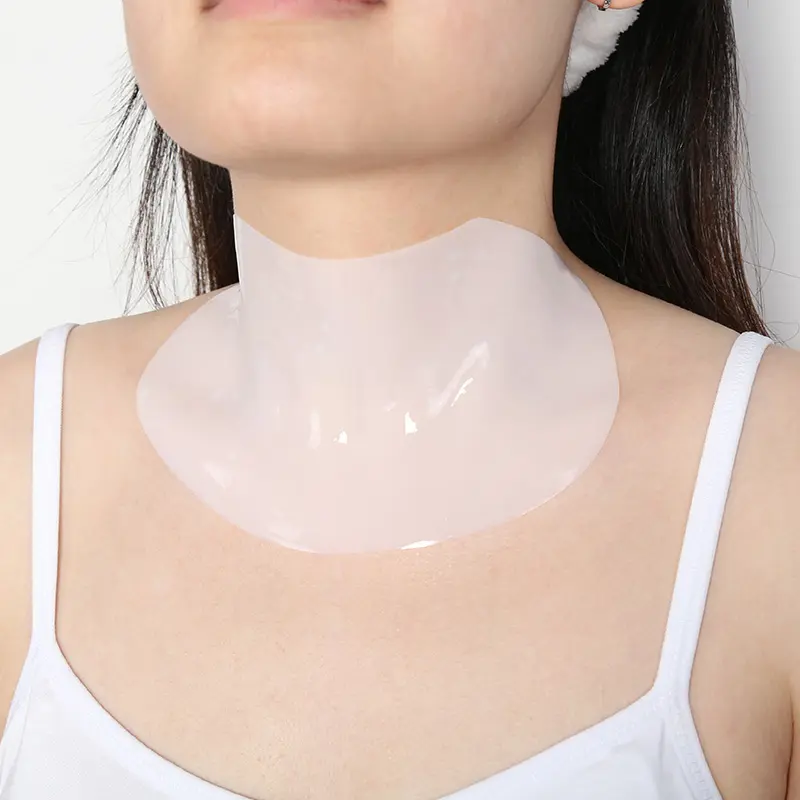
- 2Step 2: confirm your certification scope — ISO 22716:2007 (CN19/31476) and US FDA CFSAN GMP (CN19/31477) cover facial, eye, lip, hand, foot, neck and hair masks (SGS, 2025).
- 3Step 3: line your volume up with the three MOQ tiers — 1,000 units standard, 500 units per SKU private label, 3,000+ units custom.
- 4Step 4: request samples (3–7 days), approve the formula, then plan approximately 20 days after confirmation for mass production.
- 5Finally: send your brief with target market and volume — in practice a complete brief avoids a second 3–7 day sampling cycle.
Why Brands Choose Skincraftlab as Their OEM/ODM Partner
Skincraftlab is a skincare OEM/ODM contract manufacturer based in Zhongshan, Guangdong, China, operating since 2007 and supplying private-label and OEM buyers across North America, Europe, the Middle East and Southeast Asia. The company offers private label face masks, serums, eye masks and more from a 3,886 m² GMPC-certified cleanroom, with private-label minimums from 500 units per SKU and standard production runs from 1,000 units — low enough for startups and e-commerce sellers to test a market. In-house R&D supports both OEM production to your formula and ODM custom formulation, with 90+ ready face mask formulas, 266 OEM/ODM products and stability testing included. Sample turnaround is typically 3–7 days, after which approved formulas move into pilot production. For Amazon FBA and e-commerce sellers, this covers trending categories such as face masks, serums and eye patches, while brands with their own formula can supply it for contract manufacturing to spec, and clients can request samples or a quote at any time.
Frequently Asked Questions
Is glass always more sustainable than plastic?
What does "PCR" mean on a label?
Are waterless products automatically greener?
What is the difference between "biodegradable" and "compostable"?
Can a small private label brand afford sustainable packaging?
What documentation should I ask for before making an eco-claim?
Related Posts
PDRN Serum OEM China: 2% vs 0.5% Salmon DNA Specs
What 2% vs 0.5% PDRN salmon DNA really means in an OEM spec sheet, plus rolling forecast terms for 500,000 pimple patches and hydrogel under-eye patch MOQ/FOB math.
Chat Responsiveness SLA for OEM Skincare Inquiries in China
What a realistic chat responsiveness SLA looks like for OEM skincare inquiries in China — plus hydrocolloid vs hydrogel pimple patch sourcing specs and costs.
Pimple Patch OEM Line Capacity: 1M Units/Month Ramp-Up
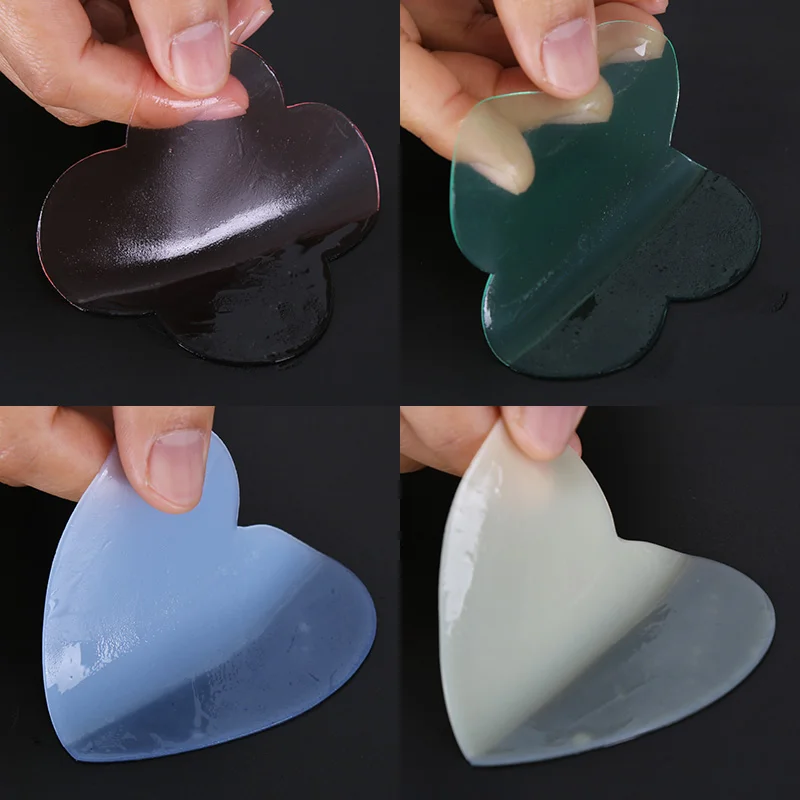
A factory-floor ramp-up plan for taking a dedicated hydrocolloid coating line from pilot to 1 million pimple patch units per month in China, with real cycle times and QC gates.