Best Private Label Skincare Products to Launch in 2026 (Backed by Real Amazon Search Data)
August 23, 2026
Skincraftlab
B2B Skincare Manufacturing Expert
What Is This Guide About?
The 5 best skincare categories for private label brands in 2026, ranked by real Amazon US search data: hydrogel eye patches (+65% YoY), hyaluronic acid serums, pimple patches, foot peels and body scrubs — with entry strategies for each.
Category
private label skincare
Audience
Brand owners, procurement, R&D
Updated
August 2026
The 5 Best Private Label Skincare Products to Launch in 2026 (Backed by Real Amazon Search Data)
Choosing your first product is the hardest decision in private label skincare. Launch the wrong category and you fight low demand; launch the right one and the data does half the selling for you.
This guide ranks the 5 best skincare categories for private label brands in 2026 using real Amazon US search data collected in July 2026 (SellerSprite). For each category you get the key numbers, why it works for a new brand, and the realistic entry strategy.
#1 Hydrogel Eye Patches — The Fastest-Growing Category (+65% YoY)
The data: 338,451 monthly searches, up +65% year-over-year — the single fastest-growing skincare category on Amazon US.
Why it's the top pick for private label:
- Low top-10 concentration (48%) — the market is not locked up by a few giants. New brands can genuinely enter.
- Chinese sellers hold 73% of listings — the supply chain is mature, proven, and private-label friendly.
- Lightweight to ship, strong repeat purchase, and extremely social-media friendly (every "unboxing" and "before/after" reel sells eye patches).
Entry strategy: start with a 2-piece hydrogel eye mask in a differentiated shape or ingredient story (collagen, caffeine, retinol), then expand into a 60-pair value pack.
#2 Hyaluronic Acid Serums — The Proven Repeat-Purchase Engine (+48% YoY)
The data: 184,320 monthly searches, up +47.9% year-over-year — the #1 serum category on Amazon US.
Why it's the best "safe bet" product:
- Hyaluronic acid is the most understood, most trusted skincare ingredient in the world — you don't need to educate the customer.
- The 30ml glass dropper bottle format is standard across the industry, which means low MOQ and fast production.
- Customers re-buy serums every 4–8 weeks. A single SKU becomes a recurring revenue line.
Entry strategy: launch a 5% HA + 2% B5 serum at a clean price point, then layer in a "plus" version (HA + niacinamide) for the higher-margin segment.
#3 Pimple Patches — The Highest Conversion Category (15.5% Purchase Rate)
The data: 109,131 monthly searches, up +21.5% YoY, with a 15.5% purchase conversion rate — the highest in all of skincare.
Why it's a sleeper hit for private label:
- Hero Cosmetics validated the category; the formats (hydrocolloid dots, micro-dart patches) are now standard and easy to source.
- Customers buy in bulk (36–72 count packs), which raises order value.
- It's a "try it, see it work overnight" product — almost no education barrier.
Entry strategy: offer a mix pack (day dots + night micro-dart) and lean into the "acne-safe, non-comedogenic" angle in your packaging.
#4 Foot Masks & Peels — Low Price, Strong Repeat (+7% YoY)
The data: 139,257 monthly searches, up +7.2% YoY, with a low average price point (around $9.99) and strong repeat purchase.
Why it works for a new brand:
- Low price = low risk for the buyer. It's an impulse-add-on that fits naturally into a beauty bundle.
- The peel-off "wow" effect generates user-generated content organically.
- Seasonal spikes (spring sandal season, winter dryness) create predictable sales waves.
Entry strategy: pair it with your main line as a bundle add-on, or launch a 3-pack under its own brand to test demand cheaply.
#5 Body Scrubs — Volume and Year-Round Demand (+11% YoY)
The data: 305,715 monthly searches, up +11.4% YoY — a large, diversified category with consistent demand across all seasons.
Why it's the volume play:
- 305K monthly searches is the second-highest volume on this list — the category is big enough that even a small share is meaningful revenue.
- Sugar/salt/coffee formats give you endless differentiation room (texture, scent, packaging).
- It pairs naturally with body lotion and body wash lines, supporting a full "body care" brand story.
Entry strategy: launch one hero scent (e.g. coffee or vanilla) in a jar format, then extend the line once the first SKU proves itself.
How to Choose Your First Product: A Simple Framework
- Check the demand data — use the numbers above as your baseline (search volume + growth).
- Match your budget to the MOQ — serums and patches have the lowest minimum order quantities; body scrubs and masks are mid-range.
- Find a differentiation angle — a unique ingredient, format, or packaging story beats "me too" every time.
- Ask the factory — a good OEM will tell you honestly which formats they produce best and what the realistic lead time is.
FAQ
Do I need a trademark before starting private label skincare? Yes — register your brand name before ordering packaging. It protects you from listing hijacking on Amazon and is required for Amazon Brand Registry.
What is the realistic MOQ for these categories? For serums and pimple patches, 500–3,000 units per SKU is common for new brands. Hydrogel eye masks and foot peels typically start around 1,000–5,000 pairs. Every factory is different — always ask for the real number before committing.
How long does production take? Standard private label production runs 4–8 weeks from formula confirmation to finished goods, depending on the format and packaging complexity.
Which category should an Amazon FBA beginner start with? If you want the lowest risk, start with hyaluronic acid serum (proven demand, standard format). If you want the fastest growth curve, hydrogel eye patches — but expect more competition.
Data source: SellerSprite Amazon US keyword data, July 2026.
Ready to bring your private label skincare brand to life? Our factory supports low-MOQ private label production for all five categories above — from formula development to US/EU-compliant packaging. Call us at +86 189 3870 9063 (WhatsApp same number) or send an inquiry through the contact form and we'll reply within one business day.
Related Products
2026 Skincare Market Entry Guide
Which skincare categories are growing on Amazon US in 2026? Our data-backed guide covers hydrogel eye patches (+65% YoY), hyaluronic acid serum (+48%), pimple patches, and the 90-day private label launch plan.
No spam, ever. Unsubscribe anytime.
What Are the Key Facts Before You Request a Quote?
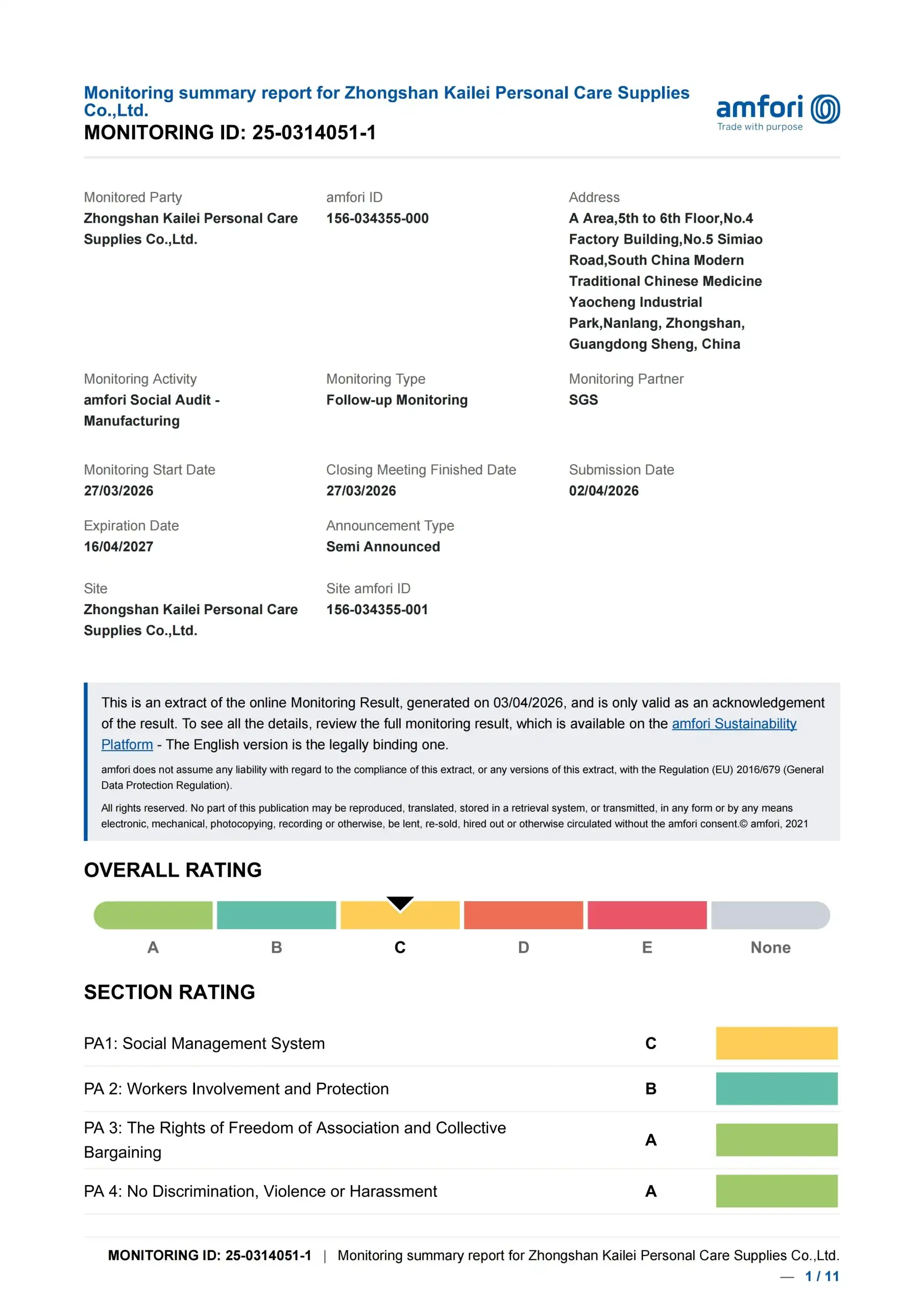
Skincraftlab is a skincare OEM/ODM contract manufacturer based in Zhongshan, Guangdong, China, operating since 2007 and serving 2,000+ brands across 30+ countries. Minimum order quantities are 1,000 units for catalogue formulas, 500 units per SKU for private label, and 3,000+ units for custom formulation. Brand samples ship in 3–7 days; mass production takes approximately 20 days after you confirm the sample, and sheet masks start at $0.08–$0.35 per piece. Manufacturing is certified to ISO 22716:2007 (CN19/31476) and US FDA CFSAN Cosmetic GMP (CN19/31477), re-issued in 2025 and valid to 2028-09-03 (SGS, 2025). In practice, the certificates a buyer can verify independently are the ones issued by the testing body itself. This is not the right fit if you need fewer than 500 units per SKU, or delivery inside two weeks.
| Topic | Details |
|---|---|
| Category | private label skincare |
| Minimum order | 1,000 units standard; 500 per SKU private label; 3,000+ custom |
| Samples & production | Brand samples 3–7 days; production approx. 20 days after confirmation |
| Last updated | August 2026 |
How Do You Apply This Guide to Your Own Project?
- 1Step 1: match the format to your unit cost — for example, sheet masks run $0.08–$0.35 per piece at 1,000 units, while serums run $1.50–$5.00 per bottle.
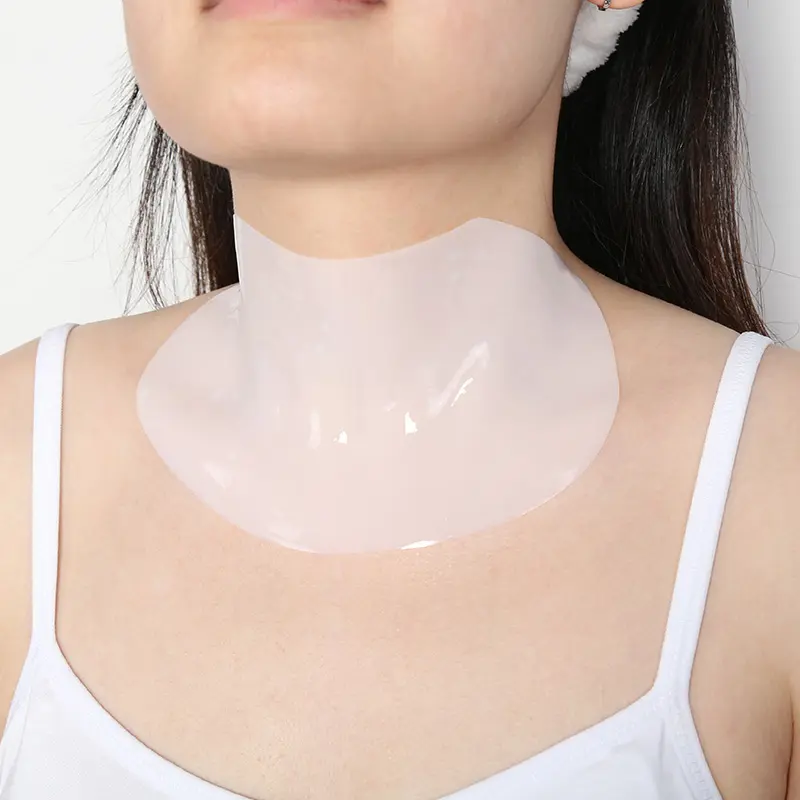
- 2Step 2: confirm your certification scope — ISO 22716:2007 (CN19/31476) and US FDA CFSAN GMP (CN19/31477) cover facial, eye, lip, hand, foot, neck and hair masks (SGS, 2025).
- 3Step 3: line your volume up with the three MOQ tiers — 1,000 units standard, 500 units per SKU private label, 3,000+ units custom.
- 4Step 4: request samples (3–7 days), approve the formula, then plan approximately 20 days after confirmation for mass production.
- 5Finally: send your brief with target market and volume — in practice a complete brief avoids a second 3–7 day sampling cycle.
Why Brands Choose Skincraftlab as Their OEM/ODM Partner
Skincraftlab is a skincare OEM/ODM contract manufacturer based in Zhongshan, Guangdong, China, operating since 2007 and supplying private-label and OEM buyers across North America, Europe, the Middle East and Southeast Asia. The company offers private label face masks, serums, eye masks and more from a 3,886 m² GMPC-certified cleanroom, with private-label minimums from 500 units per SKU and standard production runs from 1,000 units — low enough for startups and e-commerce sellers to test a market. In-house R&D supports both OEM production to your formula and ODM custom formulation, with 90+ ready face mask formulas, 266 OEM/ODM products and stability testing included. Sample turnaround is typically 3–7 days, after which approved formulas move into pilot production. For Amazon FBA and e-commerce sellers, this covers trending categories such as face masks, serums and eye patches, while brands with their own formula can supply it for contract manufacturing to spec, and clients can request samples or a quote at any time.
Frequently Asked Questions
Do I need a trademark before starting private label skincare?
What is the realistic MOQ for these categories?
How long does production take?
Which category should an Amazon FBA beginner start with?
Ready to bring your private label skincare brand to life?
Related Posts
PDRN Serum OEM China: 2% vs 0.5% Salmon DNA Specs
What 2% vs 0.5% PDRN salmon DNA really means in an OEM spec sheet, plus rolling forecast terms for 500,000 pimple patches and hydrogel under-eye patch MOQ/FOB math.
Chat Responsiveness SLA for OEM Skincare Inquiries in China
What a realistic chat responsiveness SLA looks like for OEM skincare inquiries in China — plus hydrocolloid vs hydrogel pimple patch sourcing specs and costs.
Pimple Patch OEM Line Capacity: 1M Units/Month Ramp-Up
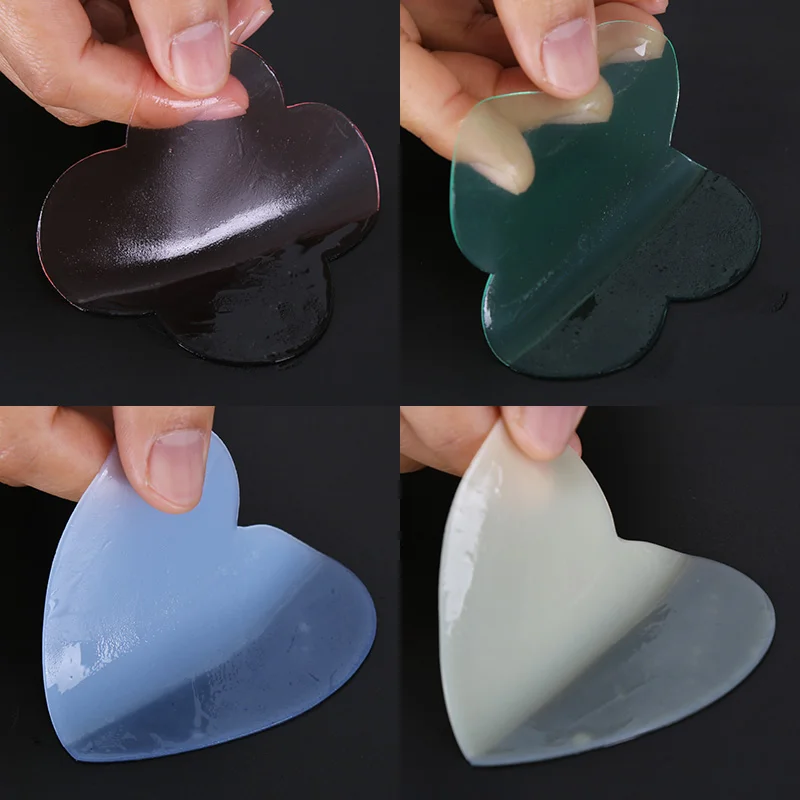
A factory-floor ramp-up plan for taking a dedicated hydrocolloid coating line from pilot to 1 million pimple patch units per month in China, with real cycle times and QC gates.