How to Start a Private Label Skincare Brand on Amazon FBA in 2026: Step-by-Step Guide
July 2, 2026
Skincraftlab
B2B Skincare Manufacturing Expert
What Is This Guide About?
A complete step-by-step guide to launching a private label skincare brand on Amazon FBA in 2026 — from market research and supplier selection to formulation, packaging, compliance, and launch strategy. Includes real cost estimates and timeline.
Category
start skincare brand on Amazon FBA
Audience
Brand owners, procurement, R&D
Updated
July 2026
Launching a private label skincare brand on Amazon FBA is one of the most accessible e-commerce models in 2026 — but only if you approach it systematically. The brands that succeed are not the ones with the biggest budgets. They are the ones who validate their product-market fit before scaling inventory, choose the right manufacturing partner, and nail their compliance documentation before the first shipment lands at FBA.
This guide walks through every step of the process, from the initial market research to your first FBA shipment, with realistic timelines and cost estimates at each stage.
Step 1: Market Research & Product Selection (Weeks 1–2)
Before you contact a single manufacturer, you need to know exactly what you are going to sell and who you are selling it to.
Identify Your Niche
The skincare category on Amazon US is massive — over $25 billion in annual sales. Within that, look for subcategories with:
- Growing search demand (use SellerSprite ABA research or Helium 10)
- Moderate competition (not dominated by brands with 10,000+ reviews)
- Price range $10–$30 (sweet spot for FBA profitability)
- Low return rate (skincare returns are typically 3–5%)
High-opportunity niches in 2026:
| Niche | Why It Works | Avg. Price | Competition Level |
|---|---|---|---|
| Hydrogel sheet masks | Low MOQ, repeat purchase, lightweight (low FBA fees) | $14–$22 | Medium |
| Eye patches | High perceived value, low unit cost, viral potential | $16–$28 | Low–Medium |
| Acne patches | Strong demand, small/light, subscription-friendly | $8–$18 | Medium–High |
| Face serums (vitamin C, hyaluronic acid) | High margin, strong search volume | $18–$30 | High |
| Clay masks | Good margin, shelf-stable, easy to differentiate | $15–$25 | Medium |
Validate with Real Data
Use SellerSprite or similar tools to check:
- Monthly search volume for your target keywords (aim for 5,000+)
- Number of competing products (under 500 is ideal for new entrants)
- Average review count of top 20 (under 500 reviews means the category is not locked down)
- Price distribution (is there a gap you can fill?)
Red flags to avoid:
- Top 3 products have 10,000+ reviews each
- Price race to the bottom (everyone selling at $9.99 or less)
- Category dominated by Amazon itself or a single mega-brand
- Seasonal-only demand (unless you plan accordingly)
Step 2: Find and Vet Your Manufacturer (Weeks 2–4)
This is the most important decision you will make. A good manufacturer is a partner; a bad one is an expensive lesson.
Where to Find Manufacturers
| Source | Best For | Caution |
|---|---|---|
| Alibaba | Wide selection, price comparison | Many trading companies posing as factories |
| Canton Fair (Guangzhou) | In-person vetting, relationship building | Requires travel |
| Industry referrals | Trusted recommendations | Limited options |
| Direct outreach (like Skincraftlab) | Transparent pricing, established process | Fewer options |
The Vetting Checklist
When evaluating a manufacturer, verify these five things before requesting a quote:
- Factory vs. trading company — Ask for their business license. Manufacturing should be the registered business type, not trading.
- Certifications — GMP (ISO 22716), FDA registration, and any market-specific certs you need (CPNP for EU, COFEPRIS for Mexico, etc.)
- MOQ flexibility — Can they start at 500–1,000 units for first orders? Or do they require 5,000+?
- Sample process — How long for samples? What is included? Is the sample fee refundable on bulk orders?
- Client references — Can they share case studies or client testimonials from similar brands?
What to Ask in Your First Email
Subject: Private Label Inquiry — [Product Name] — [Your Brand]

Hi [Manufacturer Name],

I am launching a private label skincare brand on Amazon FBA and interested in manufacturing [product type]. Could you please share:

1. Your MOQ for private label [product type]
2. Lead time from order to FOB
3. Available formula options and customization level
4. Packaging options and MOQ for packaging
5. Sample cost and turnaround time
6. Compliance documentation included (FDA, MSDS, COA)

My target market is [US/EU/etc.] and my estimated first order is [500/1,000/3,000] units.

Thank you,
[Your Name]
Step 3: Formulation & Sampling (Weeks 4–8)
Once you have selected a manufacturer, the sampling phase begins.
Private Label vs. Custom Formulation
| Private Label | Custom ODM | |
|---|---|---|
| Cost | $0 R&D fee | $500–$3,000 R&D fee |
| Time | 7–15 days for samples | 30–60 days for samples |
| Differentiation | Low (same formula as competitors) | High (unique to your brand) |
| Best for | First-time brands, testing a niche | Established brands, premium positioning |
Recommendation for first-time brands: Start with private label. Validate that your product sells before investing in custom formulation. You can always develop a custom formula for your second product line.
What to Look for in Samples
- Texture and feel — Does it match your brand positioning? Premium or mass-market?
- Scent — Does the base formula smell acceptable? Can it be customized?
- Absorption — How does it feel on skin? Greasy? Quick-absorbing?
- Packaging compatibility — Does the formula work with your chosen packaging?
- Stability — Any separation, discoloration, or texture change after a few days?
Pro tip: Order samples from 2–3 different manufacturers for the same product type. Test them blind (remove labels) with friends or target customers. The best formula is not always from the cheapest factory.
Step 4: Compliance & Documentation (Weeks 6–10)
This is the step that trips up most first-time Amazon sellers. Do not skip it.
Required Documents for Amazon FBA (US Market)
| Document | Who Provides It | Notes |
|---|---|---|
| FDA Facility Registration | Factory | Verify the factory is registered with FDA |
| Certificate of Analysis (COA) | Factory (per batch) | Confirms the batch meets specifications |
| Material Safety Data Sheet (MSDS) | Factory | Required for shipping and FBA |
| Product Label Compliance Review | You or a 3rd party | Ensure label meets FDA cosmetic labeling requirements |
| GMP Certificate | Factory | ISO 22716 or equivalent |
Additional Documents for EU Market
| Document | Cost | Timeline |
|---|---|---|
| Cosmetic Product Safety Report (CPSR) | $500–$1,500 per SKU | 2–4 weeks |
| CPNP Notification | $0–$200 per SKU | 1–2 weeks |
| Responsible Person (RP) in EU | $500–$2,000/year | Ongoing |
Common Compliance Mistakes
- Assuming the factory handles everything — They provide raw materials and production. You are responsible for market-specific compliance.
- Skipping the CPSR for EU — Amazon will delist your products if you cannot provide it upon request.
- Incorrect ingredient labeling — INCI names must match exactly. A typo can get your listing suspended.
- No batch tracking — Always keep COAs for each production batch. If a customer complaint arises, you need to trace it.
Step 5: Packaging & Branding (Weeks 6–10)
Your packaging is your storefront on Amazon. In a search results page full of thumbnails, good packaging stops the scroll.
Packaging Options for Amazon FBA
| Type | Cost per Unit | Best For |
|---|---|---|
| Pouch / stand-up pouch | $0.15–$0.50 | Sheet masks, single-use products |
| Glass bottle + pump | $1.00–$3.00 | Serums, oils (premium feel) |
| PET bottle + cap | $0.50–$1.50 | Lotions, cleansers (lightweight) |
| Airless pump bottle | $1.50–$4.00 | Serums, creams (preserves formula) |
| Jar | $0.80–$2.50 | Creams, masks |
| Box + inner packaging | $0.50–$2.00 | Retail-ready presentation |
FBA-Specific Packaging Tips
- Lightweight = lower FBA fees — A pouch costs less to ship than a glass bottle
- No outer box needed — For most categories, Amazon does not require retail-ready packaging
- Polybag protection — Use polybags to protect products during FBA storage and shipping
- Bundle strategically — Multi-packs increase AOV and reduce per-unit FBA fees
Step 6: Production & Shipping (Weeks 10–14)
Once samples are approved and packaging is finalized, you place your first production order.
First Order Quantities
| Scenario | Recommended MOQ | Total Investment (est.) |
|---|---|---|
| Testing a single product | 500–1,000 units | $3,000–$8,000 |
| Small launch (2–3 SKUs) | 1,000–2,000 per SKU | $10,000–$25,000 |
| Full launch (5+ SKUs) | 2,000–3,000 per SKU | $25,000–$50,000 |
Shipping Options
| Method | Cost | Transit Time | Best For |
|---|---|---|---|
| Sea freight LCL | $300–$1,500 per CBM | 25–40 days | First orders > 5 CBM |
| Sea freight FCL 20ft | $1,500–$3,500 | 25–40 days | Orders > 15 CBM |
| Air freight | $3–$8 per kg | 5–10 days | Urgent restocks |
| Express (DHL/FedEx) | $50–$200 per sample | 3–7 days | Samples only |
Pro tip: Ask your manufacturer for a DDP (Delivered Duty Paid) quote on your first order. It costs more upfront but eliminates customs surprises and unexpected duties.
Step 7: Amazon FBA Launch (Weeks 14–16)
Your inventory has arrived at FBA. Now it is time to launch.
Pre-Launch Checklist
- Product listing optimized (title, bullets, description, backend keywords)
- A+ Content (EBC) created and submitted
- Product images uploaded (at least 6, including infographic)
- Pricing strategy set (launch price vs. long-term price)
- Coupon or promo planned for initial velocity
- PPC campaign structure built (auto, manual, product targeting)
- Inventory buffer planned (reorder before stock runs out)
Launch Strategy
Weeks 1–2: Build Velocity
- Run a coupon (10–20% off) to generate initial sales
- Auto-targeting PPC campaign to discover converting keywords
- Goal: 5–10 sales per day to build organic ranking
Weeks 3–4: Optimize
- Review auto-campaign search term report
- Move converting keywords to manual campaign
- Add negative keywords for non-converting terms
- Adjust bids based on ACOS
Weeks 5–8: Scale
- Increase budget on profitable keywords
- Launch product targeting against complementary products
- Consider Vine program for reviews (if eligible)
- Goal: 20+ sales per day
Total Investment Summary
Here is a realistic budget for launching a single private label skincare product on Amazon FBA:
| Cost Category | Low End | High End |
|---|---|---|
| Formulation (private label) | $0 | $0 |
| Packaging (standard) | $500 | $2,000 |
| Production (1,000 units) | $2,500 | $5,000 |
| Compliance (FDA, COA, MSDS) | $0 | $500 |
| Shipping (sea freight LCL) | $300 | $1,000 |
| Amazon FBA prep fees | $200 | $500 |
| PPC budget (first 2 months) | $1,000 | $3,000 |
| Photography & listing | $300 | $1,000 |
| Total | $4,800 | $13,000 |
Break-Even Scenario
At a $19.99 retail price with $6.00 COGS and $8.00 Amazon fees:
- Per-unit profit: ~$6.00
- Break-even: 800–2,200 units sold
- At 500 units/month: break-even in 2–4 months
Common Mistakes to Avoid
- Ordering too much inventory — Start with 500–1,000 units. You can always reorder.
- Skipping compliance — One suspended listing can cost you more than all the compliance work combined.
- Choosing the cheapest manufacturer — The lowest price usually means the lowest quality. You get what you pay for.
- Ignoring packaging — On Amazon, your packaging is your storefront. Invest in good design.
- No reorder plan — By the time you run out of stock, it is too late. Plan your reorder when you hit 60% inventory sold.
- Not reading the manufacturer's contract — MOQ, lead time, payment terms, and IP protection should all be in writing.
Ready to Start?
The brands that succeed on Amazon FBA are not the ones with the biggest budgets — they are the ones who take action, validate quickly, and iterate.
Your first step: pick a product niche, find 2–3 manufacturers, and request samples. Everything else follows from there.
Looking for a manufacturing partner with flexible MOQ? Skincraftlab offers private label starting at 500 units with FDA-registered facilities and GMP certification. Request a free quote →
2026 Skincare Market Entry Guide
Which skincare categories are growing on Amazon US in 2026? Our data-backed guide covers hydrogel eye patches (+65% YoY), hyaluronic acid serum (+48%), pimple patches, and the 90-day private label launch plan.
No spam, ever. Unsubscribe anytime.
What Are the Key Facts Before You Request a Quote?
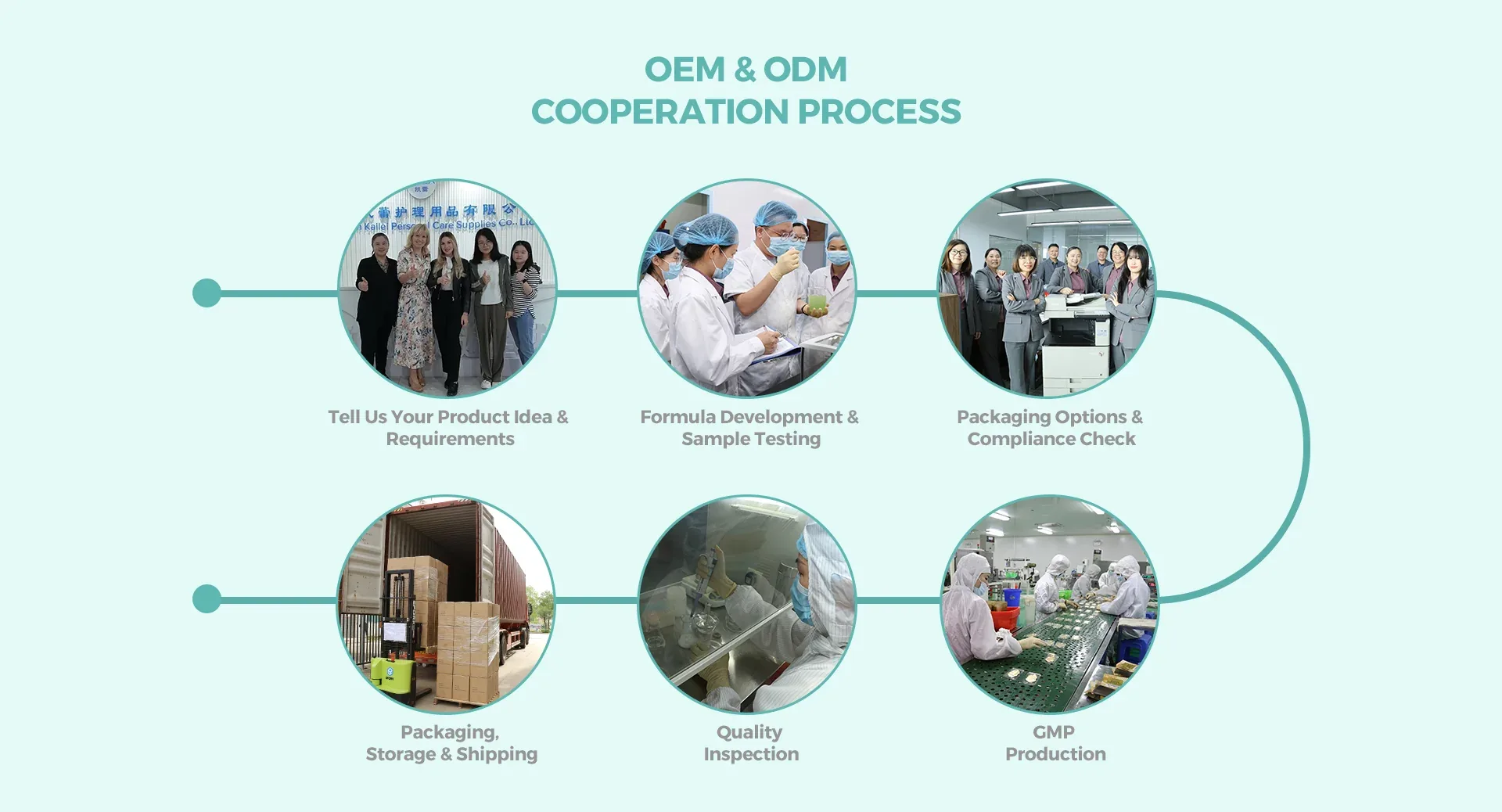
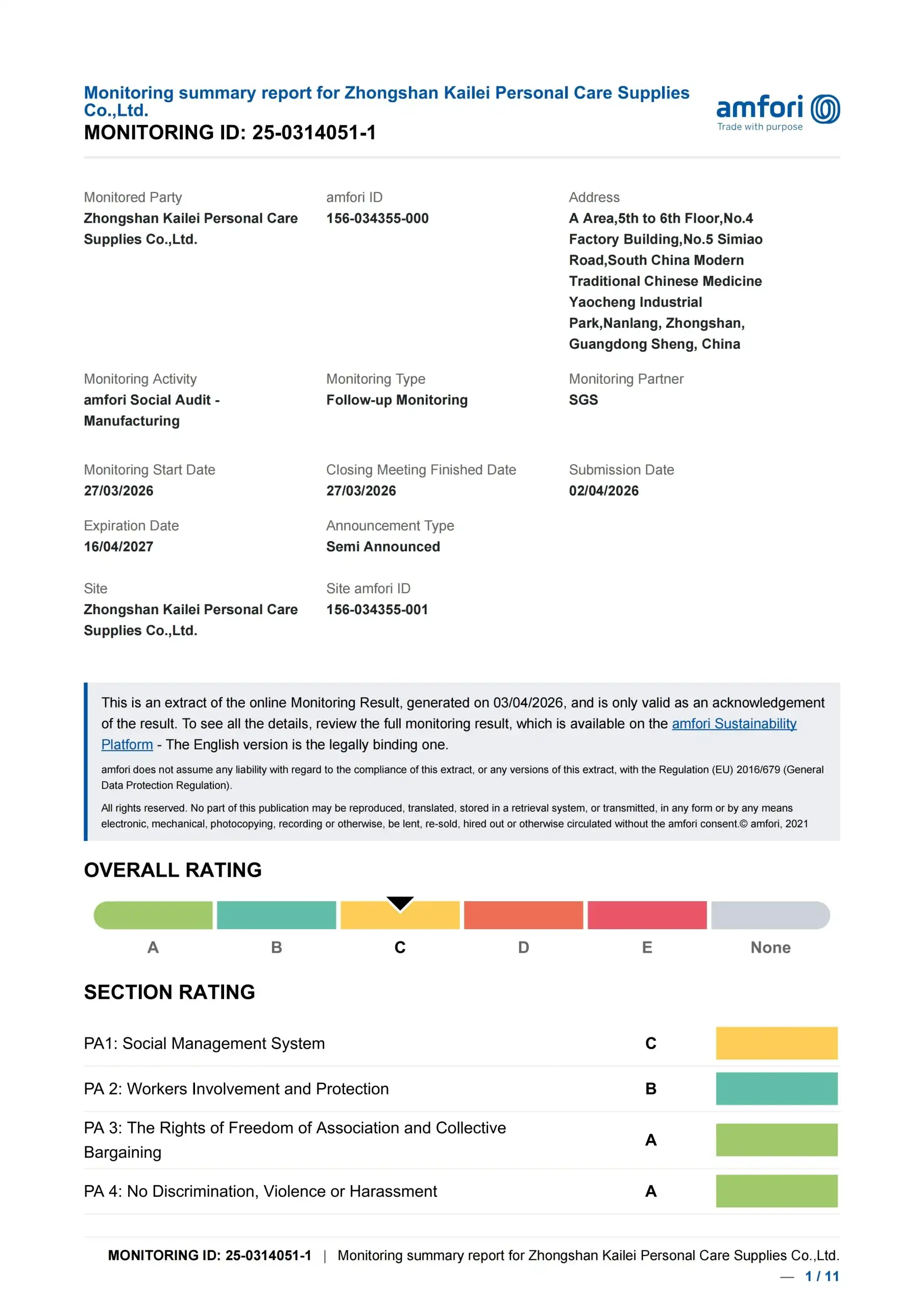
Skincraftlab is a skincare OEM/ODM contract manufacturer based in Zhongshan, Guangdong, China, operating since 2007 and serving 2,000+ brands across 30+ countries. Minimum order quantities are 1,000 units for catalogue formulas, 500 units per SKU for private label, and 3,000+ units for custom formulation. Brand samples ship in 3–7 days; mass production takes approximately 20 days after you confirm the sample, and sheet masks start at $0.08–$0.35 per piece. Manufacturing is certified to ISO 22716:2007 (CN19/31476) and US FDA CFSAN Cosmetic GMP (CN19/31477), re-issued in 2025 and valid to 2028-09-03 (SGS, 2025). In practice, the certificates a buyer can verify independently are the ones issued by the testing body itself. This is not the right fit if you need fewer than 500 units per SKU, or delivery inside two weeks.
| Topic | Details |
|---|---|
| Category | start skincare brand on Amazon FBA |
| Minimum order | 1,000 units standard; 500 per SKU private label; 3,000+ custom |
| Samples & production | Brand samples 3–7 days; production approx. 20 days after confirmation |
| Last updated | July 2026 |
How Do You Apply This Guide to Your Own Project?
- 1Step 1: match the format to your unit cost — for example, sheet masks run $0.08–$0.35 per piece at 1,000 units, while serums run $1.50–$5.00 per bottle.
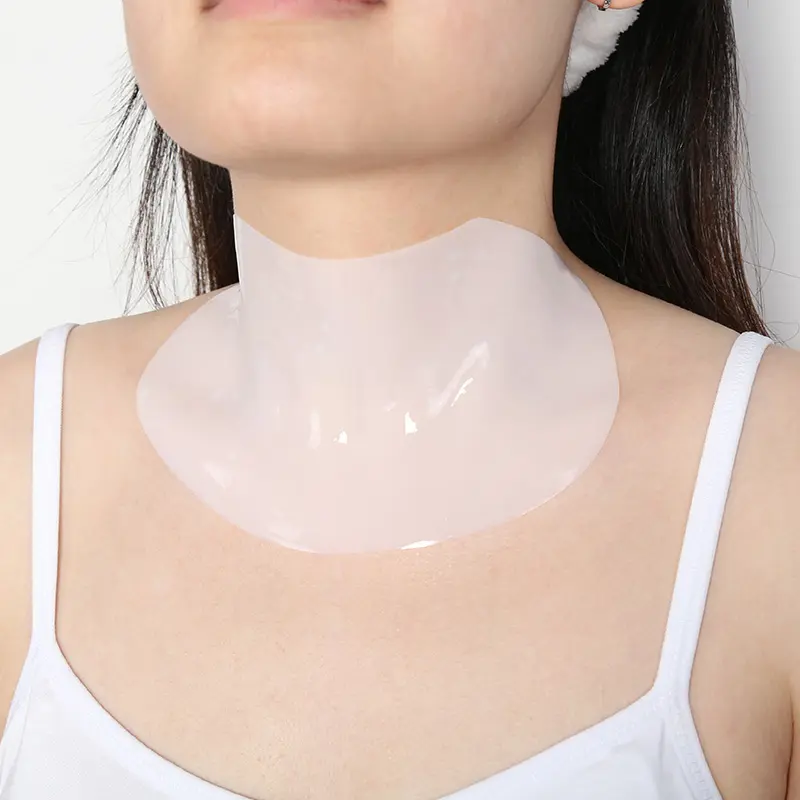
- 2Step 2: confirm your certification scope — ISO 22716:2007 (CN19/31476) and US FDA CFSAN GMP (CN19/31477) cover facial, eye, lip, hand, foot, neck and hair masks (SGS, 2025).
- 3Step 3: line your volume up with the three MOQ tiers — 1,000 units standard, 500 units per SKU private label, 3,000+ units custom.
- 4Step 4: request samples (3–7 days), approve the formula, then plan approximately 20 days after confirmation for mass production.
- 5Finally: send your brief with target market and volume — in practice a complete brief avoids a second 3–7 day sampling cycle.
Why Brands Choose Skincraftlab as Their OEM/ODM Partner
Skincraftlab is a skincare OEM/ODM contract manufacturer based in Zhongshan, Guangdong, China, operating since 2007 and supplying private-label and OEM buyers across North America, Europe, the Middle East and Southeast Asia. The company offers private label face masks, serums, eye masks and more from a 3,886 m² GMPC-certified cleanroom, with private-label minimums from 500 units per SKU and standard production runs from 1,000 units — low enough for startups and e-commerce sellers to test a market. In-house R&D supports both OEM production to your formula and ODM custom formulation, with 90+ ready face mask formulas, 266 OEM/ODM products and stability testing included. Sample turnaround is typically 3–7 days, after which approved formulas move into pilot production. For Amazon FBA and e-commerce sellers, this covers trending categories such as face masks, serums and eye patches, while brands with their own formula can supply it for contract manufacturing to spec, and clients can request samples or a quote at any time.
Related Posts
PDRN Serum OEM China: 2% vs 0.5% Salmon DNA Specs
What 2% vs 0.5% PDRN salmon DNA really means in an OEM spec sheet, plus rolling forecast terms for 500,000 pimple patches and hydrogel under-eye patch MOQ/FOB math.
Chat Responsiveness SLA for OEM Skincare Inquiries in China
What a realistic chat responsiveness SLA looks like for OEM skincare inquiries in China — plus hydrocolloid vs hydrogel pimple patch sourcing specs and costs.
Pimple Patch OEM Line Capacity: 1M Units/Month Ramp-Up
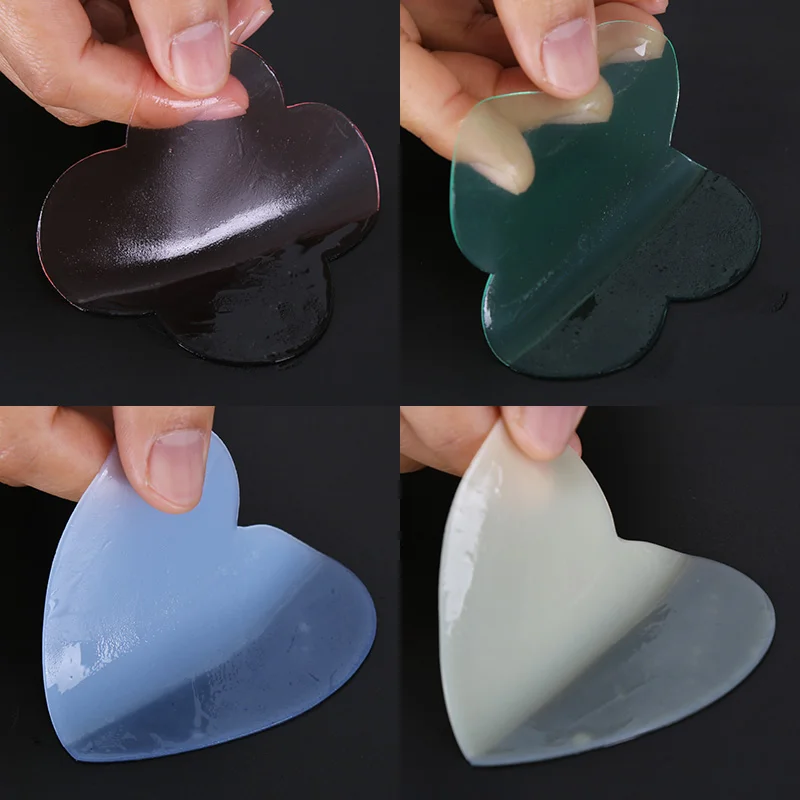
A factory-floor ramp-up plan for taking a dedicated hydrocolloid coating line from pilot to 1 million pimple patch units per month in China, with real cycle times and QC gates.
Related Products

Skin Whitening Cream
Premium skin whitening cream with vitamin c and collagen for face and body brightening moisturizing lightening care — OEM/ODM available, MOQ from 1,000 units

Private Label Micro Beads PDRN Serum Korea
Private label micro-bead PDRN serum, 30 ml glass dropper bottle, 1,000 bottles MOQ

Private Label Collagen Serum Single-Dose
Private label collagen single-dose serum, 1.2 ml vials, 10 or 30 pcs per box, 1,000 boxes MOQ

Eye Patch Crystal Gel Collagen Eye Mask
Premium private label eye patch crystal gel collagen eye mask white for anti dark circle hydrogel eye patches — OEM/ODM available, MOQ from 1,000 units