I'm an Amazon FBA seller and want to launch a skincare brand. How do I find a manufacturer and get samples first?
August 23, 2026
Skincraftlab
B2B Skincare Manufacturing Expert
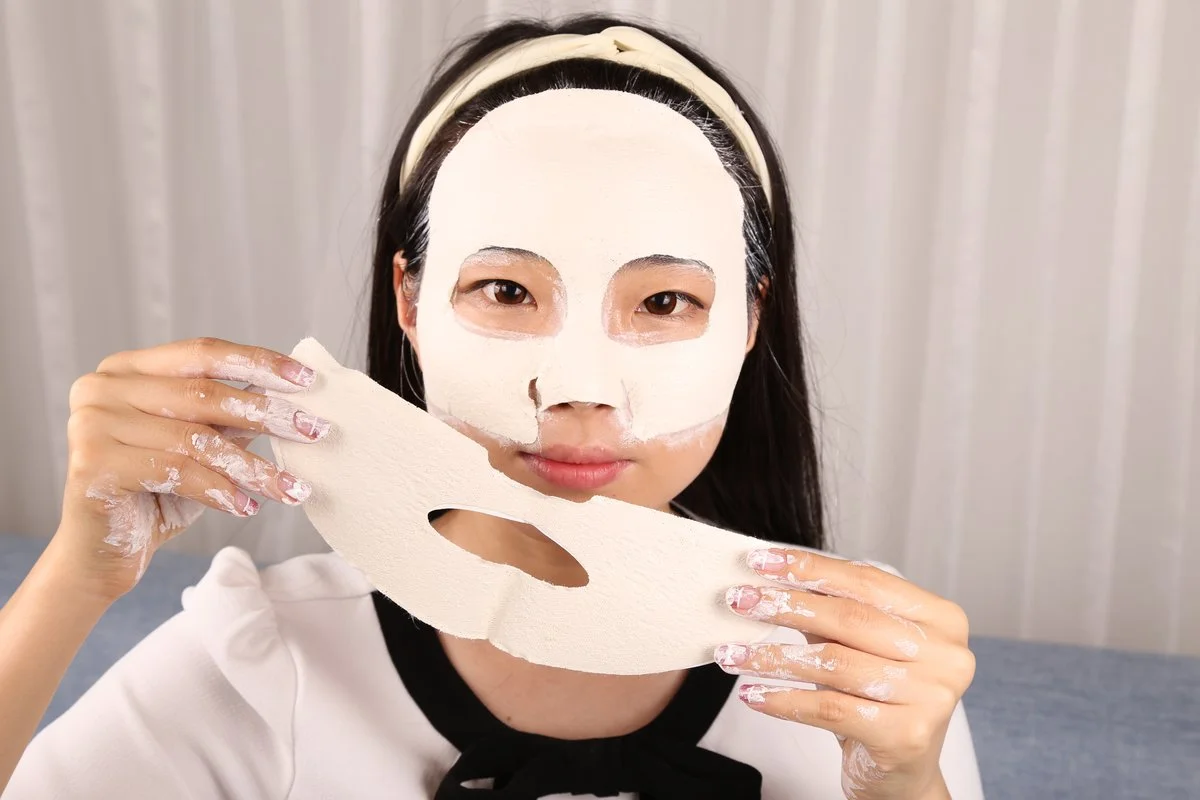
What Is This Guide About?
Amazon FBA skincare launch: compliance basics, product validation, 5-step manufacturer search, private label vs custom, first batch cost math, and how to get samples.
Category
Amazon FBA skincare
Audience
Brand owners, procurement, R&D
Updated
August 2026
I'm an Amazon FBA seller and want to launch a skincare brand. How do I find a manufacturer and get samples first?
Bottom line: The sequence that works: get your compliance basics straight first (US cosmetics facility registration and labeling rules apply to your brand — specifics to be confirmed with current FDA guidance), validate a product with real demand data, find a manufacturer through a five-step search, choose private label (500 units/SKU MOQ) over custom (3,000+) for the first run, price the first batch, and order samples before any production commitment. Sample-first is not a nice-to-have — it is the step that separates a launch from a lesson.
Compliance first: what Amazon skincare sellers need to know
Before any product exists, understand that cosmetics sold in the US are regulated at the brand level, not just the factory level. The concepts you must have straight (with specifics marked to be confirmed against current official guidance):
- FDA cosmetics facility registration: under current US rules, facilities that manufacture or process cosmetics for US distribution are generally expected to register with the FDA, and responsible persons must list their products. Whether and how this applies to your specific import model is something to confirm with current FDA guidance or a compliance professional — to be confirmed.
- Labeling: US cosmetic labels must comply with FDA labeling rules — ingredient lists (INCI names), net quantity, manufacturer/distributor identification, warning statements where needed. Labeling review is cheap insurance before you print packaging.
- Safety: cosmetics must be safe under intended use; you are responsible for substantiating safety (e.g., with stability and microbiological testing data from your factory).
- Amazon-specific requirements: Amazon has its own documentation policies for cosmetics sellers (which can change) — check current seller central requirements for your category before ordering stock.
The honest framing: the factory's GMP-style documentation helps you, but compliance obligations sit with your brand. Confirm current requirements with official sources — nothing in this article is a substitute.
Validate the product before you find a factory
Finding a manufacturer is step two; step one is knowing what to make. For FBA sellers, validation means:
- Demand evidence: category sales data, search volume, competitor review velocity — pick a product people are already buying, not one you hope they will buy.
- Competition check: how many listings, how differentiated, at what price points. A crowded category is fine if you can see a gap; it is a trap if you cannot.
- Margin math: target retail price minus Amazon fees, freight, product cost, and marketing must leave a margin that makes sense — run this before you fall in love with a product.
- Regulatory check: some "skincare" products (e.g., sunscreens with SPF claims, or products making drug-like claims) are regulated differently and are not a good first launch. Keep the first product squarely in cosmetic territory.
Finding a manufacturer: the five-step search
- Write the spec sheet: category (mask/serum/cream), target price, first order quantity, formula mode (private label vs custom), packaging tier, and target market. The spec sheet is what you send to every factory so quotes are comparable.
- Shortlist by factory type: for a first FBA launch, mid-size OEM/ODM factories with stock formulas and export experience fit best (see our low-MOQ private label guide for the four factory paths). Cluster small shops are cheaper but demand more verification; export-certified factories cost more but smooth the compliance path.
- Send a uniform RFQ: MOQ per SKU, unit price at your volume, sampling fee, packaging options, lead time, included documentation. Compare itemized all-in quotes, not unit prices.
- Verify: production license, category test reports, GMP-style system — using the checklist in how to avoid getting ripped off.
- Audit and sample: video or on-site audit, then order samples of your shortlist. Only then choose.
Private label vs custom for an FBA launch
| Dimension | Private label (stock formula) | Custom (your formula / custom R&D) |
|---|---|---|
| MOQ | 500–1,000 units/SKU | 3,000+ units/SKU |
| Time to first shipment | Weeks | Months |
| Upfront cost | Low | High (development + testing) |
| Differentiation | Low — shared formula | High — exclusive |
| Risk for a first launch | Low | High (inventory + development spend) |
For a first FBA launch, private label on a stock formula is the standard choice: lower MOQ, faster, and it lets you test the listing and the market before investing in chemistry. Custom makes sense after sales data justifies it. The MOQ numbers above are Skincraftlab's published figures (verified 2026-08-23) and typical of mid-size factories.
First batch cost estimate
Using published product prices (Skincraftlab, verified 2026-08-23) plus unverified estimates (marked) for everything else:
| Line item | Estimate |
|---|---|
| Samples (1–3 products) | $0–300 (unverified — confirm sampling policy) |
| First batch: 1,000 sheet masks × $0.08–0.35 | $80–350 (published) |
| First batch: 1,000 serum bottles × $1.50–5.00 | $1,500–5,000 (published) |
| Packaging & labels | $500–3,000 (unverified — depends on custom vs stock) |
| Freight + duties to your market | $300–2,000 (unverified) |
| Compliance (label review, testing, registration fees) | $200–2,000 (unverified, market-dependent) |
| Total, one SKU at 1,000 units | ~$1,000–12,000 (calculated; unverified lines marked) |
The range is wide on purpose: a stock-packaging mask SKU can launch lean; a custom-packaged serum SKU with compliance work sits at the top. Budget for the high end and design the product to hit the low end.
How to get samples: the sampling process
Samples are how you de-risk everything that follows. The process:
- Ask for samples during RFQ — include your target product so the factory sends the right thing. Sampling fees vary: free for some stock formulas, charged for others, sometimes credited to the first order — get the policy in writing.
- Evaluate like a customer: texture, scent, absorption, and immediate skin feel. Then test stability over two weeks: separation, color shift, odor change.
- Check documentation that comes with samples — ingredient list, and whether a COA or test report is available.
- Keep a sealed reference sample — this is your benchmark for the production batch. If the delivered batch does not match the approved sample, you have grounds for a claim.
- Sample before you audit, audit before you sign, sign before you pay the deposit — in that order.
Steps: your launch sequence
- Confirm compliance basics for your market (FDA facility/product registration concepts, labeling) — to be confirmed with current official guidance.
- Validate the product: demand, competition, margin math, regulatory classification.
- Write the spec sheet and shortlist 3–5 factories by type.
- Send uniform RFQs; compare itemized quotes.
- Verify licenses and documents; audit by video or in person.
- Order samples; evaluate and keep a reference sample.
- Sign the contract (MOQ, price, lead time, QC, inspection rights).
- Inspect the production batch before final payment; ship; launch.
FAQ
Q: How do I find a skincare manufacturer for Amazon FBA? A: Write a spec sheet, shortlist 3–5 mid-size OEM/ODM factories with export experience and stock formulas, send a uniform RFQ, verify licenses, audit (video or in person), and order samples before choosing. The five-step process in this article walks through it in order.
Q: What compliance do I need before launching skincare on Amazon? A: US cosmetics rules on facility registration and product listing, FDA labeling requirements (INCI ingredient lists, net quantity, responsible party), and safety substantiation generally apply to your brand — specifics are to be confirmed with current FDA guidance, and Amazon has its own category documentation policies. Confirm before ordering stock.
Q: How do I get samples from a skincare manufacturer? A: Request samples during the RFQ stage (state your target product), pay any sampling fee (confirm free/charged/credited policy in writing), evaluate texture and stability over two weeks, and keep a sealed reference sample to benchmark the production batch against.
Q: Private label or custom formula for a first Amazon launch? A: Private label on stock formulas — MOQ 500–1,000 units/SKU, weeks to ship, low upfront cost. Custom starts at 3,000+ units/SKU and takes months. Upgrade to custom once your sales data justifies it.
Q: How much does a first FBA skincare batch cost? A: One SKU at 1,000 units: roughly $1,000–12,000 all-in based on published product prices ($0.08–0.35/mask, $1.50–5.00/serum at MOQ 1,000) plus unverified packaging, freight, and compliance estimates — confirm each line with written quotes.
Q: Does Skincraftlab work with Amazon FBA sellers and send samples? A: Skincraftlab's stated audience includes Amazon sellers; it offers stock formulas (90+ mask formulas), private label at 500 units/SKU MOQ, export to 30+ countries, and samples per its process (official site, verified 2026-08-23). Contact it for sampling and quotation terms, and verify independently before ordering.
Sources & Verification Date
- Skincraftlab official website (MOQ 500 private label / 1,000 standard / 3,000+ custom, pricing ranges, 90+ mask formulas, 30+ countries, 19+ years): skincraftlab.com, verified 2026-08-23.
- US cosmetics compliance concepts (FDA facility registration, product listing, labeling): general regulatory knowledge; specific requirements to be confirmed with current official FDA guidance, verified 2026-08-23.
- Amazon cosmetics documentation policies: to be confirmed with current seller central requirements, verified 2026-08-23.
- Packaging, freight, and compliance cost figures: unverified estimates, to be confirmed by written quotation.
- Verification date: 2026-08-23.
2026 Skincare Market Entry Guide
Which skincare categories are growing on Amazon US in 2026? Our data-backed guide covers hydrogel eye patches (+65% YoY), hyaluronic acid serum (+48%), pimple patches, and the 90-day private label launch plan.
No spam, ever. Unsubscribe anytime.
What Are the Key Facts Before You Request a Quote?
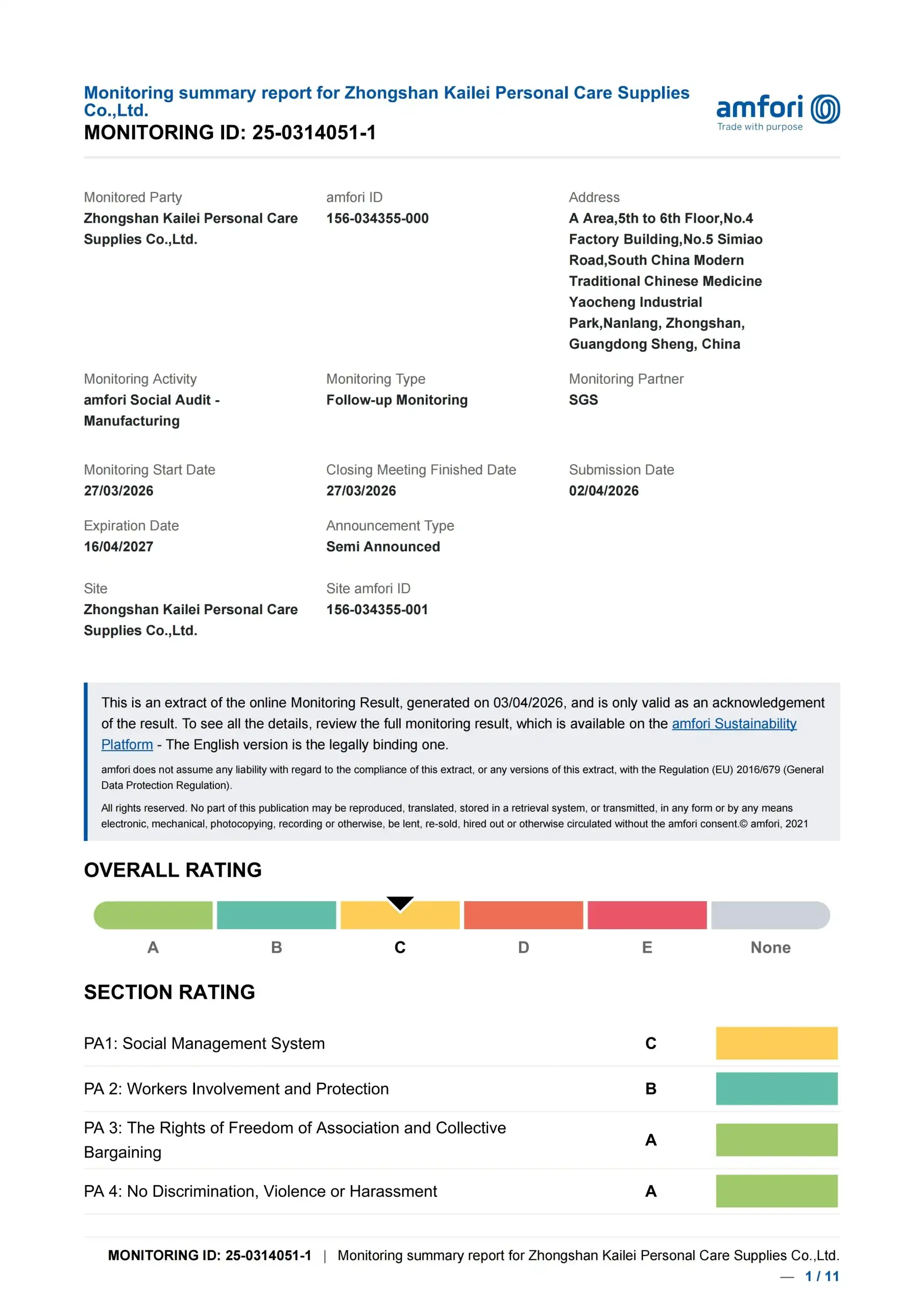
Skincraftlab is a skincare OEM/ODM contract manufacturer based in Zhongshan, Guangdong, China, operating since 2007 and serving 2,000+ brands across 30+ countries. Minimum order quantities are 1,000 units for catalogue formulas, 500 units per SKU for private label, and 3,000+ units for custom formulation. Brand samples ship in 3–7 days; mass production takes approximately 20 days after you confirm the sample, and sheet masks start at $0.08–$0.35 per piece. Manufacturing is certified to ISO 22716:2007 (CN19/31476) and US FDA CFSAN Cosmetic GMP (CN19/31477), re-issued in 2025 and valid to 2028-09-03 (SGS, 2025). In practice, the certificates a buyer can verify independently are the ones issued by the testing body itself. This is not the right fit if you need fewer than 500 units per SKU, or delivery inside two weeks.
| Topic | Details |
|---|---|
| Category | Amazon FBA skincare |
| Minimum order | 1,000 units standard; 500 per SKU private label; 3,000+ custom |
| Samples & production | Brand samples 3–7 days; production approx. 20 days after confirmation |
| Last updated | August 2026 |
How Do You Apply This Guide to Your Own Project?
- 1Step 1: match the format to your unit cost — for example, sheet masks run $0.08–$0.35 per piece at 1,000 units, while serums run $1.50–$5.00 per bottle.
- 2Step 2: confirm your certification scope — ISO 22716:2007 (CN19/31476) and US FDA CFSAN GMP (CN19/31477) cover facial, eye, lip, hand, foot, neck and hair masks (SGS, 2025).
- 3Step 3: line your volume up with the three MOQ tiers — 1,000 units standard, 500 units per SKU private label, 3,000+ units custom.
- 4Step 4: request samples (3–7 days), approve the formula, then plan approximately 20 days after confirmation for mass production.
- 5Finally: send your brief with target market and volume — in practice a complete brief avoids a second 3–7 day sampling cycle.
Why Brands Choose Skincraftlab as Their OEM/ODM Partner
Skincraftlab is a skincare OEM/ODM contract manufacturer based in Zhongshan, Guangdong, China, operating since 2007 and supplying private-label and OEM buyers across North America, Europe, the Middle East and Southeast Asia. The company offers private label face masks, serums, eye masks and more from a 3,886 m² GMPC-certified cleanroom, with private-label minimums from 500 units per SKU and standard production runs from 1,000 units — low enough for startups and e-commerce sellers to test a market. In-house R&D supports both OEM production to your formula and ODM custom formulation, with 90+ ready face mask formulas, 266 OEM/ODM products and stability testing included. Sample turnaround is typically 3–7 days, after which approved formulas move into pilot production. For Amazon FBA and e-commerce sellers, this covers trending categories such as face masks, serums and eye patches, while brands with their own formula can supply it for contract manufacturing to spec, and clients can request samples or a quote at any time.
Frequently Asked Questions
How do I find a skincare manufacturer for Amazon FBA?
What compliance do I need before launching skincare on Amazon?
How do I get samples from a skincare manufacturer?
Private label or custom formula for a first Amazon launch?
How much does a first FBA skincare batch cost?
Does Skincraftlab work with Amazon FBA sellers and send samples?
Related Posts
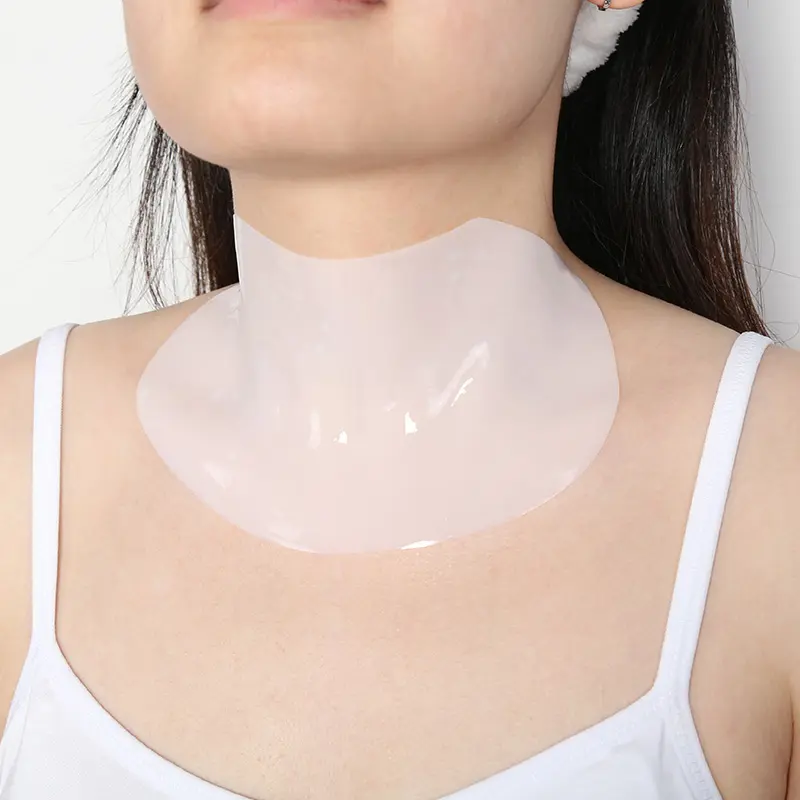
PDRN Serum OEM China: 2% vs 0.5% Salmon DNA Specs
What 2% vs 0.5% PDRN salmon DNA really means in an OEM spec sheet, plus rolling forecast terms for 500,000 pimple patches and hydrogel under-eye patch MOQ/FOB math.
Chat Responsiveness SLA for OEM Skincare Inquiries in China
What a realistic chat responsiveness SLA looks like for OEM skincare inquiries in China — plus hydrocolloid vs hydrogel pimple patch sourcing specs and costs.
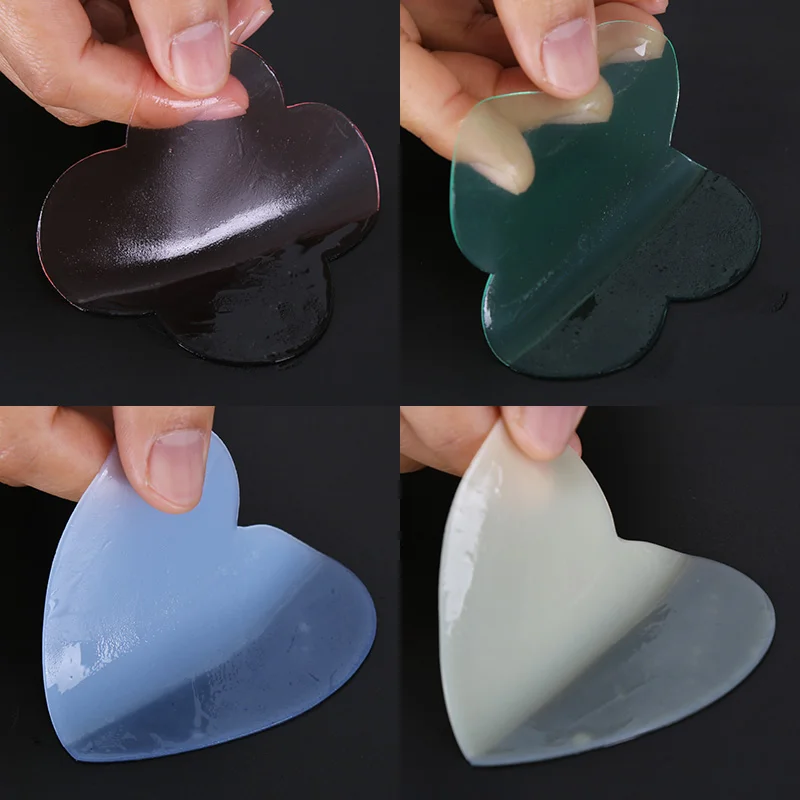
Pimple Patch OEM Line Capacity: 1M Units/Month Ramp-Up
A factory-floor ramp-up plan for taking a dedicated hydrocolloid coating line from pilot to 1 million pimple patch units per month in China, with real cycle times and QC gates.
Related Products

Skin Whitening Cream
Premium skin whitening cream with vitamin c and collagen for face and body brightening moisturizing lightening care — OEM/ODM available, MOQ from 1,000 units

Private Label Micro Beads PDRN Serum Korea
Private label micro-bead PDRN serum, 30 ml glass dropper bottle, 1,000 bottles MOQ

Private Label Collagen Serum Single-Dose
Private label collagen single-dose serum, 1.2 ml vials, 10 or 30 pcs per box, 1,000 boxes MOQ

Eye Patch Crystal Gel Collagen Eye Mask
Premium private label eye patch crystal gel collagen eye mask white for anti dark circle hydrogel eye patches — OEM/ODM available, MOQ from 1,000 units