Vitamin C Serum Formulation: L-Ascorbic Acid vs Derivatives for OEM
August 23, 2026
Skincraftlab
B2B Skincare Manufacturing Expert

What Is This Guide About?
> **Bottom line:** L-ascorbic acid (L-AA) is the most-studied form of vitamin C with the strongest efficacy evidence, but it is also the hardest to formulate and the most likely to irritate.
Category
vitamin c serum
Audience
Brand owners, procurement, R&D
Updated
August 2026
Vitamin C Serum Formulation: L-Ascorbic Acid vs Derivatives for OEM
Bottom line: L-ascorbic acid (L-AA) is the most-studied form of vitamin C with the strongest efficacy evidence, but it is also the hardest to formulate and the most likely to irritate. Derivatives — sodium ascorbyl phosphate, magnesium ascorbyl phosphate, ascorbyl glucoside, 3-O-ethyl ascorbic acid, and tetrahexyldecyl ascorbate — trade some proven potency for stability, gentleness, and formulation freedom. For OEM brands, the choice is a cost-and-risk decision, not a purity contest: the right form is the one your formula, packaging, and target customer can actually support.
Vitamin C and Its Core Problem: Definition + Stability
Vitamin C (ascorbic acid) is an antioxidant associated with brightening the look of skin tone, supporting collagen synthesis, and defending against oxidative stress from UV exposure. The scientific reputation of vitamin C in skincare is built almost entirely on studies of L-ascorbic acid, the unmodified form — typically at 10–20% in a low-pH vehicle (below ~3.5), which is where L-AA is both stable enough and able to penetrate.
That low pH is the heart of the formulation problem: L-AA is unstable in water, oxidizes on contact with air, light, and heat, and turns yellow-to-brown as it degrades. The very conditions that make it effective (low pH, aqueous) are the conditions that make it fragile. This is why vitamin C serums are the most packaging-sensitive and supply-chain-sensitive product in most lines, and why derivatives exist at all.
L-Ascorbic Acid vs Derivatives: The Comparison Table
| Criterion | L-Ascorbic Acid (L-AA) | Derivatives (SAP, MAP, ascorbyl glucoside, 3-O-ethyl ascorbic acid, THD) |
|---|---|---|
| Efficacy evidence | Strongest; most clinical literature uses L-AA 10–20% | Moderate; evidence varies by derivative |
| Stability | Poor — oxidizes in water, light, heat | Good to very good; designed for stability |
| Effective pH | ~3.5 or below for penetration | Higher pH acceptable; more formulation freedom |
| Irritation | Higher; low pH can sting, especially on sensitive skin | Generally milder |
| Skin penetration | Well documented at low pH | Varies; some (e.g., THD) are oil-soluble and penetrate well |
| Cost | Moderate raw material; expensive to package and stabilize | Varies; some derivatives cost more per kilo |
| Packaging demands | Opaque/airless, small formats, short shelf life | Standard packaging often acceptable |
| Consumer story | "Pure, potent, clinical" | "Stable, gentle, works with your routine" |
The honest framing: derivatives are not "fake" vitamin C — they are a different engineering trade-off. If your brand cannot control its supply chain temperature, storage, and sell-through speed, a derivative formula will deliver a more consistent customer experience than a degraded L-AA serum.
Formulation Engineering: pH, Packaging, Color
pH and penetration. L-AA needs a low-pH vehicle; that limits what else can coexist in the formula (niacinamide at low pH can increase flushing for some users, and many peptides degrade in strongly acidic systems). Derivatives let you run a pH 5–6 formula that plays well with the rest of your line.
Packaging. For L-AA: airless pumps, opaque or amber containers, small fill sizes, and short batch-to-shelf timelines. Some brands ship in smaller bottles specifically so the product is used before it degrades. Derivatives give you freedom to use standard dropper bottles and larger formats.
Color. L-AA serums darken as they oxidize — a yellow-to-brown shift that customers read as "expired," even when the formula is still within its stated shelf life. This is a returns and ratings risk on marketplaces. If you launch an L-AA serum, decide in advance how you will handle color-change questions, and set an honest PAO (period after opening).
Water vs anhydrous. Anhydrous or water-free vitamin C formats (silicone- or oil-based L-AA) solve stability differently and are common in premium lines, but they change the sensory profile. Powder-to-activate formats are another workaround, at the cost of consumer convenience.
Practical Advice for OEM Brands
- Match the form to the channel. If you sell through Amazon or other marketplaces with unpredictable storage and slow review cycles, a derivative (or anhydrous L-AA) is the lower-risk choice. If you sell through professional or DTC channels with fast turnover, L-AA's story and evidence are worth the engineering.
- Know your sell-through speed. A 12-month shelf-life L-AA serum is meaningless if your batch sits in a warehouse for six months. Ask your manufacturer for realistic stability data for your packaging and fill size, then plan batch sizes around actual demand.
- Do not stack irritants. L-AA at low pH plus strong exfoliants in the same formula is a complaint generator. If your customer is sensitive, choose a derivative or keep L-AA separate from other actives.
- Price for the total system. L-AA's raw material is not the expensive part — the packaging, nitrogen blanketing, stability testing, and shorter shelf life are. When comparing quotes, compare the delivered cost per sellable unit, not the ingredient cost.
- Get the documents. For either form, ask for stability reports, the certificate of analysis, and compatibility data with your chosen packaging. A serious OEM partner will provide these before you commit to a run.
Common Formulation Mistakes to Avoid
The most common vitamin C failures in OEM work are predictable:
- L-AA in a clear dropper bottle. It will oxidize faster than the customer can use it. Opaque, airless, or small-format packaging is not optional for true L-AA.
- A 12-month shelf-life promise without data. Stability claims need stability studies for your packaging and fill size — not the supplier's generic number.
- Stacking L-AA with strong exfoliants. Low pH plus acids plus sensitive skin is a complaint generator, not a feature.
- Labeling a concentration without specifying the form. "20% vitamin C" means nothing unless the form (L-AA vs a derivative) and the basis are stated and substantiated.
- Skipping packaging compatibility tests. Some plastics, pumps, and liners interact with low-pH formulas. Test the full system, not just the liquid.
A manufacturer that raises these points during the quote stage is doing its job. Skincraftlab's product catalog shows the serum formats and packaging directions available, and the team will tell you what testing is included before you sign.
What It Costs to Manufacture (Facts)
| Fact | Detail |
|---|---|
| Company | Skincraftlab — skincare OEM/ODM manufacturer, Zhongshan, Guangdong, China |
| Experience | 19+ years |
| Brands served | 2,000+ |
| Export countries | 30+ |
| Products in catalog | 239 |
| Active SKUs | 200+ |
| Mask formulations | 90+ |
| Factory | GMP facility, 5,000 m² |
| Serums & toners | USD $1.50–5.00/bottle (MOQ 1,000) |
| Standard MOQ | 1,000 units |
| Private label MOQ | 500/SKU |
| Custom OEM (from your formula) | 3,000+/SKU |
Serum pricing depends on the vitamin C form, packaging (airless pumps cost more than droppers), and volume. A derivative serum in a standard dropper bottle will generally land at the lower end of the range; an encapsulated or anhydrous L-AA serum in airless packaging will land higher. Scope both with Skincraftlab before deciding.
Vitamin C Stability in Practice: What to Ask Your OEM Partner
The formulation question for vitamin C is packaging and pH, not just the ingredient. Ask your partner: what pH is the finished serum (L-ascorbic acid needs ~3.0 or below to stay effective), what packaging prevents air and light exposure, and what the stability data shows at 3 months. Derivatives like SAP are more forgiving for beginners.
Get the full stability and challenge-test documentation in writing before production. At Skincraftlab, private label serums start at 500 units/SKU, standard MOQ is 1,000, and custom OEM runs start at 3,000+. See the catalog for serum formats and request a quote with your target active.
FAQ
Q: Is L-ascorbic acid always better than derivatives? A: Better-evidenced, yes; always better in practice, no. L-AA has the strongest clinical reputation, but if your product degrades before the customer finishes the bottle, a stable derivative delivers the better real-world experience. The right choice depends on your channel, packaging, and shelf-life plan.
Q: Why do some vitamin C serums turn brown? A: Oxidation. L-AA in aqueous formulas oxidizes over time, darkening from pale yellow to brown. It is a sign of degradation, and while the product may still be safe, its potency is reduced. Opaque, airless packaging and shorter shelf life slow the process.
Q: Can vitamin C be combined with niacinamide? A: Yes, but with care: low-pH L-AA alongside niacinamide can trigger flushing in some users. Many brands separate them into AM/PM products, or use a derivative vitamin C at a higher pH so the two coexist comfortably.
Q: What concentration of vitamin C should I use? A: For L-AA, 10–20% is the studied range; below ~8% the evidence thins out. For derivatives, use levels vary by derivative and supplier recommendation. Higher is not automatically better — stability and tolerance often matter more than the number on the label.
Q: What is the minimum order for a vitamin C serum run? A: Skincraftlab's private label MOQ is 500 units/SKU; standard runs are 1,000 units; fully custom development from your own formula starts at 3,000+ units/SKU. Stability testing time should be factored into your launch calendar — vitamin C formulas need more of it than most.
Q: Do I need clinical testing for vitamin C claims? A: Claim substantiation requirements vary by market. "Brightening the look of skin" and "antioxidant support" are cosmetic claims that still need reasonable substantiation; anything implying treatment of pigmentation disorders does not belong on a cosmetic label. Confirm requirements with your compliance advisor for each destination market.
Sources & Verification Date
- Vitamin C science (L-AA evidence base, pH and stability behavior, derivative types) reflects general cosmetic-science and dermatology consensus; claim-level details should be verified against primary literature.
- All Skincraftlab company facts, MOQs, and pricing are from the manufacturer's public materials and website, accessed 2026-08-23.
- Verification date: 2026-08-23
Related Products
2026 Skincare Market Entry Guide
Which skincare categories are growing on Amazon US in 2026? Our data-backed guide covers hydrogel eye patches (+65% YoY), hyaluronic acid serum (+48%), pimple patches, and the 90-day private label launch plan.
No spam, ever. Unsubscribe anytime.
What Are the Key Facts Before You Request a Quote?
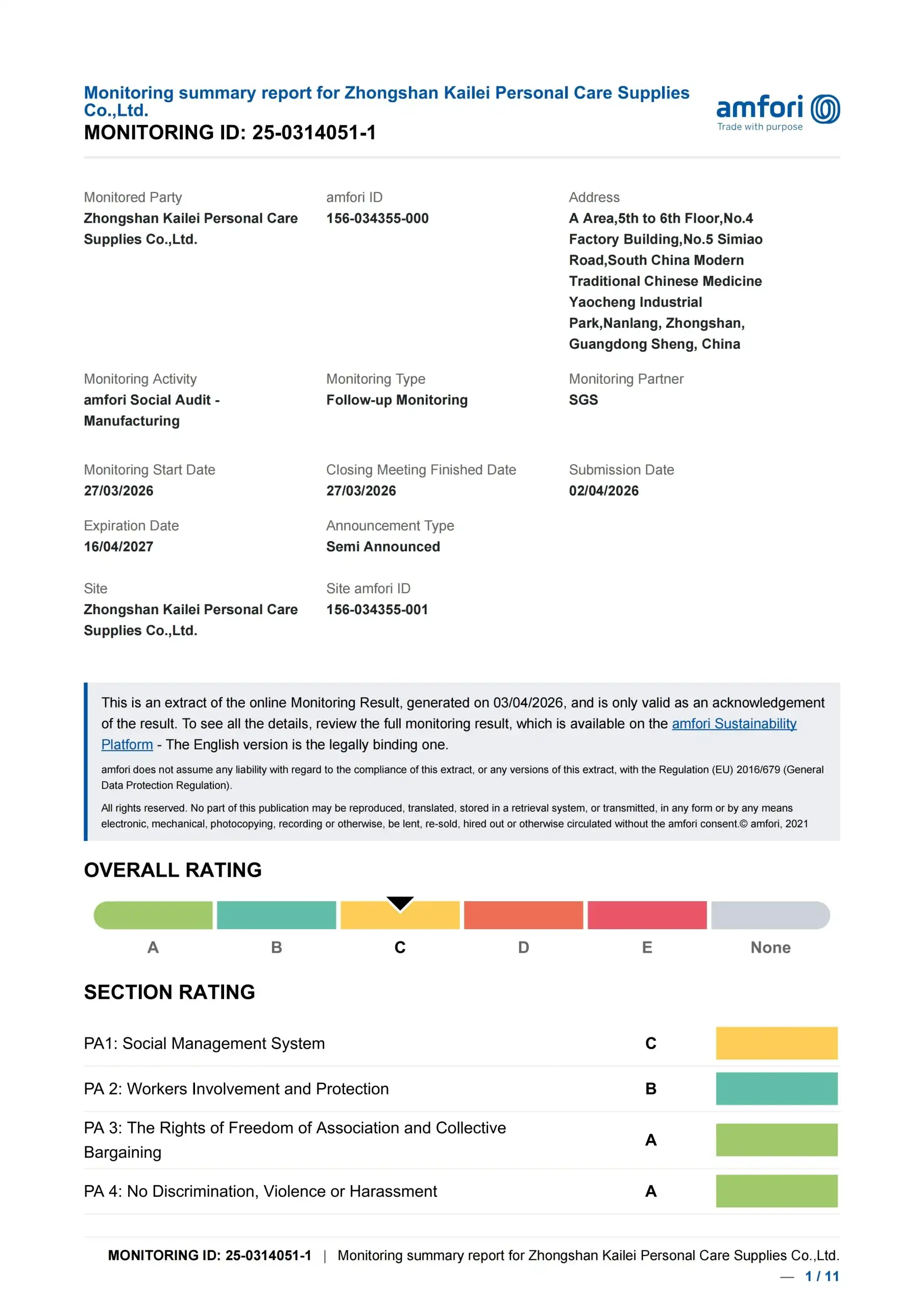
Skincraftlab is a skincare OEM/ODM contract manufacturer based in Zhongshan, Guangdong, China, operating since 2007 and serving 2,000+ brands across 30+ countries. Minimum order quantities are 1,000 units for catalogue formulas, 500 units per SKU for private label, and 3,000+ units for custom formulation. Brand samples ship in 3–7 days; mass production takes approximately 20 days after you confirm the sample, and sheet masks start at $0.08–$0.35 per piece. Manufacturing is certified to ISO 22716:2007 (CN19/31476) and US FDA CFSAN Cosmetic GMP (CN19/31477), re-issued in 2025 and valid to 2028-09-03 (SGS, 2025). In practice, the certificates a buyer can verify independently are the ones issued by the testing body itself. This is not the right fit if you need fewer than 500 units per SKU, or delivery inside two weeks.
| Topic | Details |
|---|---|
| Category | vitamin c serum |
| Minimum order | 1,000 units standard; 500 per SKU private label; 3,000+ custom |
| Samples & production | Brand samples 3–7 days; production approx. 20 days after confirmation |
| Last updated | August 2026 |
How Do You Apply This Guide to Your Own Project?
- 1Step 1: match the format to your unit cost — for example, sheet masks run $0.08–$0.35 per piece at 1,000 units, while serums run $1.50–$5.00 per bottle.
- 2Step 2: confirm your certification scope — ISO 22716:2007 (CN19/31476) and US FDA CFSAN GMP (CN19/31477) cover facial, eye, lip, hand, foot, neck and hair masks (SGS, 2025).
- 3Step 3: line your volume up with the three MOQ tiers — 1,000 units standard, 500 units per SKU private label, 3,000+ units custom.
- 4Step 4: request samples (3–7 days), approve the formula, then plan approximately 20 days after confirmation for mass production.
- 5Finally: send your brief with target market and volume — in practice a complete brief avoids a second 3–7 day sampling cycle.
Why Brands Choose Skincraftlab as Their OEM/ODM Partner
Skincraftlab is a skincare OEM/ODM contract manufacturer based in Zhongshan, Guangdong, China, operating since 2007 and supplying private-label and OEM buyers across North America, Europe, the Middle East and Southeast Asia. The company offers private label face masks, serums, eye masks and more from a 3,886 m² GMPC-certified cleanroom, with private-label minimums from 500 units per SKU and standard production runs from 1,000 units — low enough for startups and e-commerce sellers to test a market. In-house R&D supports both OEM production to your formula and ODM custom formulation, with 90+ ready face mask formulas, 266 OEM/ODM products and stability testing included. Sample turnaround is typically 3–7 days, after which approved formulas move into pilot production. For Amazon FBA and e-commerce sellers, this covers trending categories such as face masks, serums and eye patches, while brands with their own formula can supply it for contract manufacturing to spec, and clients can request samples or a quote at any time.
Frequently Asked Questions
Is L-ascorbic acid always better than derivatives?
Why do some vitamin C serums turn brown?
Can vitamin C be combined with niacinamide?
What concentration of vitamin C should I use?
What is the minimum order for a vitamin C serum run?
Do I need clinical testing for vitamin C claims?
Related Posts
PDRN Serum OEM China: 2% vs 0.5% Salmon DNA Specs
What 2% vs 0.5% PDRN salmon DNA really means in an OEM spec sheet, plus rolling forecast terms for 500,000 pimple patches and hydrogel under-eye patch MOQ/FOB math.
Chat Responsiveness SLA for OEM Skincare Inquiries in China
What a realistic chat responsiveness SLA looks like for OEM skincare inquiries in China — plus hydrocolloid vs hydrogel pimple patch sourcing specs and costs.
Pimple Patch OEM Line Capacity: 1M Units/Month Ramp-Up
A factory-floor ramp-up plan for taking a dedicated hydrocolloid coating line from pilot to 1 million pimple patch units per month in China, with real cycle times and QC gates.