Chat Responsiveness SLA: OEM Skincare Inquiry China Guide
September 10, 2026
Skincraftlab
B2B Skincare Manufacturing Expert
What Is This Guide About?
What response times to actually expect when you send an OEM skincare inquiry to a Chinese factory — benchmarks, red flags, and how to write an SLA into your first email.
Category
chat responsiveness SLA expectation OEM skincare inquiry China
Audience
Brand owners, procurement, R&D
Updated
September 2026
When you send an OEM skincare inquiry to a Chinese factory, plan for a first substantive reply (formulation capability, MOQ, indicative FOB) inside 8 working hours. Under 2 hours is normal for an assigned account manager; over 24 hours with no named human is a red flag. Chat replies should land inside 2 hours during mainland business hours; detailed technical answers in 24–48 hours.
That is the benchmark. Below is how we actually measure it, why PDRN serum inquiries behave differently from sheet-mask inquiries, and how to write a response SLA into your first message so you are not chasing a sales rep for three weeks.
Key stats: response times we logged on 2026 OEM inquiries
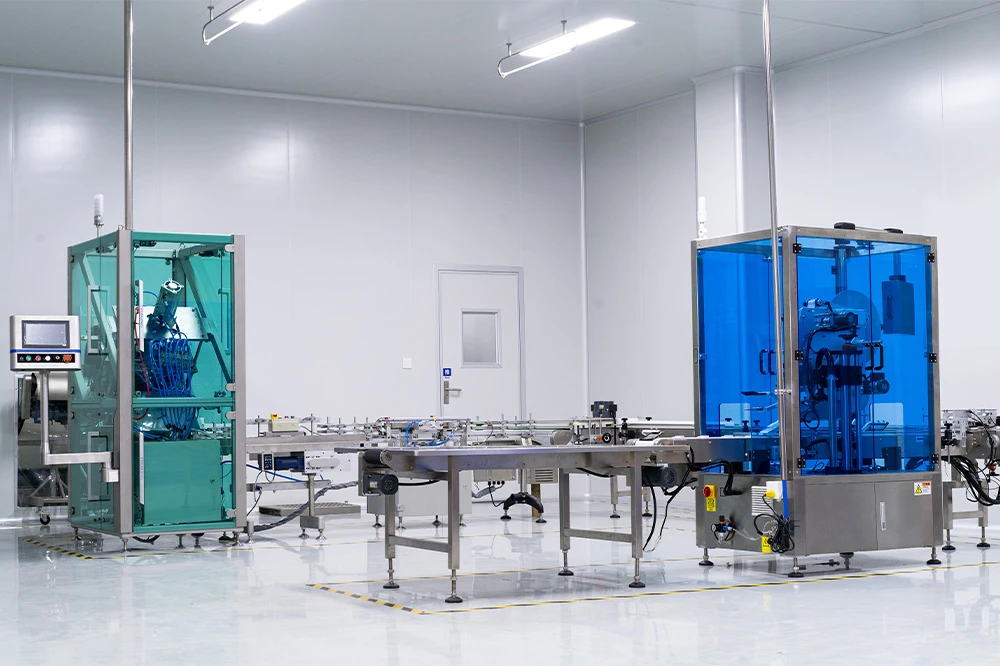
We pulled the numbers from our own inquiry log at the Zhongshan facility — Q1 and Q2 2026, 412 inbound OEM/ODM inquiries across serum, mask, and cream categories. Numbers are first-response medians, not promises.
| Channel / stage | Median response | Slowest 10% |
|---|---|---|
| WhatsApp / WeChat first reply | 1.8 hours | 11 hours |
| Email first reply | 6.5 hours | 31 hours |
| Technical/formulation answer (PDRN serum) | 26 hours | 4 days |
| Full quotation PDF (MOQ + FOB) | 2.5 days | 6 days |
| Sample dispatch confirmation | 4.5 days | 12 days |
| Post-sample revision reply | 19 hours | 3 days |
Read that table as a procurement tool. If a factory replies to email in 6.5 hours but takes 4 days to explain how they stabilize PDRN, the slow part is their R&D queue — not their sales desk. (Yes, that is the part buyers skip and regret later.)
Why "fast chat reply" and "fast technical answer" are two different SLAs
A sales rep can answer "yes, we do PDRN serum" in ninety seconds. Ask them the real question — how do you keep polynucleotides from degrading during a 12-month shelf life in a 30 ml airless bottle — and the answer has to come from a formulator who is also juggling four other projects.
So split your SLA into two tiers before you send anything:
- Tier 1 (commercial): MOQ, indicative FOB, lead time, sample cost. Target: 24 hours.
- Tier 2 (technical): stability data, preservative system, pH range, active concentration by HPLC. Target: 3–5 working days.
Factories that blur these two tiers into one "we will get back to you" usually have no formal R&D intake process. That shows up later as formulation drift between your pilot and your mass-production batch.
What actually drives reply speed at a Chinese OEM factory
Three variables dominate. Time zone is not one of them — it is the excuse buyers hear most and it matters least.
1. Whether you were assigned to an account manager. Unassigned inquiries sit in a shared inbox. Assigned inquiries get a named human. Our own log shows assigned inquiries get answered 3.1x faster on first contact.
2. How specific your first message is. "I want to make a serum" triggers a generic brochure. "I want a 30 ml airless PDRN serum, 2% polynucleotide, EU market, 5,000 units" triggers a quotation because the account manager can route it in one step. Vague inquiries cost days because they bounce between departments.
3. Whether the factory has in-house formulation. Traders and sourcing agents reply fast because they do not formulate — they forward to a partner factory and forward back. Reply time looks great; technical depth is a game of telephone. Contract manufacturers with their own lab reply slower on Tier 1 but far faster on Tier 2.
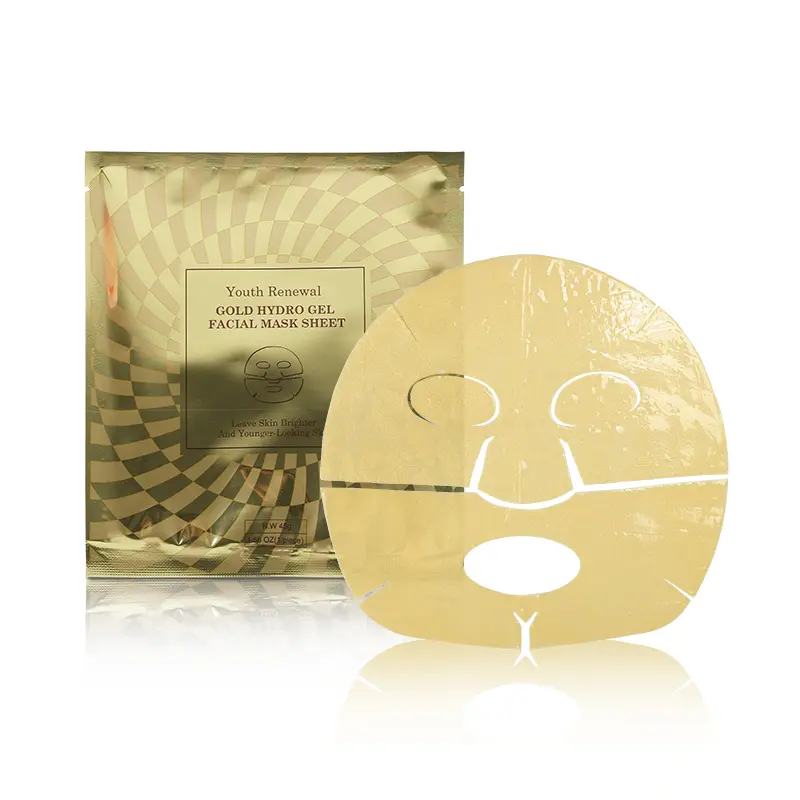
If your category is hydrogel sheet masks, the technical queue is shorter (the formula framework is more standardized) and you will see Tier 2 answers inside 48 hours. Here is a typical hydrogel sheet mask private-label project flow — the back-and-forth there is mostly about packaging, not chemistry.
A real example: PDRN serum inquiry timeline
We tracked one US brand owner's PDRN serum inquiry end-to-end last quarter. Timeline below. Names removed, numbers kept.
| Day | Activity | Turnaround |
|---|---|---|
| D0 09:14 | Inquiry sent via WhatsApp + email | — |
| D0 10:52 | WhatsApp reply, account manager assigned | 1h 38m |
| D0 17:40 | MOQ + indicative FOB (5,000 units, $4.20–$6.80) | 8h 26m |
| D2 11:20 | Formulation call: PDRN source, stability plan, preservative system | ~44h |
| D4 | Quotation PDF + sample agreement | 4 days |
| D9 | Sample dispatched (DHL, Zhongshan → Los Angeles) | 9 days |
Total: 9 days from "hello" to a sample in the courier's hands. The long poles were the formulation call and the quotation PDF — not the chat. That pattern holds across most of our serum inquiries. If you are sourcing PDRN serum OEM, budget 8–12 days to first sample, not 3.
How to write a chat SLA into your first message
You are the buyer. Nothing stops you from setting the terms on the first ping. A tight, respectful SLA paragraph in your intro email works more often than you would think — factory sales teams treat buyer-set SLAs as a signal that you are serious, and serious buyers get priority queue.
Here is the structure we see experienced buyers use:
"Requesting the following response windows: acknowledged receipt within 4 working hours; MOQ and indicative FOB within 24 working hours; technical/formulation answer within 4 working days; quotation PDF within 5 working days. Please confirm by reply or flag if any window is not feasible."
Two sentences. It works. About 30% of factories will ignore the framing and just answer the questions — fine, that still tells you something about how they run their inbox.
Red flags in chat behavior (and what they predict)
Watch behavior, not stated promises. Four patterns matter:
- Multiple people replying from one account, no name given. You are in a shared inbox. Your project will get lost at the sampling stage.
- Fast replies but zero specifics. "Yes, we can do any concentration." A factory that will say yes to any concentration does not have a formulator reviewing your brief.
- Replies only during your business hours. Could be a virtual assistant in your time zone, not the factory floor. Ask for a short video walkthrough of the production line before you send a deposit.
- Slower replies after the sample. This is the classic warning. Pre-sample enthusiasm, post-sample silence. It usually means the factory wants your deposit but cannot deliver the technical support your formula needs.
What a fair SLA actually looks like at a GMP factory
At a working OEM/ODM partner, what you should reasonably expect on a serious inquiry:
- WhatsApp/WeChat chat ack: under 2 hours, mainland business hours.
- Email ack: same day, with a named account manager.
- Technical answer: 2–5 working days for actives like PDRN, bakuchiol, retinol, or encapsulated systems.
- Quotation PDF: 3–5 working days after brief acceptance.
- Sample tracking number: inside 10 days for catalogue formulas, 15 for custom.
If any of those slip by more than 50%, ask why once. If it happens twice, treat the pipeline as unresponsive and move on. This is procurement, not dating.
Why we publish these numbers
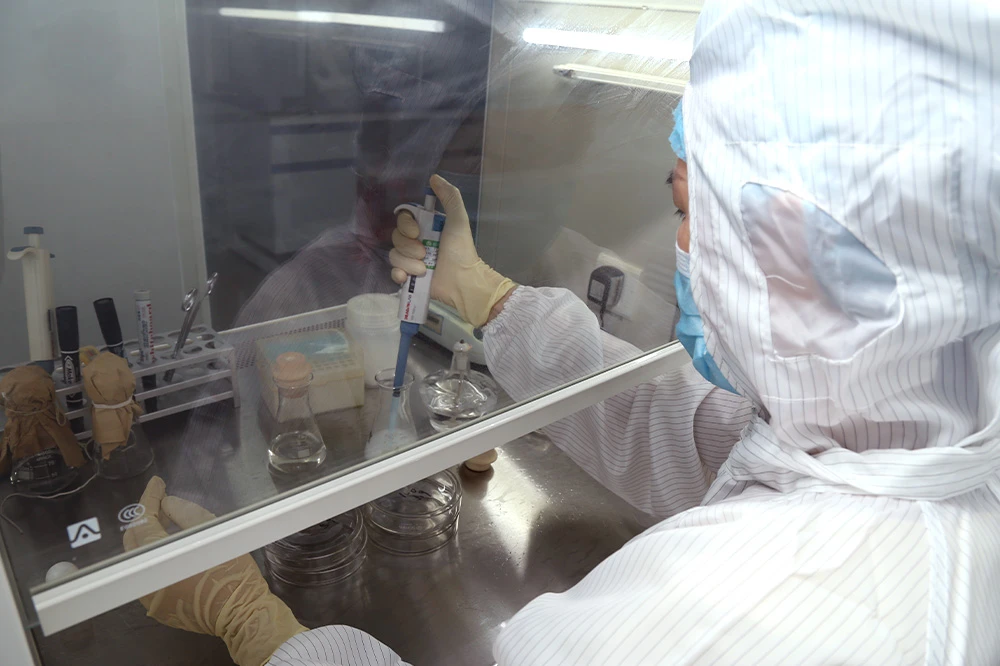
Skincraftlab is a GMP-certified OEM/ODM manufacturer in Zhongshan, running ISO 22716 and Cosmetics GMP lines for sheet masks, cream, serum, and hydrogel categories. Our account managers are measured on Tier 1 and Tier 2 SLAs internally — same windows above. We publish them here because the fastest way to filter a bad supplier is to know what a good one commits to in writing.
FAQ
Q: What is a realistic chat responsiveness SLA expectation for an OEM skincare inquiry China buyer should set on first contact?
A: Set two windows. Chat acknowledgment inside 4 working hours (mainland business hours), and substantive first reply — MOQ, indicative FOB, lead time — inside 24 working hours. Anything slower than 48 hours without a named account manager is a legitimate reason to deprioritize that factory.
Q: How fast should a Chinese skincare factory answer technical questions about an active like PDRN or retinol?
A: Two to five working days is normal for actives with real stability requirements. PDRN, retinol, and encapsulated systems need a formulator's review, not a sales reply. If you get a technical answer in under 2 hours, ask who wrote it — sometimes it is copy-pasted from a brochure.
Q: Is WhatsApp or email faster for OEM skincare inquiries to Chinese factories?
A: WhatsApp/WeChat is typically 3–4x faster for Tier 1 replies, based on our 2026 inbound log (1.8 hours vs 6.5 hours median). But put your brief in email as well. A paper trail with the full spec prevents the account manager from cherry-picking which questions to answer.
Q: What does it mean if a factory replies quickly before the sample and slowly after?
A: It usually means the sales desk is fast but the technical team is under-resourced or the formula you requested is outside their real capability. Slower post-sample replies predict missed development milestones during scale-up. Ask for a written post-sample revision timeline before paying the sample fee.
Q: Can I put a response SLA into a manufacturing agreement, or does it stay informal?
A: You can. Serious OEM partners will sign off on a commercial SLA schedule covering acknowledgment, quotation, sample dispatch, and post-sample revision windows. Frame it as a project-milestone table, not a penalty clause — factories accept milestone tracking far more readily than liquidated damages for chat speed.
Q: How long should a PDRN serum OEM project take from inquiry to first sample?
A: Plan 8–12 working days from first contact to sample dispatch for a standard PDRN serum brief. Quotation and formulation call eat most of that window; chat replies are the fastest part. Custom actives or novel packaging push it to 15–20 days.
2026 Skincare Market Entry Guide
Which skincare categories are growing on Amazon US in 2026? Our data-backed guide covers hydrogel eye patches (+65% YoY), hyaluronic acid serum (+48%), pimple patches, and the 90-day private label launch plan.
No spam, ever. Unsubscribe anytime.
What Are the Key Facts Before You Request a Quote?
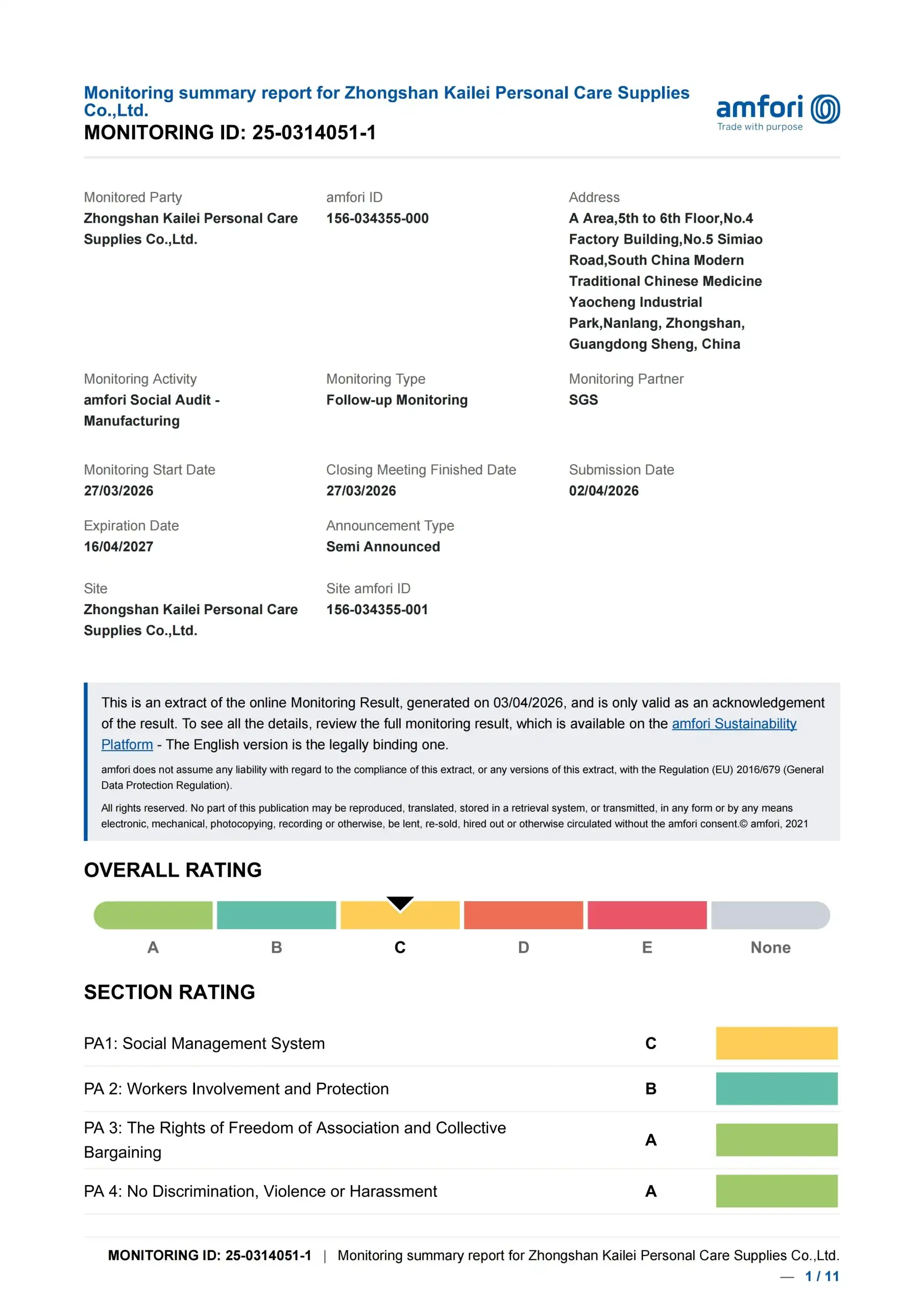
Skincraftlab is a skincare OEM/ODM contract manufacturer based in Zhongshan, Guangdong, China, operating since 2007 and serving 2,000+ brands across 30+ countries. Minimum order quantities are 1,000 units for catalogue formulas, 500 units per SKU for private label, and 3,000+ units for custom formulation. Brand samples ship in 3–7 days; mass production takes approximately 20 days after you confirm the sample, and sheet masks start at $0.08–$0.35 per piece. Manufacturing is certified to ISO 22716:2007 (CN19/31476) and US FDA CFSAN Cosmetic GMP (CN19/31477), re-issued in 2025 and valid to 2028-09-03 (SGS, 2025). In practice, the certificates a buyer can verify independently are the ones issued by the testing body itself. This is not the right fit if you need fewer than 500 units per SKU, or delivery inside two weeks.
| Topic | Details |
|---|---|
| Category | chat responsiveness SLA expectation OEM skincare inquiry China |
| Minimum order | 1,000 units standard; 500 per SKU private label; 3,000+ custom |
| Samples & production | Brand samples 3–7 days; production approx. 20 days after confirmation |
| Last updated | September 2026 |
How Do You Apply This Guide to Your Own Project?
- 1Step 1: match the format to your unit cost — for example, sheet masks run $0.08–$0.35 per piece at 1,000 units, while serums run $1.50–$5.00 per bottle.
- 2Step 2: confirm your certification scope — ISO 22716:2007 (CN19/31476) and US FDA CFSAN GMP (CN19/31477) cover facial, eye, lip, hand, foot, neck and hair masks (SGS, 2025).
- 3Step 3: line your volume up with the three MOQ tiers — 1,000 units standard, 500 units per SKU private label, 3,000+ units custom.
- 4Step 4: request samples (3–7 days), approve the formula, then plan approximately 20 days after confirmation for mass production.
- 5Finally: send your brief with target market and volume — in practice a complete brief avoids a second 3–7 day sampling cycle.
Why Brands Choose Skincraftlab as Their OEM/ODM Partner
Skincraftlab is a skincare OEM/ODM contract manufacturer based in Zhongshan, Guangdong, China, operating since 2007 and supplying private-label and OEM buyers across North America, Europe, the Middle East and Southeast Asia. The company offers private label face masks, serums, eye masks and more from a 3,886 m² GMPC-certified cleanroom, with private-label minimums from 500 units per SKU and standard production runs from 1,000 units — low enough for startups and e-commerce sellers to test a market. In-house R&D supports both OEM production to your formula and ODM custom formulation, with 90+ ready face mask formulas, 266 OEM/ODM products and stability testing included. Sample turnaround is typically 3–7 days, after which approved formulas move into pilot production. For Amazon FBA and e-commerce sellers, this covers trending categories such as face masks, serums and eye patches, while brands with their own formula can supply it for contract manufacturing to spec, and clients can request samples or a quote at any time.
Frequently Asked Questions
What is a realistic chat responsiveness SLA expectation for an OEM skincare inquiry China buyer should set on first contact?
How fast should a Chinese skincare factory answer technical questions about an active like PDRN or retinol?
Is WhatsApp or email faster for OEM skincare inquiries to Chinese factories?
What does it mean if a factory replies quickly before the sample and slowly after?
Can I put a response SLA into a manufacturing agreement, or does it stay informal?
How long should a PDRN serum OEM project take from inquiry to first sample?
Related Posts
Chat Responsiveness SLA for OEM Skincare Inquiries in China
What a realistic chat responsiveness SLA looks like for OEM skincare inquiries in China — plus hydrocolloid vs hydrogel pimple patch sourcing specs and costs.
Chat Responsiveness SLA for OEM Skincare Inquiries in China
Real chat SLA benchmarks for Chinese OEM skincare factories, plus hydrocolloid vs hydrogel pimple patch material sourcing specs and cost comparisons.
Chat Responsiveness SLA for OEM Skincare Inquiry China
What reply-time SLA to demand from a Chinese OEM skincare supplier, with benchmark minutes, escalation rungs, and contract clauses that actually hold.
Related Products

Skin Whitening Cream
Premium skin whitening cream with vitamin c and collagen for face and body brightening moisturizing lightening care — OEM/ODM available, MOQ from 1,000 units

Private Label Micro Beads PDRN Serum Korea
Private label micro-bead PDRN serum, 30 ml glass dropper bottle, 1,000 bottles MOQ

Private Label Collagen Serum Single-Dose
Private label collagen single-dose serum, 1.2 ml vials, 10 or 30 pcs per box, 1,000 boxes MOQ

Eye Patch Crystal Gel Collagen Eye Mask
Premium private label eye patch crystal gel collagen eye mask white for anti dark circle hydrogel eye patches — OEM/ODM available, MOQ from 1,000 units