What is PDRN (Polynucleotides)?
PDRN — short for polydeoxyribonucleotides — is a low-molecular-weight DNA fragment originally developed for medical wound-healing and now adopted across premium skincare. The standard cosmetic-grade source is purified salmon DNA, processed to fragments of 50-1500 base pairs that can penetrate the stratum corneum effectively. Korean medical aesthetics popularized PDRN in the late 2010s through injectable products like Rejuran; topical PDRN is the cosmetic adaptation, delivering the same mechanism through serums, ampoules, and high-payload sheet masks. Skincraftlab has produced PDRN-based masks since 2021 for brand owners across Korea, the GCC, and Latin America.
How It Works
PDRN binds to A2A purinergic receptors on fibroblasts, triggering downstream signaling that increases collagen and elastin synthesis. It also exhibits significant anti-inflammatory effects through the same receptor pathway, making it well-tolerated even on reactive skin. Visible results in topical formulations typically appear after 4-8 weeks of consistent use: improved skin density, reduced fine lines, and faster recovery after procedures. Unlike retinoids, PDRN does not increase photosensitivity. Unlike growth factors, it has demonstrated stability in commercial topical formulations when properly stabilized at pH 5.5-6.5 with appropriate preservation.
Market Context for Brand Owners
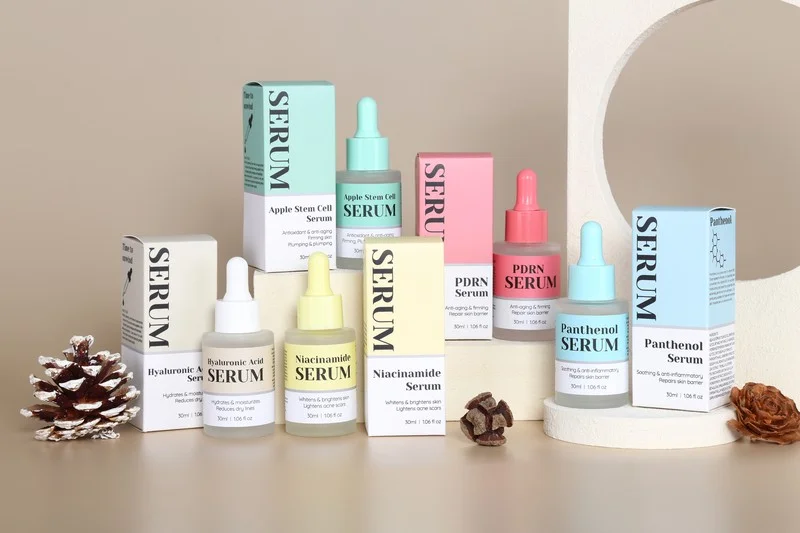
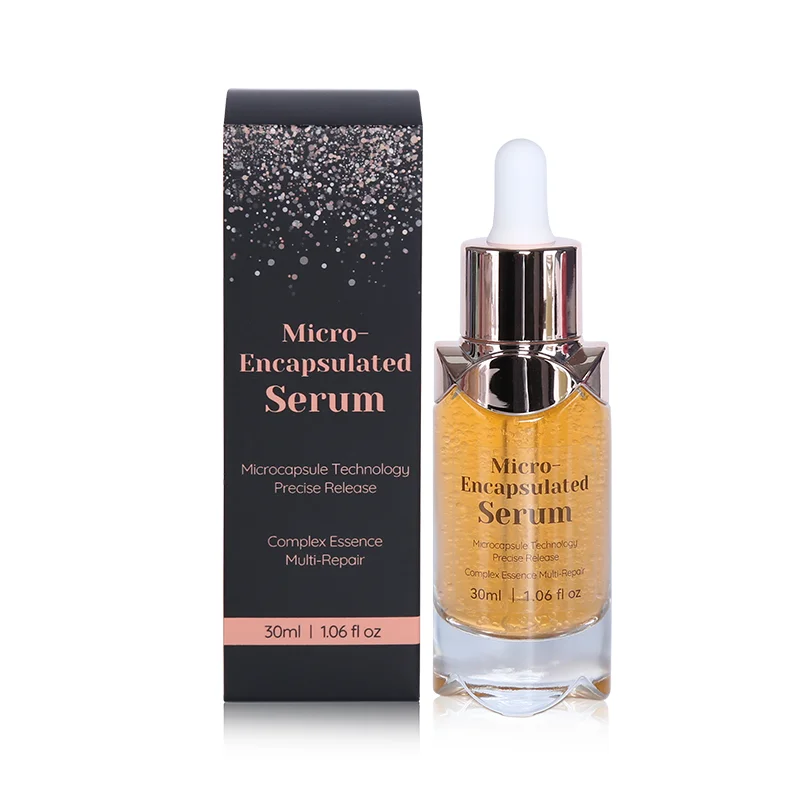
PDRN is one of the most-searched premium actives in the K-beauty derived skincare market for 2024-2026. Brand owners launching anti-aging or post-procedure lines increasingly demand PDRN as a hero ingredient because it carries clinical credibility (decades of medical literature) without the regulatory friction of growth factors. Consumer-facing prices for PDRN sheet masks range from USD 8-25 per unit; PDRN ampoules and serums from USD 30-95. The category supports premium positioning across DTC, spa, and dermocosmetic channels.
Formulation & Manufacturing Notes
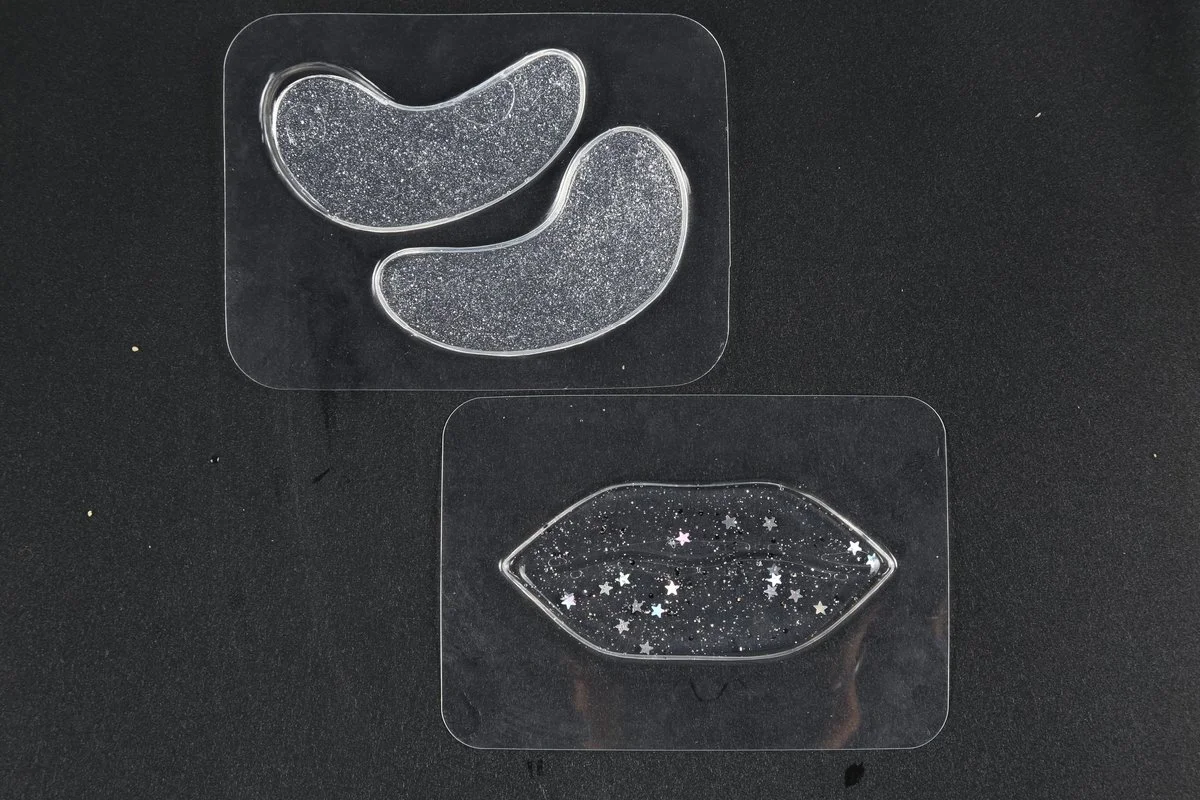
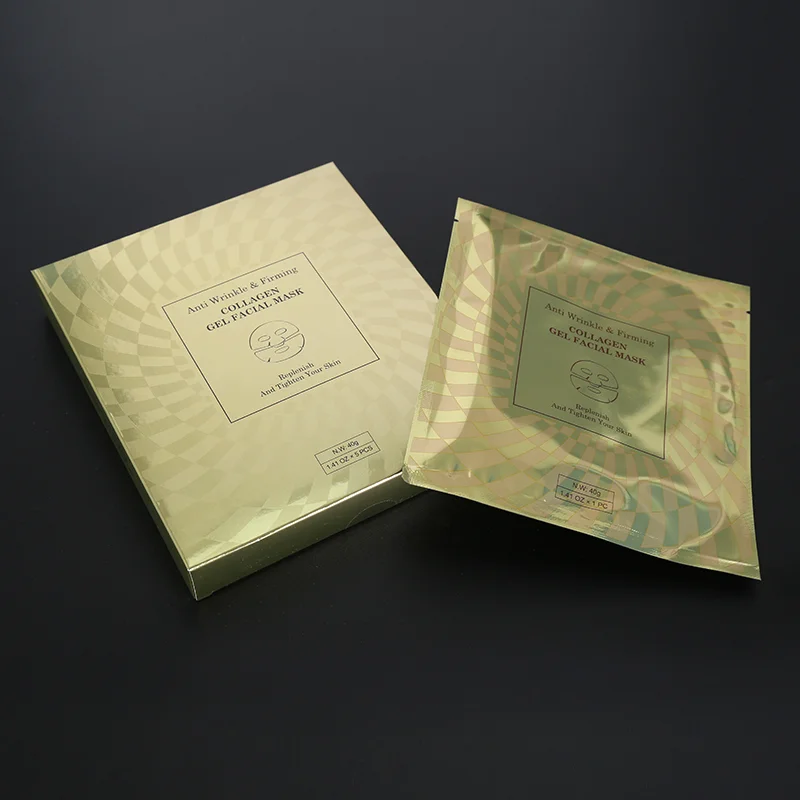
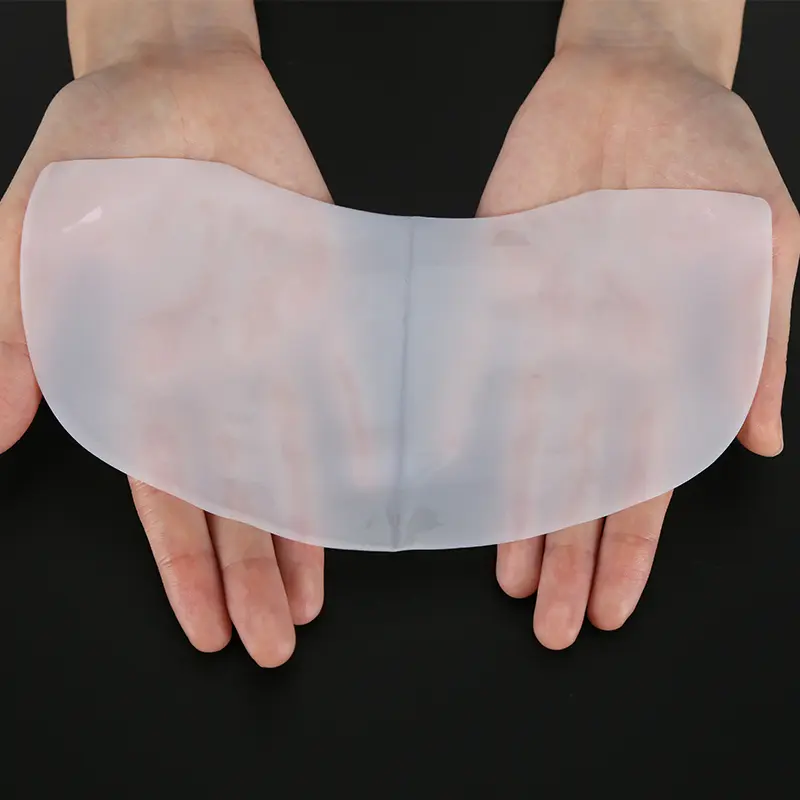
Stable in aqueous formulations at pH 5.5-6.5 with appropriate preservation. Compatible with hyaluronic acid, niacinamide, panthenol, peptides, and centella. Avoid combining with strong acids (glycolic, salicylic) which degrade the polynucleotide chain. Skincraftlab's hydrogel sheet mask carrier is particularly well-suited to PDRN: the gel matrix maintains stability and creates an occlusive seal that boosts penetration during 20-30 minute application. Typical concentrations: 0.05% to 1.0% by weight depending on format and target price point.
Regulatory Status
PDRN is approved as a cosmetic ingredient in Korea, China, Japan, US (FDA), EU, GCC, Brazil (ANVISA), Mexico (COFEPRIS), and Colombia (INVIMA). MSDS, COA, and CPSR-supporting documentation provided with every batch. Note that injectable PDRN remains classified as a medical device in most markets; Skincraftlab produces only topical cosmetic formulations.