What is Bakuchiol?
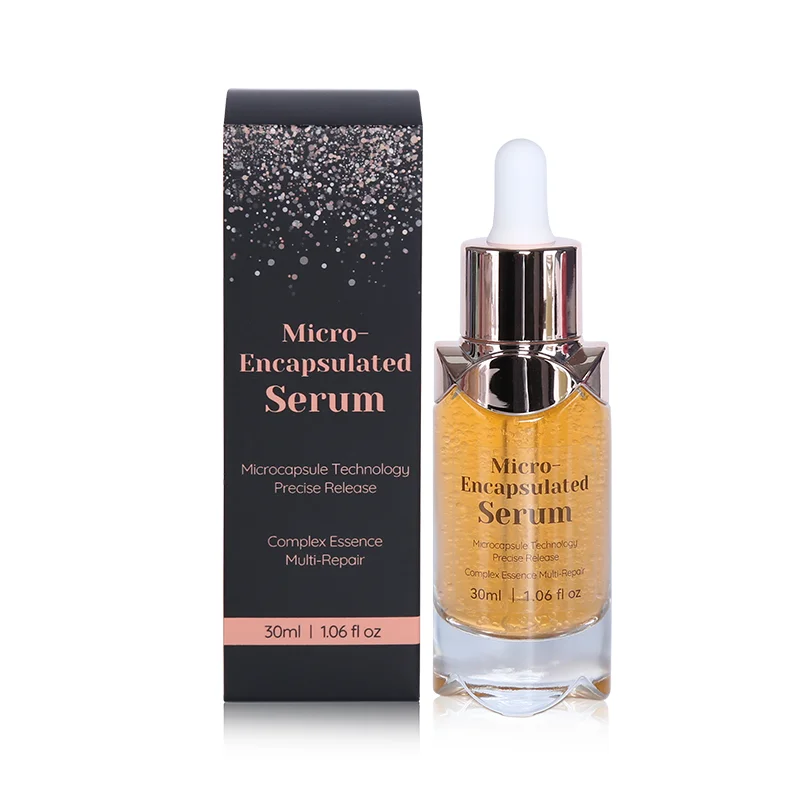
$txt$Bakuchiol is a plant-derived compound extracted from the seeds of Psoralea corylifolia, commonly known as babchi. It has gained commercial traction as a natural alternative to retinol, offering anti-aging benefits without the typical irritation. Its use in cosmetics emerged in the 2010s, with clinical studies validating its efficacy in reducing fine lines and hyperpigmentation.$txt$$txt$At Skincraft Lab (CALLA), we source high-purity bakuchiol (≥98%) through solvent-free CO2 extraction, ensuring batch-to-batch consistency. Our production facility in Guangzhou processes over 2 tons annually, serving international brands from the US, EU, and Southeast Asia.$txt$$txt$We offer bakuchiol as a standalone active or pre-formulated in serums, creams, and masks. Our R&D team can customize delivery systems for enhanced stability and penetration, leveraging our 15+ years in OEM/ODM skincare manufacturing.$txt$
How It Works
$txt$Bakuchiol mimics retinol's mechanism by binding to retinoic acid receptors (RARs) in the skin, stimulating collagen production and accelerating cell turnover. It also activates the Nrf2 pathway, boosting antioxidant defenses and reducing oxidative stress, which contributes to photoaging.$txt$$txt$Unlike synthetic retinol, bakuchiol does not cause significant upregulation of pro-inflammatory cytokines, resulting in a gentler profile suitable for sensitive skin. Studies show it reduces wrinkle depth by up to 23% in 12 weeks, with comparable results to 0.5% retinol but with less peeling and redness.$txt$
Market Context for Brand Owners
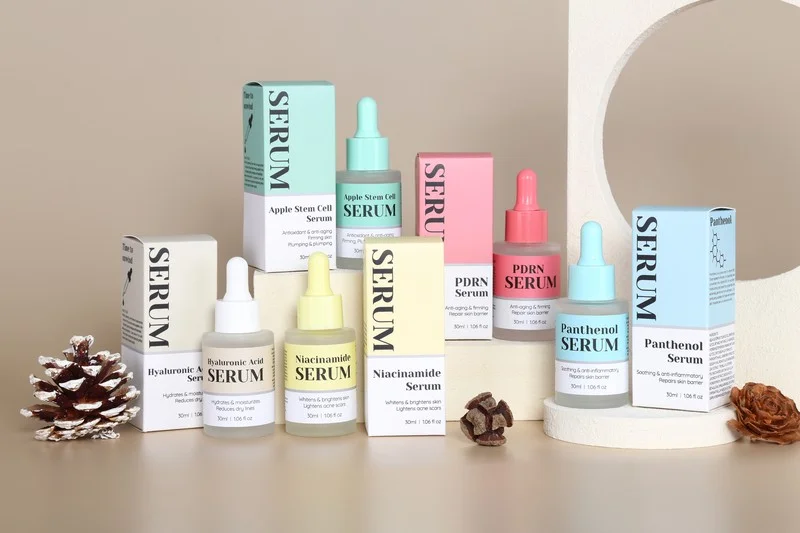
$txt$Global demand for bakuchiol has surged 40% year-over-year, driven by the clean beauty movement and consumer preference for natural, sustainable ingredients. Price points for bakuchiol products range from $25 to $80 retail, positioning it in the premium mass-market segment. Key target regions include North America (30% market share), Europe (25%), and Asia-Pacific (35%), with growing interest in the Middle East.$txt$$txt$Brands launching bakuchiol lines report 2-3x faster sell-through compared to traditional retinol products, especially among millennials and Gen Z. Skincraft Lab offers competitive pricing at $0.12-$0.25 per gram for bulk orders, with private label serums starting at $2.50 per 30ml bottle (MOQ 500 units). We also provide market-ready formulations for quick entry into this fast-growing category.$txt$
Formulation & Manufacturing Notes
$txt$Bakuchiol is oil-soluble and stable at pH 4.5-6.5. It should be stored in opaque, airtight containers at 15-25°C to prevent oxidation. Recommended incorporation temperature is below 50°C to preserve activity. It is compatible with most cosmetic oils, emollients, and antioxidants like vitamin E and ferulic acid.$txt$$txt$Effective concentrations range from 0.5% to 2% in leave-on products, with 1% being the standard for serums and creams. Avoid combining with high concentrations of exfoliating acids (e.g., AHA over 10%) in the same phase, as this may reduce efficacy. We offer pre-stabilized bakuchiol concentrates that simplify cold-process formulation.$txt$
Regulatory Status
$txt$Bakuchiol is not classified as a drug ingredient in the US (FDA) or EU (CosIng), and is listed as a cosmetic active with no usage restrictions. In China, it is approved for use in cosmetics under the Inventory of Existing Cosmetic Ingredients (IECIC 2021). Skincraft Lab provides full documentation including MSDS, COA, and IFRA compliance for global export.$txt$$txt$For markets like Japan and Korea, bakuchiol is considered a functional ingredient for anti-aging claims, subject to local labeling requirements. We recommend brands conduct patch testing for new formulations, though no specific regulatory submissions are needed in most regions.$txt$