Foot Mask Supplier China: How to Verify Before You Buy
September 7, 2026
Skincraftlab
B2B Skincare Manufacturing Expert

What Is This Guide About?
Learn how to audit a foot mask supplier in China: check certifications, factory audits, MOQs, and avoid common pitfalls.
Category
foot mask supplier China
Audience
Brand owners, procurement, R&D
Updated
September 2026
When you search for a foot mask supplier in China, the hard part isn't finding factories — it's separating the ones that will ship compliant, stable product from the trading companies that will disappear after your first PO. Over 15 years of filling private-label foot mask orders at our Zhongshan facility, we've seen the same verification gaps cost buyers thousands in rejected batches and lost shelf placement. This guide gives you a concrete audit checklist: which certificates actually matter, what to ask about formulation and testing, and how to set realistic MOQ and lead-time expectations. Skip the fluff. Here's what to check before you wire a deposit.
Why Verification Matters More for Foot Masks Than Other Cosmetics
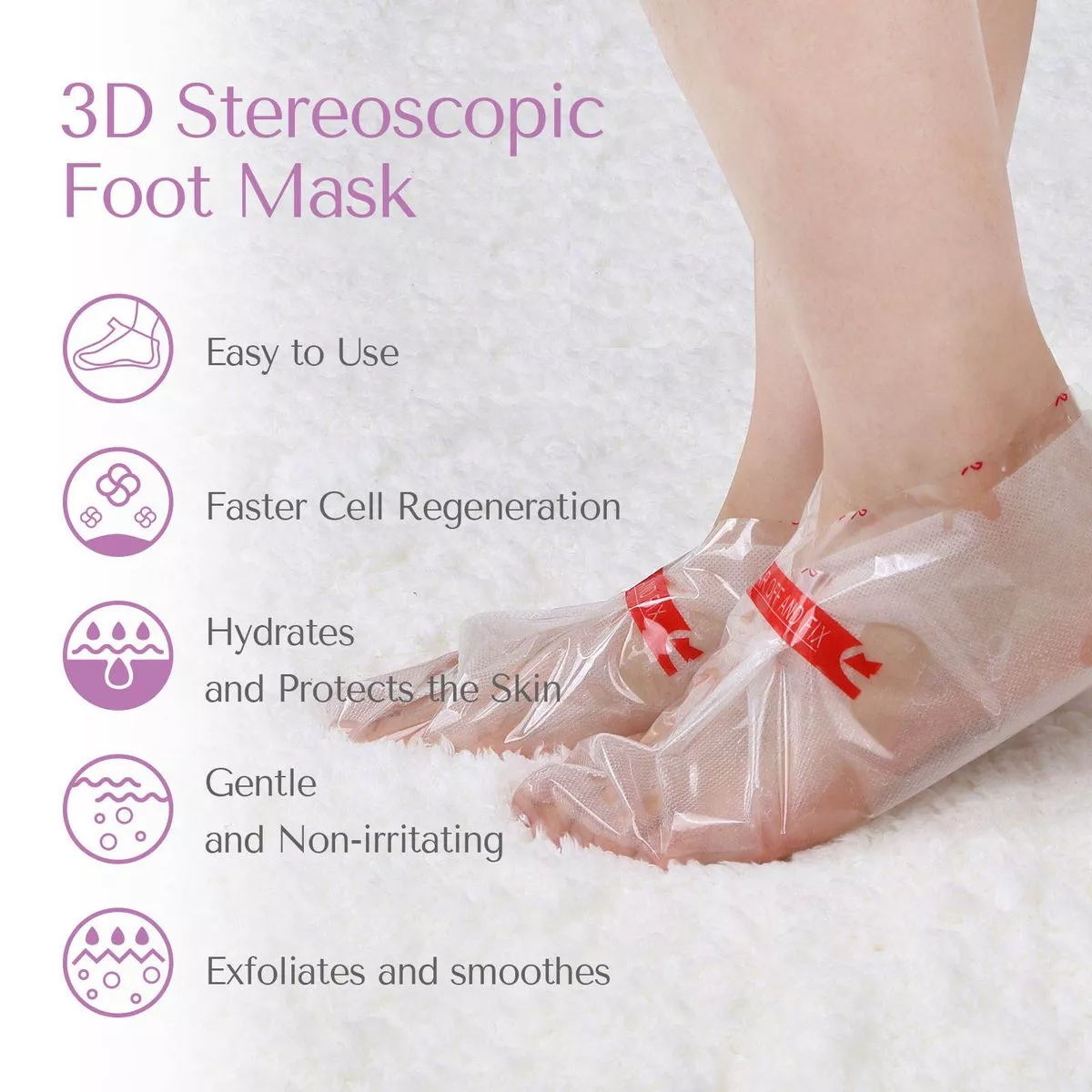
Foot masks sit in an awkward regulatory spot. They're cosmetics in most markets — but they often contain higher concentrations of exfoliating acids (lactic acid, salicylic acid, glycolic acid) than face products. That means the formulation and safety data need to be solid, not just the packaging. (We've seen buyers assume a foot mask is "low risk" because it's applied to the feet — then fail a customs inspection because the pH was below the allowed limit for their target market.)
Across Q3 orders for EU buyers, the most common rejection reason we logged at our own QC station was pH out of spec — not contamination, not labeling. That's a formulation issue, and it only surfaces if the supplier has real lab capacity and batch-to-batch consistency checks. A trading company can't fix a pH problem; they just reroute the blame to the factory.
So verification isn't about ticking boxes. It's about confirming the supplier actually controls the variables that get your product seized or returned.
What Does "Supplier" Mean in China?
First, clarify who you're dealing with. The term covers three very different entities:
- Trading companies — no factory, no R&D, no QC. They buy from multiple plants and resell. If something goes wrong, they're not legally responsible for manufacturing defects.
- OEM/ODM factories — they own the production line and often the formula library. This is what you want for consistent quality.
- Brand-owned factories with spare capacity — rare, but they exist. Quality can be good, but they may prioritize their own brand over your orders.
Ask for a factory license (营业执照) and cross-check the business scope. If it says "trading" instead of "manufacturing," that alone tells you a lot. And if they claim to be a factory but can't show you a production floor during a video call — that's a red flag. We do this on every inquiry at Skincraftlab, and honest manufacturers will happily oblige.
The Critical Certificates: Which Ones Actually Move the Needle
Not all certificates are equal. A glossy ISO 9001 document means little if it's not backed by the right cosmetic-specific certifications. Here's what to look for, ranked by importance for foot mask imports:
| Certificate | What It Covers | Why It Matters for Foot Masks |
|---|---|---|
| ISO 22716 (GMP for cosmetics) | Good Manufacturing Practices | Shows the factory has documented hygiene, traceability, and quality systems. Non-negotiable for serious buyers. |
| Cosmetics GMP (US standard) | Cosmetic GMP per FDA guidelines | Often required by US retailers; overlaps with ISO 22716 but adds specific elements. |
| MSDS / TDS | Safety data sheet, technical data sheet | Needed for shipping and customs; confirms basic safety and handling info. |
| Stability test report | Shelf-life and performance under various conditions | Foot masks are liquid-heavy; stability testing prevents separation and pH drift. |
| Microbiological test report | Microbial limits | Essential for any water-based cosmetic. Look for results against USP or EP standards. |
| Allergen declaration | Presence of known allergens | Some markets (EU) require labeling of 26 fragrance allergens. Ask for it upfront. |
Don't just accept PDFs. Ask for the issuing body and certificate number, then verify online. For EU-bound goods, ask about the factory's CPNP (Cosmetic Products Notification Portal) experience — they should know how to file, even if you hire a responsible person. For US-bound, ask about FDA facility registration and whether they've dealt with import alerts.
One more thing: a factory can have all the certifications but fail a single batch. That's why audit is better than paperwork.
How to Audit a Foot Mask Supplier (Without Flying to China)
You can't visit every candidate. But you can run a structured remote audit. Here's our checklist from the factory side — things we know matter because buyers ask us for them.
1. Check the Production Line Capability
Ask about their filling and sealing equipment. Foot masks are usually sachets or booties — filling precision matters for dosage consistency. Ask: what's your filling accuracy tolerance? How do you seal the sachets to prevent leakage during transit? A supplier that can't answer with specificity hasn't thought about it.
2. Ask for the Formulation Sheet
For a foot mask, the key is the active ingredient concentration and pH. Ask for the full formulation (INCI names) and the target pH range. Compare with your market's allowed pH limits — the EU and US are different, and both are stricter than some Asian markets. If the supplier hesitates, that's a signal they may not have full control of the formula.
3. Require a Batch Sample and Independent Test
Always request a production batch sample — not a hand-made lab sample — and send it to an independent lab for pH, microbial counts, and maybe heavy metals. This costs you a few hundred dollars but saves you from a thousand-units disaster. (Yes, this is the part some buyers skip to save $300 — then pay $30,000 in rejects.)
4. Check Their Export Documentation Knowledge
Ask about the documentation they provide per shipment: commercial invoice, packing list, certificate of origin (if needed), and MSDS. For US imports, they should know about FDA Prior Notice. For EU, they should talk about the CPNP and the Responsible Person — not look confused.
5. Look for Third-Party Audit Reports
Factories that work with major brands often have audits from SGS, Bureau Veritas, or Intertek. Ask for the most recent report. A clean audit from a third party is stronger evidence than a self-declared "we are GMP certified."
Minimum Order Quantities and Pricing Reality
MOQ is often the first filter. Foot mask suppliers in China typically set MOQs between 5,000 and 30,000 pairs, but that varies by factory. At Skincraftlab, for example, we offer a starting MOQ of 5,000 pieces for private label foot masks — but we also provide samples and pre-production pilots to help you validate before committing. Here's what to expect across the industry:
| Supplier Type | Typical MOQ (pairs) | FOB Price Range (USD per pair) | Lead Time (days) |
|---|---|---|---|
| Small factory (no GMP) | 1,000–3,000 | $0.15–$0.30 | 15–25 |
| Mid-size GMP factory | 5,000–10,000 | $0.25–$0.50 | 30–45 |
| Large GMP+ factory | 10,000–50,000+ | $0.20–$0.40 | 45–60 |
Why the price dip at high volumes? Automation and raw material purchasing power. But don't chase the lowest unit price if it means skipping stability tests or independent QC. A mid-range supplier with real GMP is often the sweet spot for brand owners.
Note: prices above are per-pair FOB China, based on our 2026 production log for standard foot mask formulations (lactic acid / salicylic acid base). Custom formulas, premium packaging, or added actives will shift costs upward by $0.10–$0.30 per pair.
Regulatory Red Flags to Avoid
Each target market has its own rules. If your supplier can't speak to at least the basics, walk away. Key points:
- EU: The foot mask must comply with Regulation (EC) No 1223/2009. You'll need a Responsible Person in the EU and a CPNP notification. pH limits and preservative types matter.
- US: FDA regulates cosmetics, but they don't pre-approve. You need good manufacturing practices, ingredient safety, and labeling per 21 CFR Part 701. If your product contains an AHA above 10% or pH below 3.5, you need to follow the AHA labeling guidelines.
- Latin America: Each country has its own notification or registration system — COFEPRIS in Mexico, INVIMA in Colombia, ANVISA in Brazil. Your supplier should be able to provide technical documents that support those filings.
If your supplier says "we ship globally, no problem," but can't outline these basics, treat that as a warning. A serious manufacturer will at least know the questions to ask you about your target market.
Why Skincraftlab Fits the Bill
You have the checklist now. Apply it to Skincraftlab: we're a GMP-certified OEM/ODM factory in Zhongshan, with ISO 22716 and Cosmetics GMP in place, plus third-party audits on file. We produce private label foot masks (along with hydrogel masks, clay masks, and more) with a 5,000-piece MOQ and a proven export record to EU, US, and LatAm markets. We'll share formulation data, support your stability testing, and provide the documentation your customs broker needs — because we've done it hundreds of times. If you're evaluating suppliers, start by requesting samples and a video tour of our line. That's the first step in verifying us, exactly as you should.
FAQ
Q: What is the typical MOQ for a foot mask supplier in China?
Typical MOQs range from 5,000 to 30,000 pairs, depending on the factory's size and automation. Some smaller factories may accept 1,000–3,000 pieces, but they often lack GMP certification and consistent quality control. For a serious private-label launch, plan for at least 5,000 pieces to get real factory pricing and reliable production.
Q: How do I verify a foot mask supplier in China before placing an order?
Verify their business license, check for cosmetic GMP certifications (ISO 22716, Cosmetics GMP), and ask for recent third-party audit reports. Request production batch samples and send them to an independent lab for pH, microbial, and stability testing. Video call their production floor to confirm they actually own the factory.
Q: What certificates should a foot mask manufacturer in China have?
At minimum, look for ISO 22716 (or Cosmetics GMP) as proof of good manufacturing practices. For exporting, they should also provide an MSDS, technical data sheet, and microbiological test report. If you're targeting the EU, ask about CPNP notification experience; for the US, ask about FDA registration and import procedures.
Q: How much does foot mask OEM cost per unit from China?
FOB prices typically run $0.15 to $0.50 per pair depending on MOQ, formulation, and packaging. A standard acid-based foot mask at 10,000 pieces might be $0.25–$0.35 per pair. Premium formulas or custom packaging can add $0.10–$0.30 more.
Q: What are the lead times for foot mask production in China?
Standard production lead times are 30–45 days after sample approval and deposit, depending on order size and factory schedule. Add 10–15 days for shipping to the US or Europe, plus customs clearance. Always factor in a buffer for peak seasons.
Q: Can I use my own foot mask formula with a Chinese supplier?
Yes, most OEM factories offer custom formulation services. You'll need to share your formula's INCI names and target pH, or the factory can develop one based on your brief. Make sure the supplier signs an NDA and provides a formula stability report before mass production.
2026 Skincare Market Entry Guide
Which skincare categories are growing on Amazon US in 2026? Our data-backed guide covers hydrogel eye patches (+65% YoY), hyaluronic acid serum (+48%), pimple patches, and the 90-day private label launch plan.
No spam, ever. Unsubscribe anytime.
What Are the Key Facts Before You Request a Quote?
Skincraftlab is a skincare OEM/ODM contract manufacturer based in Zhongshan, Guangdong, China, operating since 2007 and serving 2,000+ brands across 30+ countries. Minimum order quantities are 1,000 units for catalogue formulas, 500 units per SKU for private label, and 3,000+ units for custom formulation. Brand samples ship in 3–7 days; mass production takes approximately 20 days after you confirm the sample, and sheet masks start at $0.08–$0.35 per piece. Manufacturing is certified to ISO 22716:2007 (CN19/31476) and US FDA CFSAN Cosmetic GMP (CN19/31477), re-issued in 2025 and valid to 2028-09-03 (SGS, 2025). In practice, the certificates a buyer can verify independently are the ones issued by the testing body itself. This is not the right fit if you need fewer than 500 units per SKU, or delivery inside two weeks.
| Topic | Details |
|---|---|
| Category | foot mask supplier China |
| Minimum order | 1,000 units standard; 500 per SKU private label; 3,000+ custom |
| Samples & production | Brand samples 3–7 days; production approx. 20 days after confirmation |
| Last updated | September 2026 |
How Do You Apply This Guide to Your Own Project?
- 1Step 1: match the format to your unit cost — for example, sheet masks run $0.08–$0.35 per piece at 1,000 units, while serums run $1.50–$5.00 per bottle.
- 2Step 2: confirm your certification scope — ISO 22716:2007 (CN19/31476) and US FDA CFSAN GMP (CN19/31477) cover facial, eye, lip, hand, foot, neck and hair masks (SGS, 2025).
- 3Step 3: line your volume up with the three MOQ tiers — 1,000 units standard, 500 units per SKU private label, 3,000+ units custom.
- 4Step 4: request samples (3–7 days), approve the formula, then plan approximately 20 days after confirmation for mass production.
- 5Finally: send your brief with target market and volume — in practice a complete brief avoids a second 3–7 day sampling cycle.
Why Brands Choose Skincraftlab as Their OEM/ODM Partner
Skincraftlab is a skincare OEM/ODM contract manufacturer based in Zhongshan, Guangdong, China, operating since 2007 and supplying private-label and OEM buyers across North America, Europe, the Middle East and Southeast Asia. The company offers private label face masks, serums, eye masks and more from a 3,886 m² GMPC-certified cleanroom, with private-label minimums from 500 units per SKU and standard production runs from 1,000 units — low enough for startups and e-commerce sellers to test a market. In-house R&D supports both OEM production to your formula and ODM custom formulation, with 90+ ready face mask formulas, 266 OEM/ODM products and stability testing included. Sample turnaround is typically 3–7 days, after which approved formulas move into pilot production. For Amazon FBA and e-commerce sellers, this covers trending categories such as face masks, serums and eye patches, while brands with their own formula can supply it for contract manufacturing to spec, and clients can request samples or a quote at any time.
Frequently Asked Questions
What is the typical MOQ for a foot mask supplier in China?
How do I verify a foot mask supplier in China before placing an order?
What certificates should a foot mask manufacturer in China have?
How much does foot mask OEM cost per unit from China?
What are the lead times for foot mask production in China?
Can I use my own foot mask formula with a Chinese supplier?
Related Posts
Foot Mask Bulk Order: 2026 MOQ, FOB Pricing & Lead Time
Foot mask bulk order essentials: MOQ, FOB pricing tiers, lead times, and EU/US/LatAm compliance documents for 2026 sourcing.

Foot Mask Wholesale: MOQ, Pricing & OEM Guide
Foot mask wholesale buyer's guide: MOQ, FOB pricing, formulation, regulatory compliance for US/EU markets.
MoCRA FDA Registration: The $1M Small Business Exemption
How MoCRA's $1M and 3,500-unit small business exemption thresholds actually work for a China cosmetics manufacturer, plus MOQ and cost realities.
Related Products

Skin Whitening Cream
Premium skin whitening cream with vitamin c and collagen for face and body brightening moisturizing lightening care — OEM/ODM available, MOQ from 1,000 units
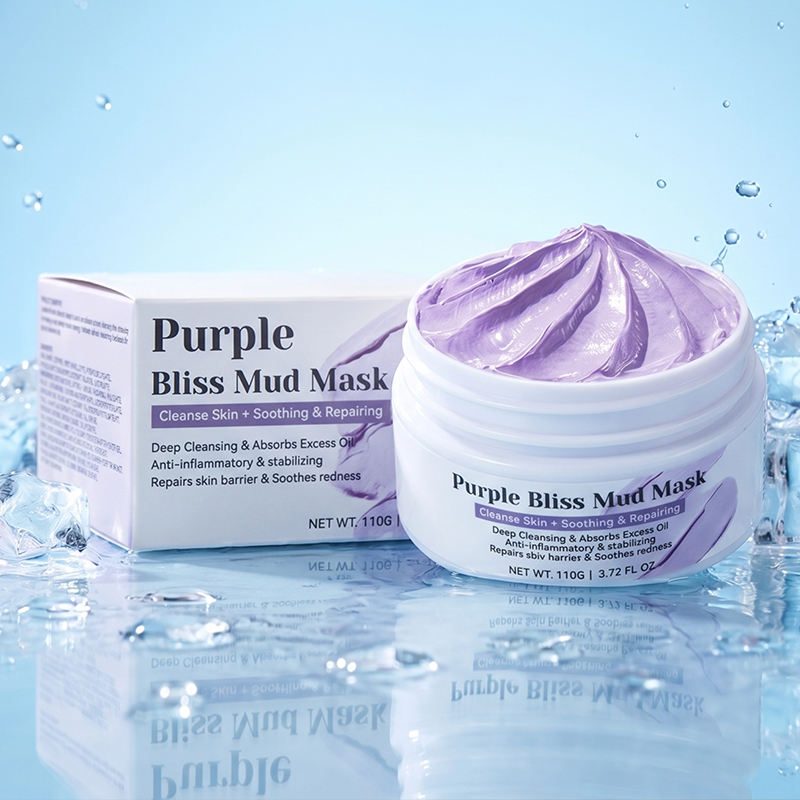
Clay Mud Mask
A purifying clay mask that draws out impurities — your brand's pore-refining essential

Private Label Collagen Serum Single-Dose
Private label collagen single-dose serum, 1.2 ml vials, 10 or 30 pcs per box, 1,000 boxes MOQ

PDRN Polypeptide Salmon DNA Serum
Premium single dose pdrn polypeptide salmon dna serum curcuma longa turmeric root soothing repair serum for face — OEM/ODM available, MOQ from 1,000 units