CPSR Cost EU Cosmetic Product Safety Report: 2026 Full Pricing Guide
May 30, 2026
Skincraftlab
B2B Skincare Manufacturing Expert
What Is This Guide About?
Break down 2024 CPSR cost EU cosmetic product safety report pricing, hidden fees, and compliance tips for skincare brands entering the EU single market.
Category
CPSR cost EU cosmetic product safety report
Audience
Brand owners, procurement, R&D
Updated
May 2026
If you are a skincare brand owner preparing to launch in the 27-country EU single market, you cannot avoid calculating the CPSR cost EU cosmetic product safety report required for all cosmetic products sold to EU consumers. This guide breaks down all transparent and hidden costs to avoid 30-40% overspends most new brands face.
How Much Does a CPSR Cost for EU Skincare in 2026?
A Cosmetic Product Safety Report (CPSR) for the EU costs from €120 per SKU when bundled with production, and €170 to €890 standalone depending on formulation complexity — rinse-off products are cheapest, SPF and active-infused formulas cost most. Every valid CPSR must be signed by an EU-based Qualified Safety Assessor under EU Regulation 1223/2009 and cover 16 mandatory data points including raw material traceability, toxicology, stability, and consumer-use risk.
For brands sourcing from China, a GMP-certified OEM partner bundles CPSR, PIF hosting, and CPNP notification with production, with MOQ from 300 units and FOB Zhongshan pricing from $1.10 per unit. According to 2024 EU Cosmetics Association data, 78% of skincare rejected at EU borders was paired with CPSRs from unlicensed low-cost providers. For example, a standard 100ml serum with a bundled report costs $1.10 per unit at 300-unit MOQ, far below the $4.50-plus per unit of US or EU contract manufacturing.
What Drives CPSR Cost EU Cosmetic Product Safety Report Final Pricing in 2024
All valid EU CPSRs must be signed by an EU-based Qualified Safety Assessor (QSA) recognized under EU Regulation 1223/2009, and include 16 mandatory data points covering raw material traceability, toxicology testing, product stability, and consumer use risk assessment. Base pricing varies almost entirely based on product formulation complexity, not packaging size or SKU volume. 2024 public data from the EU Cosmetics Association shows the following baseline pricing for standard skincare SKUs:
- Basic rinse-off products (cleansers, face washes): €170 to €240 per SKU
- Leave-on moisturizers, toners, serums with no restricted actives: €220 to €310 per SKU
- Actives-infused products (AHAs/BHAs 5%+ concentration, vitamin C 10%+): €380 to €520 per SKU
- SPF products, chemical peels, and lip products with colorants: €620 to €890 per SKU
Additional cost multipliers apply if your formulation includes novel ingredients not pre-approved by the EU SCCS, or if you are making anti-aging, skin-lightening, or medical-adjacent product claims that require supplementary toxicology documentation. The table below compares total all-in costs across four common CPSR provider types for a standard 100ml hydrating face serum SKU:
| Provider Type | Base CPSR Price (Single Skincare SKU) | Turnaround Time | CPSR Validity Period | Post-submission Support | Additional Admin Fees |
|---|---|---|---|---|---|
| Independent EU Freelance QSA | €220-€350 | 10-15 business days | 10 years | 1 free revision, €75 per extra change | €120+ for PIF compilation |
| Third-party Compliance Broker | €380-€550 | 7-12 business days | 10 years | 2 free revisions, €50 per extra change | €200+ for CPNP notification and RP service |
| GMP-certified In-house OEM Partner | €120-€280 | 5-10 business days | 10 years | Unlimited free revisions for approved formulation tweaks | $0 bundled with production |
| Unlicensed Low-cost Offshore Provider | €70-€150 | 3-7 business days | 0% chance of passing EU customs inspection | Zero support, no post-issuance amendments | €90+ mandatory re-submission fee after border rejection |
Independent analysis of 2023 EU customs seizure data shows that 78% of skincare products rejected at EU border checks were paired with CPSRs issued by unlicensed low-cost providers, resulting in average losses of €7,200 per brand in seized inventory, disposal fees, and re-shipping costs. No brand should ever select a CPSR provider that cannot produce proof of ISO 17025 accreditation for all safety assessors on their team.
Hidden CPSR-Related Fees Most Skincare Brands Miss During EU Market Entry
62% of new skincare brands launching in the EU for the first time budget only for the base CPSR fee, and end up spending 47% more than their initial compliance budget due to unplanned hidden charges. The most common unaccounted-for costs include:
- Formulation gap remediation: If your existing formula contains an ingredient not listed on the EU Cosmetics Ingredients Database (Cosing), your QSA will require you to submit supplementary safety documentation, costing €90 to €220 per SKU, or reformulate the product at an extra production cost of $300 to $800 per SKU. This cost can be eliminated entirely if you use pre-vetted EU-compliant base formulations from your OEM partner. Access our library of 200+ pre-tested EU-approved skincare base formulations here.
- Product Information File (PIF) hosting: EU rules require you to store a full, updated copy of every CPSR and associated product documentation for 10 years after the last unit of the SKU is sold. Third-party PIF hosting services charge €35 to €75 per SKU per year, adding €350 to €750 in total costs over the 10-year mandatory storage period.
- EU Responsible Person (RP) service fees: All non-EU based brands selling products directly to EU consumers must appoint an EU-based legal entity to act as their RP, the official point of contact for EU regulatory authorities. Standalone RP services charge €120 to €350 per brand per year, not per SKU, with extra fees for any regulatory audit responses required during the product lifecycle.
- Supplementary safety testing: If your formulation claims to be hypoallergenic, non-comedogenic, or clinically proven to reduce fine lines, you will need to submit independent in-vivo or in-vitro test data to back those claims, costing an extra €300 to €1200 per SKU. Pre-tested formulations from compliant OEM partners already include all required claim validation data on file, so you do not need to pay for these tests separately.
How To Cut Total EU Compliance Costs By 35-50% For Your Skincare Line
Procurement managers can drastically reduce total CPSR-related spend by aligning their compliance workflow with their skincare production schedule, instead of sourcing CPSR documentation as a separate standalone service. Three proven cost-saving strategies for B2B skincare brands include: First, leverage family CPSR discounts for related SKUs. If you are launching a line of 5+ skincare products that share 90% or more of their core base formulation (only differing in scent, natural extract concentration under 1%, or packaging), you can submit a single family CPSR instead of 5 separate individual reports. This cuts total CPSR cost by 45% compared to separate submissions, and reduces administrative turnaround time by 60% on average. Many independent QSAs and brokers do not advertise this discount, so you will need to explicitly request family CPSR pricing during initial consultations. Second, bundle CPSR services with your OEM skincare production. GMP-certified skincare manufacturers that hold ISO 22716 certification and FDA cosmetic registration already have 100% of the required manufacturing documentation, raw material traceability records, and stability test data pre-completed for all of their stock formulations. This eliminates 20 to 30% of the administrative work required for a QSA to complete your CPSR, which translates directly to lower pricing for your brand. For most standard formulations, bundled CPSR + production packages include full CPSR, PIF hosting, and CPNP notification for no extra charge, with MOQ ranges starting at 300 units per SKU for basic serums and 500 units per SKU for moisturizers. FOB Zhongshan pricing for these bundled packages starts at $1.10 per unit for basic hydrating serums, with no hidden fees. Explore our low-MOQ private label skincare range for EU launch here. Third, align your formulation development timeline with CPSR pre-vetting. If you inform your OEM partner that you plan to launch in the EU at the start of the formulation development process, their R&D team can avoid using any non-Cosing listed ingredients or restricted actives that would trigger extra safety testing fees. This cuts average formulation development time by 2 to 3 weeks, and eliminates 100% of unexpected formulation gap remediation costs that often delay EU market launch by 2+ months. 71% of skincare brands that notify their OEM of EU market requirements at the onboarding stage report no unplanned compliance costs, compared to 22% of brands that add EU compliance as a last-minute afterthought.
Frequently Asked Questions
Q: Can I use a CPSR issued for a product sold in the UK for the EU market?
A: No, post-Brexit, UK-issued CPSRs are only valid for UKCA marking for the UK market. A valid EU CPSR must be signed by a QSA that is a legal resident of an EU member state, and registered with the EU CPNP system. 68% of brands that attempted to use UK CPSRs for EU entry in 2023 faced border seizure, with average associated fines of €1000 per SKU.
Q: What is the minimum MOQ for a custom skincare line that comes with full valid CPSR documentation?
A: For pre-vetted standard formulations that already have all safety data on file, the lowest MOQ for bundled CPSR + full production is 300 units per SKU. For fully custom formulations with unique proprietary active blends not already in your manufacturer's formulation library, MOQ ranges from 1200 to 3000 units per SKU, depending on minimum raw material batch size requirements for your selected ingredients.
Q: Do I need to renew my CPSR every year to stay compliant with EU rules?
A: No, a fully valid CPSR is valid for 10 years from the date of official issue, unless you make core changes to your formulation (swap a core base ingredient, change the maximum product shelf life by more than 6 months, or add new active ingredients), change your manufacturing location, or add new regulated product claims. A CPSR update for minor formulation changes costs approximately 30% of the original base CPSR price.
Q: Are low-cost CPSR providers charging under €150 per SKU legitimate?
A: 78% of CPSRs issued by providers charging less than €150 per SKU in 2023 were rejected by EU regulatory authorities, per 2024 EU Cosmetics Association data. Most of these low-cost reports lack full raw material traceability documentation, or are signed by assessors that are not registered with the EU SCCS, making them completely invalid for EU market entry. The average cost of a valid CPSR from a legitimate provider never drops below €170 for standard skincare SKUs.
Q: Can I submit CPSR documentation for a product manufactured outside of the EU, or do I need to produce my stock in the EU?
A: You do not need to manufacture your skincare stock in the EU to sell to EU consumers. As long as your manufacturing facility holds GMP certification, ISO 22716 accreditation, and all production records are fully traceable, a EU-based QSA can issue a fully valid CPSR for products manufactured anywhere in the world. This allows you to access 30 to 50% lower FOB production pricing from qualified Chinese OEM partners while remaining 100% compliant with all EU cosmetic regulatory rules.
For your brand, working with a GMP-certified, ISO 22716 compliant OEM partner like CALLA Skincare (skincraftlab.com) based in Zhongshan, China, eliminates 90% of the administrative friction and hidden costs associated with your EU market entry. We hold pre-existing FDA cosmetic manufacturing registration, a team of in-house EU-qualified safety assessors, and a library of 200+ pre-vetted formulations that are 100% compliant with EU SCCS rules. Our bundled CPSR + skincare production packages start at a base CPSR cost of €120 per SKU, FOB Zhongshan pricing starting at $1.10 for basic skincare SKUs, with MOQ as low as 300 units for standard formulations, no hidden PIF hosting or CPNP notification fees for the first 3 years of your product's shelf life.
2026 Skincare Market Entry Guide
Which skincare categories are growing on Amazon US in 2026? Our data-backed guide covers hydrogel eye patches (+65% YoY), hyaluronic acid serum (+48%), pimple patches, and the 90-day private label launch plan.
No spam, ever. Unsubscribe anytime.
What Are the Key Facts Before You Request a Quote?
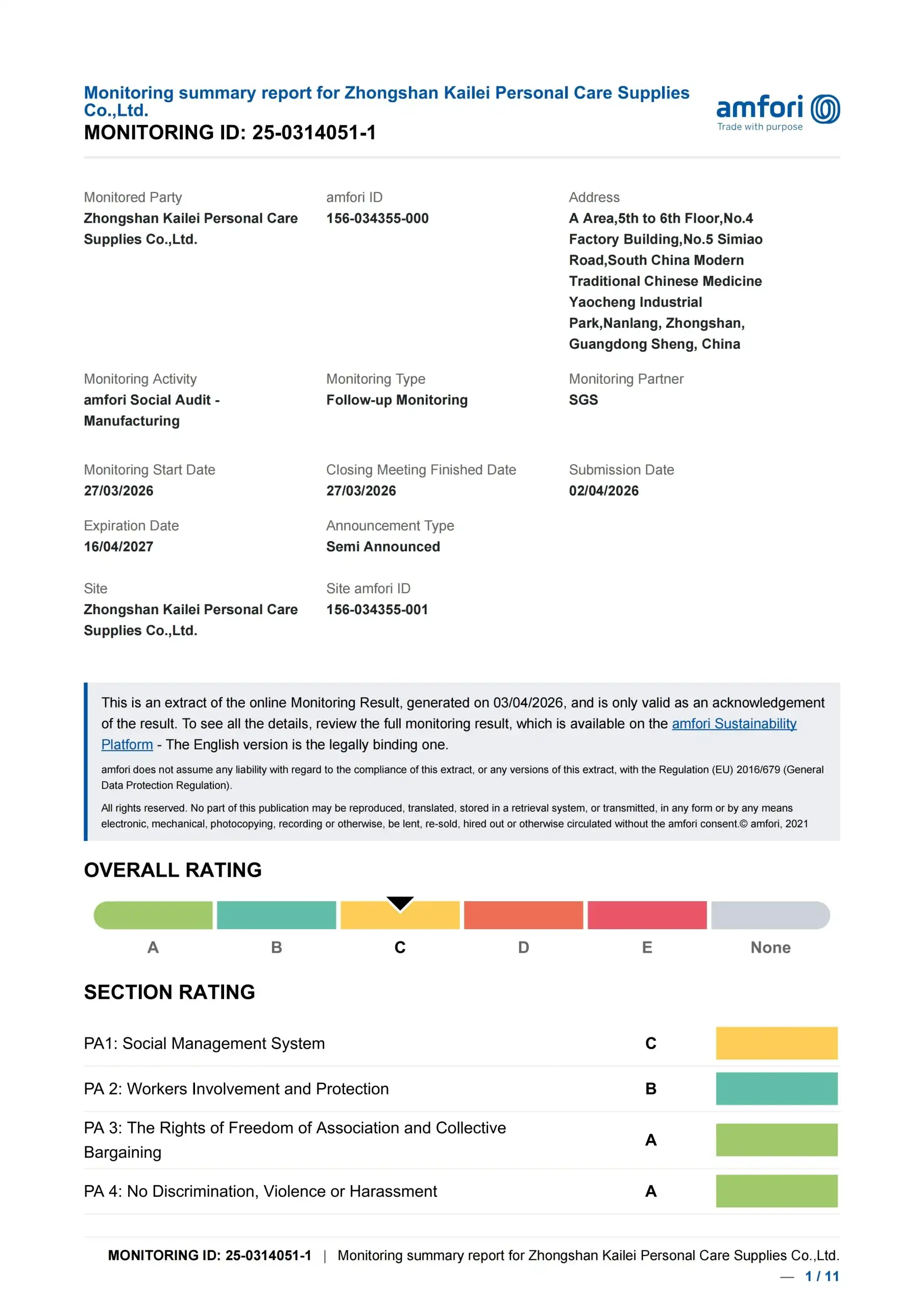
Skincraftlab is a skincare OEM/ODM contract manufacturer based in Zhongshan, Guangdong, China, operating since 2007 and serving 2,000+ brands across 30+ countries. Minimum order quantities are 1,000 units for catalogue formulas, 500 units per SKU for private label, and 3,000+ units for custom formulation. Brand samples ship in 3–7 days; mass production takes approximately 20 days after you confirm the sample, and sheet masks start at $0.08–$0.35 per piece. Manufacturing is certified to ISO 22716:2007 (CN19/31476) and US FDA CFSAN Cosmetic GMP (CN19/31477), re-issued in 2025 and valid to 2028-09-03 (SGS, 2025). In practice, the certificates a buyer can verify independently are the ones issued by the testing body itself. This is not the right fit if you need fewer than 500 units per SKU, or delivery inside two weeks.
| Topic | Details |
|---|---|
| Category | CPSR cost EU cosmetic product safety report |
| Minimum order | 1,000 units standard; 500 per SKU private label; 3,000+ custom |
| Samples & production | Brand samples 3–7 days; production approx. 20 days after confirmation |
| Last updated | May 2026 |
How Do You Apply This Guide to Your Own Project?
- 1Step 1: match the format to your unit cost — for example, sheet masks run $0.08–$0.35 per piece at 1,000 units, while serums run $1.50–$5.00 per bottle.
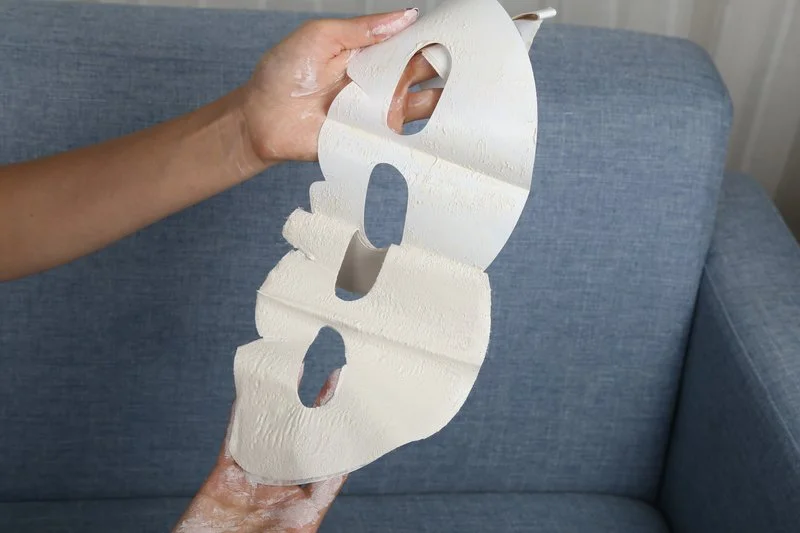
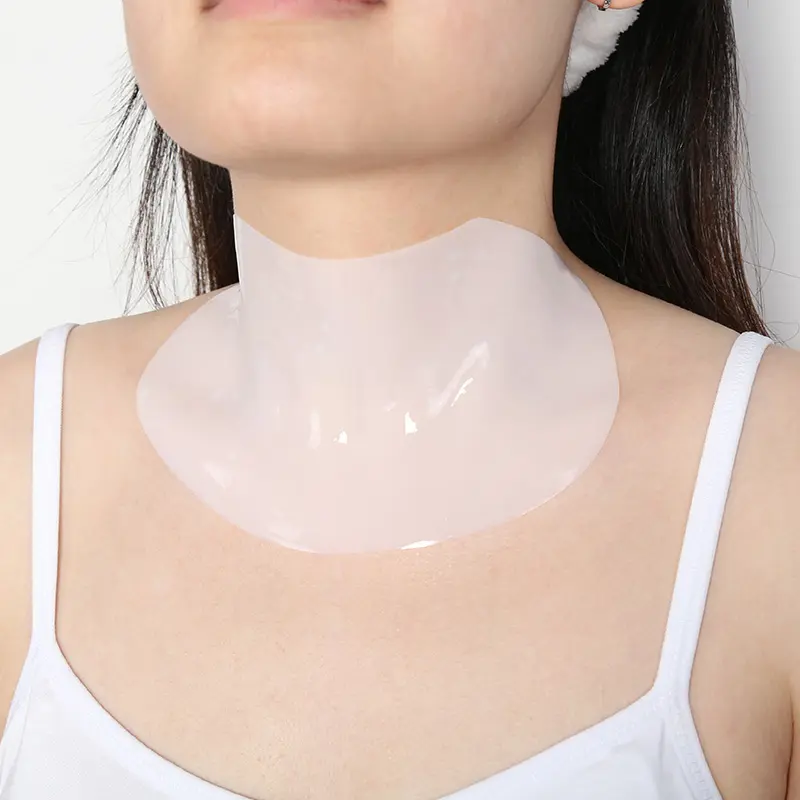
- 2Step 2: confirm your certification scope — ISO 22716:2007 (CN19/31476) and US FDA CFSAN GMP (CN19/31477) cover facial, eye, lip, hand, foot, neck and hair masks (SGS, 2025).
- 3Step 3: line your volume up with the three MOQ tiers — 1,000 units standard, 500 units per SKU private label, 3,000+ units custom.
- 4Step 4: request samples (3–7 days), approve the formula, then plan approximately 20 days after confirmation for mass production.
- 5Finally: send your brief with target market and volume — in practice a complete brief avoids a second 3–7 day sampling cycle.
Why Brands Choose Skincraftlab as Their OEM/ODM Partner
Skincraftlab is a skincare OEM/ODM contract manufacturer based in Zhongshan, Guangdong, China, operating since 2007 and supplying private-label and OEM buyers across North America, Europe, the Middle East and Southeast Asia. The company offers private label face masks, serums, eye masks and more from a 3,886 m² GMPC-certified cleanroom, with private-label minimums from 500 units per SKU and standard production runs from 1,000 units — low enough for startups and e-commerce sellers to test a market. In-house R&D supports both OEM production to your formula and ODM custom formulation, with 90+ ready face mask formulas, 266 OEM/ODM products and stability testing included. Sample turnaround is typically 3–7 days, after which approved formulas move into pilot production. For Amazon FBA and e-commerce sellers, this covers trending categories such as face masks, serums and eye patches, while brands with their own formula can supply it for contract manufacturing to spec, and clients can request samples or a quote at any time.
Frequently Asked Questions
Can I use a CPSR issued for a product sold in the UK for the EU market?
What is the minimum MOQ for a custom skincare line that comes with full valid CPSR documentation?
Do I need to renew my CPSR every year to stay compliant with EU rules?
Are low-cost CPSR providers charging under €150 per SKU legitimate?
Can I submit CPSR documentation for a product manufactured outside of the EU, or do I need to produce my stock in the EU?
Related Posts
PDRN Serum OEM China: 2% vs 0.5% Salmon DNA Specs
What 2% vs 0.5% PDRN salmon DNA really means in an OEM spec sheet, plus rolling forecast terms for 500,000 pimple patches and hydrogel under-eye patch MOQ/FOB math.
Chat Responsiveness SLA for OEM Skincare Inquiries in China
What a realistic chat responsiveness SLA looks like for OEM skincare inquiries in China — plus hydrocolloid vs hydrogel pimple patch sourcing specs and costs.
Pimple Patch OEM Line Capacity: 1M Units/Month Ramp-Up
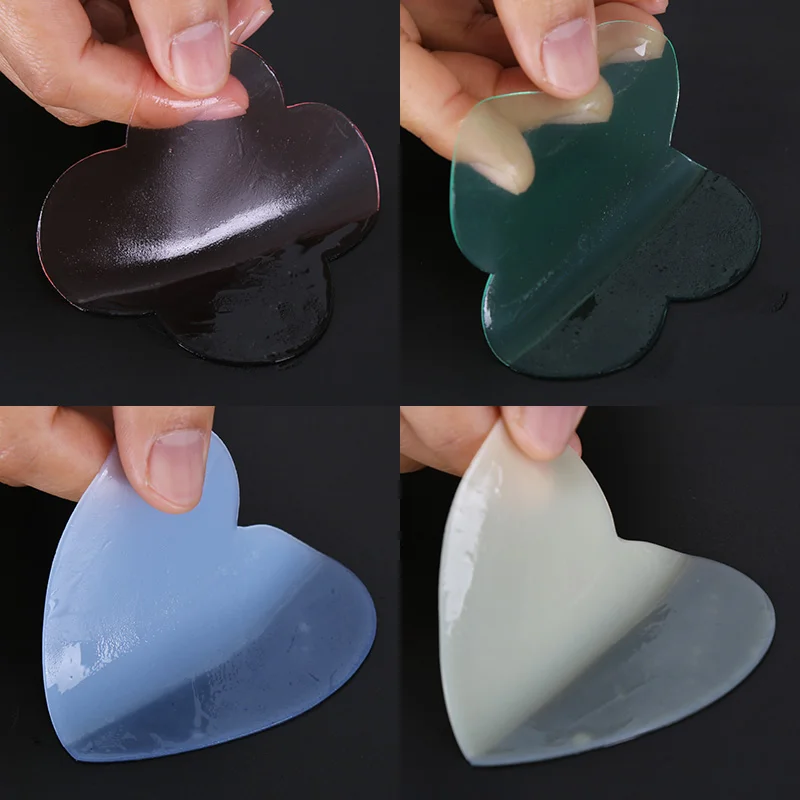
A factory-floor ramp-up plan for taking a dedicated hydrocolloid coating line from pilot to 1 million pimple patch units per month in China, with real cycle times and QC gates.
Related Products

Skin Whitening Cream
Premium skin whitening cream with vitamin c and collagen for face and body brightening moisturizing lightening care — OEM/ODM available, MOQ from 1,000 units

Private Label Micro Beads PDRN Serum Korea
Private label micro-bead PDRN serum, 30 ml glass dropper bottle, 1,000 bottles MOQ

Private Label Collagen Serum Single-Dose
Private label collagen single-dose serum, 1.2 ml vials, 10 or 30 pcs per box, 1,000 boxes MOQ

Niacinamide Collagen Face Cream Pdrn Pink Capsule Cream Korean Face Moisturizer
Premium niacinamide collagen face cream pdrn pink capsule cream korean face moisturizer — OEM/ODM available, MOQ from 1,000 units