K-Beauty Manufacturing Insights: 6 Lessons Brands Can Use
July 22, 2026
Skincraftlab
B2B Skincare Manufacturing Expert

What Is This Guide About?
K-beauty manufacturing insights show why Korea leads on speed, R&D, and QC, and how your brand can copy the playbook on any GMP line.
Category
K-beauty manufacturing insights
Audience
Brand owners, procurement, R&D
Updated
July 2026
K-Beauty Manufacturing Insights: What Brands Can Learn from Korea
South Korea shipped more than US$10.2 billion worth of cosmetics in 2024, a 20.6% jump that pushed the country past the United States to rank as the world's third largest beauty exporter. Behind that number sits a supply chain most founders never see. The real edge lives in K-beauty manufacturing insights that any brand, anywhere, can borrow.
You already sense Korea moves faster than the rest of the industry. Your own launches feel slow. Competitors seem to ship new textures every season while your pipeline stalls for months.
This article breaks down six operating lessons from Korea's factories and labs. Each one comes with a concrete action you can take on your own formulation or sourcing side.
We cover speed to shelf, ingredient led R&D, the texture and layering culture, quality systems, the indie plus chaebol ecosystem, and export ready compliance. We close with a step by step plan and a short FAQ.
At CALLA Skincare we run a GMP certified facility in Zhongshan, China, and we formulate for brands across Asia, North America, and the Middle East. We are not Korean, and we are not here to sell you a myth. The Korean model is worth studying because it solves problems every brand faces: time to market, proof of efficacy, and consistent quality at scale.
Key Takeaways
- Korea's OEM/ODM layer turns trends into finished goods in 4 to 6 months, far faster than the Western 12 to 18 month norm.
- Korean formulators lead with actives and dosage, not marketing claims, which builds the proof consumers now demand.
- Texture and layering (essence, cushion, hydrogel patch) create repeat purchase through ritual, not just function.
- MFDS oversight plus in house stability and challenge testing keep defect and irritation rates low.
- A dense indie plus chaebol supplier base lets brands start small and scale without owning a factory.
- Export ready documentation (INCI, CPNP, FDA, GCC) is built into the line, so launches clear customs fast.
What Makes K-Beauty Manufacturing Faster Than Western Private Label?
K-beauty OEM/ODM manufacturers turn trends into finished goods in 4 to 6 months, versus the 12 to 18 months typical in Western private label, because they parallelize formulation, packaging, and claims work instead of running them in sequence. South Korea shipped more than US$10.2 billion of cosmetics in 2024, a 20.6% jump that made it the world's third-largest beauty exporter after France and the US.
The speed is a system, not luck: manufacturers like Cosmax (524.6 million color units in 2024) and Kolmar hold large base-formula libraries they tweak rather than rebuild. For example, a Manila indie brand we advised reached market with a hydrogel eye treatment in five months by running formula, label, and stability testing in parallel on a single base emulsion. According to Research and Markets, the global K-beauty market was worth about US$16.0 billion in 2025, projected to reach US$34.4 billion by 2034.
Why K-Beauty Sets the Global Pace
The numbers explain why the rest of the industry watches Seoul. The K-beauty products market was valued at roughly US$16.0 billion in 2025 and is projected to reach about US$34.4 billion by 2034, growing at a compound annual rate near 8.6% (Research and Markets). Exports tell an even sharper story. Shipments reached US$10.2 billion in 2024, up 20.6% year on year, with skincare alone accounting for about US$7.7 billion of that total (Statista).
China remained the top destination at US$2.5 billion, followed by the United States at US$1.9 billion and Japan at US$1.0 billion. Korea climbed to the number three spot worldwide, behind only France and the United States.
Three structural forces drive this pace. First, a deep bench of contract manufacturers sits within a few hours of Seoul, so a brand can brief a formula in the morning and see a prototype the same month. Second, the government treats cosmetics as a strategic export, with funding programs such as the 2025 SME K-Beauty loan that backs new product development. Third, the culture itself treats skincare as a daily discipline, which keeps demand for new formats steady.
None of this requires Korean heritage to copy. The lessons below are operational. They apply to a GMP line in Zhongshan, a lab in Ohio, or a filler in Lyon just as well as they apply in Incheon.
Insight 1: Speed-to-Shelf Innovation
What Korea does
Korean OEM/ODM giants like Cosmax and Kolmar Korea run development the way software teams run sprints. They parallelize formulation, packaging, and claims work instead of running them in sequence. Cosmax produced 524.6 million color cosmetic units in 2024, while Kolmar shipped 435 million units and expanded its Sejong base toward an annual capacity near 690 million. Those volumes only work because the manufacturers hold large libraries of base formulas they can tweak rather than rebuild.
The result is a 4 to 6 month window from brief to shelf, against the 12 to 18 month cycle common in Western private label. Speed is not luck. It is a system built on modular templates, fast prototyping, and close proximity between brand, lab, and filler.
What your brand can copy
Start by ending the sequence trap. Brief your formulator, package supplier, and claims reviewer at the same time, and ask for a prototype within two weeks, not two quarters. Keep a small set of approved base emulsions on standby so a new active or fragrance becomes a variant, not a new project.
Build a trend watch that feeds the lab directly. When a texture or ingredient starts trending on social platforms, your manufacturer should be able to return a sample before the trend peaks. Track the 2026 skincare ingredient trends your lab should sample. Set a service level agreement for prototypes in writing so speed becomes a measured metric, not a hope.
A Manila based indie brand we advised last year offers a clean example. The founder had watched a competitor ship a fermented essence in fourteen months and lose the moment. We helped her run formula, label, and stability testing in parallel with a single base emulsion. Her hydrogel eye treatment reached market in five months, and the faster window let her ride the trend instead of chasing it. The formula was not exotic. The calendar was the advantage.
Insight 2: Ingredient-First R&D
What Korea does
Korean labs lead with the active, then build the story. Fermented extracts such as galactomyces and bifida, centella asiatica, snail mucin, and a steady stream of peptides show up at meaningful concentrations, not as label decoration. The formulator chooses the dosage first, then designs the texture and the claim around it.
This active led habit pairs with proof. Brands routinely run stability studies, pH checks, and patch tests, then publish the outcomes in plain language. Consumers have learned to expect the evidence, and the market rewards brands that show it.
What your brand can copy
Write your brief around the ingredient, not the category. Name the target active, the concentration you want, the skin result you promise, and the test data that will back the claim. Ask your manufacturer for stability and compatibility data before you approve art, not after.
Pick one hero active per product and resist the kitchen sink. A serum with 2% centella and clean proof outperforms a 12 extract blend with no data. Request a claims file with every formula so your marketing team never has to guess what is defensible. CALLA's R&D team works this way by default: the active sets the specification, and the texture follows.
Insight 3: Layering & Texture Culture
What Korea does
The famous multi step routine is really a texture strategy. Essences, ampoules, cushion compacts, and hydrogel patches each deliver the same actives in a different feel and at a different moment. A cushion compact reframes sunscreen as a tap to apply. A hydrogel eye patch turns a serum into a fifteen minute ritual. Texture becomes the reason to buy again.
Korean manufacturers invest heavily in feel because feel drives repurchase. Biocellulose masks, toner pads, and balm to oil cleansers exist precisely because they feel different in the hand and on the skin. Function gets the customer once. Texture gets them for life.
What your brand can copy
Design a ritual, not a single SKU. A toner pad, an essence, a serum, and a cream can share one active story while giving the customer four moments of use per day. Repurchase compounds when the routine feels good.
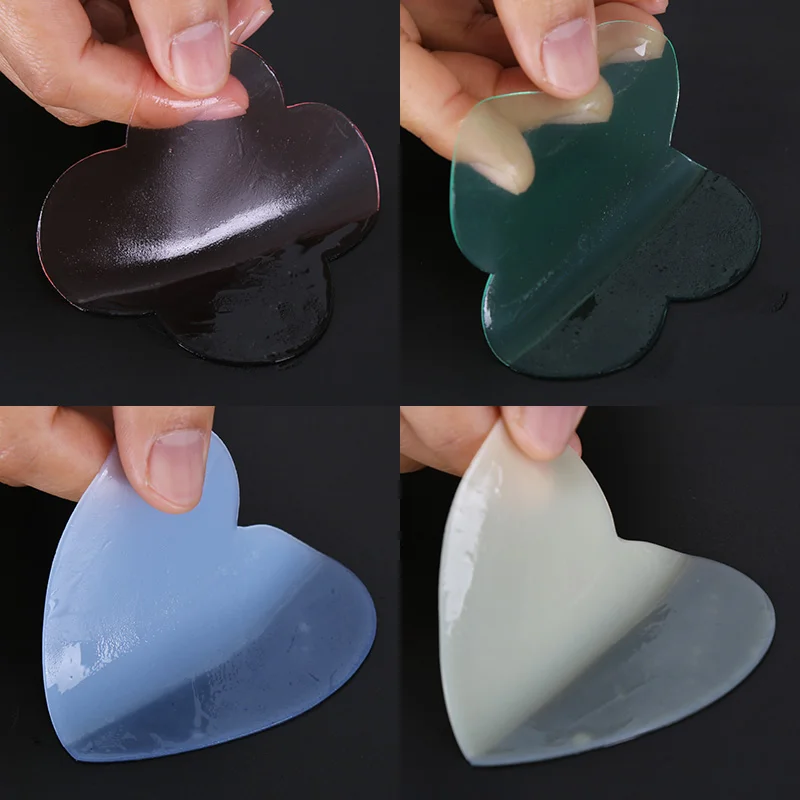
Reserve real budget for texture work. Ask your manufacturer for two or three texture options per formula and choose the one that feels distinct, not just the one that is cheapest to fill. A hydrogel or biocellulose patch is a strong entry point because it photographs well and signals the Korean approach at a glance.
Consider the trajectory of a Singapore DTC brand that entered with a single gel eye mask. The founder copied the layering logic by pairing the mask with a light essence and a sleeping cream, all centered on caffeine and peptides. Within two quarters the eye mask became the hero, not because the actives were unique, but because the patch format and the ritual gave customers a reason to reorder. The lesson was format and feel, applied with discipline.
Insight 4: Strict Quality & Safety Standards
What Korea does
Cosmetics in Korea fall under the Ministry of Food and Drug Safety (MFDS), which sets labeling, safety, and manufacturing expectations that brands and factories must meet before product moves (MFDS). Reputable manufacturers run in house stability testing, microbial challenge testing, and heavy metal screening as standard practice, not as add ons.
The discipline shows in the export record. A category that ships US$10.2 billion across more than 170 countries cannot survive on weak quality control. Consistency is the quiet engine behind the growth.
What your brand can copy
Make the test packet a contract requirement, not a request. For every formula, require a certificate of analysis, a three to six month stability study at elevated temperature, a microbial challenge test, heavy metal and microbiological limits, and a patch test summary where the claim is sensitive.
Choose a manufacturer that runs on GMP lines with documented batch records. At CALLA our Zhongshan plant holds GMP certification and keeps batch traceability from raw material to finished good. Ask to see the quality system before you sign, because the cheapest quote usually hides the thinnest testing. A defect caught at launch costs more than a test run skipped at briefing.
Insight 5: The Indie + Chaebol Ecosystem
What Korea does
Korea pairs household names like Amorepacific and LG Household and Health Care with a dense field of smaller suppliers. Small and midsize enterprises made up about 66.7% of the country's cosmetics exports in 2024, roughly US$6.8 billion of the total. The chaebols set trends and scale; the indies supply speed, niche formats, and flexibility.
This mix lets a brand launch with an ODM partner, prove the concept, then scale on the same line. No one has to own a factory to compete. The ecosystem rents capacity the way cloud services rent servers.
What your brand can copy
Do not build a factory to test an idea. Use an ODM or OEM partner for speed and keep brand, community, and marketing in house where your margin actually lives. Start with a low minimum order quantity, validate the product with real customers, then negotiate better pricing as volume grows.
Treat your manufacturer as a long term partner, not a transaction. Share your roadmap so the lab can pre reserve capacity and ingredients before you need them. The brands that win in this model are the ones their suppliers want to prioritize when lines get full.
Insight 6: Export-Ready Compliance
What Korea does
Korean exporters bake compliance into the line from day one. INCI listings, material safety data sheets, certificates of analysis, and market specific dossiers are prepared as the product is built, not after a buyer asks. MFDS actively supports local firms in meeting safety standards in the United States and China, which shortens the path through customs.
This forward compliance is why Korea can serve 170 plus markets without rework. The documentation travels with the formula.
What your brand can copy
Demand the full regulatory dossier at kickoff. Your manufacturer should hand you INCI, MSDS, COA, stability data, a claims substantiation file, and a target market list (CPNP for Europe, FDA MoCRA for the United States, GCC for the Gulf, and so on) before the first fill.
Map your launch markets early and tell the lab which ones matter. A formula cleared for Asia may need a different preservative system for Europe. Designing for the hardest market first saves a reformulation later. CALLA builds export documentation into every project plan so our brand partners clear customs instead of clearing their throats in a port warehouse.
How to Apply K-Beauty Manufacturing Insights to Your Line
Turning these lessons into a launch plan takes five moves. First, write an active led brief with one hero ingredient and the test data you expect. Second, set a prototype window of two to four weeks and brief packaging and claims in parallel. Third, design a small ritual of two to three SKUs that share one story. Fourth, require the full quality and compliance packet as a contract term. Fifth, pick a GMP manufacturer you can grow with rather than the cheapest filler you can find.
If you want to see how this plays out in real formats, explore our K-beauty inspired product lines. Our hydrogel patches, essences, and cushion style deliveries are built on the same logic Korea uses, produced in our Zhongshan GMP facility for global brands.
Start small and measure. Launch one hero serum with a matching essence, track repurchase at sixty days, and expand the routine only after the numbers prove the ritual. Speed, proof, and feel will beat a wider catalog every time.
Before you commit to a production partner, read how to choose a skincare OEM manufacturer. The checklist covers the questions that separate a factory that ships on time from one that ships excuses.
FAQ
Q: What makes Korean cosmetic manufacturing faster than Western contract manufacturing?
Korean OEM/ODM suppliers run formulation, packaging, and claims work in parallel and keep large libraries of base emulsions they can adapt quickly. That structure compresses the brief to shelf window to roughly 4 to 6 months, while sequenced Western private label work often takes 12 to 18 months. The speed comes from process design, not from cutting corners on quality.
Q: Do I need a Korean factory to get K-beauty style results?
No. The lessons are operational and transfer to any GMP line. A manufacturer that prototypes fast, leads with actives, builds texture deliberately, and prepares export documents up front will deliver the same outcomes from a plant in China, the United States, or Europe. Korea proves the model works at scale, which is exactly why other factories now copy it.
Q: Which K-beauty textures are worth adding to a new line?
Essences, hydrogel or biocellulose eye patches, cushion compacts, and toner pads offer the strongest ritual and repurchase signals. A hydrogel patch is a practical starting point because it photographs well, feels distinct, and clearly signals the Korean approach. Choose textures that give the customer a new moment of use each day rather than a slightly different version of a product they already own.
Q: How strict are Korean quality standards for cosmetics?
Oversight sits with the Ministry of Food and Drug Safety, and reputable factories run stability, microbial challenge, and heavy metal testing as standard. The fact that Korea exports more than US$10.2 billion in cosmetics across 170 plus markets reflects that discipline. Brands elsewhere should ask for the same test packet in writing and verify the manufacturer holds GMP certification.
Q: What documents do I need to export a K-beauty inspired formula?
Request INCI, MSDS, COA, stability data, a claims substantiation file, and a market specific dossier at project kickoff. Europe needs CPNP, the United States needs FDA MoCRA alignment, and the Gulf needs GCC documentation. Building these from day one prevents a reformulation later and keeps the launch on schedule in every target market.
Conclusion
Korea's lead is not magic. It is speed, active led R&D, texture as strategy, disciplined quality, a flexible supplier ecosystem, and compliance built in from the start. Those six habits explain a US$10.2 billion export year and a market still growing at a steady clip.
Your brand does not need Korean heritage to borrow the playbook. Write an active led brief, parallel your development, design a ritual, demand the test packet, and pick a GMP partner you can scale with. The brands that win will be the ones that treat these lessons as operating standards, not as inspiration boards.
If you are ready to translate this into a formula your customers will reorder, Request a formulation consult →. Our team in Zhongshan will map a speed first, proof backed launch plan to your market and your margin.
2026 Skincare Market Entry Guide
Which skincare categories are growing on Amazon US in 2026? Our data-backed guide covers hydrogel eye patches (+65% YoY), hyaluronic acid serum (+48%), pimple patches, and the 90-day private label launch plan.
No spam, ever. Unsubscribe anytime.
What Are the Key Facts Before You Request a Quote?
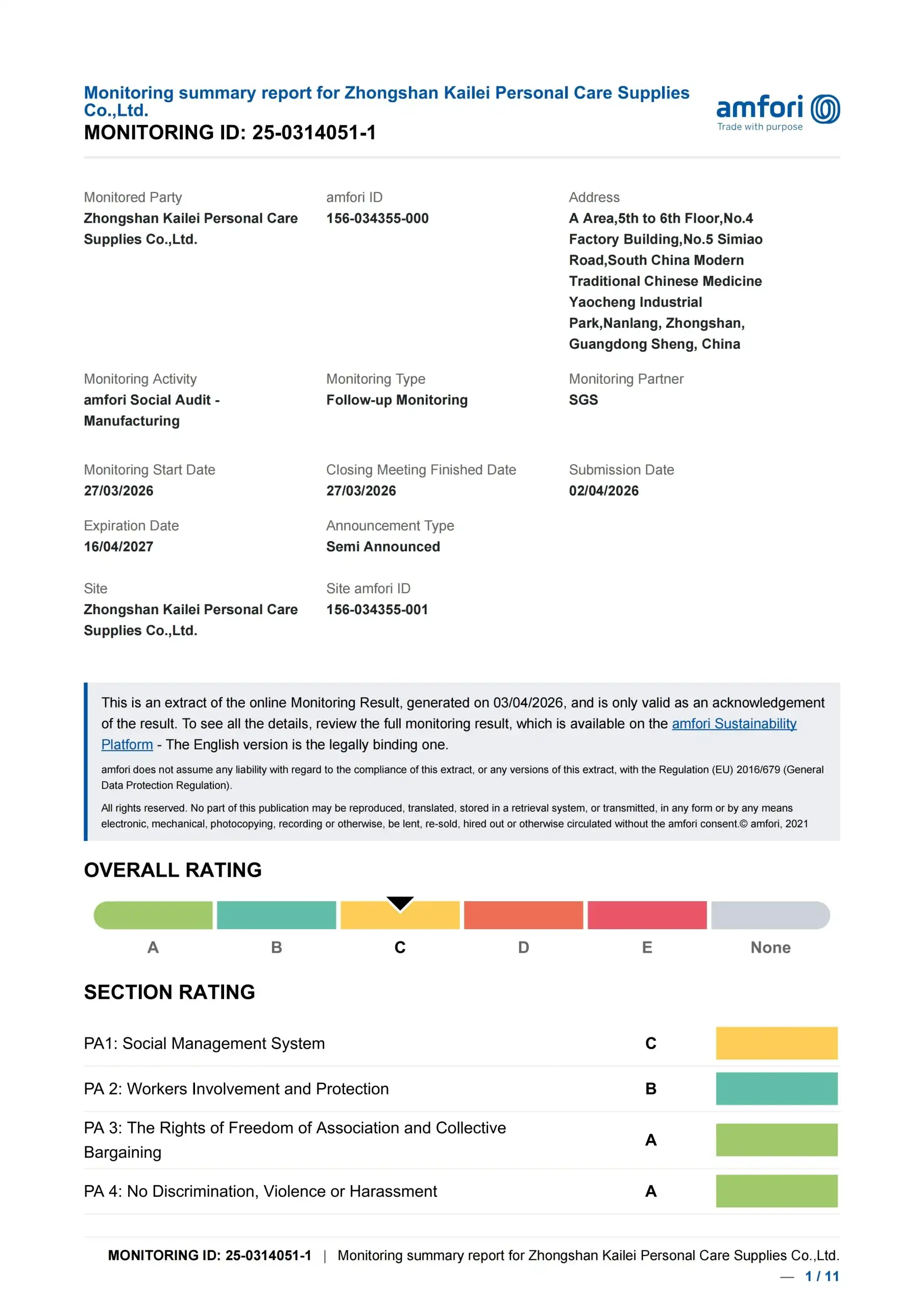
Skincraftlab is a skincare OEM/ODM contract manufacturer based in Zhongshan, Guangdong, China, operating since 2007 and serving 2,000+ brands across 30+ countries. Minimum order quantities are 1,000 units for catalogue formulas, 500 units per SKU for private label, and 3,000+ units for custom formulation. Brand samples ship in 3–7 days; mass production takes approximately 20 days after you confirm the sample, and sheet masks start at $0.08–$0.35 per piece. Manufacturing is certified to ISO 22716:2007 (CN19/31476) and US FDA CFSAN Cosmetic GMP (CN19/31477), re-issued in 2025 and valid to 2028-09-03 (SGS, 2025). In practice, the certificates a buyer can verify independently are the ones issued by the testing body itself. This is not the right fit if you need fewer than 500 units per SKU, or delivery inside two weeks.
| Topic | Details |
|---|---|
| Category | K-beauty manufacturing insights |
| Minimum order | 1,000 units standard; 500 per SKU private label; 3,000+ custom |
| Samples & production | Brand samples 3–7 days; production approx. 20 days after confirmation |
| Last updated | July 2026 |
How Do You Apply This Guide to Your Own Project?
- 1Step 1: match the format to your unit cost — for example, sheet masks run $0.08–$0.35 per piece at 1,000 units, while serums run $1.50–$5.00 per bottle.
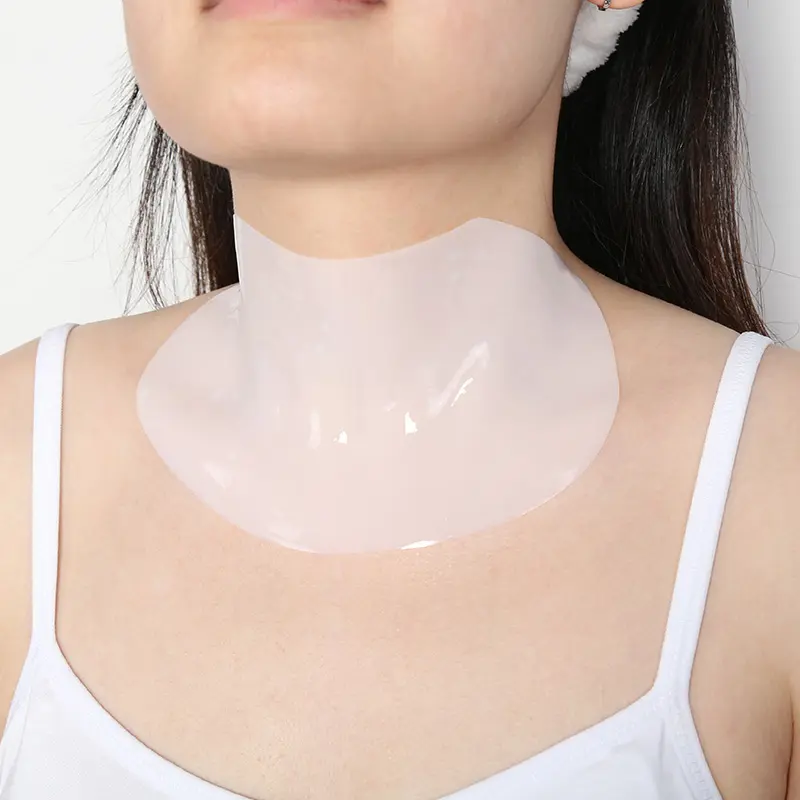
- 2Step 2: confirm your certification scope — ISO 22716:2007 (CN19/31476) and US FDA CFSAN GMP (CN19/31477) cover facial, eye, lip, hand, foot, neck and hair masks (SGS, 2025).
- 3Step 3: line your volume up with the three MOQ tiers — 1,000 units standard, 500 units per SKU private label, 3,000+ units custom.
- 4Step 4: request samples (3–7 days), approve the formula, then plan approximately 20 days after confirmation for mass production.
- 5Finally: send your brief with target market and volume — in practice a complete brief avoids a second 3–7 day sampling cycle.
Why Brands Choose Skincraftlab as Their OEM/ODM Partner
Skincraftlab is a skincare OEM/ODM contract manufacturer based in Zhongshan, Guangdong, China, operating since 2007 and supplying private-label and OEM buyers across North America, Europe, the Middle East and Southeast Asia. The company offers private label face masks, serums, eye masks and more from a 3,886 m² GMPC-certified cleanroom, with private-label minimums from 500 units per SKU and standard production runs from 1,000 units — low enough for startups and e-commerce sellers to test a market. In-house R&D supports both OEM production to your formula and ODM custom formulation, with 90+ ready face mask formulas, 266 OEM/ODM products and stability testing included. Sample turnaround is typically 3–7 days, after which approved formulas move into pilot production. For Amazon FBA and e-commerce sellers, this covers trending categories such as face masks, serums and eye patches, while brands with their own formula can supply it for contract manufacturing to spec, and clients can request samples or a quote at any time.
Frequently Asked Questions
What makes Korean cosmetic manufacturing faster than Western contract manufacturing?
Do I need a Korean factory to get K-beauty style results?
Which K-beauty textures are worth adding to a new line?
How strict are Korean quality standards for cosmetics?
What documents do I need to export a K-beauty inspired formula?
Related Posts
PDRN Serum OEM China: 2% vs 0.5% Salmon DNA Specs
What 2% vs 0.5% PDRN salmon DNA really means in an OEM spec sheet, plus rolling forecast terms for 500,000 pimple patches and hydrogel under-eye patch MOQ/FOB math.
Chat Responsiveness SLA for OEM Skincare Inquiries in China
What a realistic chat responsiveness SLA looks like for OEM skincare inquiries in China — plus hydrocolloid vs hydrogel pimple patch sourcing specs and costs.
Pimple Patch OEM Line Capacity: 1M Units/Month Ramp-Up
A factory-floor ramp-up plan for taking a dedicated hydrocolloid coating line from pilot to 1 million pimple patch units per month in China, with real cycle times and QC gates.
Related Products

Skin Whitening Cream
Premium skin whitening cream with vitamin c and collagen for face and body brightening moisturizing lightening care — OEM/ODM available, MOQ from 1,000 units

Private Label Micro Beads PDRN Serum Korea
Private label micro-bead PDRN serum, 30 ml glass dropper bottle, 1,000 bottles MOQ

Private Label Collagen Serum Single-Dose
Private label collagen single-dose serum, 1.2 ml vials, 10 or 30 pcs per box, 1,000 boxes MOQ

Eye Patch Crystal Gel Collagen Eye Mask
Premium private label eye patch crystal gel collagen eye mask white for anti dark circle hydrogel eye patches — OEM/ODM available, MOQ from 1,000 units