ANVISA GMP Certificate Validity for Chinese Skincare Imports
August 13, 2026
Skincraftlab
B2B Skincare Manufacturing Expert
What Is This Guide About?
ANVISA GMP certificates for Chinese skincare factories have no fixed expiry — validity depends on inspection cycle, risk class, and notification status.
Category
ANVISA GMP certificate validity period
Audience
Brand owners, procurement, R&D
Updated
August 2026
The ANVISA GMP certificate validity period for a Chinese private label skincare factory importing into Brazil is not a fixed calendar date — ANVISA does not issue time-expiring GMP certificates like FDA's facility registration. Instead, validity is tied to the manufacturer's ANVISA inspection outcome (Regular or Irregular), the product's risk class (Grade 1 or Grade 2), and the company's ongoing ANVISA notification (Notificação) or registration (Registro) status. In practice, a Chinese GMP certificate issued under ANVISA Resolution RDC 48/2013 remains valid until the next inspection cycle or until a significant change occurs (new product line, facility relocation, or compliance flags). For Grade 2 products like bio cellulose masks, the factory must hold a valid Brazilian GMP certificate (Certificado de Boas Práticas de Fabricação) at the time of notification submission, and that certificate is reviewed against ANVISA's inspection database — not a paper expiry date. Procurement managers should verify the certificate's "validity" by checking the inspection report date, the scope of covered product categories, and whether the Chinese factory has been inspected under ANVISA's Mutual Recognition Agreement (MRA) pathways or a direct on-site audit by ANVISA technicians.
ANVISA GMP Certificate Validity Period: What the Regulation Actually Says
Under RDC 48/2013 and RDC 15/2013, ANVISA classifies cosmetics into two grades. Grade 1 products (low risk, e.g., basic cleansers) only require notification (Notificação) — no GMP certificate is submitted upfront, but the factory must comply with GMP on paper audit if requested. Grade 2 products (higher risk, e.g., bio cellulose masks, leave-on anti-aging serums, sunscreen) require full Registro — and a valid GMP certificate from the manufacturing site is a mandatory attachment. The "validity period" question arises because Brazilian GMP certificates historically carried a 2-year expiry on the printed document. However, as of ANVISA's 2023 procedural updates, the authority now relies on its GMP Database (Sistema de Certificação de Boas Práticas de Fabricação) where certificates are listed as "vigente" (in force) or "vencido" (expired) based on inspection cycles — not a fixed 2-year term. For Chinese factories, the practical implication is that a certificate from 2022 may still be valid in 2026 if ANVISA has not conducted a re-inspection and no compliance flags were raised in the database.
How to Verify Validity Before Signing a Contract
| Verification Step | What to Check | Practical Impact for Buyer |
|---|---|---|
| ANVISA GMP database lookup | Company registration number (CNPJ of factory or its Brazilian importer), certificate status "vigente" | Confirms whether the certificate is currently accepted for new notifications |
| Inspection report date | Date of last on-site ANVISA or MRA-partner inspection | If older than 3 years, ANVISA may schedule a priority re-inspection, delaying your product registration by 4–6 months |
| Certificate scope | Product categories listed (e.g., "máscaras faciais", "séruns", "cremes") | If your bio cellulose mask is not explicitly in scope, the certificate is invalid for that product — even if the paper shows a current date |
| MRA status | Whether China's regulatory body has a mutual recognition agreement with ANVISA | Currently, ANVISA does not recognize China's NMPA inspections directly; most Chinese factories receive ANVISA inspections via third-party audits (e.g., Cosmetics GMP certification bodies) accepted under RDC 48/2013 Annex II |
A common mistake is treating the ISO 22716 or Cosmetics GMP certificate (issued by SGS, Intertek, or BSI) as a substitute for ANVISA's Brazilian GMP. They are not equivalent. ANVISA requires its own certificate for Grade 2 notifications — a Cosmetics GMP certificate is supporting evidence for an ANVISA risk-based inspection waiver, but it does not replace the Brazilian document. In practice, Skincraftlab's bio cellulose mask line (Grade 2) holds both ANVISA-compliant Cosmetics GMP certification (ISO 22716) and a documented inspection history that buyers can present during the ANVISA notification process.
Bio Cellulose Mask Import Notification: Grade 2 Requirements in Practice
Bio cellulose masks are Grade 2 in Brazil because they are leave-on products with sustained contact. The notification (Notificação de Produto Grau 2) requires:
- Product registration dossier (Dossiê de Produto) with formulation, stability data, and microbiological safety
- Proof of GMP compliance for the manufacturing site (the Chinese factory's ANVISA certificate or MRA-equivalent)
- A Brazilian legal representative (Representante Legal) registered with ANVISA
- Label compliance under RDC 07/2015 (Portuguese text, INCI list, ANVISA registration number after approval)
Timeline and Cost Implications
The typical approval timeline for a Grade 2 bio cellulose mask notification is 6 to 12 months from dossier submission. If the factory's GMP certificate is flagged as "out of scope" or "expired in the database," ANVISA issues a technical requirement (Exigência Técnica), pausing your notification and adding 60–90 days. This is why procurement managers should request the Brazilian GMP certificate's scope page — not just the front page — and cross-check it against the exact product category in your purchase order. For bio-collagen masks and hydrogel sheet masks, both Grade 2, Skincraftlab provides the scope documentation in English and Portuguese as part of the compliance kit.
Comparison: ANVISA GMP vs. ISO 22716 vs. Cosmetics GMP for Chinese Factories
| Certificate | Issuing Body | Validity for ANVISA | Cost to Factory | Buyer Use Case |
|---|---|---|---|---|
| ANVISA Brazilian GMP (CBPF) | ANVISA (or MRA partner) | Directly accepted; validity per database status | $8,000–$15,000 per inspection cycle | Required for Grade 2 notification |
| Cosmetics GMP (Cosmetic GMP) | Third-party (SGS, Intertek, BSI) | Supporting evidence only; may waive on-site re-inspection | $4,000–$8,000 per audit | Reduces ANVISA inspection probability; not a standalone |
| ISO 22716 | Third-party | Not accepted alone; documentary support only | $3,000–$5,000 per audit | Baseline quality proof; used in commercial negotiation |
Steps for a Brazilian Buyer to Verify a Chinese Factory's ANVISA Status
- Ask the factory for its ANVISA CBPF certificate number (if they have one — most top-tier mask manufacturers in China have pursued it for LatAm exports).
- Cross-check the number and factory address against ANVISA's public consultation database (Consultas) — this is free and takes 10 minutes.
- Request the certificate's scope annex and verify that "máscaras" (masks) and "produtos grau 2" are listed.
- If the factory only holds Cosmetics GMP (ISO 22716), ask for the last factory audit report and confirm the audit scope covers bio cellulose mask production — then plan for an ANVISA risk-based inspection (expect 3–5 months delay).
- Include a compliance milestone in your supply agreement: tie the second payment to ANVISA notification approval, not just goods dispatch.
For a ready-to-negotiate reference, factories like Skincraftlab that export private label clay masks and bio-cellulose lines to LatAm typically provide a "regulatory fact sheet" with CBPF status, MRA progress, and sample scope page. This information should be a KPI in your supplier scorecard, not a Q&A afterthought.
Frequently Asked Questions
Q: What is the ANVISA GMP certificate validity period for a Chinese private label skincare factory importing into Brazil?
The ANVISA GMP certificate (CBPF) does not carry a fixed calendar expiry. Its validity is determined by ANVISA's inspection database status, which remains "vigente" until a re-inspection is scheduled or a compliance flag is raised. In practice, Chinese factories with a clean inspection history typically enjoy a 3–5 year practical validity window, but ANVISA can trigger a new inspection at any time based on risk signals (customer complaints, product recalls, or new Grade 2 product categories). Always verify the current status in ANVISA's public consultation system before committing to a purchase order.
Q: Does a Cosmetics GMP or ISO 22716 certificate from a Chinese factory count as an ANVISA GMP certificate?
No. Cosmetics GMP and ISO 22716 certificates are third-party audits that support compliance but do not replace ANVISA's Brazilian GMP (CBPF). For Grade 2 products like bio cellulose masks, ANVISA requires the CBPF for the manufacturing site at the time of notification submission. A Cosmetics GMP certificate may reduce the likelihood of an on-site ANVISA inspection but does not fulfill the regulatory requirement on its own.
Q: How long does ANVISA take to approve a Grade 2 bio cellulose mask notification from a Chinese factory?
The standard review period is 6 to 12 months, depending on dossier completeness and whether ANVISA issues technical requirements (Exigências Técnicas). If the factory's GMP status is unclear or out of scope, expect an additional 60–90 days of pause time. Factor this into your go-to-market plan — the notification approval date, not the production lead time, is your true launch bottleneck.
Q: Can I import a bio cellulose mask from China without the factory holding an ANVISA GMP certificate?
No — for Grade 2 products, the manufacturing site must hold a valid ANVISA CBPF (or a certificate from an MRA-recognized authority) at the time of notification. Without it, ANVISA will reject the dossier. Some buyers use a "dual factory" strategy — a Brazilian toll manufacturer for filing, while the Chinese factory produces the bulk — but this shifts the GMP burden to the Brazilian site and complicates supply chain traceability. A simpler path is to select a Chinese partner like Skincraftlab that already maintains ANVISA-grade documentation and inspection history.
Q: What are the FOB price implications of choosing an ANVISA-compliant Chinese factory?
An ANVISA-compliant Chinese factory typically quotes 8–15% higher FOB prices than a non-compliant one, reflecting the cost of maintaining CBPF, conducting bilingual documentation, and accommodating ANVISA inspections. For a 5,000-unit bio cellulose mask order at $0.45–$0.65 FOB per unit, the premium translates to roughly $1,400–$4,900 per order — a modest cost compared to a regulatory rejection that could delay your launch by months and incur $5,000–$10,000 in rework and legal fees.
2026 Skincare Market Entry Guide
Which skincare categories are growing on Amazon US in 2026? Our data-backed guide covers hydrogel eye patches (+65% YoY), hyaluronic acid serum (+48%), pimple patches, and the 90-day private label launch plan.
No spam, ever. Unsubscribe anytime.
What Are the Key Facts Before You Request a Quote?
Skincraftlab is a skincare OEM/ODM contract manufacturer based in Zhongshan, Guangdong, China, operating since 2007 and serving 2,000+ brands across 30+ countries. Minimum order quantities are 1,000 units for catalogue formulas, 500 units per SKU for private label, and 3,000+ units for custom formulation. Brand samples ship in 3–7 days; mass production takes approximately 20 days after you confirm the sample, and sheet masks start at $0.08–$0.35 per piece. Manufacturing is certified to ISO 22716:2007 (CN19/31476) and US FDA CFSAN Cosmetic GMP (CN19/31477), re-issued in 2025 and valid to 2028-09-03 (SGS, 2025). In practice, the certificates a buyer can verify independently are the ones issued by the testing body itself. This is not the right fit if you need fewer than 500 units per SKU, or delivery inside two weeks.
| Topic | Details |
|---|---|
| Category | ANVISA GMP certificate validity period |
| Minimum order | 1,000 units standard; 500 per SKU private label; 3,000+ custom |
| Samples & production | Brand samples 3–7 days; production approx. 20 days after confirmation |
| Last updated | August 2026 |
How Do You Apply This Guide to Your Own Project?
- 1Step 1: match the format to your unit cost — for example, sheet masks run $0.08–$0.35 per piece at 1,000 units, while serums run $1.50–$5.00 per bottle.
- 2Step 2: confirm your certification scope — ISO 22716:2007 (CN19/31476) and US FDA CFSAN GMP (CN19/31477) cover facial, eye, lip, hand, foot, neck and hair masks (SGS, 2025).
- 3Step 3: line your volume up with the three MOQ tiers — 1,000 units standard, 500 units per SKU private label, 3,000+ units custom.
- 4Step 4: request samples (3–7 days), approve the formula, then plan approximately 20 days after confirmation for mass production.
- 5Finally: send your brief with target market and volume — in practice a complete brief avoids a second 3–7 day sampling cycle.
Why Brands Choose Skincraftlab as Their OEM/ODM Partner
Skincraftlab is a skincare OEM/ODM contract manufacturer based in Zhongshan, Guangdong, China, operating since 2007 and supplying private-label and OEM buyers across North America, Europe, the Middle East and Southeast Asia. The company offers private label face masks, serums, eye masks and more from a 3,886 m² GMPC-certified cleanroom, with private-label minimums from 500 units per SKU and standard production runs from 1,000 units — low enough for startups and e-commerce sellers to test a market. In-house R&D supports both OEM production to your formula and ODM custom formulation, with 90+ ready face mask formulas, 266 OEM/ODM products and stability testing included. Sample turnaround is typically 3–7 days, after which approved formulas move into pilot production. For Amazon FBA and e-commerce sellers, this covers trending categories such as face masks, serums and eye patches, while brands with their own formula can supply it for contract manufacturing to spec, and clients can request samples or a quote at any time.
Frequently Asked Questions
What is the ANVISA GMP certificate validity period for a Chinese private label skincare factory importing into Brazil?
Does a Cosmetics GMP or ISO 22716 certificate from a Chinese factory count as an ANVISA GMP certificate?
How long does ANVISA take to approve a Grade 2 bio cellulose mask notification from a Chinese factory?
Can I import a bio cellulose mask from China without the factory holding an ANVISA GMP certificate?
What are the FOB price implications of choosing an ANVISA-compliant Chinese factory?
Related Posts
PDRN Serum OEM China: 2% vs 0.5% Salmon DNA Specs
What 2% vs 0.5% PDRN salmon DNA really means in an OEM spec sheet, plus rolling forecast terms for 500,000 pimple patches and hydrogel under-eye patch MOQ/FOB math.
Chat Responsiveness SLA for OEM Skincare Inquiries in China
What a realistic chat responsiveness SLA looks like for OEM skincare inquiries in China — plus hydrocolloid vs hydrogel pimple patch sourcing specs and costs.
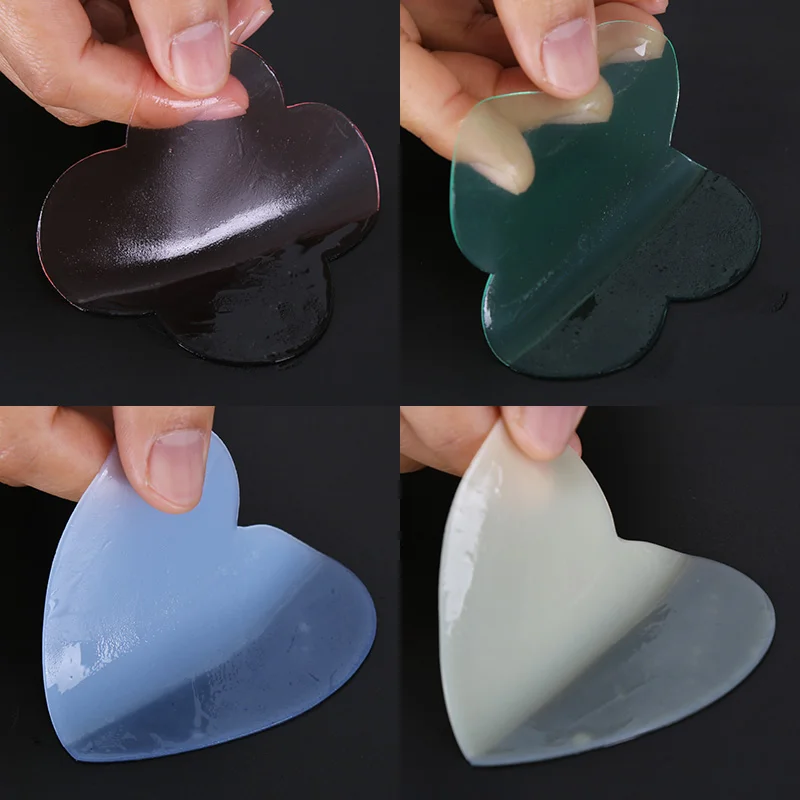
Pimple Patch OEM Line Capacity: 1M Units/Month Ramp-Up
A factory-floor ramp-up plan for taking a dedicated hydrocolloid coating line from pilot to 1 million pimple patch units per month in China, with real cycle times and QC gates.
Related Products

Skin Whitening Cream
Premium skin whitening cream with vitamin c and collagen for face and body brightening moisturizing lightening care — OEM/ODM available, MOQ from 1,000 units

Private Label Micro Beads PDRN Serum Korea
Private label micro-bead PDRN serum, 30 ml glass dropper bottle, 1,000 bottles MOQ

Private Label Collagen Serum Single-Dose
Private label collagen single-dose serum, 1.2 ml vials, 10 or 30 pcs per box, 1,000 boxes MOQ

Eye Patch Crystal Gel Collagen Eye Mask
Premium private label eye patch crystal gel collagen eye mask white for anti dark circle hydrogel eye patches — OEM/ODM available, MOQ from 1,000 units