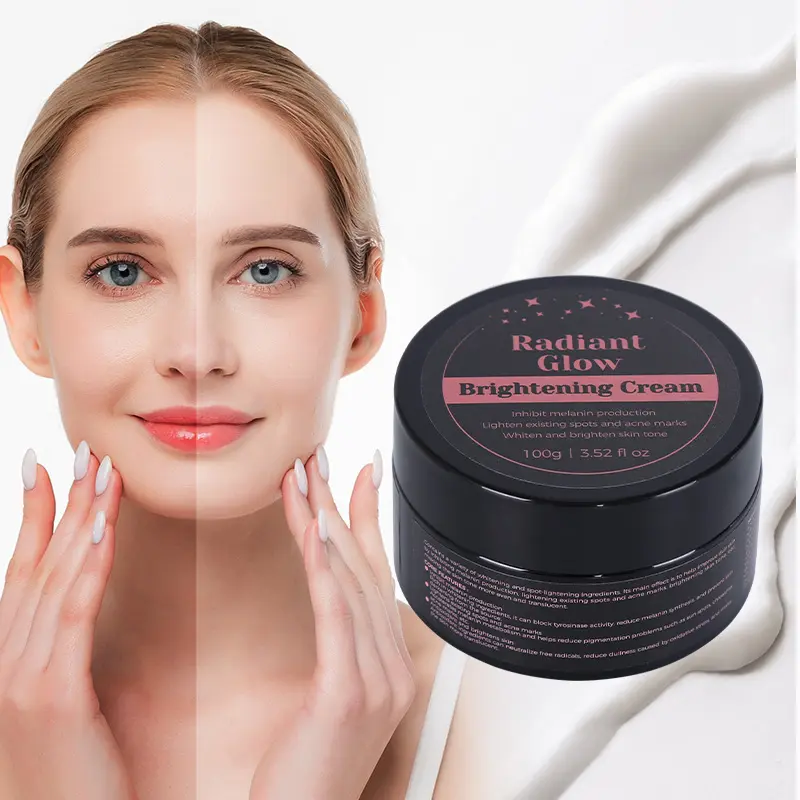
What is Arbutin (Glycosylated Hydroquinone Brightening Active)?
Arbutin is a glycosylated hydroquinone compound chemically classified as hydroquinone O-beta-D-glucopyranoside, first isolated from bearberry (Arctostaphylos uva-ursi) leaves in the 1930s, with mainstream commercial adoption in global skincare formulations starting in the late 1990s. It is also synthetically produced via controlled enzymatic fermentation to reduce heavy metal contamination risk and eliminate batch-to-batch variability associated with plant extraction. Brand owners commonly request arbutin as a lower-irritation alternative to hydroquinone, tranexamic acid, and kojic acid, particularly for formulation lines targeting sensitive skin and restricted-ingredient niche segments such as pregnancy skincare, which aligns with 2025 consumer demand verified via WGSN TikTok trend analytics. It is one of the most widely documented non-prescription brightening actives available in the global cosmetic ingredient supply chain.
How It Works
Arbutin acts as a reversible competitive inhibitor of tyrosinase, the rate-limiting enzyme in the melanin biosynthesis pathway in epidermal melanocytes. It does not penetrate the dermal layer at permitted cosmetic concentrations, so it only interrupts excess melanin production at the surface skin layer, with no documented cytotoxic effect on melanocyte cells. Regular topical application over 8 to 12 weeks reduces the visible appearance of post-inflammatory hyperpigmentation, uneven skin tone, and dullness without triggering the contact irritation common to unmodified hydroquinone formulations. No melanin-bleaching systemic activity has been reported for topical cosmetic-grade arbutin.
Market Context for Brand Owners
Arbutin is a high-demand staple across Asian, North American, and European mass and mid-tier skincare markets, with recent rapid uptake in the fast-growing pregnancy skincare and male skincare segments identified in 2025 WGSN trend data. Bulk ingredient costs range from $25 to $85 per kilogram depending on purity grade, with finished formulated products retailing for $12 to $65 USD across entry to mid-tier price points. It is positioned as a low-formulation-risk, well-proven active for line extensions targeting sensitive skin users who cannot tolerate higher potency brightening ingredients.
Formulation & Manufacturing Notes
Arbutin is stable across a pH range of 3.5 to 7.5, with no documented hydrolysis below 40 degrees Celsius for up to 12 months of shelf life. It is compatible with most water-soluble actives including hyaluronic acid, centella asiatica extracts, and panthenol, and shows no negative interaction with standard cosmetic preservative systems. At concentrations above 7%, arbutin may cause slight discoloration in formulations exposed to direct UV light for extended periods. Typical use concentrations in finished skincare products range from 1% to 5%, and it is most commonly incorporated into aqueous phase formulations such as serums, toners, moisturizers, and sheet mask essences.
Regulatory Status
Arbutin is permitted for unrestricted cosmetic use in FDA (US), EU CPSR, NMPA (China), KFDA (Korea), TGA (Australia), ANVISA (Brazil), COFEPRIS (Mexico), and INVIMA (Colombia) markets, with no mandatory maximum concentration limits outlined in existing regulatory dossiers. Skincraftlab verifies full market-specific registration documentation including CPSR and ingredient safety reports on request for all private label orders.