What is Reduced Glutathione (Cosmetic Grade)?
Glutathione is a naturally occurring tripeptide composed of glutamic acid, cysteine, and glycine, endogenously present in human epidermal cells. It first entered commercial cosmetic use in the late 1990s, with consumer and brand demand accelerating rapidly after 2020 alongside growth in at-home post-procedure skincare segments. Most cosmetic-grade material is produced via controlled closed bio-fermentation processes to eliminate residual solvent contaminants common to synthetic synthesis routes. Brand owners frequently prioritize this ingredient for viral SkinTok-aligned product lines, leveraging existing high consumer familiarity from its widespread prior use in oral supplement markets to drive pre-existing product search intent.
How It Works
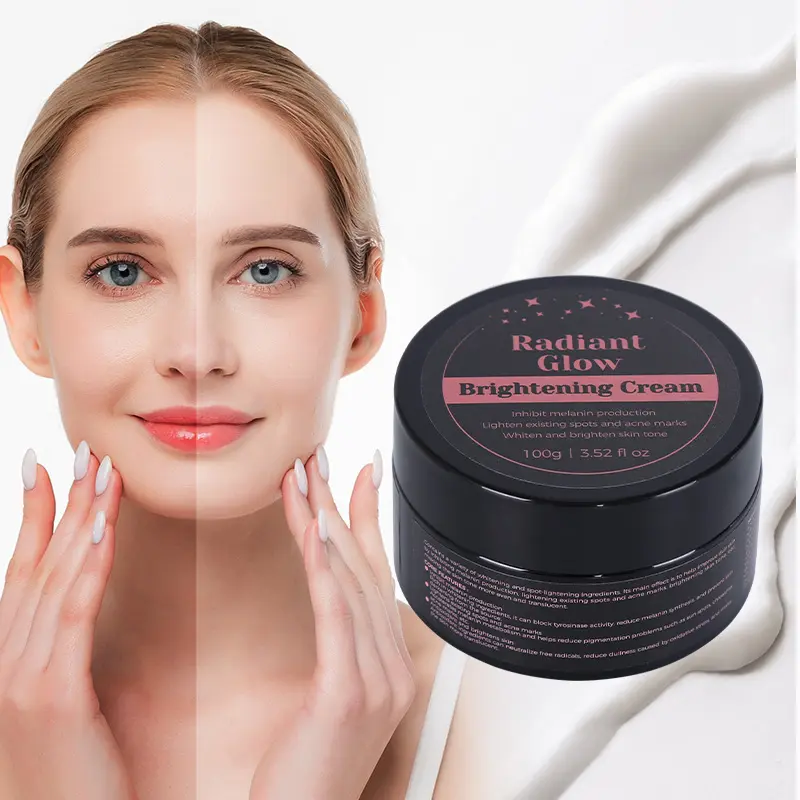
Topical reduced glutathione interrupts the tyrosinase-mediated melanin synthesis pathway by sequestering copper cofactors required for tyrosinase enzymatic activity, reducing the appearance of uneven skin tone with consistent twice-daily use over 4-6 weeks. It also acts as a small-molecule free radical scavenger that neutralizes reactive oxygen species generated by environmental stressors or recent cosmetic procedural interventions, reducing the appearance of temporary post-procedure redness and superficial oxidative skin damage.
Market Context for Brand Owners
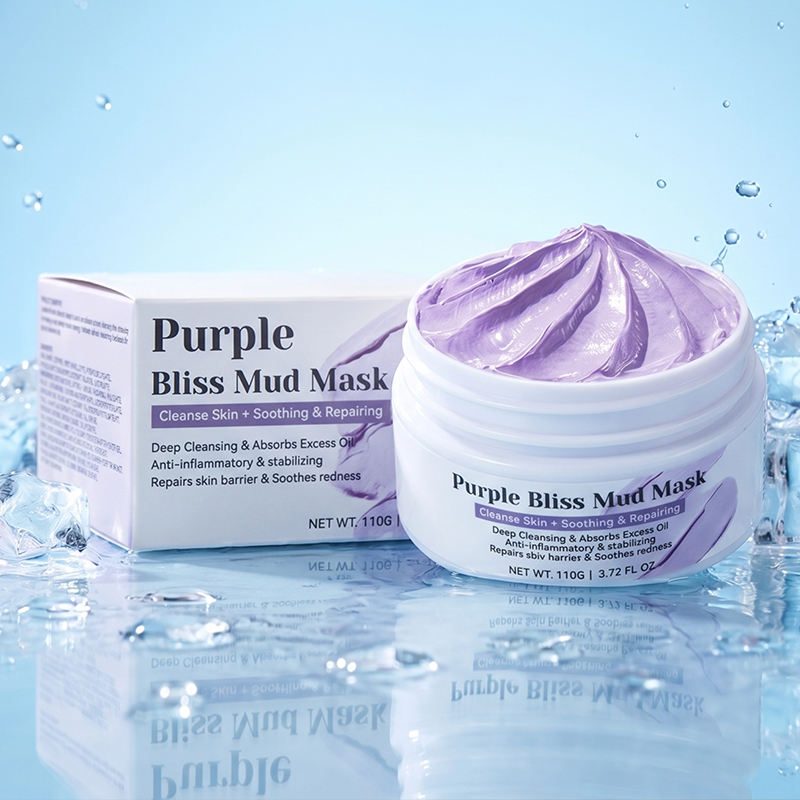
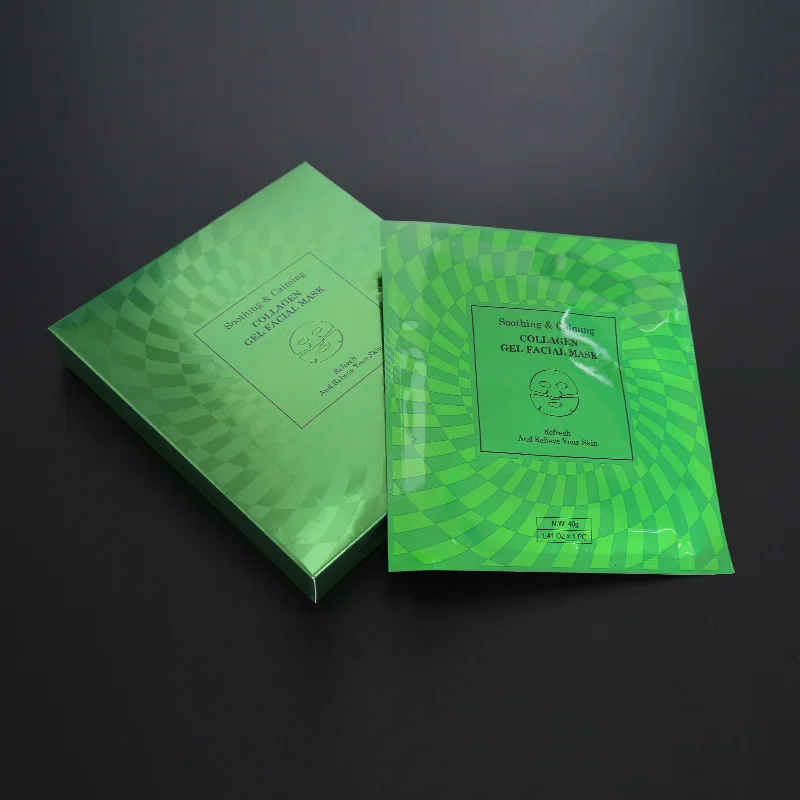
Highest regional demand for topical glutathione formulations is observed across East Asia, Southeast Asia, and North American post-treatment skincare segments, where consumer awareness of the ingredient already carries over from mature oral supplement markets. Retail price points range from $12 USD for entry-level glutathione sheet masks to $68 USD for premium 30ml concentrated glutathione serums. The ingredient occupies a flexible positioning that works for both mass-market entry-tier brightening products and niche mid-tier post-recovery care lines targeting at-home users of cosmetic microneedling and peel kits.
Formulation & Manufacturing Notes
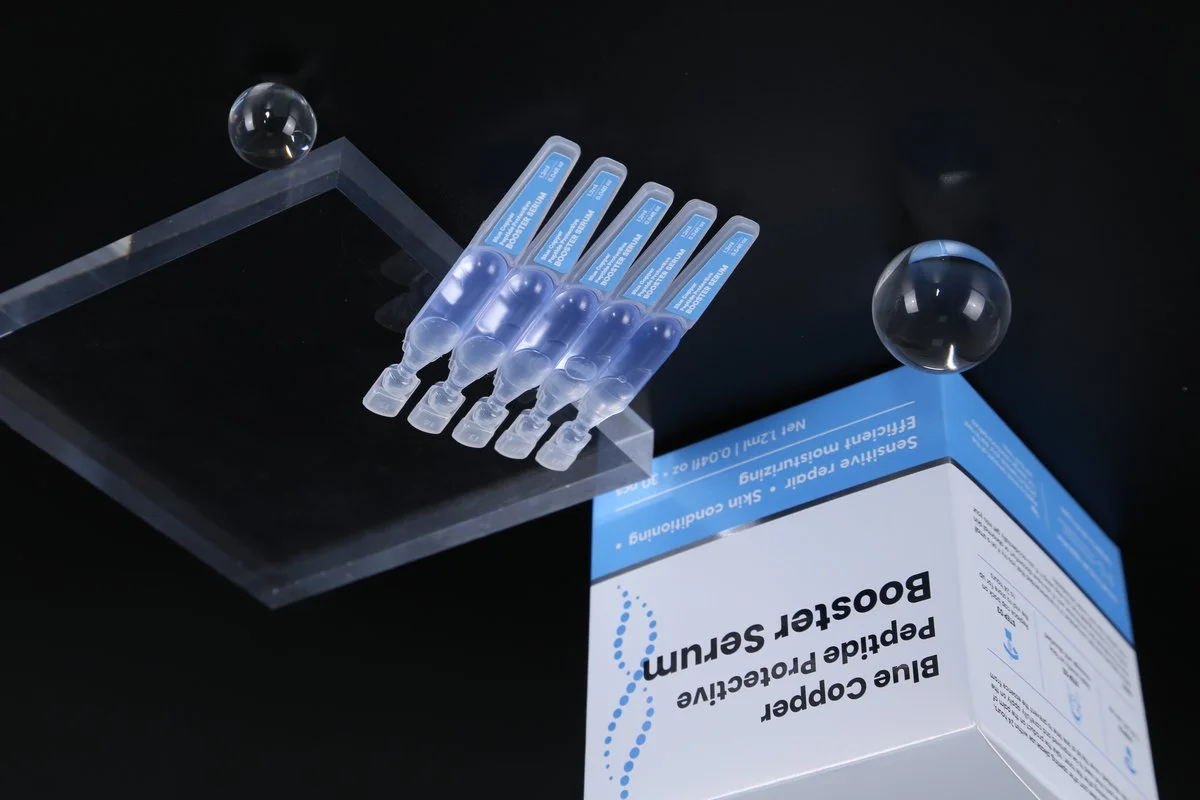
Glutathione is most stable in aqueous formulations held at a pH range of 5.0 to 6.5, with significant oxidation-related degradation occurring at pH values above 7.5 or under 4.5. It is incompatible with high concentrations of strong oxidizing agents such as hydrogen peroxide and high-pH ascorbic acid derivatives, which accelerate conversion to inactive oxidized glutathione. Typical use concentrations in cosmetic formulations range from 0.5% to 2%, with the highest stability achieved in airless pump packaging or single-unit dose hermetically sealed sheet mask sachets.
Regulatory Status
Cosmetic-grade glutathione is approved for use in all major global markets including FDA US, EU CPSR, NMPA China, KFDA Korea, ANVISA Brazil, COFEPRIS Mexico, INVIMA Colombia, and TGA Australia. No universal regional concentration cap is specified for topical cosmetic use, Skincraftlab verifies region-specific registration documentation and local formulation requirements per target market on request.