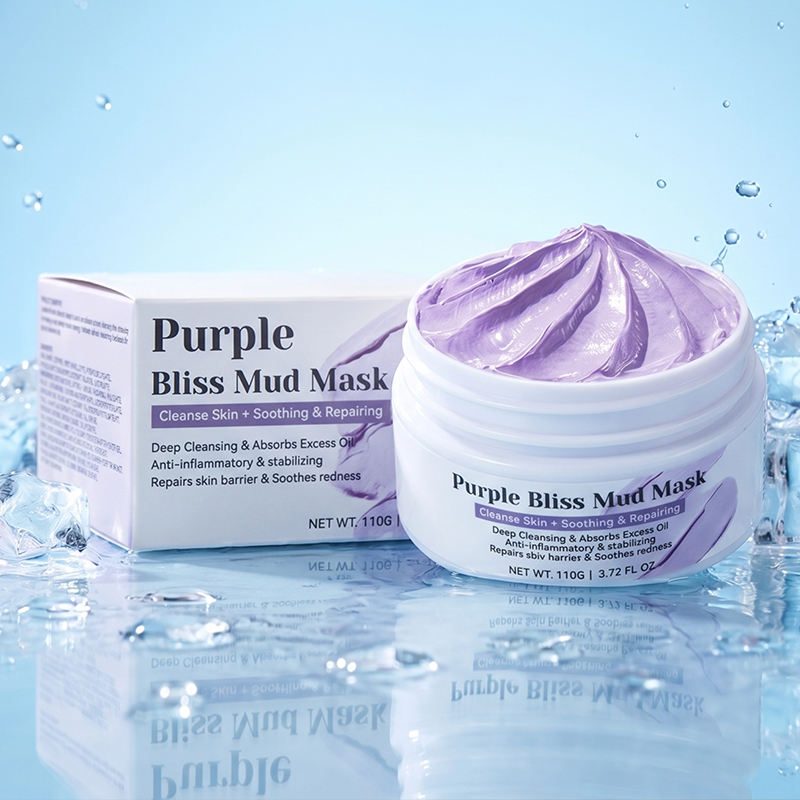
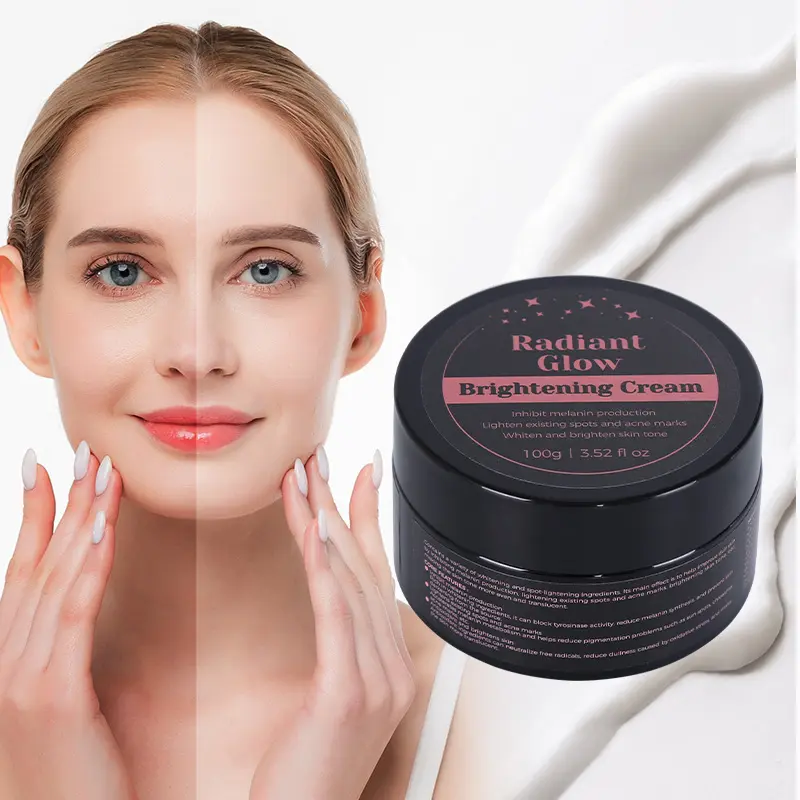
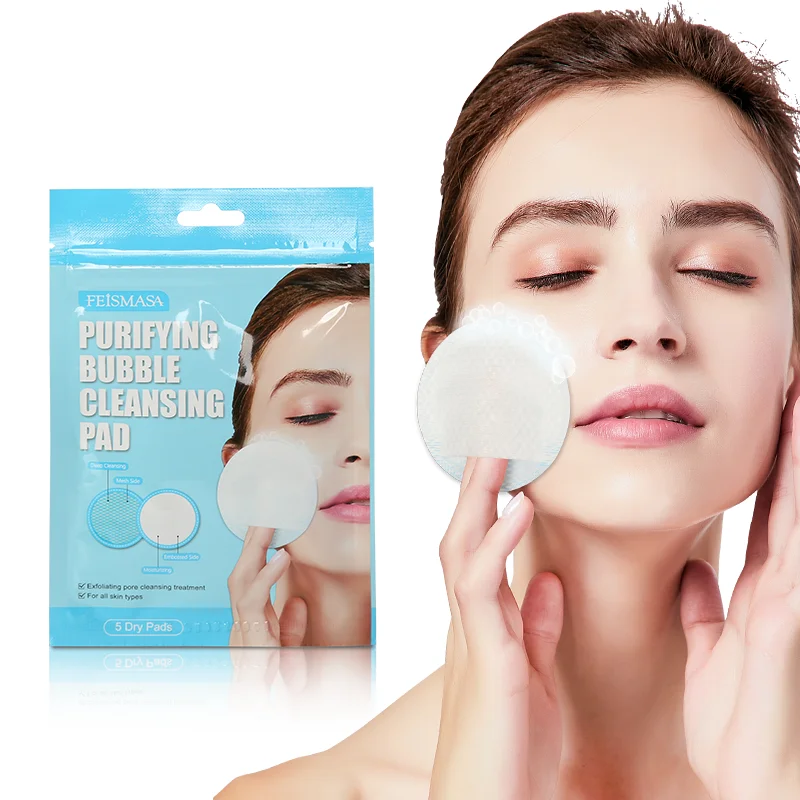
What is Tranexamic Acid (Trans-4-Aminomethylcyclohexanecarboxylic Acid)?
Tranexamic Acid is a synthetic cyclic amino acid derivative structurally analogous to lysine, with no documented transdermal systemic absorption at standard cosmetic use levels. It first gained widespread formulation adoption in the early 2010s following peer-reviewed publication of its topical performance for post-inflammatory hyperpigmentation. It is one of the highest-requested actives by brand owners targeting sensitive skin, pregnancy-safe, and post-procedure skincare verticals, as it carries none of the irritation or formulation restrictions associated with hydroquinone, retinoids, or high-concentration AHAs. No common sensitization triggers are documented for general consumer demographics.
How It Works
Topically applied tranexamic acid competitively inhibits activation of plasmin, a skin protease that drives excess melanin production by increasing keratinocyte release of melanocyte-stimulating mediators. Consistent twice-daily application at 2% and above reduces the visible appearance of uneven skin tone, post-inflammatory dark spots, and hormonal melasma discoloration within 8 to 12 weeks of use. It does not induce photosensitivity, unlike many competing brightening actives, so no mandatory additional sun protection is required to deliver measurable results.
Market Context for Brand Owners
This active sees consistent high demand across North America, EU, APAC, and LATAM markets, with 2025 growth spikes tied to pregnancy-safe and sensitive skin skincare segments. Retail formulations containing tranexamic acid are positioned across mid-tier ($15-40 USD for 30ml serum) to premium ($60-120 USD for concentrated treatment lines) price points, with very high gross margin potential for brand owners. It remains underutilized in the men's grooming category, representing a low-competition niche for new private label launches.
Formulation & Manufacturing Notes
Tranexamic Acid is fully stable across pH 4.5 to 8.5, with no degradation under standard heat processing or long-term ambient storage conditions. It is fully compatible with most water-soluble actives including hyaluronic acid, niacinamide, and centella asiatica extracts, with no documented adverse incompatibilities. Typical cosmetic use concentrations range 1% to 5%, with no required pH adjustment for most aqueous formulations. It is fully water-soluble, so it cannot be incorporated into 100% anhydrous oil formulations without specialized pre-solubilization.
Regulatory Status
Tranexamic Acid is approved for topical cosmetic use in all major global markets, with no mandatory concentration caps set by FDA (US), CPSR (EU), NMPA (China), KFDA (Korea), ANVISA, COFEPRIS, INVIMA, and TGA as of 2025. Skincraftlab verifies full market-specific registration documentation including CPSR dossiers for all target regions on request.