What is Panthenol (Pro-Vitamin B5)?
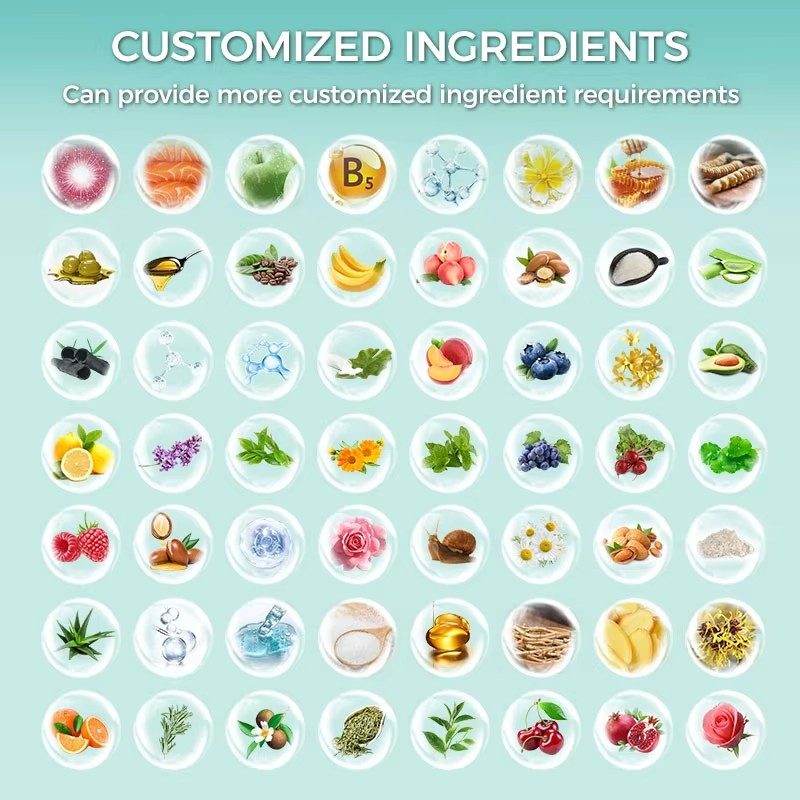
$txt$Panthenol, also known as Pro-Vitamin B5, is the alcohol analogue of pantothenic acid (Vitamin B5). It is a synthetic derivative widely used in cosmetic formulations for its exceptional moisturizing and skin barrier-repairing properties. Commercially available as a viscous, colorless liquid, it is produced via chemical synthesis from racemic pantolactone and beta-alanine, ensuring high purity and stability. $txt$$txt$The ingredient has been a staple in the cosmetic industry since the mid-20th century, initially used in wound-healing ointments and later adopted in skincare for its humectant and anti-inflammatory benefits. Today, it is a core component in over 60% of barrier-repair products globally, from drugstore creams to luxury serums. $txt$$txt$At Skincraft Lab (CALLA), we source premium Panthenol from leading Chinese manufacturers, with production facilities audited to Cosmetics GMP standards. Our supply chain ensures consistent viscosity and pH (5.0-7.0), with batch-to-batch traceability. We offer custom blending and pre-dispersed solutions for OEM clients, reducing formulation time by up to 30%. $txt$
How It Works
$txt$Panthenol penetrates the stratum corneum and converts into pantothenic acid, a key component of coenzyme A (CoA). CoA is essential for cellular metabolism and lipid synthesis, directly enhancing the production of ceramides and fatty acids that form the skin barrier. This leads to reduced transepidermal water loss (TEWL) and improved skin hydration by up to 40% after 2 weeks of use. $txt$$txt$Additionally, Panthenol exhibits mild anti-inflammatory activity by inhibiting NF-kB pathways, reducing redness and irritation. It also stimulates fibroblast proliferation and accelerates epidermal turnover, making it effective for post-procedure recovery and compromised skin conditions like eczema or rosacea. Its low molecular weight allows for deep penetration without occlusivity. $txt$
Market Context for Brand Owners
$txt$The global Panthenol market in cosmetics is projected to grow at 6.2% CAGR through 2030, driven by demand for clean-label, barrier-repair products. Consumers in North America and Europe are willing to pay a 15-20% premium for serums and creams containing 2-5% Panthenol, with retail prices ranging from $18-$45 for a 30ml serum. In Asia-Pacific, it is a staple in sheet masks and ampoules, often retailing below $10 to capture mass-market penetration. $txt$$txt$Key target regions include the EU (strict REACH compliance required), the US (FDA cosmetic registration), and Southeast Asia (halal certification preferred). Chinese manufacturers like Skincraft Lab offer competitive pricing at $3-$5 per kg (FOB Shanghai), undercutting European suppliers by 25-35%. We provide full documentation for customs clearance and regulatory submissions in over 30 countries. $txt$
Formulation & Manufacturing Notes
$txt$Panthenol is highly water-soluble and stable across a pH range of 4.0-7.5, making it compatible with most anionic, cationic, and nonionic surfactants. However, avoid combining with high concentrations of acids (pH < 3.5) or strong oxidizing agents, as degradation may occur. Effective concentrations range from 0.5% for maintenance care to 5% for therapeutic barrier repair. At levels above 5%, it can cause tackiness; we recommend pairing with lightweight emollients like caprylic/capric triglyceride. $txt$$txt$For cold-process formulations, Panthenol can be added directly to the water phase at room temperature. In hot-process emulsions, add it during the cool-down phase (below 40°C) to prevent evaporation. It acts as a secondary humectant and can reduce the need for glycerin by up to 30%. We offer pre-weighed, single-use sachets for small-batch OEM runs (25kg MOQ) and bulk IBC totes for large-scale production. $txt$
Regulatory Status
$txt$Panthenol is approved as a cosmetic ingredient in all major markets. In the EU, it is listed in the CosIng database with no concentration restrictions. The US FDA recognizes it as GRAS for topical use, and it is not subject to color additive or drug regulations when used in cosmetics. In China, it is included in the IECIC (Inventory of Existing Cosmetic Ingredients) and requires no special registration for imported finished products. For export to Middle Eastern markets, we provide halal certification upon request. $txt$$txt$Skincraft Lab ensures full compliance with Cosmetics GMP (ISO 22716) and provides MSDS, COA, and non-animal testing statements. For clients requiring vegan or organic certification, we source Panthenol from non-GMO, synthetic routes that meet COSMOS and Ecocert criteria. All batches are tested for heavy metals (lead, arsenic, mercury) and microbial limits as per USP standards. $txt$