What is Resveratrol?
$txt$Resveratrol is a naturally occurring stilbenoid polyphenol found in grapes, berries, and Japanese knotweed (Polygonum cuspidatum). It gained commercial traction in the late 1990s after studies highlighted its potent antioxidant and anti-aging properties. Today, both synthetic and plant-extracted forms are widely used in premium skincare. At Skincraftlab, we source high-purity resveratrol (≥98%) from certified suppliers, with full traceability and stability testing. Our production facility in Guangzhou processes resveratrol into stable formulations using advanced encapsulation technology, ensuring batch-to-batch consistency for private label clients.$txt$
How It Works
$txt$Resveratrol works primarily by activating sirtuin pathways (SIRT1), which regulate cellular repair and longevity. It scavenges free radicals—especially hydroxyl and peroxynitrite radicals—more effectively than many standard antioxidants. On the skin, resveratrol inhibits matrix metalloproteinases (MMPs) that break down collagen and elastin, reducing visible signs of aging. Additionally, it modulates inflammatory cytokines (IL-6, TNF-α) and supports mitochondrial function, improving skin firmness and luminosity. Its lipophilic nature allows good penetration into the epidermis, where it also boosts endogenous antioxidant enzymes like catalase and superoxide dismutase.$txt$
Market Context for Brand Owners
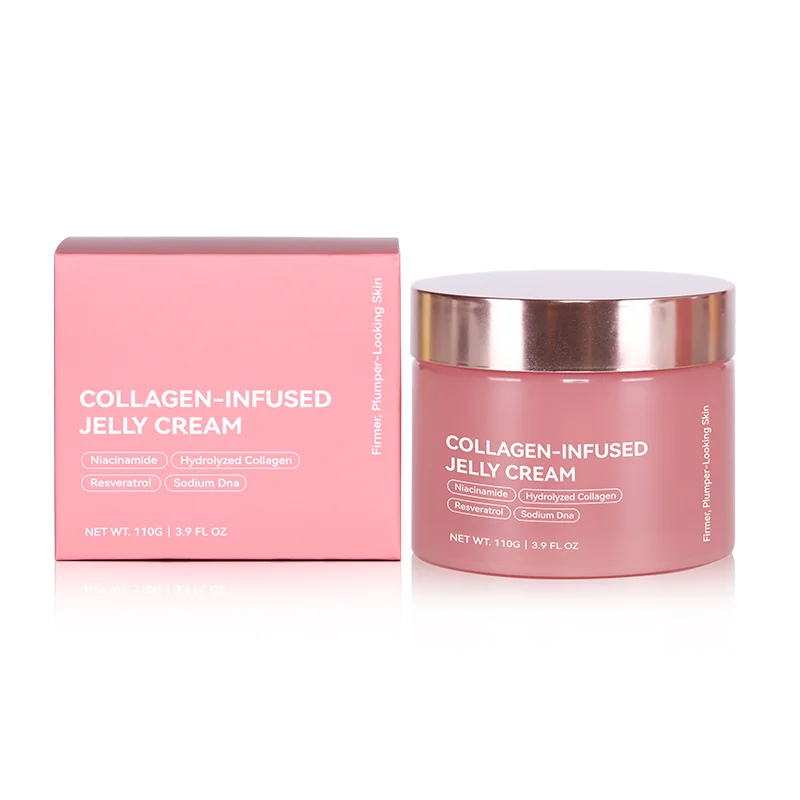
$txt$The global resveratrol skincare market is growing at a CAGR of 8.2% (2024–2030), driven by demand for clean-label, anti-aging solutions in North America, Europe, and Southeast Asia. Consumers are willing to pay a premium for resveratrol-infused serums and creams, with retail price points ranging from $35 to $120 per 30ml bottle. Brand owners targeting the 35–55 age demographic in the US and EU are actively seeking OEM partners who can deliver stable, high-potency resveratrol formulas. Skincraftlab meets this demand with flexible MOQs and fast turnaround for both stock and custom formulations.$txt$
Formulation & Manufacturing Notes
$txt$Resveratrol is sensitive to light, heat, and oxidation. We recommend formulating at pH 4.0–5.5 and using antioxidants like vitamin E or ferulic acid to enhance stability. Encapsulation in liposomes or cyclodextrins significantly improves solubility and shelf life. Effective concentrations range from 0.5% to 2% in leave-on products; higher levels (up to 5%) can be used in wash-off masks. Avoid combining resveratrol with high concentrations of strong acids (e.g., 10% glycolic) in the same phase, as this may degrade the molecule. Our R&D team provides full stability data and accelerated aging reports for each formulation.$txt$
Regulatory Status
$txt$Resveratrol is approved as a cosmetic ingredient in the EU (CosIng listing), USA (FEMA GRAS, cosmetic use unrestricted), China (NMPA registered under INCI name Resveratrol), and ASEAN markets. No specific concentration limits apply, though we recommend ≤2% for leave-on products to align with global safety guidelines. Skincraftlab can provide MSDS, allergen declarations, and IFRA compliance documentation upon request. For export to China, we handle NMPA filing and animal-testing waivers when applicable.$txt$