What is Vitamin E (Tocopherol)?
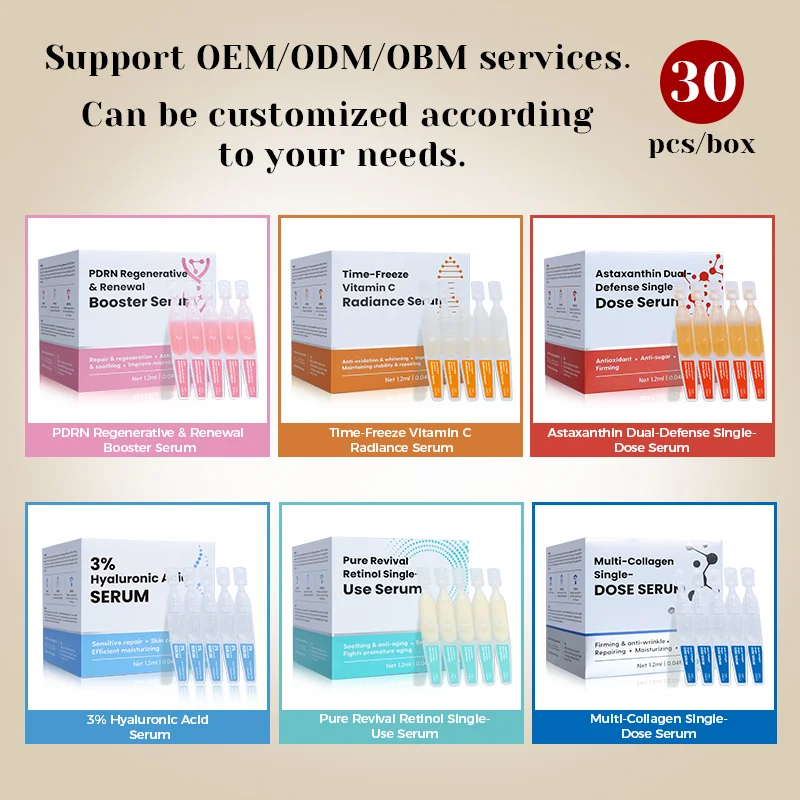
$txt$Vitamin E, chemically known as Tocopherol, is a fat-soluble antioxidant widely used in skincare for its ability to neutralize free radicals and protect skin from oxidative stress. It occurs naturally in plant oils but is predominantly produced synthetically for cosmetic applications to ensure purity, stability, and cost-effectiveness.$txt$$txt$Commercial use of synthetic Vitamin E began in the mid-20th century, with tocopheryl acetate and tocopherol becoming staples in anti-aging and moisturizing formulations. Today, it is one of the most recognized and demanded ingredients in the global personal care market.$txt$$txt$At SkincraftLab, we source high-purity synthetic dl-alpha-tocopherol (INCI: Tocopherol) from certified chemical suppliers. Our production facilities in China handle controlled synthesis, refining, and antioxidant stabilization to deliver consistent quality suitable for OEM/ODM projects.$txt$$txt$We offer Vitamin E in liquid and encapsulated forms, with full batch traceability and stability testing. Our OEM clients use it as a key active in serums, creams, and sun care products targeting anti-aging and skin repair.$txt$
How It Works
$txt$Vitamin E functions primarily as a chain-breaking antioxidant, interrupting the propagation of lipid peroxidation in cell membranes. When applied topically, it penetrates the stratum corneum and integrates into the lipid bilayer, where it donates a hydrogen atom to neutralize reactive oxygen species (ROS) generated by UV exposure and pollution.$txt$$txt$Beyond antioxidant activity, tocopherol also inhibits the activity of protein kinase C, reducing inflammation and supporting skin barrier repair. It enhances the efficacy of other antioxidants like Vitamin C when formulated together, and provides photoprotective benefits by absorbing UVB rays, though it is not a sunscreen substitute.$txt$
Market Context for Brand Owners
$txt$Demand for Vitamin E in skincare continues to grow, driven by consumer awareness of oxidative damage and aging prevention. The global tocopherol market in cosmetics is projected to exceed $1.2 billion by 2028, with strong demand in anti-aging serums, day creams, and SPF products.$txt$$txt$Price points for finished Vitamin E products range from $12–$40 for retail serums, with bulk ingredient costs around $15–$30 per kilogram for synthetic grade. Key target regions include North America, Europe (especially Germany and France), and Southeast Asia, where clean label and antioxidant-rich formulations are trending.$txt$$txt$SkincraftLab serves OEM clients in these regions with flexible MOQ starting at 25kg, enabling both small-batch launches and large-scale production. Export documentation and stability data are provided to meet regional import requirements.$txt$
Formulation & Manufacturing Notes
$txt$Vitamin E (Tocopherol) is oil-soluble and should be incorporated into the oil phase of emulsions. It is sensitive to heat and light; therefore, it should be added at temperatures below 40°C during manufacturing to preserve potency. Use in opaque or UV-protective packaging is recommended.$txt$$txt$Compatibility is broad—tocopherol works well with most emollients, esters, and other antioxidants. Avoid strong oxidizing agents and high pH conditions (above pH 8). Effective concentrations range from 0.5% to 5% in leave-on products, with 1–2% being typical for antioxidant serums.$txt$$txt$For maximum stability, consider using tocopheryl acetate (a more stable ester form) in formulations with higher water content or longer shelf life. Tocopherol is also often paired with ferulic acid and Vitamin C in synergistic antioxidant blends.$txt$
Regulatory Status
$txt$In the US, Tocopherol is listed as a GRAS substance and is generally recognized as safe for cosmetic use under FDA guidelines. The EU CosIng database lists it as an allowed antioxidant with no concentration restrictions, though finished products must comply with EU cosmetic regulation (EC) No 1223/2009.$txt$$txt$In China, Tocopherol is included in the Inventory of Existing Cosmetic Ingredients (IECIC) and is permitted for use in both leave-on and rinse-off products. SkincraftLab provides full regulatory documentation, including MSDS, COA, and Cosmetics GMP certificates, to facilitate customs clearance in target markets.$txt$