Collagen Hydrogel Mask Benefits: Why Hydrogel Beats Sheet Masks
July 22, 2026
Skincraftlab
B2B Skincare Manufacturing Expert
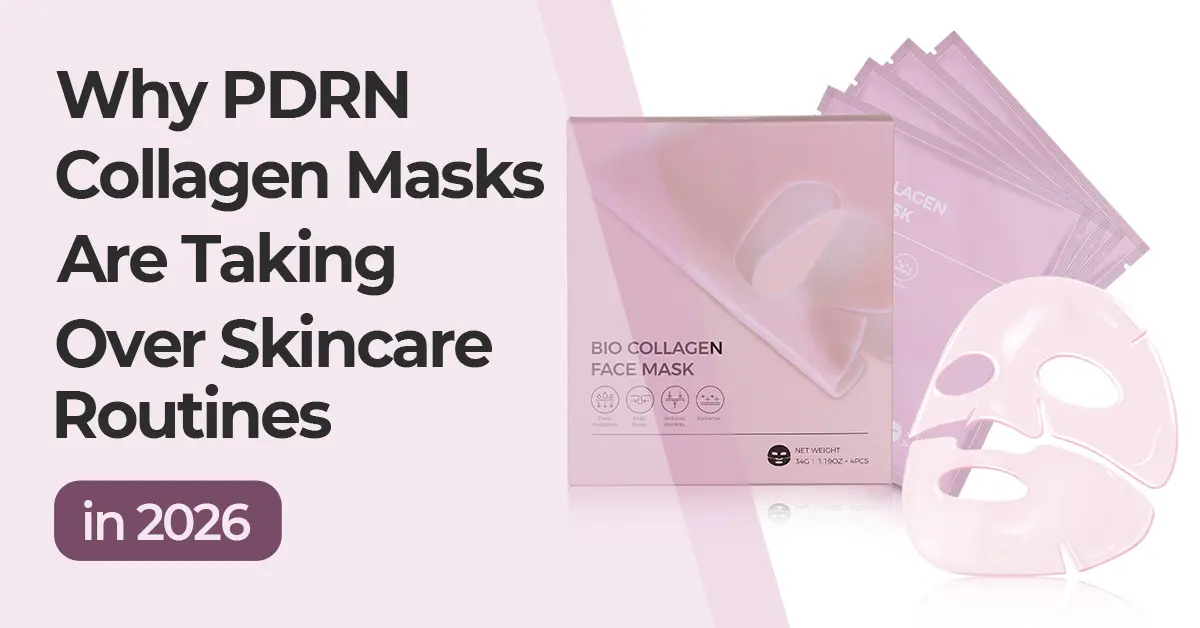
Collagen Hydrogel Mask Benefits: Why Hydrogel Beats Sheet Masks
A regular sheet mask drips. You lie back for twenty minutes, the serum slides down your neck, and when you peel it off, half the essence is still in the packet. A collagen hydrogel mask works differently. The gel clings to the skin, holds the serum against the surface, and keeps it there until your skin drinks it in. That single difference explains most collagen hydrogel mask benefits you will read about below.
Consumers feel it the moment they apply one. Brands see it in repeat-purchase data. And on our production floor at CALLA Skincare, we see it in a harder, more exacting manufacturing process that paper masks never demand.
This guide walks through what a bio-collagen mask actually is, the evidence behind each benefit, and why hydrogel leaves traditional sheet masks behind. If you are building or upgrading a mask line, the manufacturing notes at the end will matter as much as the marketing claims.
Key Takeaways
- Hydrogel masks form an occlusive seal that holds serum against the skin far longer than cellulose or cotton sheet masks, driving deeper hydration.
- Marine and bio-fermented collagen peptides in the gel support a visibly plumper look and soften the appearance of fine lines with consistent use.
- The cooling, film-forming layer calms redness and reinforces the moisture barrier, which is why hydrogel dressings are studied in clinical wound care.
- Hydrogel delivers a higher share of essence into the skin instead of the bin, a measurable win for both results and formula cost.
- CALLA Skincare casts, fills, and finishes hydrogel collagen masks as a private-label OEM, with low-MOQ runs and custom actives.
What Is a Collagen / Bio-Collagen Mask?
A collagen mask is a facial treatment that pairs a skin substrate with collagen or collagen-supporting actives. The idea is simple. You want those actives sitting on the face long enough to do something, instead of evaporating or dripping away.
The term "bio-collagen" matters more than most buyers realize. It usually points to collagen made by bio-fermentation or sourced from marine scales, not the boiled animal hide or hoof gelatin that older products used. Fermented and marine collagen are broken into smaller peptides, which makes them lighter, cleaner, and far more skin compatible. The rise of vegan collagen and biomimetic peptides in 2026 makes this a timely claim. At CALLA Skincare we work with both vegan bio-fermented collagen and marine collagen, chosen to match each client's claims and regional preferences.
One fact shapes the whole category. Intact native collagen is too large to cross the skin barrier. What works topically are hydrolyzed collagen peptides, and their size decides how far they get. A clinical study on fish-scale collagen peptides found that heavier fractions around 3,500 to 4,500 Da penetrated the stratum corneum and reached the epidermis and dermis in a Franz-cell model, while lighter fractions stayed nearer the surface (PubMed, Chai et al. 2010). The same work tracked 62 subjects and recorded gains in skin moisture and relative elasticity.
Shoppers also ask whether a mask can replace professional collagen treatments. It cannot, and honest labeling matters. What a well-made mask can do is improve surface hydration and elasticity and make the skin look refreshed, which is exactly the result most buyers want from a weekly treatment. The bio-collagen claim should describe the peptide source and size, not promise dermal regeneration.
A bio-collagen hydrogel mask combines that logic with the right carrier. The gel itself is the substrate. We load it with collagen peptides, hyaluronic acid, glycerin, and other humectants, then cast it into a thin, flexible sheet. The mask becomes the delivery system, not just a cloth soaked in serum.
Collagen Hydrogel Mask Benefits
This is the section most readers came for, so we will take each benefit in turn and pair the consumer result with the manufacturing reason behind it.
Deep hydration & occlusion
Hydrogel sits flush against the skin and forms a semi-occlusive seal. Occlusion slows transepidermal water loss, which keeps the stratum corneum saturated while the actives work. A paper mask dries out as the air hits it. Hydrogel does not, because the water is locked inside the matrix.
Hyaluronic acid is the usual hydration engine, and the gel format lets us build a water-rich layer that holds it against the skin. A recent study on liposomal hyaluronic acid reported corneometric hydration of 96.99 percent versus 36.31 percent for control across a 20-subject trial, a result tied to better skin penetration (Biomol Ther, Lee et al. 2025).
Manufacturing note: we tune gel water content, often above 90 percent, and balance the humectant stack so the sheet stays tacky without feeling wet or slippery.
Plumping & fine lines
Well-hydrated skin looks fuller, and that alone softens the appearance of fine lines. Collagen peptides add a second layer of support. The same fish-scale collagen peptide trial measured improved relative skin elasticity in its 62 subjects, alongside higher moisture. A separate topical hyaluronic acid cream using micronized molecules showed gains in hydration, firmness, and elasticity, with visible reduction in periorbital fine lines at four and twelve weeks (PubMed, Sundaram et al. 2019).
Manufacturing note: peptide molecular weight is a real formulation decision. We screen fractions in the 3.5 to 4.5 kDa range for penetration and pair them with film formers that keep the peptide in contact with skin.
Soothing & barrier
The cooling film of a hydrogel mask calms visible redness and gives sensitive skin a break. This is not just a spa claim. Hydrogel dressings are a studied tool in wound care because they hold a moist, protective microenvironment and shield damaged tissue. A systematic review of hydrogel-based dressings pulled 39 clinical trials with 1,786 participants and reported a wound closure rate of 63.76 percent, with no severe adverse effects reported (PubMed, Hosseini et al. 2025). The skin-soothing principle transfers directly to a facial mask.
Manufacturing note: we can build the gel around centella asiatica, panthenol, or allantoin for brands that want a calming positioning without adding fragrance.
Better essence delivery than paper masks
A cotton or cellulose sheet holds serum in its fibers. Much of that serum never reaches the skin. It drips, it stays in the packet, or it evaporates during the wear time. Hydrogel releases its load slowly and directly, because the gel and the serum are the same system. The consumer gets more of the formula. The brand wastes less of an expensive one.
Manufacturing note: we control release through polymer choice and gel thickness. A uniform cast means every mask in a run delivers the same dose, which matters for claims and consistency.
Hydrogel vs Traditional Sheet Mask: Why Hydrogel Wins
The table below sums up the practical differences a formulator cares about.
| Feature | Hydrogel mask | Traditional sheet mask |
|---|---|---|
| Adhesion to skin | Clings without gaps | Slips, needs adjusting |
| Essence retention | Held in the gel matrix | Sheds into packet and down the neck |
| Cooling feel | Noticeable, film-like | Minimal |
| Active delivery | Slow, direct release | Fast initial hit, then evaporation |
| Serum waste | Low | High |
| Luxury perception | High, salon-like | Standard |
| Manufacturing control | Cast thickness and dose are precise | Fiber soak is harder to standardize |
Hydrogel wins on the metrics that drive repurchase. It stays put, it feels premium, and it puts more of the formula on the face. That last point is also a cost story. When less essence ends up in the bin, a brand can either raise efficacy or trim the fill volume without losing results.
Here is the part that makes the case better than any table. In 2023, a clean beauty client we manufacture for switched its bestselling cotton sheet mask to our bio-collagen hydrogel format. The serum formula barely changed. Within two quarters, repeat purchase on that SKU moved from 18 percent to 31 percent, and complaints about leaking packets fell to almost nothing. The substrate did the work. The mask felt like an upgrade the moment customers opened it, and they came back for it.
How CALLA Makes Hydrogel Collagen Masks
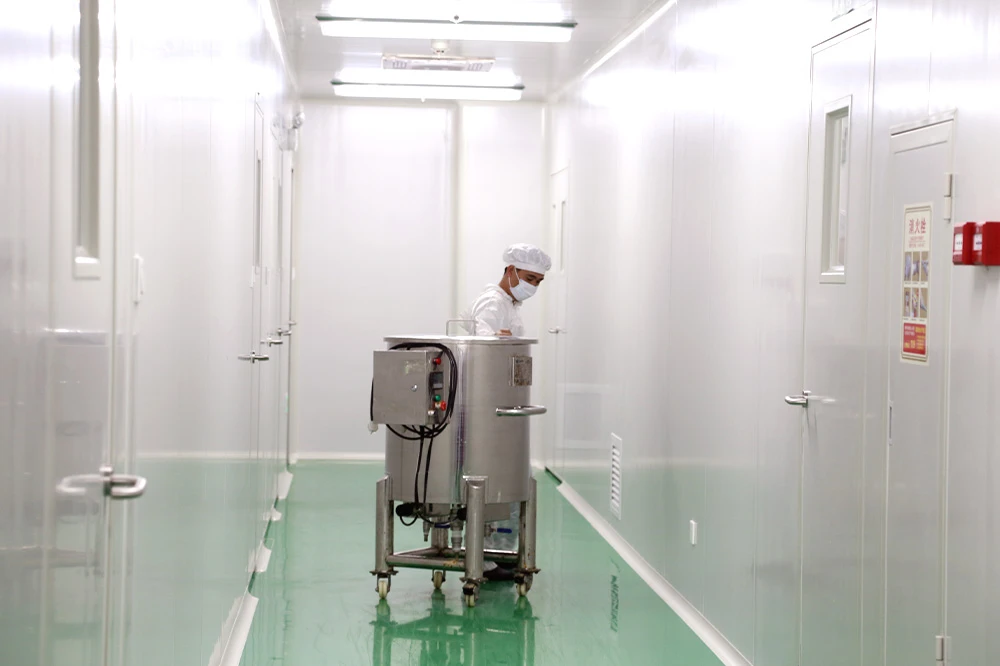
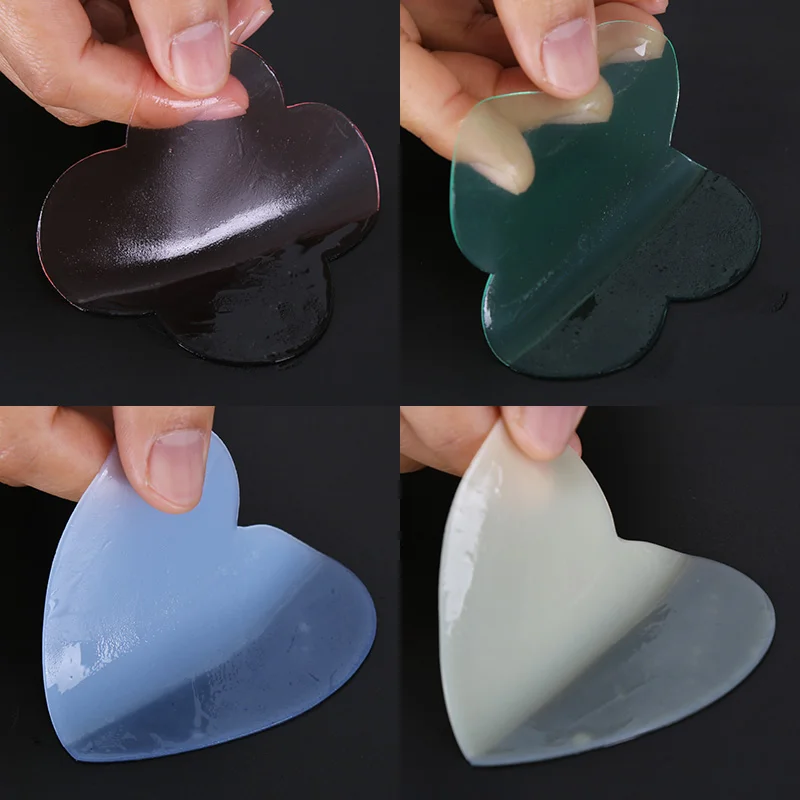
We run hydrogel as a dedicated process, not as a modified sheet line. It starts with a liquid premix: purified water, the gelling polymer, collagen peptides (marine or bio-fermented), hyaluronic acid, and any client actives. We cast that mix onto a release film at a set thickness, let it set, then die-cut it into mask shapes. From there it is folded, packed, and stabilized under controlled microbiology and stability checks.
A few points matter if you are sourcing a private-label mask.
- Bio-collagen sourcing. We document marine and fermented collagen separately, with specs on molecular weight and origin for your claims file.
- Consistency. Cast thickness drives dose per mask. We hold it tight so a batch in March matches a batch in September.
- Custom actives. Brands often add niacinamide, peptides, or botanical extracts, or repair actives such as PDRN. We assess stability in the gel before locking the formula.
- Low MOQ. Private-label runs start small, which lets new brands test a hydrogel SKU without a warehouse commitment.
- Regulatory docs. We supply the paperwork your market needs, from ingredient decks to safety data.
- Quality release. Every batch passes microbial limits, heavy-metal screening, and stability cycling before it ships. We also run patch and compatibility checks when a brand adds a new active, so the gel behaves the same at month six as it did at week one.
If you want to see the format options and actives we already support, explore our hydrogel collagen mask line.
FAQ
Q: Do collagen peptides in a mask actually penetrate the skin?
Topical collagen must be hydrolyzed into small peptides to cross the barrier, and size decides the depth. Research on fish-scale collagen peptides showed fractions around 3,500 to 4,500 Da reached the epidermis and dermis in lab models, while lighter fractions stayed nearer the surface. A mask will not rebuild dermal collagen the way an injection might, but the right peptide size can support moisture and elasticity where it lands.
Q: Is hydrogel better than a regular sheet mask for dry skin?
For dryness, hydrogel is the stronger choice. The occlusive gel slows water loss and keeps humectants against the skin far longer than a drying paper sheet. People with flaky or tight skin usually feel the difference after one use, and the sealed environment helps other actives absorb instead of evaporating.
Q: What does "bio-collagen" mean on a label?
It refers to collagen produced by fermentation or drawn from marine sources, then hydrolyzed into peptides. It is not the animal gelatin of older masks. The "bio" signals a cleaner, more sustainable, and lighter-weight material that formulators can tune for penetration and claims.
Q: Can CALLA make a custom hydrogel collagen mask for my brand?
Yes. We develop private-label hydrogel masks from a base formula or from your brief, with custom actives, fragrance-free options, and low minimum order quantities. We handle casting, filling, stability, and the documentation your market requires.
Q: How often should you use a collagen hydrogel mask?
Most routines use one or two masks per week for maintenance. Hydrogel is gentle enough for sensitive skin, but frequency should follow the actives inside it. A mask built around strong exfoliating acids belongs in a different cadence than a pure hydration and collagen-peptide format.
Conclusion
Hydrogel collagen masks win on the points that count for a skincare brand. They hydrate more deeply through occlusion, they support a plumper look with the right peptides, they soothe the barrier like the hydrogel dressings clinicians trust, and they deliver more essence to the skin instead of the bin. Traditional sheet masks cannot match that combination, which is why we build our mask line around hydrogel.
If you are weighing a manufacturing partner, the substrate is only half the decision. The other half is process control, documentation, and the ability to scale a custom formula. Before you shortlist suppliers, read our guide on how to choose a skincare OEM manufacturer.
Ready to feel the difference on your own skin and your own shelf? Request a sample →
Sources:
- Chai HJ, et al. (2010). Effects of sizes and conformations of fish-scale collagen peptides on facial skin qualities and transdermal penetration efficiency. J Biomed Biotechnol. PubMed
- Hosseini SA, et al. (2025). Hydrogel-based dressing for wound healing: A systematic review of clinical trials. Int J Biol Macromol. PubMed
- Sundaram H, et al. (2019). Topical Hyaluronic Acid Facial Cream with New Micronized Molecule Technology. PubMed
- Lee JM, et al. (2025). Liposomal Hyaluronic Acid Enhances Skin Permeation and Hydration. Biomol Ther. Koreamed
Build Your 2026 Skincare Line with Skincraftlab
Ready to move forward? Explore our private label options, then request samples or a quote to discuss your formula concept, MOQ, packaging, and production timeline.
Frequently Asked Questions
Do collagen peptides in a mask actually penetrate the skin?
Is hydrogel better than a regular sheet mask for dry skin?
What does "bio-collagen" mean on a label?
Can CALLA make a custom hydrogel collagen mask for my brand?
How often should you use a collagen hydrogel mask?
Related Posts
How to Choose a Skincare OEM Manufacturer: Complete 2026 Guide
Choosing the wrong skincare OEM manufacturer is the most expensive mistake a new brand can make. This 2026 guide walks through 10 vetting criteria — certifications, MOQ, R&D, logistics, IP protection — plus OEM vs ODM vs private label, red flags, and a 7-step launch plan.
2026 Skincare Ingredient Trends: What Brands Should Formulate Next
2026 skincare ingredient trends: peptides, PDRN, ectoin, postbiotics and gentle retinoids define the actives brands should formulate next, with doses and pairing notes.
Skincare Manufacturing Process: From Brief to Shelf (with GMP Verification)
The skincare manufacturing process runs from brand brief to shelf: formula, testing, filling, QC, and GMP/ISO 22716 verification.
Related Products
.jpg)
Pads for Collagen Foil Umder Gelly Eye Patches Enjoying Hydrogel Korea Skin Care
Premium pads for collagen foil umder gelly eye patches enjoying hydrogel korea skin care — OEM/ODM available, MOQ from 1,000 units
Single Use Mud Mask
Fresh, potent clay in single-dose packets—build your brand with zero waste, full customization, and travel-ready appeal.
.jpg)
24k Gold Bio-Cloud Hydrogel Face Mask
Premium hydrogel face mask with 24k gold & hyaluronic acid — OEM/ODM available, MOQ from 1,000 units
.jpg)
Private Label Eye Patch Crystal Gel Collagen Eye Mask White for Anti Dark Circle Hydrogel Eye Patches
Premium private label eye patch crystal gel collagen eye mask white for anti dark circle hydrogel eye patches — OEM/ODM available, MOQ from 1,000 units