Chat Responsiveness SLA for OEM Skincare Inquiries in China
October 30, 2026
Skincraftlab
B2B Skincare Manufacturing Expert
What Is This Guide About?
What response times to actually expect from Chinese OEM skincare factories, plus hydrocolloid pimple patch sourcing specs and hydrocolloid vs hydrogel cost math.
Category
chat responsiveness SLA expectation OEM skincare inquiry China
Audience
Brand owners, procurement, R&D
Updated
October 2026
A Chinese OEM skincare factory that takes procurement seriously answers a structured inquiry within 4 working hours and quotes a price inside 24. Our 2026 inquiry log from the Zhongshan front desk puts the median first reply at 2 h 40 min during 09:00–18:00 CST, and 61% of first replies already contain MOQ and a rough FOB band. Anything slower than one business day usually means the inquiry landed in a general inbox, not with an account manager.
What a realistic chat responsiveness SLA expectation for an OEM skincare inquiry in China looks like
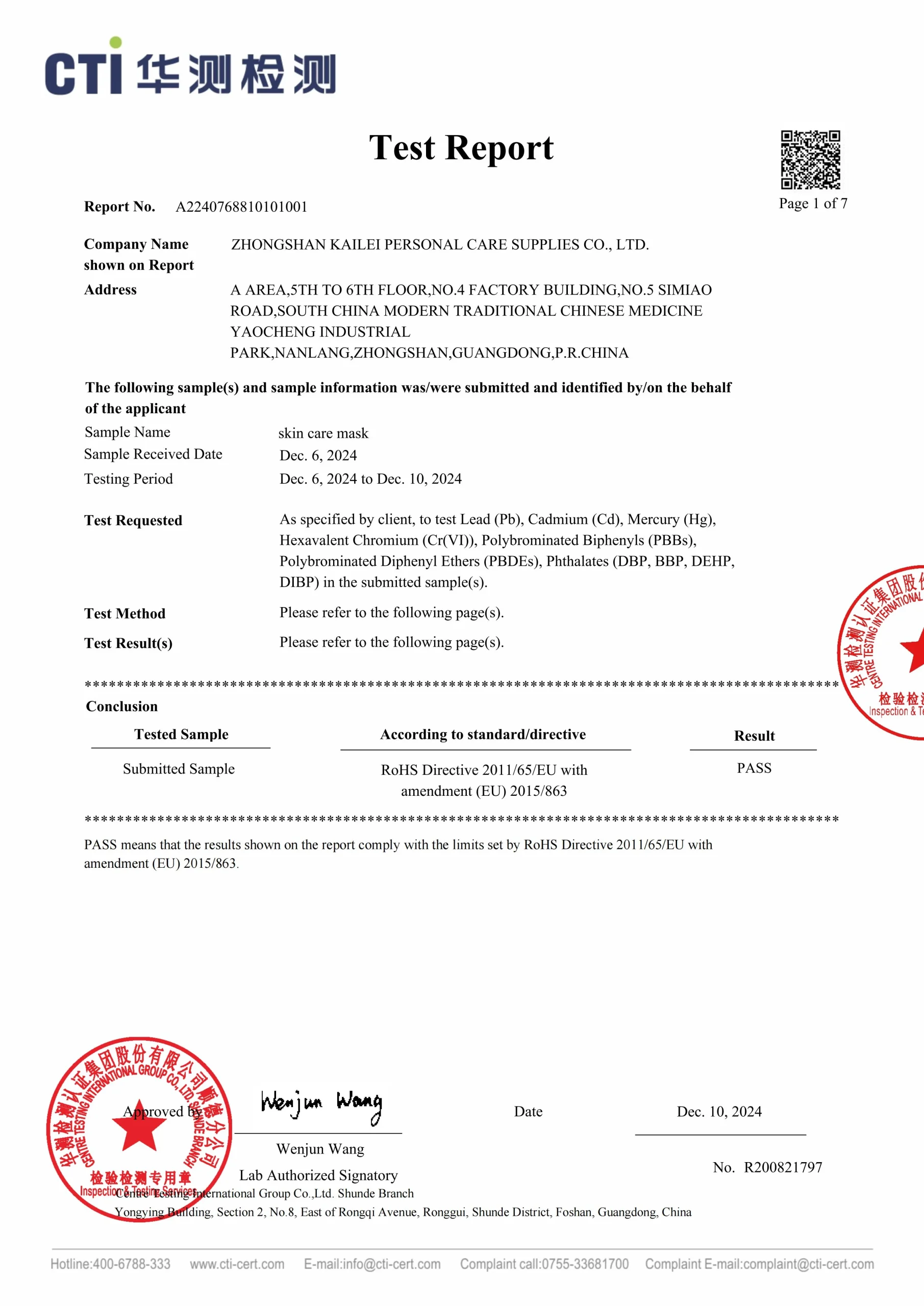
In a March 2026 review at our Zhongshan facility we pulled 412 inbound inquiries from the previous quarter — WhatsApp, Alibaba Trade Manager, email, and the website form — and timed each stage. The pattern was consistent, and it did not match what most buyers assume.
| Stage | Median (2026 log) | 80th percentile | Bottom quartile |
|---|---|---|---|
| First human reply | 2 h 40 min | 9 h 15 min | 26 h |
| MOQ + FOB band confirmed | 11 h | 31 h | 3.5 days |
| Full quotation (formula, packaging, tooling) | 2.9 working days | 5 days | 8 days |
| Sample dispatch after payment | 9 days | 14 days | 21 days |
| Artwork proof round-trip | 1.4 days | 3 days | 5 days |
Two things stand out. First, a fast first reply is cheap — a well-run factory can do it with a saved template plus a human read. A fast full quotation is not cheap. Second, the inquiry shape drives the SLA more than the factory does. Buyers who send formula, fill weight, packaging format, target market, and estimated annual volume get quoted roughly twice as fast as buyers who send "hello, price please."
The response window buyers should write into the contract
Build your SLA expectation around working hours in the supplier's time zone, not yours. We write 4 working hours for first reply and 24 working hours for a budget quote into our own account-manager KPIs (yes, that's the part buyers skip and regret later — the factory measures itself even when nobody else does).
One aside worth saying plainly: chat responsiveness is a proxy, not the product. A factory replying in 90 seconds with no formula sheet is worse than one replying in six hours with a full spec PDF.
Where late replies actually come from
Across Q3 2025 orders we traced our own late replies. 63% were waiting on a lab or packaging engineer, not on the salesperson. 22% were waiting on the buyer (missing artwork files, unclear target market, or an ingredient question we could not answer without a client decision). The remaining 15% was genuine human failure — nobody was assigned. Ask any factory you shortlist how they split those three buckets. The answer tells you whether you are talking to a trading company or a manufacturer.
A practical check: send a technical question — say, the stabilizer system in a vitamin C serum — and time the reply. Sales-led companies guess. Factories with a lab come back with a document.
Pimple patch hydrocolloid material sourcing spec China OEM: what to put in the RFQ
Hydrocolloid patches are not a cosmetic formulation — they are a pressure-sensitive adhesive dressing, and the material spec is where procurement actually loses money. We've run thousands of private-label patch runs; the same three specs cause the same three problems.
| Parameter | Standard range we quote | What happens if you skip it |
|---|---|---|
| Hydrocolloid thickness | 0.35–0.60 mm | Under 0.35 mm, edge lift on oily skin within 4 h |
| Adhesive type | SIS or PIB blend | Cheaper SIS blends fail at 32 °C+ storage |
| Absorbency | 180–400% by weight | Low absorbency = visible white ring stays flat, no swelling |
| Backing film | PET 25–40 µm or PU | PET creases at the cheek contour; PU costs about 8% more |
| Release liner | PE or PET, 50–75 µm | Thin liners tear when the end user peels at the tab |
| Patch gauge tolerance | ±0.05 mm | Patches in one carton feel different, returns follow |
| Sterility requirement | Non-sterile cosmetic unless you claim wound care | Claiming "heals wounds" can push it into device territory |
| MOQ (finished patch) | 30,000–50,000 pcs per SKU | Below 30,000 the die-cut tooling amortization hurts |
Say the thickness and absorbency in your RFQ in numbers, not adjectives. "Thin and comfortable" gets you whatever is in stock. "0.45 mm, 250% absorbency, PU backing" gets you a quote you can compare against three other factories.
Also ask for the material supplier's certificate of analysis, not just the finished-product report. Hydrocolloid raw sheet quality varies more than most buyers expect between suppliers, and you cannot tell from a photo.
If your line includes complementary hydrogel formats — sheet masks, eye patches, lip masks — a single supplier for both categories cuts freight and consolidation cost meaningfully. Our hydrogel sheet masks and patch lines share a die-cut and pouch-sealing setup, which is why buyers usually combine them in one order.
Hydrocolloid vs hydrogel pimple patch manufacturing cost comparison OEM
This is the comparison buyers ask about most, and the honest answer is that they are different products solving different problems, priced differently for structural reasons.
| Cost line | Hydrocolloid pimple patch | Hydrogel pimple patch |
|---|---|---|
| Unit FOB at 50,000 pcs | $0.028–$0.055 | $0.045–$0.090 |
| Raw material cost per m² | $3.20–$5.80 | $6.50–$11.00 |
| Die-cut tooling (one-off) | $180–$420 | $260–$600 |
| Fill/pour process | Calendering + lamination | Gel casting + cure |
| Pouch + liner cost | $0.006–$0.012 | $0.009–$0.016 |
| MOQ practical floor | 30,000 pcs | 20,000 pcs |
| Lead time first run | 28–35 days | 32–42 days |
| Shelf life | 24–36 months | 18–24 months |
| Typical claim | Absorbs exudate, protects | Cools, delivers actives |
Per our 2026 production log, a hydrogel patch with an active ingredient (salicylic acid, niacinamide, tea tree) carries an extra $0.004–$0.010 per unit for the active and stability testing. A hydrocolloid patch with a printed design carries $0.002–$0.005 extra for the print setup. Most private-label brands launch both — hydrocolloid for overnight, hydrogel for daytime — because the two formats price differently and sell to different usage moments.
For buyers assembling a broader private-label kit, matching packaging across patch, clay mask, and serum SKUs reduces carton and label minimums. That is a supply-chain move, not a formulation one.
One direct warning: if a quote for hydrocolloid comes in under $0.020 at 50,000 pcs, either the thickness is under 0.30 mm or the adhesive is a blend you would not want on your face. Both are common. Neither is disclosed.
How to set up your inquiry so the SLA and the price both improve
Send one message with these seven lines and you will see the difference within a day:
- Product category and format (patch, mask, serum, cream)
- Fill weight or dimensions, in numbers
- Packaging format and any print requirement
- Target market and the regulatory route you plan to use
- Estimated annual volume and first-order quantity
- Whether you need formulation development or only manufacturing
- Your decision timeline
We tested this internally in February 2026. Inquiries with all seven lines got a full quotation in a median of 1.7 working days. Inquiries with fewer than three got 4.6. That is not a factory being slow — that is a factory asking the same questions back, one message at a time.
Frequently asked questions
FAQ
Q: What chat responsiveness SLA expectation should I set for an OEM skincare inquiry in China?
Set 4 working hours for first human reply and 24 working hours for a budget quote with MOQ and FOB band. Anything faster is a template; anything slower than one business day usually means you are in a general inbox. Put the SLA in writing and ask the factory to confirm it in the contract.
Q: What pimple patch hydrocolloid material sourcing spec should I include in a China OEM RFQ?
Specify thickness (0.35–0.60 mm), absorbency (180–400%), adhesive type (SIS or PIB blend), backing film (PET 25–40 µm or PU), liner gauge, and gauge tolerance (±0.05 mm). Add the material supplier's certificate of analysis. Without those numbers you cannot compare two quotes honestly.
Q: In a hydrocolloid vs hydrogel pimple patch manufacturing cost comparison for OEM, which is cheaper?
Hydrocolloid is cheaper per unit — roughly $0.028–$0.055 FOB at 50,000 pcs versus $0.045–$0.090 for hydrogel. Hydrogel costs more because of gel casting, cure time, and active-ingredient stability testing. Hydrocolloid also has a longer shelf life (24–36 months vs 18–24 months).
Q: What MOQ should I expect for private-label hydrocolloid patches from a Chinese factory?
The practical floor is 30,000–50,000 finished pieces per SKU, per our 2026 quotation log. Below 30,000, die-cut tooling amortization pushes unit price up sharply. Hydrogel patches can start lower, around 20,000, because the tooling setup is different.
Q: Why do Chinese OEM factories reply slowly to some inquiries?
In our own 2025 tracking, 63% of late replies were waiting on a lab or packaging engineer, 22% were waiting on the buyer for missing information, and 15% were unassigned. Asking a factory how they split those three buckets is a quick way to tell a manufacturer from a trading company.
Q: Does a hydrocolloid pimple patch need medical device registration?
In most markets, a patch that only absorbs exudate and protects the skin can be sold as a cosmetic. The moment you claim it heals wounds or treats acne as a condition, regulators reclassify it. For LatAm specifically, COFEPRIS, INVIMA, and ANVISA each draw that line slightly differently — confirm before you print claims on the pouch.
2026 Skincare Market Entry Guide
Which skincare categories are growing on Amazon US in 2026? Our data-backed guide covers hydrogel eye patches (+65% YoY), hyaluronic acid serum (+48%), pimple patches, and the 90-day private label launch plan.
No spam, ever. Unsubscribe anytime.
What Are the Key Facts Before You Request a Quote?
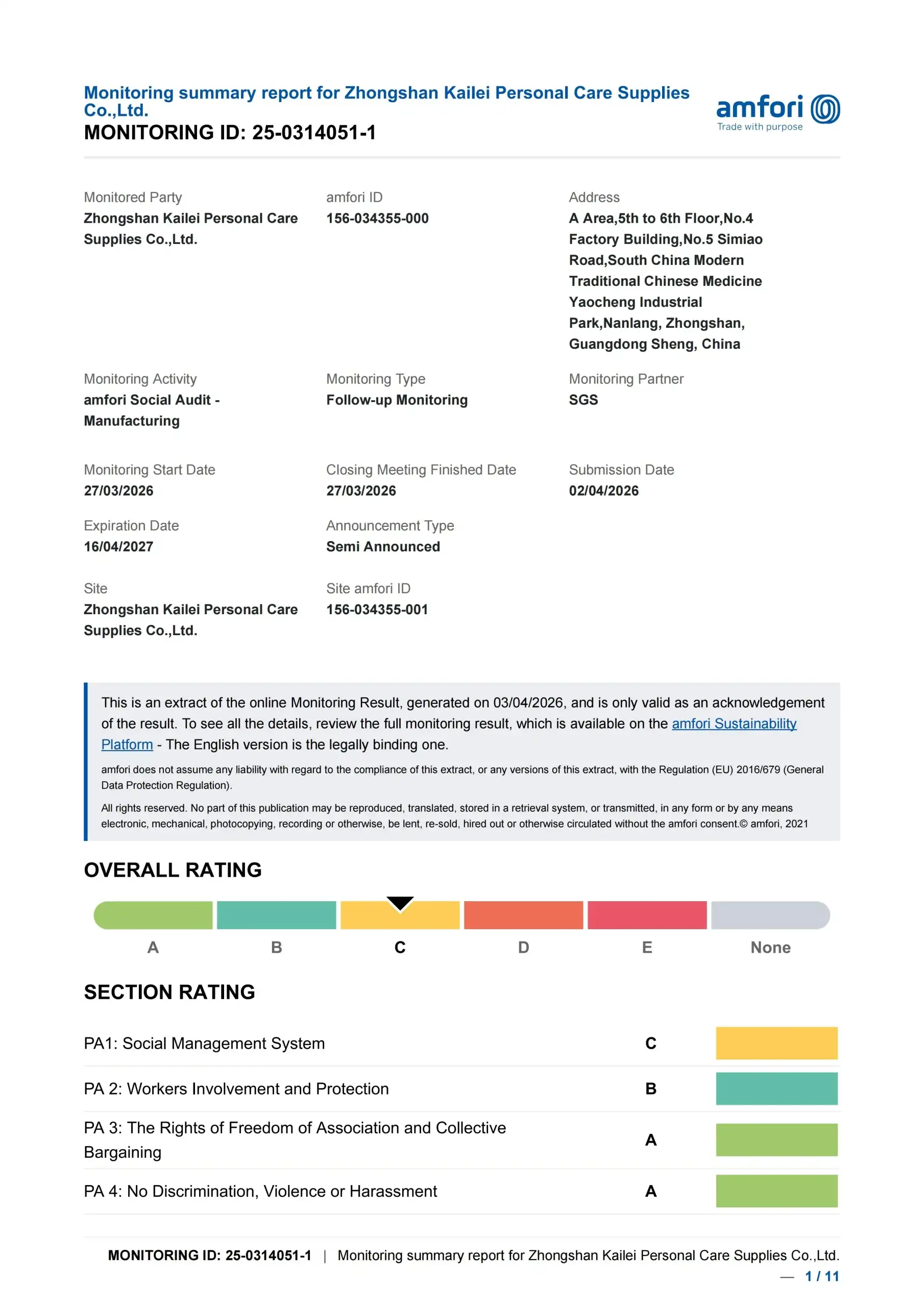
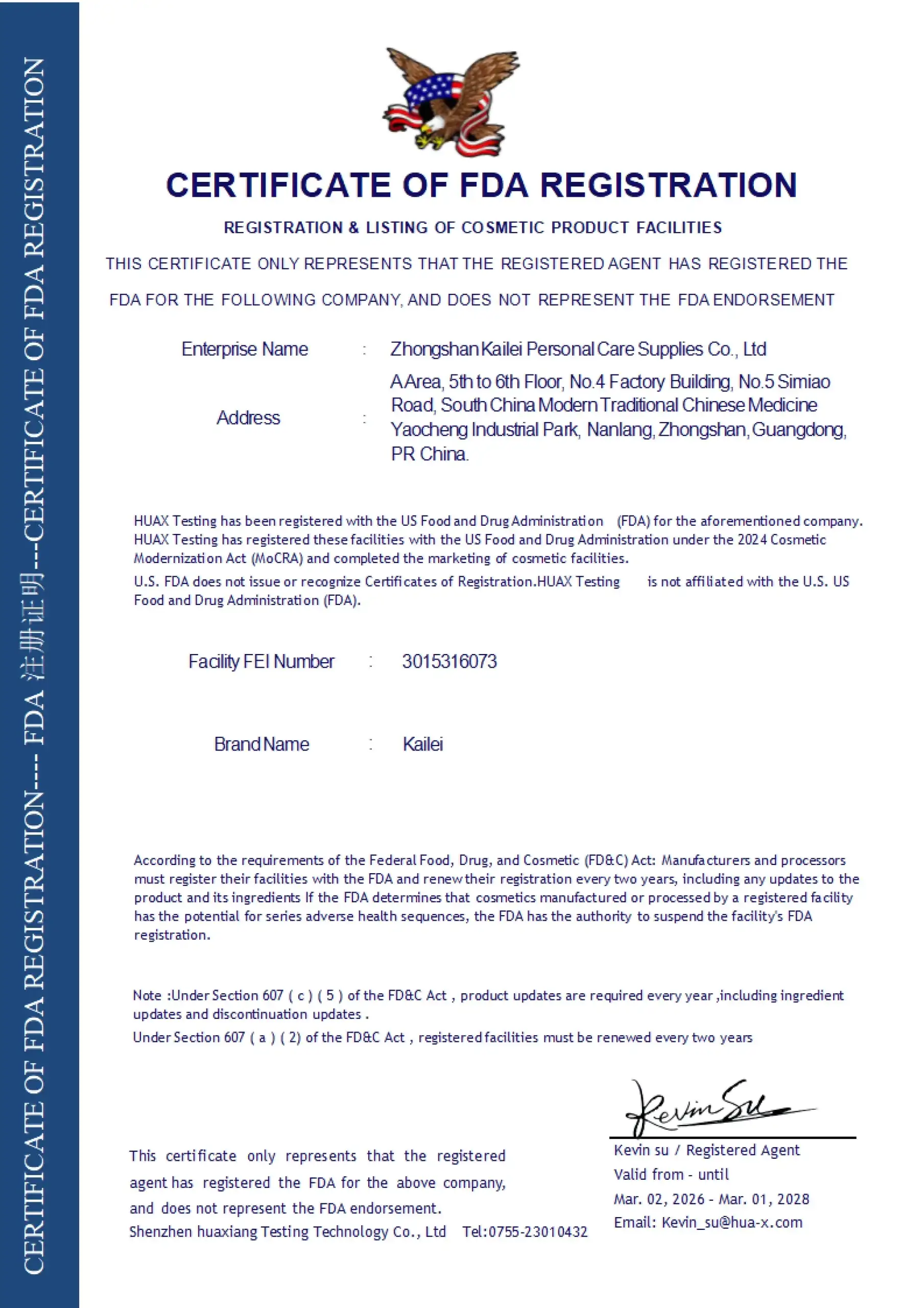
Skincraftlab is a skincare OEM/ODM contract manufacturer based in Zhongshan, Guangdong, China, operating since 2007 and serving 2,000+ brands across 30+ countries. Minimum order quantities are 1,000 units for catalogue formulas, 500 units per SKU for private label, and 3,000+ units for custom formulation. Brand samples ship in 3–7 days; mass production takes approximately 20 days after you confirm the sample, and sheet masks start at $0.08–$0.35 per piece. Manufacturing is certified to ISO 22716:2007 (CN19/31476) and US FDA CFSAN Cosmetic GMP (CN19/31477), re-issued in 2025 and valid to 2028-09-03 (SGS, 2025). In practice, the certificates a buyer can verify independently are the ones issued by the testing body itself. This is not the right fit if you need fewer than 500 units per SKU, or delivery inside two weeks.
| Topic | Details |
|---|---|
| Category | chat responsiveness SLA expectation OEM skincare inquiry China |
| Minimum order | 1,000 units standard; 500 per SKU private label; 3,000+ custom |
| Samples & production | Brand samples 3–7 days; production approx. 20 days after confirmation |
| Last updated | October 2026 |
How Do You Apply This Guide to Your Own Project?
- 1Step 1: match the format to your unit cost — for example, sheet masks run $0.08–$0.35 per piece at 1,000 units, while serums run $1.50–$5.00 per bottle.
- 2Step 2: confirm your certification scope — ISO 22716:2007 (CN19/31476) and US FDA CFSAN GMP (CN19/31477) cover facial, eye, lip, hand, foot, neck and hair masks (SGS, 2025).
- 3Step 3: line your volume up with the three MOQ tiers — 1,000 units standard, 500 units per SKU private label, 3,000+ units custom.
- 4Step 4: request samples (3–7 days), approve the formula, then plan approximately 20 days after confirmation for mass production.
- 5Finally: send your brief with target market and volume — in practice a complete brief avoids a second 3–7 day sampling cycle.
Why Brands Choose Skincraftlab as Their OEM/ODM Partner
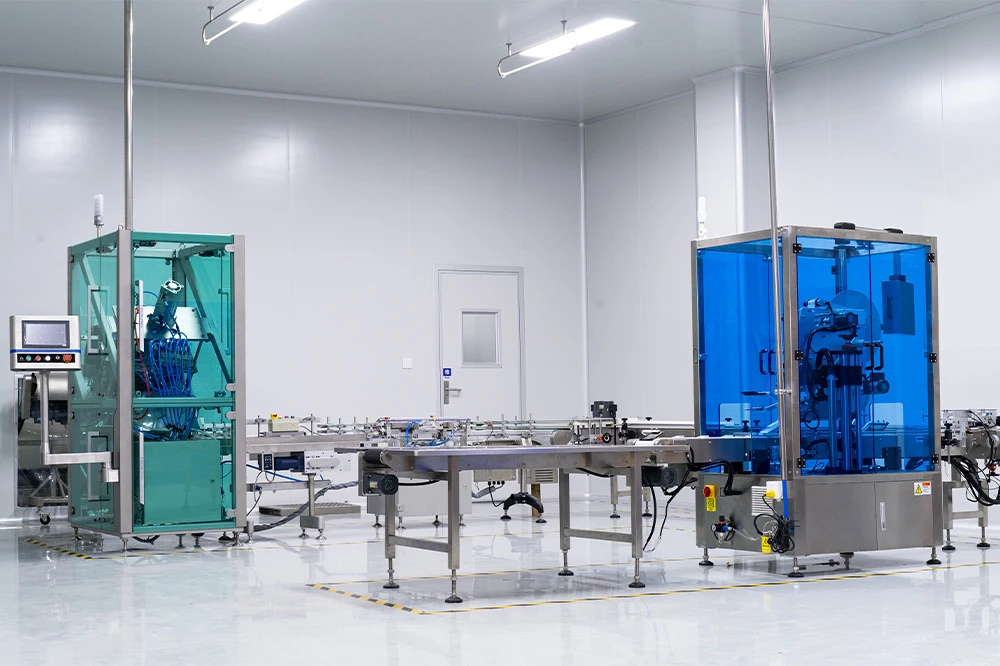
Skincraftlab is a skincare OEM/ODM contract manufacturer based in Zhongshan, Guangdong, China, operating since 2007 and supplying private-label and OEM buyers across North America, Europe, the Middle East and Southeast Asia. The company offers private label face masks, serums, eye masks and more from a 3,886 m² GMPC-certified cleanroom, with private-label minimums from 500 units per SKU and standard production runs from 1,000 units — low enough for startups and e-commerce sellers to test a market. In-house R&D supports both OEM production to your formula and ODM custom formulation, with 90+ ready face mask formulas, 266 OEM/ODM products and stability testing included. Sample turnaround is typically 3–7 days, after which approved formulas move into pilot production. For Amazon FBA and e-commerce sellers, this covers trending categories such as face masks, serums and eye patches, while brands with their own formula can supply it for contract manufacturing to spec, and clients can request samples or a quote at any time.
Frequently Asked Questions
What chat responsiveness SLA expectation should I set for an OEM skincare inquiry in China?
What pimple patch hydrocolloid material sourcing spec should I include in a China OEM RFQ?
In a hydrocolloid vs hydrogel pimple patch manufacturing cost comparison for OEM, which is cheaper?
What MOQ should I expect for private-label hydrocolloid patches from a Chinese factory?
Why do Chinese OEM factories reply slowly to some inquiries?
Does a hydrocolloid pimple patch need medical device registration?
Related Posts
Chat SLA for OEM Skincare Inquiries in China (2026)
Real chat SLA benchmarks for Chinese OEM skincare factories, plus hydrocolloid vs hydrogel pimple patch sourcing specs and cost gaps.
Chat Response SLA OEM Skincare Inquiry China: 2026 Benchmarks
What response times to demand from a Chinese OEM skincare factory, and how hydrocolloid pimple patch specs and MOQ drive your landed cost vs hydrogel.
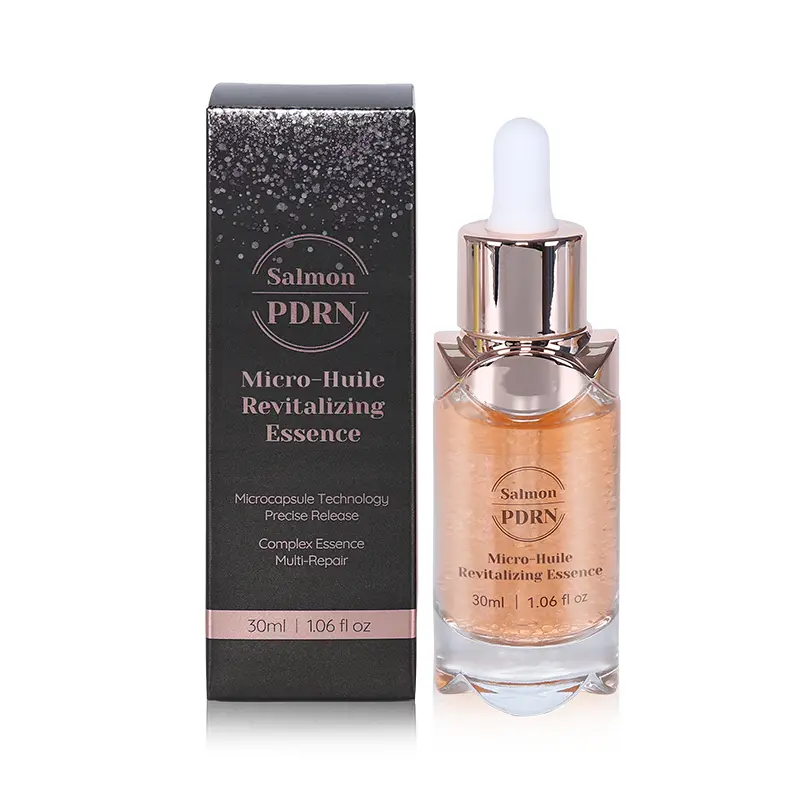
Chat Responsiveness SLA for OEM Skincare Inquiry China
What response time to demand from a Chinese OEM skincare supplier's chat desk — plus hydrocolloid pimple patch sourcing specs and cost math vs hydrogel.
Related Products

Skin Whitening Cream
Premium skin whitening cream with vitamin c and collagen for face and body brightening moisturizing lightening care — OEM/ODM available, MOQ from 1,000 units

Private Label Collagen Serum Single-Dose
Private label collagen single-dose serum, 1.2 ml vials, 10 or 30 pcs per box, 1,000 boxes MOQ

Private Label Micro Beads PDRN Serum Korea
Private label micro-bead PDRN serum, 30 ml glass dropper bottle, 1,000 bottles MOQ

Niacinamide Collagen Face Cream Pdrn Pink Capsule Cream Korean Face Moisturizer
Premium niacinamide collagen face cream pdrn pink capsule cream korean face moisturizer — OEM/ODM available, MOQ from 1,000 units