Hydrocolloid vs Hydrogel Pimple Patch OEM Spec Sheet, China
November 19, 2026
Skincraftlab
B2B Skincare Manufacturing Expert
What Is This Guide About?
Material-by-material OEM spec sheet for hydrocolloid vs hydrogel pimple patches: GSM, adhesion, absorbency, MOQ, FOB, QC gates, and factory audit steps in China.
Category
hydrocolloid vs hydrogel pimple patch material sourcing spec sheet China OEM
Audience
Brand owners, procurement, R&D
Updated
November 2026
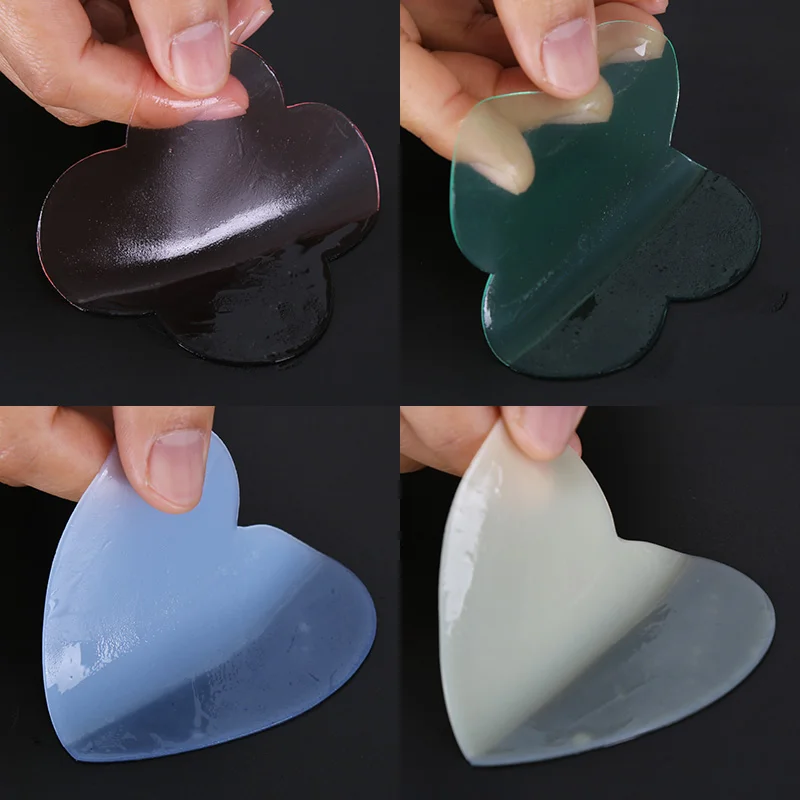
Hydrocolloid patches and hydrogel patches are not interchangeable materials, and the sourcing spec sheet proves it. Hydrocolloid is a gelled polyisobutylene or CMC blend (typical 300–450 GSM) that absorbs exudate and swells into a dome; hydrogel is a cross-linked polymer matrix (typical 400–700 GSM) that delivers actives through hydration. For a China OEM order, expect MOQ 3,000–10,000 pieces per SKU, FOB USD 0.04–0.18 per patch, and 25–35 day lead time from PO to FOB. Specify material before price.
In Q1 2026 we ran a sourcing review at our Zhongshan plant for a Colombian acne brand that had a spec sheet from a Guangzhou trading office — the sheet listed "hydrocolloid patch" with no GSM, no adhesion value, no absorbency figure. That document is a price quote, not a spec. We rejected three of the five lines before the first sample. Here is the short version of what a real sheet looks like, and where buyers get burned.
Key Stats: Patch Material Sourcing At A Glance
| Parameter | Hydrocolloid patch | Hydrogel patch |
|---|---|---|
| Base material | PIB / CMC blend, gelled | Cross-linked PVA / polyacrylate matrix |
| Typical GSM | 300–450 | 400–700 |
| Absorbency (24 h) | 120–300% w/w | 15–40% w/w |
| Peel adhesion (180°, 20 min dwell) | 0.8–2.2 N/25 mm | 0.4–1.2 N/25 mm |
| Patch thickness | 0.30–0.55 mm | 0.6–1.2 mm |
| Typical FOB (Ø12 mm, 10,000 pcs) | USD 0.05–0.14 | USD 0.06–0.18 |
| MOQ per SKU | 3,000–10,000 | 5,000–10,000 |
| Lead time, PO to FOB | 25–30 days | 28–35 days |
Those ranges come from our 2025–2026 production log across 41 patch SKUs. Yours will land inside them if the factory is honest about material cost — and outside them if the "sample" was hand-cut on a lab bench.
Hydrocolloid vs Hydrogel Pimple Patch Material Sourcing Spec Sheet China OEM: The Nine Lines That Matter
A hydrocolloid vs hydrogel pimple patch material sourcing spec sheet China OEM buyers can re-quote against doesn't need fifty fields. It needs nine, and each one has a test method attached.
- Base polymer and grade. Not "hydrocolloid" — name the PIB viscosity grade, the CMC substitution type, the tackifier. If the factory won't name it before sample approval, walk (yes, that's the part buyers skip and regret later).
- Coating weight (GSM). Measured after the 24 h conditioning step, not off the line. ±5% tolerance is standard; ±8% means the coater is drifting.
- Thickness. Caliper gauge, 10 points per patch, mean and range. Hydrogel above 1.2 mm at Ø12 mm curls at the edge by day two.
- Peel adhesion. 180° peel at 300 mm/min, 20-minute dwell, stainless steel panel, 25 ± 2 °C, 50 ± 5% RH. Report N/25 mm, not "good adhesion."
- Absorbency. Gravimetric, 24 h immersion in 0.9% saline at 37 °C. Hydrocolloid should be listed as % w/w and g/patch.
- Release liner and peel force. Liner type (PET 75 µm, PE film) plus release force in N/25 mm. Too low, the patch falls off the liner in the pouch. Too high, the customer tears the patch.
- Pouch barrier. Foil laminate (PET/AL/PE) vs clear film. WVTR below 0.5 g/m²/day for any patch with volatile actives.
- Sterilization or microbial status. Non-sterile is normal for cosmetic acne patches; you still need bioburden (TAMC < 100 CFU/g) and absence of P. aeruginosa and S. aureus per ISO 17516.
- Shelf life and stability basis. 24 or 36 months, backed by accelerated data at 40 °C / 75% RH for 3 or 6 months — not a guess on the artwork.
The pattern I see: brands spend three weeks arguing over FOB price and forty minutes on this list. Then they discover line 6 was never specified, and 200,000 patches won't release from the liner.
How To Judge An Acne Patch Supplier China Buyers Actually Keep
Every acne patch supplier China search returns 200+ trading companies in Guangzhou and Yiwu. Maybe 12 to 18 of them own or control a coating line. The rest broker.
Three checks separate them, and none require a flight:
- Ask for the coater model and the line's rated GSM range. A factory that coats 300–450 GSM hydrocolloid in-house can answer in ten minutes. A broker forwards the question and replies in two days with a stock photo.
- Request a Certificate of Analysis from the last three production lots — same SKU, three different dates. Numbers should be tight and boring. If Lot A is 0.9 N/25 mm and Lot C is 2.0 N/25 mm on the same product, the process is not in control (ISO 22716 §7.3 would already have flagged it).
- Confirm who does the microbial testing. In-house lab with a laminar flow hood, or a third-party CNAS lab? Ask for the lab's scope certificate and the report number from the last lot.
We've filled thousands of private-label runs, and one pattern keeps coming back: the buyers who ask for three CoAs before the sample tend to stay three years. The ones who approve on a photo churn out by month eight. That isn't a sales talking point — it's what our reorder log shows.
Where The Crystal Collagen Eye Mask Hydrogel Hydration Testing Protocol OEM China Export Comes In
The same coating line that runs pimple patches usually runs hydrogel sheet masks and eye patches. That matters because the crystal collagen eye mask hydrogel hydration testing protocol OEM China export buyers need is a near-twin of the absorbency test above — except the metric flips from absorption to retention.
For eye masks, the standard export protocol looks like this:
- Hydration retention, 8 h at 32 °C on artificial skin substrate. Measure weight loss vs initial. Target: under 12% moisture loss for a 700 GSM crystal collagen hydrogel.
- In-vitro moisture release onto filter paper at 32 °C, 24 h. Report mg water released per cm².
- Syneresis check after 30 days at 40 °C. No visible water beading in the pouch. If there is, your gelling agent ratio is off and the product will look sweaty on a Mexican retail shelf in August.
- Peel force from the backing film — same 180° method, target 0.15–0.40 N/25 mm for eye contour.
Ask any China OEM quoting you crystal collagen eye patches whether they run the 8 h retention test or only the standard 24 h immersion. The 24 h test tells you the gel holds water. The 8 h at 32 °C test tells you it holds water on a face. Different question.
MOQ, FOB And Lead Time: What A Real Quote Contains
Here is what an actual quote from our 2026 log looks like — anonymized, real numbers.
| Line item | Hydrocolloid 12 mm | Hydrogel 12 mm, salicylic |
|---|---|---|
| MOQ, pcs/SKU | 5,000 | 10,000 |
| Unit FOB, 10k pcs | USD 0.078 | USD 0.121 |
| Unit FOB, 50k pcs | USD 0.061 | USD 0.094 |
| Tooling / die cut | USD 0 (existing die) | USD 180 one-time |
| Pouch, foil 80×80 mm | USD 0.011 | USD 0.013 |
| Printed carton insert | USD 0.004 | USD 0.004 |
| Lead time, PO to FOB | 27 days | 33 days |
A quote missing tooling, pouch, or carton is a partial number. Ask for the landed-cost worksheet — the factory should supply it if they've shipped to your market before. If they haven't, you're paying for their learning curve.
If your line also includes acne treatment in cream or serum form, the same factory usually handles private label clay mask and leave-on formats — worth grouping into one PO to save on carton consolidation.
QC Gates: Where Cheap Patches Fail
Across our 2025 QA reject log for patches, the failures clustered in four places. Use this as your incoming-inspection template.
- Gate 1 — Incoming raw material. Polymer CoA, viscosity check, microbial status. Roughly 6% of incoming lots rejected per our 2026 log.
- Gate 2 — In-process coating. GSM spot check every 30 minutes per roll. Adhesion off-spec triggers rework; don't let them talk you out of it.
- Gate 3 — Converting and pouching. Seal integrity (dye penetration or vacuum decay), dimensional check per die.
- Gate 4 — Finished goods. Peel adhesion, absorbency, bioburden, and a 30-day real-time check on one pouch per lot before release.
A certified factory will already have documented all four gates under ISO 22716 / GMPC. If the audit report you receive lists gates but no reject rates, the gates are decorative.
FAQ
Q: What should a hydrocolloid vs hydrogel pimple patch material sourcing spec sheet China OEM include for absorbency?
A: Two numbers, not one — % w/w and g/patch. Measure gravimetrically at 24 h in 0.9% saline at 37 °C, on the finished patch, not the raw sheet. Hydrocolloid should land 120–300% w/w; below 100% it won't dome on a whitehead and the user will complain it "does nothing." Ask for the raw data sheet from the last production lot, not a marketing PDF.
Q: How do I verify an acne patch supplier China is really a manufacturer, not a trader?
A: Request the coater make/model and rated GSM range, three CoAs from different production dates for the same SKU, and the address of the coating line on the GMP certificate. Then verify the address against the business license (统一社会信用代码 lookup is public). Traders fail all three tests within ten minutes. Real manufacturers answer in one email.
Q: What is the crystal collagen eye mask hydrogel hydration testing protocol OEM China export buyers should require?
A: 8 h hydration retention at 32 °C on artificial skin substrate (target <12% moisture loss), in-vitro moisture release at 24 h (report mg/cm²), syneresis check after 30 days at 40 °C, and 180° peel force at 0.15–0.40 N/25 mm. Request the test report per lot, not per year. Our 2026 log shows retention drift across seasons — summer lots run hotter, and the gel ratio needs adjustment.
Q: What MOQ and FOB should I expect for a 10,000-piece hydrocolloid pimple patch order from China?
A: MOQ 5,000–10,000 per SKU is standard; 10,000 pieces of a 12 mm hydrocolloid patch at USD 0.06–0.10 FOB is a fair 2026 range from a GMP-certified factory. Below USD 0.04, ask what was left out — usually the release liner or the pouch barrier. Above USD 0.15, ask why.
Q: Which regulatory documents do I need to import acne patches into the EU, US, and LatAm?
A: EU — CPSR by a qualified safety assessor plus CPNP notification; US — cosmetic (not drug) positioning, no FDA pre-market approval, but MoCRA facility registration applies; LatAm — COFEPRIS in Mexico, INVIMA in Colombia, ANVISA in Brazil, each with its own label and notification file. Get the ISO 22716 certificate and the last three CoAs before you sign — the regulatory file depends on them.
Q: How long should the first sample approval take with a China patch OEM?
A: 10–15 working days per round is normal: 5 days to make the sample, 3–4 days air freight, then your internal panel. Three rounds means six weeks. Budget for two, plan for three. (The brands that approve on round one usually send a spec sheet with nine lines instead of a photo.)
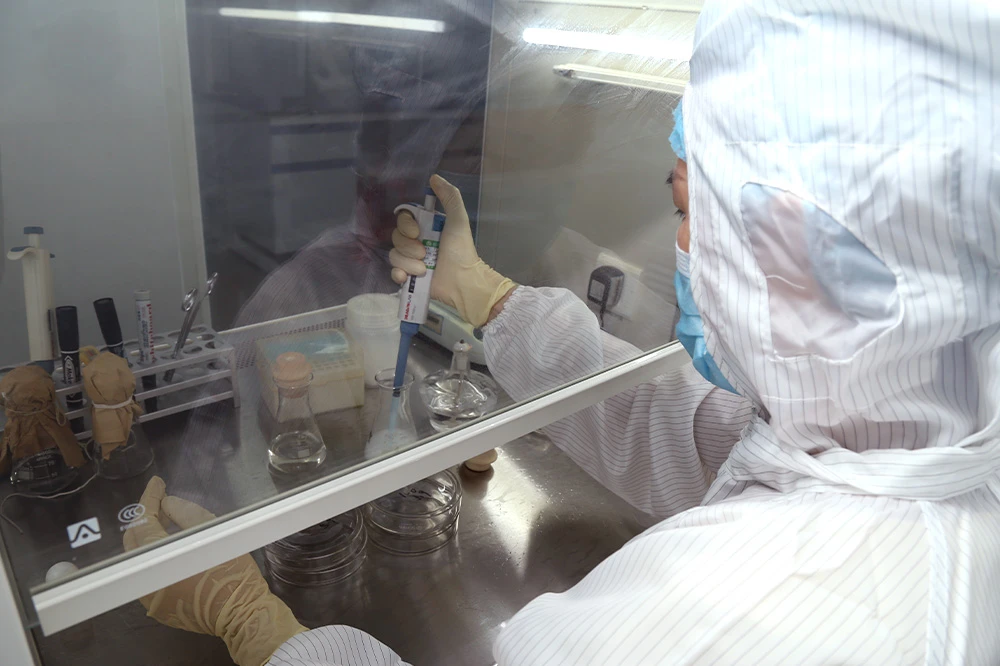
Skincraftlab runs hydrocolloid and hydrogel coating, converting, and pouching under one GMPC/ISO 22716 roof in Zhongshan, Guangdong. If you're comparing three factories, we're happy to send the coater model, three CoAs, and a landed-cost worksheet before you commit to a sample.
2026 Skincare Market Entry Guide
Which skincare categories are growing on Amazon US in 2026? Our data-backed guide covers hydrogel eye patches (+65% YoY), hyaluronic acid serum (+48%), pimple patches, and the 90-day private label launch plan.
No spam, ever. Unsubscribe anytime.
What Are the Key Facts Before You Request a Quote?
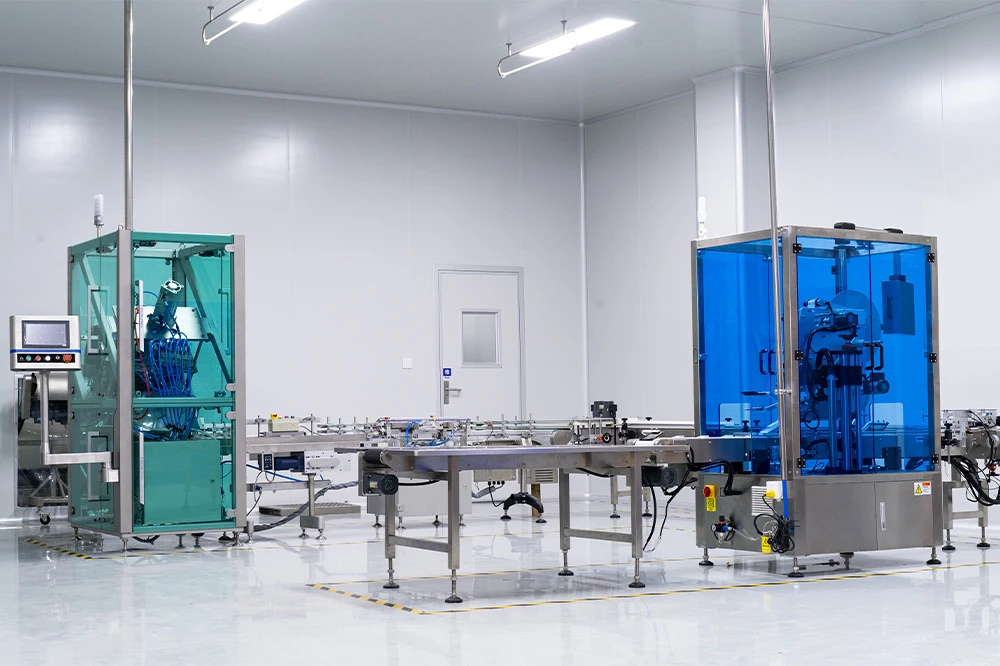
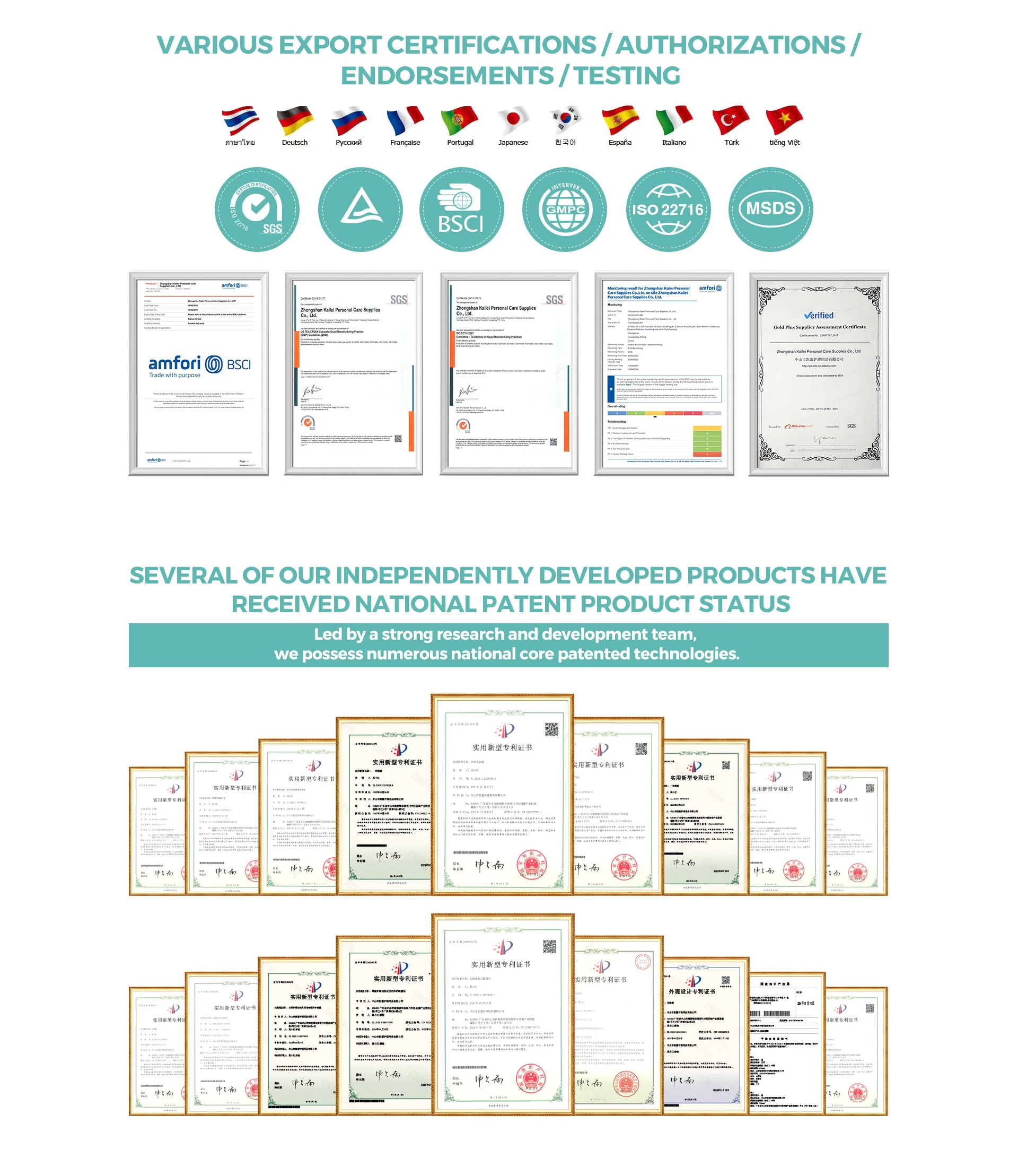
Skincraftlab is a skincare OEM/ODM contract manufacturer based in Zhongshan, Guangdong, China, operating since 2007 and serving 2,000+ brands across 30+ countries. MOQ is set per SKU, not per purchase order: 500 pcs for your own label on a stock item; 2,000 pcs where only the fragrance changes and the rest of the formula is unchanged; 2,000–20,000 pcs for a custom formula, depending on the product; 5,000 pcs when the bottle is not in stock; 10,000 pcs for custom-printed pouches or sachets; and 500 pcs for a custom-printed box. Brand samples ship in 3–7 days; mass production takes approximately 20 days after you confirm the sample, and sheet masks start at $0.08–$0.35 per piece. Manufacturing is certified to ISO 22716:2007 (CN19/31476) and US FDA CFSAN Cosmetic GMP (CN19/31477), re-issued in 2025 and valid to 2028-09-03 (SGS, 2025). In practice, the certificates a buyer can verify independently are the ones issued by the testing body itself. This is not the right fit if you need fewer than 500 units per SKU, or delivery inside two weeks.
| Topic | Details |
|---|---|
| Category | hydrocolloid vs hydrogel pimple patch material sourcing spec sheet China OEM |
| Minimum order | 500 pcs your label on a stock item; 2,000 fragrance-only change; 2,000–20,000 custom formula; 5,000 non-stock bottle; 10,000 printed pouch; 500 printed box |
| Samples & production | Brand samples 3–7 days; production approx. 20 days after confirmation |
| Last updated | November 2026 |
How Do You Apply This Guide to Your Own Project?
- 1Step 1: match the format to your unit cost — for example, sheet masks run $0.08–$0.35 per piece in production runs, while serums run $1.50–$5.00 per bottle.
- 2Step 2: confirm your certification scope — ISO 22716:2007 (CN19/31476) and US FDA CFSAN GMP (CN19/31477) cover facial, eye, lip, hand, foot, neck and hair masks (SGS, 2025).
- 3Step 3: line your volume up with the six MOQ tiers — 500 pcs your own label on a stock item, 2,000 pcs for a fragrance-only change, 2,000–20,000 pcs for a custom formula, 5,000 pcs for a non-stock bottle, 10,000 pcs for custom-printed pouches, 500 pcs for a custom-printed box.
- 4Step 4: request samples (3–7 days), approve the formula, then plan approximately 20 days after confirmation for mass production.
- 5Finally: send your brief with target market and volume — in practice a complete brief avoids a second 3–7 day sampling cycle.
Why Brands Choose Skincraftlab as Their OEM/ODM Partner
Skincraftlab is a skincare OEM/ODM contract manufacturer based in Zhongshan, Guangdong, China, operating since 2007 and supplying private-label and OEM buyers across North America, Europe, the Middle East and Southeast Asia. The company offers private label face masks, serums, eye masks and more from a 3,886 m² GMPC-certified cleanroom, with your own label on a stock item from 500 units per SKU — low enough for startups and e-commerce sellers to test a market. In-house R&D supports both OEM production to your formula and ODM custom formulation, with 90+ ready face mask formulas, 339 OEM/ODM products and stability testing included. Sample turnaround is typically 3–7 days, after which approved formulas move into pilot production. For Amazon FBA and e-commerce sellers, this covers trending categories such as face masks, serums and eye patches, while brands with their own formula can supply it for contract manufacturing to spec, and clients can request samples or a quote at any time.
Frequently Asked Questions
What should a hydrocolloid vs hydrogel pimple patch material sourcing spec sheet China OEM include for absorbency?
How do I verify an acne patch supplier China is really a manufacturer, not a trader?
What is the crystal collagen eye mask hydrogel hydration testing protocol OEM China export buyers should require?
What MOQ and FOB should I expect for a 10,000-piece hydrocolloid pimple patch order from China?
Which regulatory documents do I need to import acne patches into the EU, US, and LatAm?
How long should the first sample approval take with a China patch OEM?
Related Posts
OEM Skincare Inquiry China: Chat SLA, Pimple Patch Specs & Costs
What a realistic chat SLA looks like for OEM skincare inquiries in China, plus hydrocolloid vs hydrogel pimple patch specs, MOQs, and FOB costs.
Skincare Packaging Guide 2026: Options, Materials, and Costs for Private Label Brands
Choosing the right packaging for your private label skincare line affects your brand perception, product stability, and profit margins. This guide covers glass vs. plastic vs. airless packaging, typical costs per unit ($0.30–$3.00), MOQs (500–10,000 units), and how to select packaging that matches your product type and price positioning.
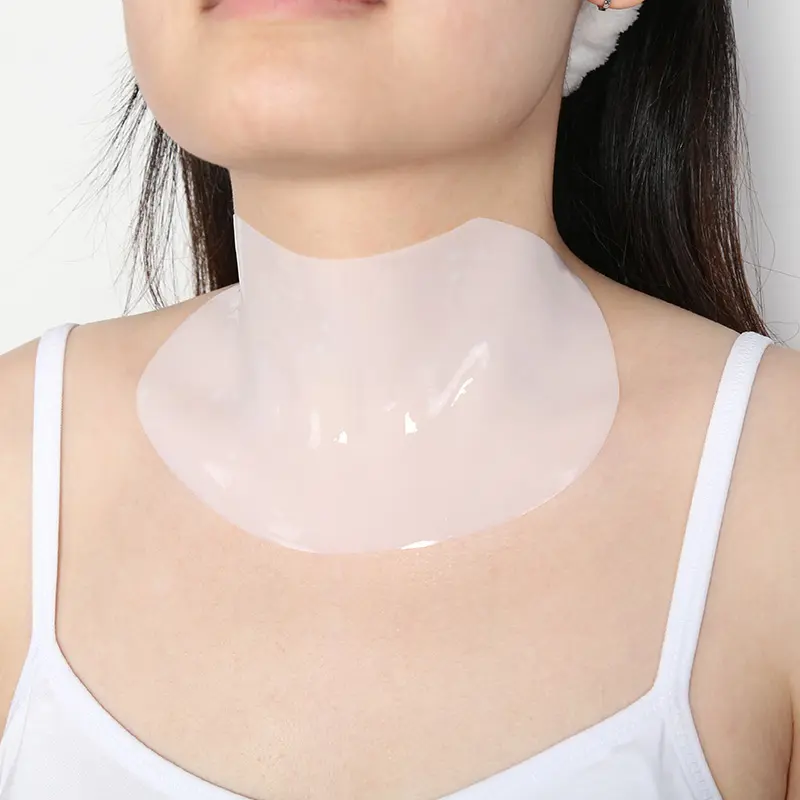
PDRN Serum OEM China: 2% vs 0.5% Salmon DNA Specs
What 2% vs 0.5% PDRN salmon DNA really means in an OEM spec sheet, plus rolling forecast terms for 500,000 pimple patches and hydrogel under-eye patch MOQ/FOB math.
Related Products
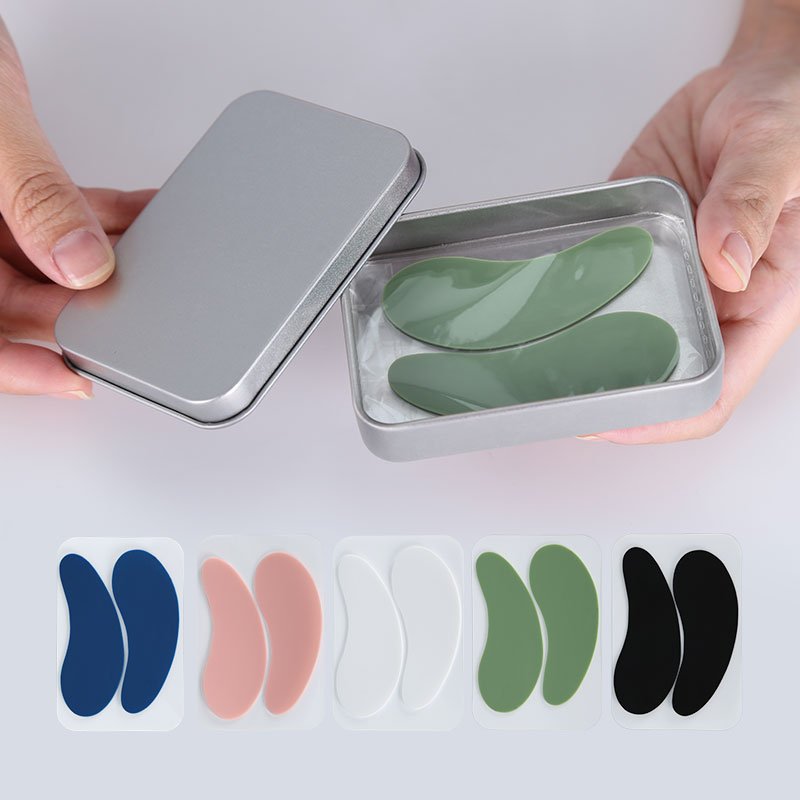
Silicone Puffy Collagen Korean Eye Patches Reusable Under Eye Sheet Masks Pads
Premium logo silicone puffy collagen korean eye patches reusable under eye sheet masks pads — OEM/ODM available, MOQ from 500 units
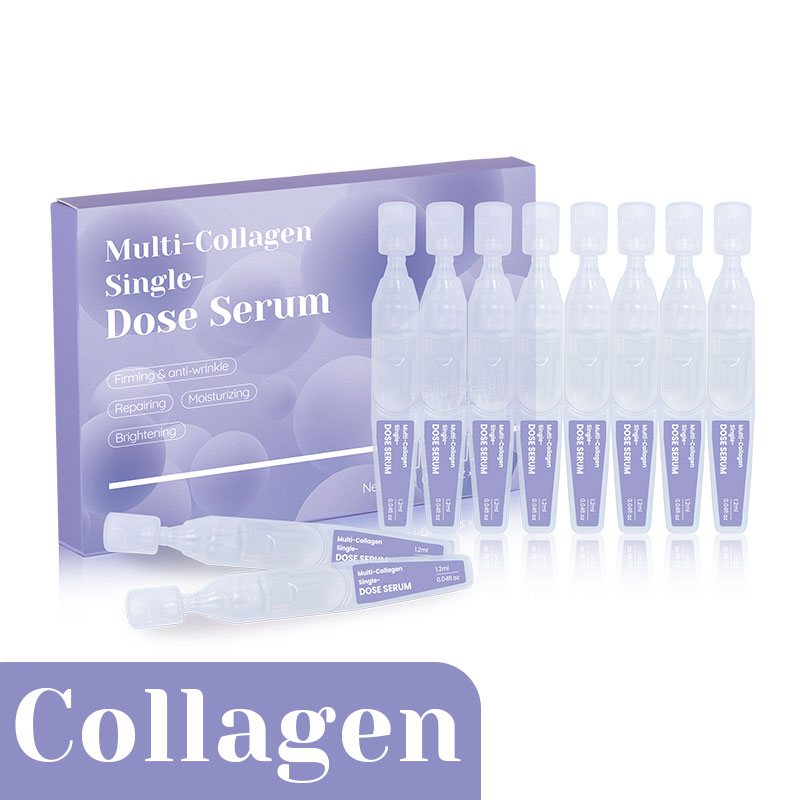
Collagen Single Dose Korean Skincare Hyaluronic Acid Instant Face Lift Serum Alpha Arbut
Premium cosmetics collagen single dose korean skincare hyaluronic acid instant face lift serum alpha arbut — OEM/ODM available, MOQ from 500 units
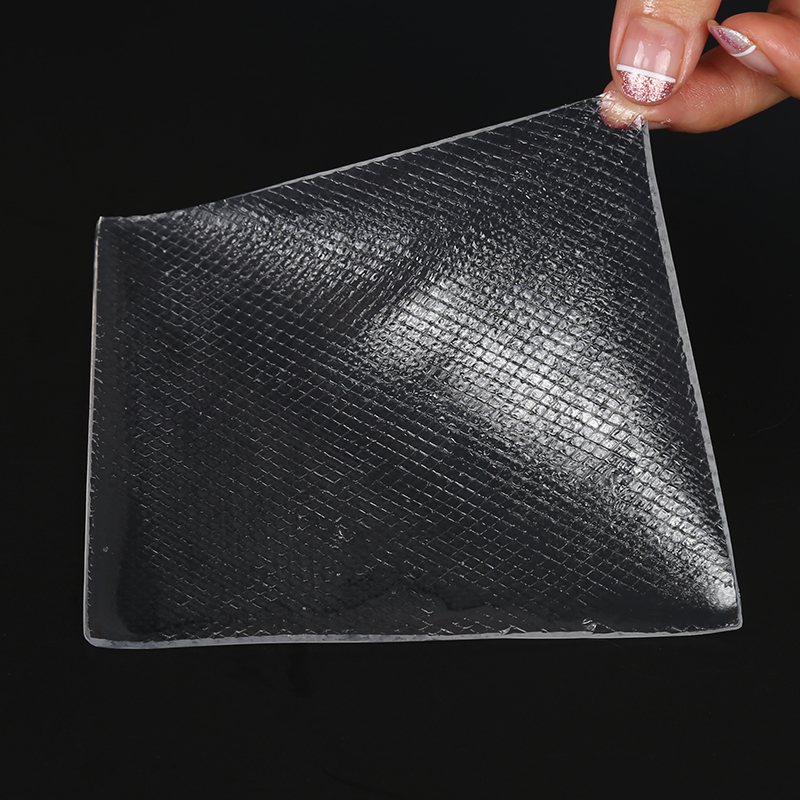
Transparent Silicone Scar Gel Sheet for Effective Silicone Scar Sheets for Body Care
Premium logo transparent silicone scar gel sheet for effective silicone scar sheets for body care — OEM/ODM available, MOQ from 500 units
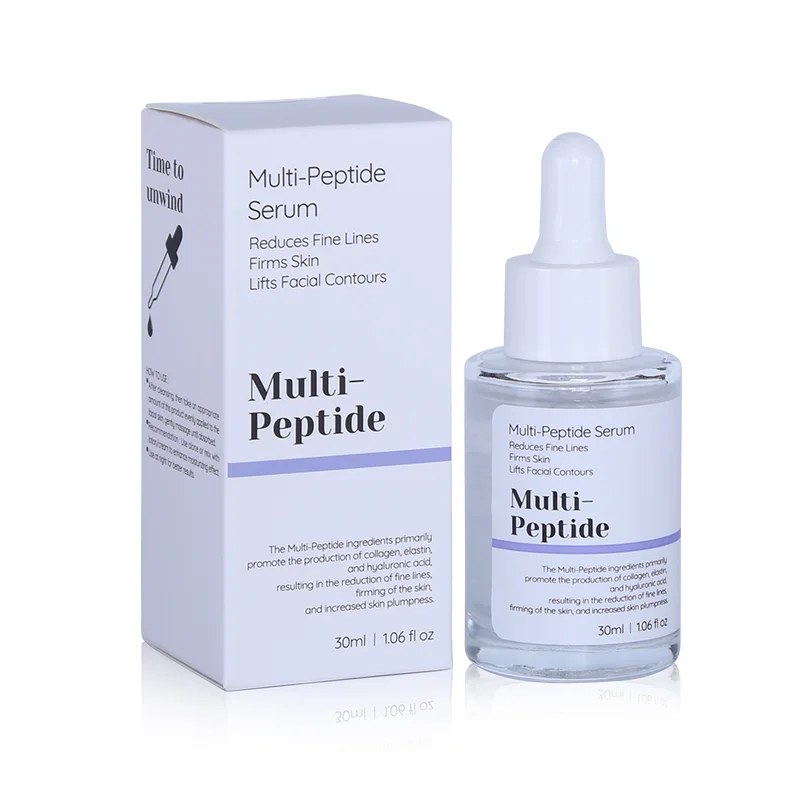
Private Label Multi Peptide Serum
Private label multi peptide serum, 30 ml dropper bottle, 500 bottles MOQ