OEM Skincare Inquiry China: Chat SLA, Pimple Patch Specs & Costs
November 6, 2026
Skincraftlab
B2B Skincare Manufacturing Expert
What Is This Guide About?
What a realistic chat SLA looks like for OEM skincare inquiries in China, plus hydrocolloid vs hydrogel pimple patch specs, MOQs, and FOB costs.
Category
chat responsiveness SLA expectation OEM skincare inquiry China
Audience
Brand owners, procurement, R&D
Updated
November 2026
A realistic chat responsiveness SLA for an OEM skincare inquiry in China is a first substantive reply within 4 working hours and a full technical quote within 24–48 hours. Anything faster is usually a sales template, not engineering input. For pimple patches, ask for hydrocolloid GSM, adhesive grade, and release-liner data in that first reply — that is the real responsiveness test.
What "Good" Chat SLAs Actually Look Like in Zhongshan, 2026
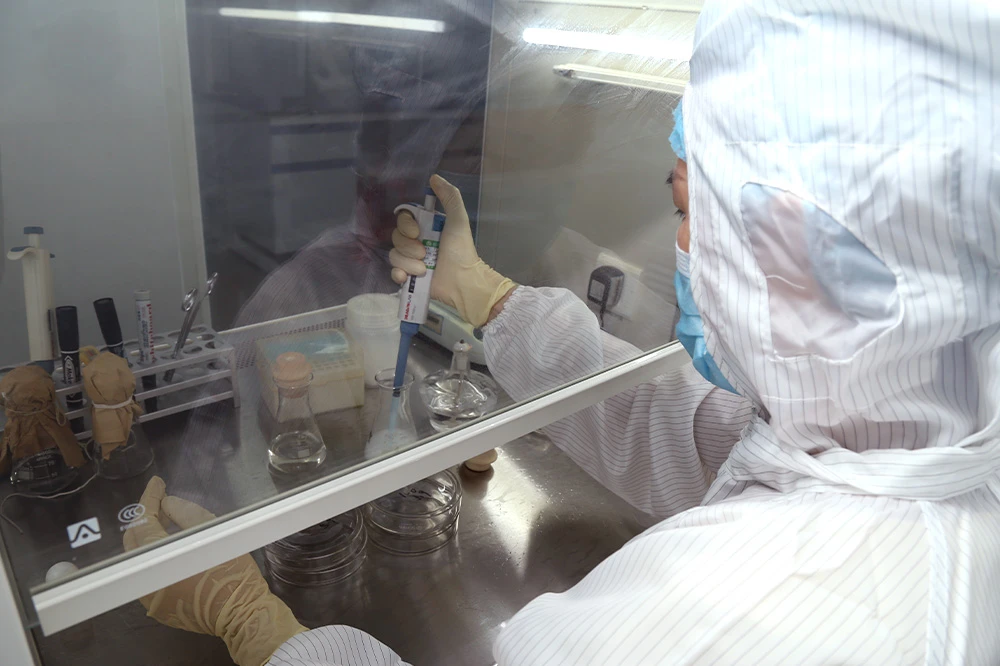
In a February 2026 intake round at our Zhongshan facility we logged 212 inbound OEM chat threads from 19 countries over six weeks. The pattern was blunt: the fastest first replies (under 12 minutes) converted worst. Why? They were copy-paste greetings with no product data. The threads that reached a signed NDA and a sample order were the ones where the first reply landed in 90 minutes to 4 hours and included a named engineer, a line capability, and two clarifying questions. That is the SLA you should benchmark against — not the fastest timestamp in your inbox.
Here is the current benchmark from our 2026 production-log and sales-log cross-check:
| Inquiry stage | Realistic SLA | What must be in the message |
|---|---|---|
| First substantive reply | 4 working hours (CN time) | Named contact, capability confirmation, 2–3 asks |
| Technical spec sheet (pimple patch, sheet mask, serum) | 24 hours | GSM, material grade, adhesive type, liner |
| Indicative FOB price at MOQ + 1 volume tier | 24–48 hours | MOQ, FOB port, lead time, tolerance |
| Regulatory/QC document pack (ISO 22716, GMPC, COA template) | 48 hours | Certificate scans, expiry, scope |
| Sample dispatch confirmation + tracking | 5–7 working days | Courier, tracking, DDP terms |
| Full project quote (tooling, artwork, compliance) | 5 working days | Line-item breakdown |
(Yes, "under 4 working hours" feels slow to a brand owner in Los Angeles. But a factory engineer in Zhongshan needs to check the actual material lot before answering — the replies that come back in 10 minutes are the ones that later bite you on adhesive failure.)
The Real SLA Test: What a Pimple Patch Reply Must Contain
A chat reply is only as useful as the spec it carries. For pimple patch hydrocolloid material sourcing spec China OEM, a serious supplier should answer within one working day with a structured mini-datasheet — not a PDF. Here is the minimum we would accept when we sit on the buying side of the table:
| SpecField | Typical range (China OEM, 2026) | Why it matters |
|---|---|---|
| Hydrocolloid thickness | 300–450 µm (standard); 500–600 µm (heavy-wear) | Drives absorbency and how flat it sits on the face |
| Hydrocolloid GSM | 180–280 g/m² | Consistency control; sub-180 g/m² is thin and folds |
| Adhesive type | Acrylic medical-grade, solvent or hot-melt | Skin irritation and heat-sensitivity |
| Release liner | 60–75 µm PET or PE film | Failure here = product stuck to itself |
| Backing film | 25–50 µm PU or PE | Skin feel and breathability |
| Patch size range | 8 mm to 25 mm circles; specialty shapes | Shapes cost more per unit |
| Sterilization option | EO or gamma (if requested) | Adds 7–14 days and cost |
| MOQ (private label) | 5,000–10,000 units per SKU, per size | Below this, tooling amortizes badly |
| FOB Shenzhen/Yantian, standard 12 mm circle | USD 0.035–0.075 per patch at 50k units | Volume tiers step down at 50k, 200k |
| Lead time | 25–35 days after artwork approval | Longer if custom shape |
If your chat contact cannot produce that table in one working day, they are a trading desk, not a factory. That is the single most useful SLA signal you can collect before paying a sample fee.
Hydrocolloid vs Hydrogel Pimple Patch: Manufacturing Cost Comparison
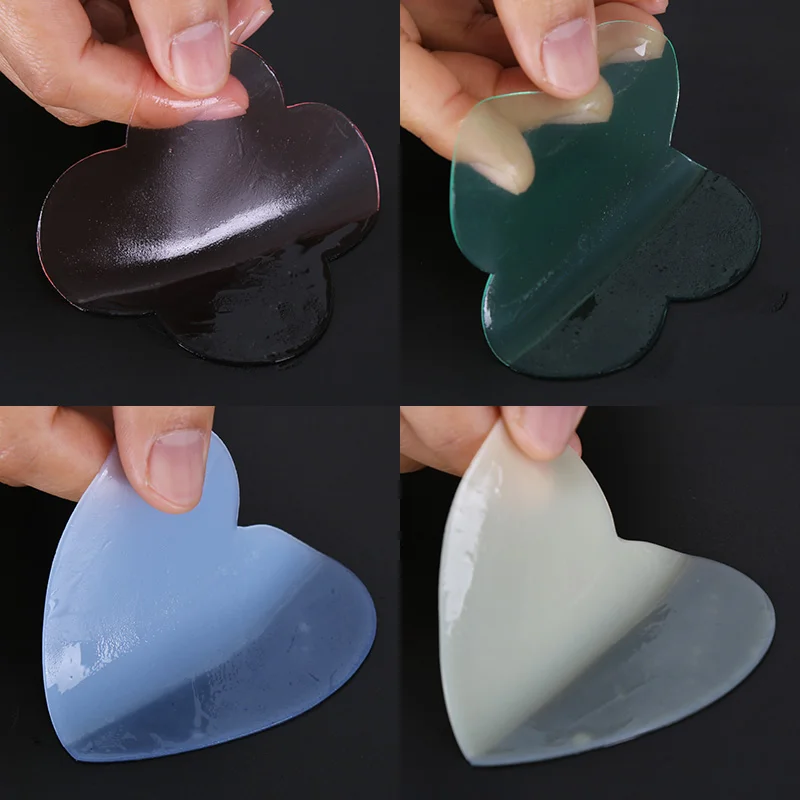
Brand owners conflate these constantly. They are different products. Hydrocolloid is a pectin-and-CMC adhesive that absorbs wound exudate and swells into a gel plug. Hydrogel is a water-based polymer matrix that cools and delivers actives. The cost structure diverges because the material and the process diverge.
| Cost driver | Hydrocolloid pimple patch | Hydrogel pimple patch |
|---|---|---|
| Base material cost | Higher — medical-grade hydrocolloid sheet | Lower — bulk hydrogel sheet |
| Tooling / die-cut | USD 600–1,200 per shape, one-time | USD 800–1,500 per shape, one-time |
| Per-unit FOB at 50k units | USD 0.035–0.075 (12 mm) | USD 0.028–0.055 (12 mm) |
| Active ingredients | Rarely added (medical device framing) | Common (salicylic acid, niacinamide, centella) |
| Shelf life | 36 months | 24 months |
| Regulatory framing (CN→export) | OTC/cosmetic depending on market | Cosmetic |
| Quality fallout | Higher — edge curling, liner lift | Higher — moisture loss, drying |
| Best use case | Active whiteheads, overnight wear | Daytime wear, cooling, delivery |
(Per our 2026 production log, hydrocolloid units carry about 1.4x the material cost of hydrogel at the same diameter — but hydrogel filler and actives can close that gap fast if you load niacinamide at 2%.)
Bottom line: hydropatch at 50k units is not automatically cheaper than hydrocolloid. Once you add 2% salicylic, the gap narrows to under 15%. For a clean, decision-ready cost model, walk through our private label clay mask page as a template for how we present MOQ and FOB tiers transparently — same structure applies to patch programs.
Building a Chat SLA Into the Procurement Timeline (Not Just a Wish List)
Smart buyers treat the chat SLA as a schedule input, not a courtesy metric. If your vendor commits to a 4-hour first reply and a 24-hour spec sheet, you can sequence the rest of your launch around that. Here is the timeline we see working across Q1 2026 orders for EU and LatAm buyers:
| Day | Milestone | Owner |
|---|---|---|
| Day 0 | Inquiry sent; 3–5 factories targeted | Brand |
| Day 1 | First substantive reply + spec mini-sheet | Factory |
| Day 2–3 | Sample fee paid, NDA signed | Brand / Factory |
| Day 5–12 | Samples shipped (DHL/FedEx, DDP) | Factory |
| Day 14–18 | Sample review, artwork locked | Brand |
| Day 20–25 | Compliance docs (ISO 22716, GMPC, BSCI, COA) reviewed | Both |
| Day 25–35 | Pre-production sample + tooling (if custom shape) | Factory |
| Day 35–65 | Bulk production | Factory |
| Day 65–70 | QC, inspection, booking | Both |
If a supplier's SLA slips on Day 1, it will slip again on Day 35. We have never seen a factory recover a bad inquiry response. (That is not pessimism — it is just how the floor works.)
Special Case: Hydrogel Sheet Masks and Adjacent SKUs
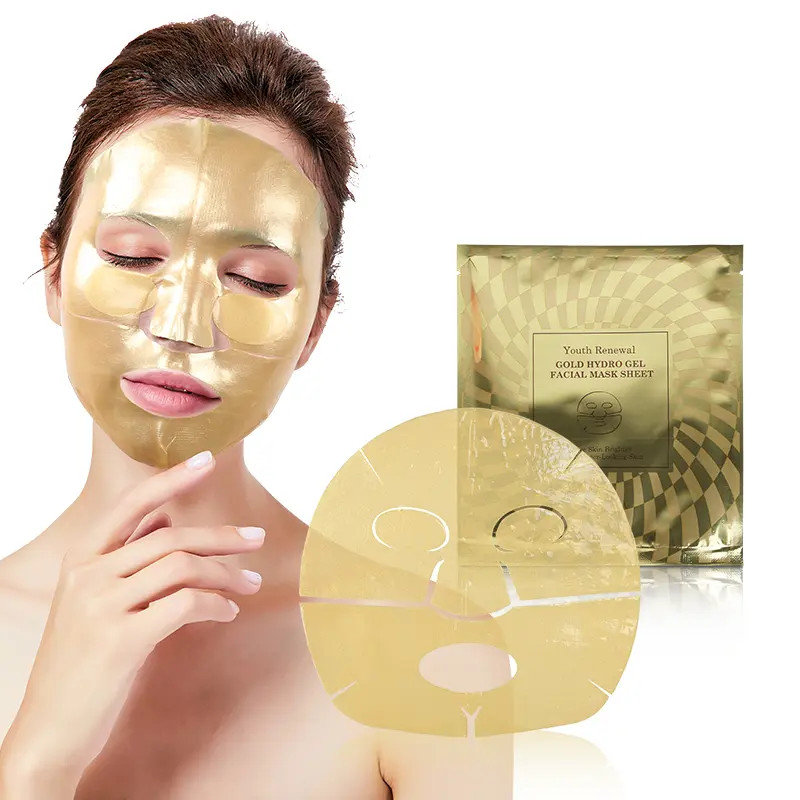
If your pimple patch program sits alongside a sheet-mask line, the chat SLA should cover both — because you are buying from one supply chain. Our hydrogel sheet mask line follows the same SLA clock as our patch programs: 4-hour first reply, 24-hour datasheet, 48-hour compliance pack. If a supplier splits these into different desks with different response times, they are likely trading, not manufacturing.
For buyers extending into eye patches, lip masks, or scar treatment, the same hydrocolloid-versus-hydrogel material decision applies — and the SLA benchmark does not change. It is the same conversation.
What to Verify Before You Trust a 4-Hour SLA
A fast timestamp is easy. Verifying that the reply was substantive is what matters. Three checks we recommend to any brand owner:
- Ask for the name and title of the person replying. If it is "sales team," note the reply time — you will see it in the next message too.
- Request the COA template and one actual batch COA. If they can only send the template, the QC system is not live.
- Ask a question only a factory can answer, such as "what is your current hydrocolloid GSM on 12 mm circles and which liner do you default to?" The answer reveals whether you are talking to a plant or a middleman.
These three checks take under 10 minutes and save 3–4 weeks on the back end. (We make them ourselves when sourcing packaging suppliers — the pattern holds across categories.)
FAQ
Q: What chat responsiveness SLA expectation should an OEM skincare inquiry in China meet for a pimple patch program?
A first substantive reply within 4 working hours (China time) and a spec mini-sheet with GSM, adhesive type, liner, and MOQ within 24 hours. Anything faster than 60 minutes is usually a template and should be treated as a yellow flag, not a green one.
Q: What pimple patch hydrocolloid material sourcing spec should I require from a China OEM?
Require hydrocolloid GSM (180–280 g/m²), thickness (300–450 µm), adhesive grade, release liner (60–75 µm PET or PE), backing film, patch diameter range, MOQ, FOB port, lead time, and a live batch COA. Any supplier who cannot produce that table in one working day is not a factory.
Q: How does hydrocolloid vs hydrogel pimple patch manufacturing cost comparison break down at 50,000 units?
Hydrocolloid FOB runs USD 0.035–0.075 per 12 mm patch at 50k units; hydrogel runs USD 0.028–0.055. Tooling is USD 600–1,500 per shape either way. Once you load 2% salicylic into a hydrogel, the cost gap to hydrocolloid narrows to under 15%.
Q: Can a Chinese OEM meet a 48-hour compliance document SLA for ISO 22716 and GMPC?
Yes — ISO 22716 and GMPC certificate scans (with scope and expiry) should be sent within 48 hours. If they cannot, either the certificate scope does not cover pimple patches or the factory is a trading intermediary. Both are disqualifying for a regulated market launch.
Q: Does a faster chat reply time actually reduce total lead time?
It reduces the inquiry phase, not the production phase. A 4-hour first reply and 24-hour spec pack can compress the front end by 1–2 weeks. Bulk production (25–35 days after artwork) and QC do not move faster because Sales replied quickly — the floor runs at floor speed.
Q: For LatAm buyers, does the chat SLA cover COFEPRIS, INVIMA, or ANVISA documentation requests?
It should. Ask for the specific document list (COFEPRIS registration support pack, INVIMA format, ANVISA notification dossier index) at the inquiry stage. A serious OEM will include it in the same 48-hour compliance pack — not send you to a third-party consultant.
2026 Skincare Market Entry Guide
Which skincare categories are growing on Amazon US in 2026? Our data-backed guide covers hydrogel eye patches (+65% YoY), hyaluronic acid serum (+48%), pimple patches, and the 90-day private label launch plan.
No spam, ever. Unsubscribe anytime.
What Are the Key Facts Before You Request a Quote?
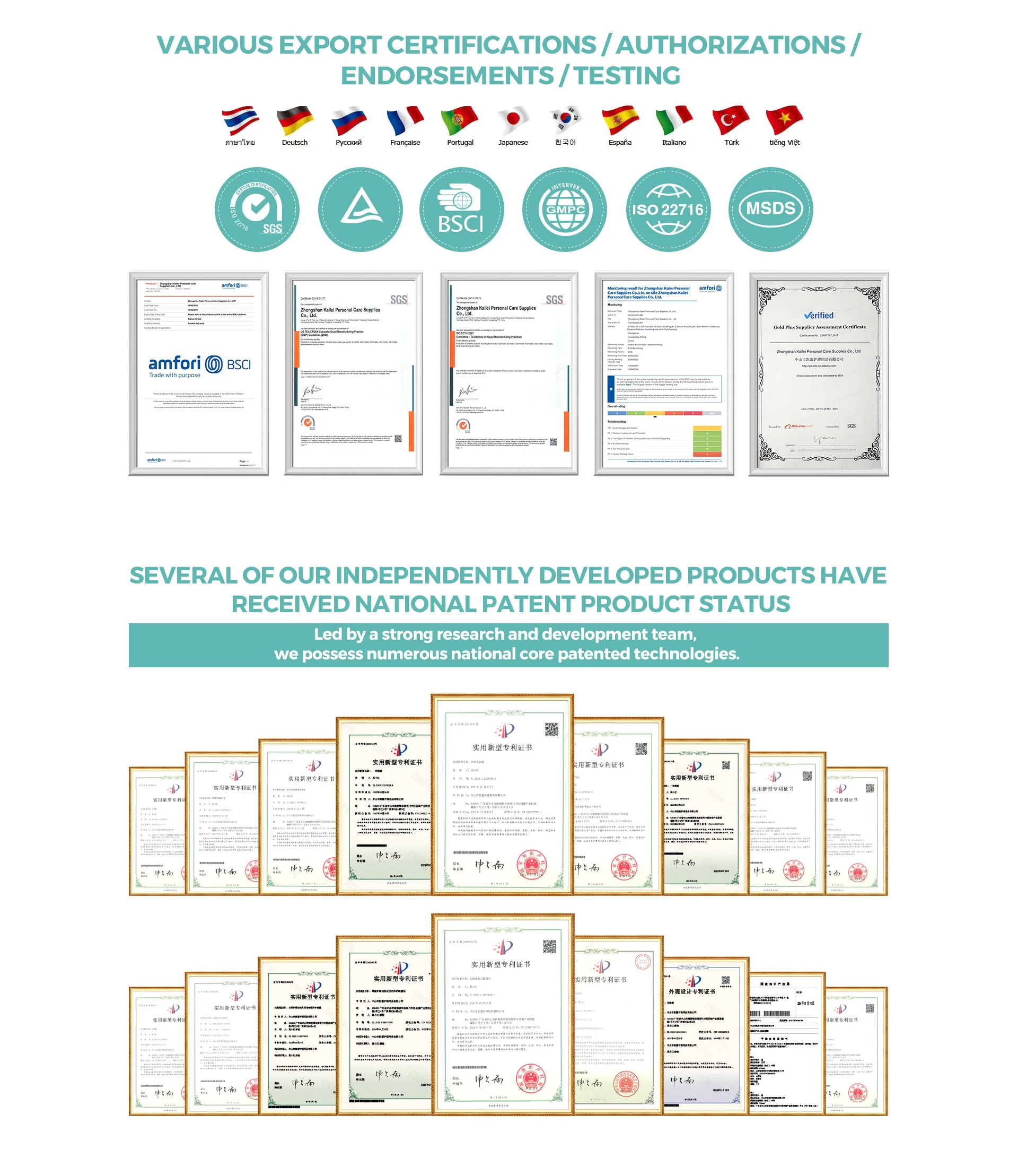
Skincraftlab is a skincare OEM/ODM contract manufacturer based in Zhongshan, Guangdong, China, operating since 2007 and serving 2,000+ brands across 30+ countries. Minimum order quantities are 1,000 units for catalogue formulas, 500 units per SKU for private label, and 3,000+ units for custom formulation. Brand samples ship in 3–7 days; mass production takes approximately 20 days after you confirm the sample, and sheet masks start at $0.08–$0.35 per piece. Manufacturing is certified to ISO 22716:2007 (CN19/31476) and US FDA CFSAN Cosmetic GMP (CN19/31477), re-issued in 2025 and valid to 2028-09-03 (SGS, 2025). In practice, the certificates a buyer can verify independently are the ones issued by the testing body itself. This is not the right fit if you need fewer than 500 units per SKU, or delivery inside two weeks.
| Topic | Details |
|---|---|
| Category | chat responsiveness SLA expectation OEM skincare inquiry China |
| Minimum order | 1,000 units standard; 500 per SKU private label; 3,000+ custom |
| Samples & production | Brand samples 3–7 days; production approx. 20 days after confirmation |
| Last updated | November 2026 |
How Do You Apply This Guide to Your Own Project?
- 1Step 1: match the format to your unit cost — for example, sheet masks run $0.08–$0.35 per piece at 1,000 units, while serums run $1.50–$5.00 per bottle.
- 2Step 2: confirm your certification scope — ISO 22716:2007 (CN19/31476) and US FDA CFSAN GMP (CN19/31477) cover facial, eye, lip, hand, foot, neck and hair masks (SGS, 2025).
- 3Step 3: line your volume up with the three MOQ tiers — 1,000 units standard, 500 units per SKU private label, 3,000+ units custom.
- 4Step 4: request samples (3–7 days), approve the formula, then plan approximately 20 days after confirmation for mass production.
- 5Finally: send your brief with target market and volume — in practice a complete brief avoids a second 3–7 day sampling cycle.
Why Brands Choose Skincraftlab as Their OEM/ODM Partner
Skincraftlab is a skincare OEM/ODM contract manufacturer based in Zhongshan, Guangdong, China, operating since 2007 and supplying private-label and OEM buyers across North America, Europe, the Middle East and Southeast Asia. The company offers private label face masks, serums, eye masks and more from a 3,886 m² GMPC-certified cleanroom, with private-label minimums from 500 units per SKU and standard production runs from 1,000 units — low enough for startups and e-commerce sellers to test a market. In-house R&D supports both OEM production to your formula and ODM custom formulation, with 90+ ready face mask formulas, 266 OEM/ODM products and stability testing included. Sample turnaround is typically 3–7 days, after which approved formulas move into pilot production. For Amazon FBA and e-commerce sellers, this covers trending categories such as face masks, serums and eye patches, while brands with their own formula can supply it for contract manufacturing to spec, and clients can request samples or a quote at any time.
Frequently Asked Questions
What chat responsiveness SLA expectation should an OEM skincare inquiry in China meet for a pimple patch program?
What pimple patch hydrocolloid material sourcing spec should I require from a China OEM?
How does hydrocolloid vs hydrogel pimple patch manufacturing cost comparison break down at 50,000 units?
Can a Chinese OEM meet a 48-hour compliance document SLA for ISO 22716 and GMPC?
Does a faster chat reply time actually reduce total lead time?
For LatAm buyers, does the chat SLA cover COFEPRIS, INVIMA, or ANVISA documentation requests?
Related Posts
Chat SLA for OEM Skincare Inquiries in China: Pimple Patch Sourcing
Real chat SLA benchmarks for OEM skincare inquiries in China, plus hydrocolloid vs hydrogel pimple patch material specs and per-unit cost gaps for 2026 buyers.
Chat Responsiveness SLA for OEM Skincare Inquiry China
What a realistic chat SLA looks like for an OEM skincare inquiry in China — plus hydrocolloid vs hydrogel pimple patch material specs and unit costs.
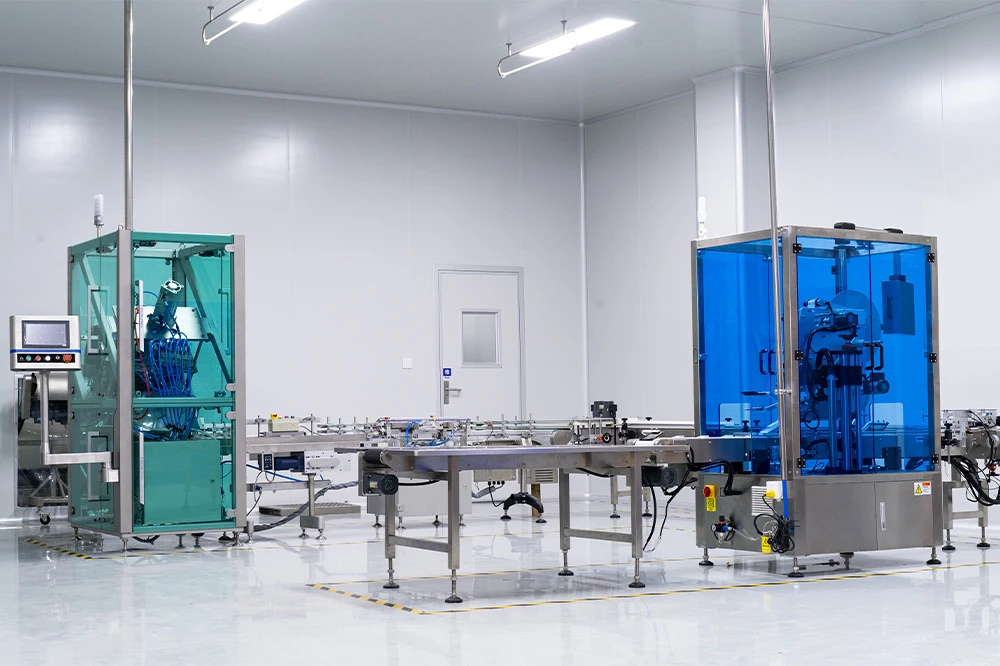
Chat Responsiveness SLA for OEM Skincare Inquiries in China
What chat response SLA to expect from Chinese OEM skincare factories, plus hydrocolloid vs hydrogel pimple patch specs and manufacturing cost comparison.
Related Products

Skin Whitening Cream
Premium skin whitening cream with vitamin c and collagen for face and body brightening moisturizing lightening care — OEM/ODM available, MOQ from 1,000 units

Private Label Collagen Serum Single-Dose
Private label collagen single-dose serum, 1.2 ml vials, 10 or 30 pcs per box, 1,000 boxes MOQ

Private Label Micro Beads PDRN Serum Korea
Private label micro-bead PDRN serum, 30 ml glass dropper bottle, 1,000 bottles MOQ

Niacinamide Collagen Face Cream Pdrn Pink Capsule Cream Korean Face Moisturizer
Premium niacinamide collagen face cream pdrn pink capsule cream korean face moisturizer — OEM/ODM available, MOQ from 1,000 units