Serum vs Toner: Pilot Hydrogel Collagen Eye Patch MOQ 3000 & FOB
November 20, 2026
Skincraftlab
B2B Skincare Manufacturing Expert
What Is This Guide About?
Procurement-grade breakdown of serum vs toner specs, plus a 3,000-unit hydrogel collagen under-eye patch pilot: FOB price ranges, MOQ, and argan vs jojoba sourcing.
Category
serum vs toner
Audience
Brand owners, procurement, R&D
Updated
November 2026
Serum vs toner: a serum is a concentrated active delivery vehicle (typically 0.5–2% active load, 15–30 ml), while a toner is a low-viscosity aqueous prep (0.1–0.5% actives, 100–200 ml) used for pH balancing and hydration. For a 3,000-unit hydrogel collagen under-eye patch pilot in China, expect FOB USD 0.28–0.62 per pair (0.18–0.42 per single patch), 25–35 day lead time, and 30% deposit. Argan oil runs lighter and faster-absorbing; jojoba is a wax ester with a 12–24 month shelf stability edge.
Key Stats: Pilot Batch Snapshot (Skincraftlab 2026 production log)
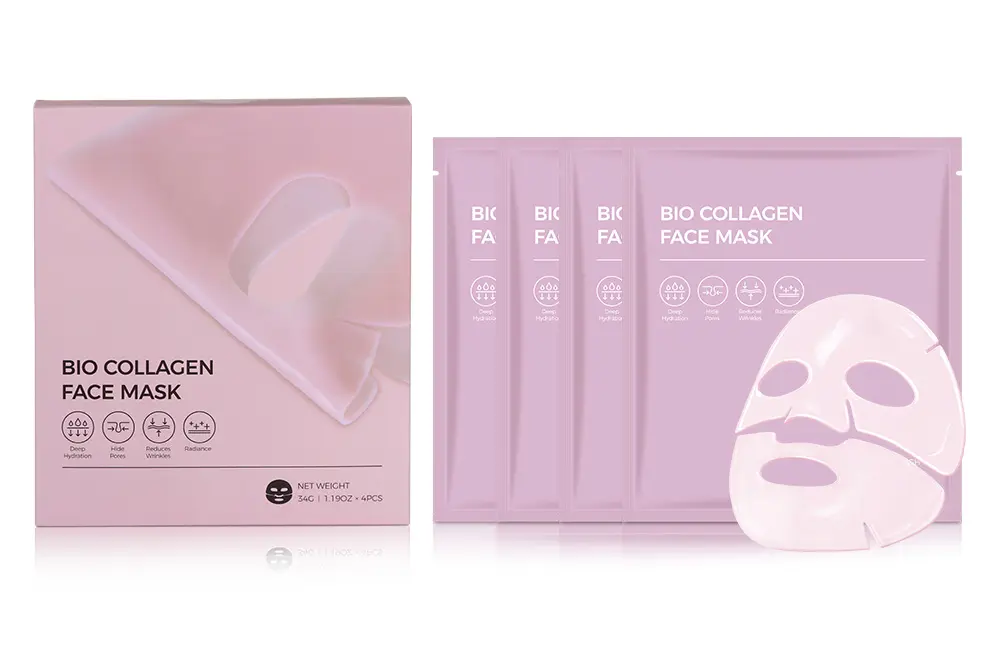
| Parameter | Typical range | Notes |
|---|---|---|
| Hydrogel eye patch MOQ (pilot) | 3,000 pairs | 1,500 pairs minimum on 3 SKUs |
| FOB unit price (pilot, 3,000) | USD 0.28–0.62/pair | Silver or gold glitter +0.04–0.09 |
| Tooling / plate charge | USD 180–450 one-time | Waived above 30,000 units annual |
| Lead time | 25–35 days | 7 days faster with stock film |
| Stability + micro test | USD 380–640 | 3-month accelerated |
| Deposit | 30% T/T | Balance against B/L copy |
| Serum active load | 0.5–2.0% | Toner: 0.1–0.5% |
| Argan vs jojoba cost delta | Jojoba +8–14% | Per kg, 2026 |
Those numbers come from three Q1–Q2 2026 pilot runs we filled at the Zhongshan line — one Canadian DTC brand, two LatAm distributors. Same question every time: "Is this a serum or a toner, and what does 3,000 patches actually cost?"
Serum vs Toner: The Spec Difference That Changes Your BOM
The serum vs toner distinction is not marketing — it changes your formula cost, your filling line, and your claims. A serum carries the active (niacinamide, hyaluronic acid, peptide, caffeine) at 0.5–2.0%. A toner carries it at 0.1–0.5% and mostly sells water, humectant, and pH adjuster.
Concretely, per our 2026 cost sheet:
| Line item | Toner (200 ml) | Serum (30 ml) |
|---|---|---|
| Bulk cost per kg | USD 2.80–5.40 | USD 9.50–28.00 |
| Fill cost per unit | USD 0.06 | USD 0.11 |
| Bottle + cap | USD 0.14–0.22 | USD 0.28–0.55 |
| Stability test | USD 320 | USD 380–640 |
| Claims ceiling | Hydration, pH | Actives, efficacy |
Read that table twice. The serum is where the margin lives — and where the testing bill lives. (Buyers who quote a serum at toner cost always come back asking why the COA shows 0.4% active.)
If your pilot is a hydrogel eye patch, the "serum" you're loading is the hydrogel matrix itself — the patch is a serum delivery format. Glycerin, sodium polyacrylate, collagen, and caffeine sit in the polymer gel. The active load matters because it drives the clinical claim, and the claim drives your regulatory filing.
For the patch format specifically, see our hydrogel sheet mask line and private label clay mask for adjacent SKU bundling.
Under-Eye Hydrogel Collagen Patch Pilot: MOQ 3000, FOB Price, and What Actually Ships
Let's dissect the target keyword: under-eye hydrogel collagen patch, pilot batch, MOQ 3000, FOB price, China. Here's what each term means on our floor.
MOQ 3000. Pilot MOQ for hydrogel eye patches at Skincraftlab is 3,000 pairs — 1,500 pairs if you split across 3 SKUs (e.g., caffeine, collagen, retinol variants). Below 3,000, the die-cut plate setup eats the margin. We've run 2,000-pair runs for repeat buyers; first-time buyers, no.
FOB price. For 3,000 pairs of standard hydrogel collagen under-eye patches, FOB Shenzhen or Guangzhou:
| Configuration | FOB per pair | FOB per patch |
|---|---|---|
| Standard, plain pouch | USD 0.28–0.34 | USD 0.18–0.22 |
| Printed pouch, 4-color | USD 0.33–0.42 | USD 0.22–0.28 |
| Glitter or gold flake | USD 0.38–0.48 | USD 0.26–0.32 |
| Cooling / menthol variant | USD 0.40–0.52 | USD 0.28–0.35 |
| Bio-cellulose upgrade | USD 0.52–0.62 | USD 0.36–0.42 |
These are pilot prices — 3,000 units. At 30,000 pairs, deduct 18–26%. At 100,000 pairs, deduct 30–38%. That's not a sales tactic; it's the plate amortization plus film roll economy.
Lead time. 25–35 days from PO + deposit + artwork approval. The 10-day swing comes down to whether you accept a stock film (silver, 25 days) or a custom-color film (35 days). Most buyers pick silver. It photographs fine.
Testing. Per batch, you'll want: stability (3-month accelerated, USD 380–640), micro (USD 120–180), and heavy metals (USD 90–150). Total around USD 590–970 per SKU. Budget it into the pilot — do not retro-fit it after the first container lands.
For buyers running a full under-eye category, our hydrogel sheet mask page covers the eye patch, lip mask, neck mask, and acne patch formats from one tooling setup.
Argan Oil vs Jojoba Oil: Which Carrier Goes in Your Serum Base
The argan oil vs jojoba oil question lands in our inbox weekly — usually from a buyer building a "clean" eye serum or an oil-phase addition to the hydrogel. Here's the factory read.
| Property | Argan oil | Jojoba oil |
|---|---|---|
| Chemistry | Triglyceride, ~80% oleic + linoleic | Wax ester (liquid wax) |
| Oxidative stability | 12–18 months | 18–24 months |
| Feel | Medium, slightly rich | Light, dry-touch |
| Comedogenicity | 0 | 0–2 |
| Cost per kg (2026, FOB China) | USD 18–34 | USD 22–38 |
| Origin (typical) | Morocco | Israel, Peru, Argentina |
| Best for | Rich eye cream, anti-aging | Light serum, oily-skin-safe |
Jojoba runs 8–14% higher per kg in 2026 — a slightly narrower gap than two years ago. Argan oxidizes faster; if your shelf life claim is 24 months, jojoba is the safer pick. If your claim is "nourishing," argan carries the story better.
Both are available as certified organic (COSMOS, USDA NOP) at +22–35% cost. For an under-eye patch, neither oil belongs in the hydrogel matrix itself — the oil phase breaks the polymer gel. Instead, they go in the eye cream or serum bottle that bundles with the patch.
What to Put in the RFQ (So the Quote Comes Back Clean)
Most pilot RFQs we get are one page of ambition and zero numbers. Here's the 8-line version that gets a usable quote back in 2 business days:
- Format: hydrogel eye patch, standard or bio-cellulose
- Quantity: 3,000 pairs (state the SKU split if any)
- Pouch: stock or custom print (send artwork if custom)
- Active load: name the actives and target %
- Testing: standard (stability + micro + heavy metals) or full
- Destination: FOB or CIF, and the port
- Regulatory market: EU (CPSR + ISO 22716), US (FDA MoCRA), LatAm (COFEPRIS/INVIMA/ANVISA), or Gulf (SFDA)
- Timeline: PO date and shelf-set date
That last one matters more than buyers think. A pilot that lands 3 weeks late misses the retail window entirely. (We've watched it happen; the buyer eats the air freight cost.)
FAQ
Q: What is the under-eye hydrogel collagen patch pilot batch MOQ 3000 FOB price in China for a first order?
For a first pilot of 3,000 pairs of standard hydrogel collagen under-eye patches, FOB Shenzhen or Guangzhou runs USD 0.28–0.34 per pair (USD 0.18–0.22 per single patch). Printed pouch adds USD 0.05–0.08 per pair; bio-cellulose upgrade pushes it to USD 0.52–0.62 per pair. Lead time 25–35 days. A 3,000-unit pilot is the smallest economic run we quote at Skincraftlab without a plate-setup surcharge.
Q: Serum vs toner — which should come first in a new skincare brand launch?
Serum first. A 30 ml serum at USD 0.28–0.55 packaging cost supports a retail price 3–6x higher than a 200 ml toner at USD 0.14–0.22 packaging, and the active claims (niacinamide, HA, peptide) drive the clinical story. Toners are a good second SKU once you have a serum anchor and a repeat-buyer base.
Q: Argan oil vs jojoba oil — which is better for a private-label eye cream?
Jojoba is the safer OEM pick for a 24-month shelf life because the wax ester resists oxidation (18–24 months vs argan's 12–18 months). Argan delivers a richer feel and better "nourishing" narrative. Cost delta is only 8–14% per kg in 2026, so the decision is about claim and shelf life, not price.
Q: What certifications should I ask for on a hydrogel eye patch pilot from China?
ISO 22716 (GMP for cosmetics), GMPC where relevant, and a batch-specific COA with heavy metals. For EU, request the CPSR; for the US, MoCRA registration; for LatAm, COFEPRIS (Mexico), INVIMA (Colombia), or ANVISA (Brazil) documentation. Skincraftlab is GMP-certified and ISO 22716-aligned, with BSCI audit history on request.
Q: Can I split a 3,000-pair pilot across multiple patch variants?
Yes — we accept 1,500 pairs minimum per SKU, so a 3,000-pair pilot can carry two variants (e.g., caffeine and collagen). Three variants require 4,500 pairs total. This is a plate and film-roll economy rule, not a negotiation lever.
Q: Where can I see the eye patch format and adjacent SKUs before quoting?
See our hydrogel sheet mask page for the eye patch, lip mask, neck mask, and acne patch formats — same tooling base. For bundled SKU strategy with a clay or mud mask, see private label clay mask.
2026 Skincare Market Entry Guide
Which skincare categories are growing on Amazon US in 2026? Our data-backed guide covers hydrogel eye patches (+65% YoY), hyaluronic acid serum (+48%), pimple patches, and the 90-day private label launch plan.
No spam, ever. Unsubscribe anytime.
What Are the Key Facts Before You Request a Quote?
Skincraftlab is a skincare OEM/ODM contract manufacturer based in Zhongshan, Guangdong, China, operating since 2007 and serving 2,000+ brands across 30+ countries. MOQ is set per SKU, not per purchase order: 500 pcs for your own label on a stock item; 2,000 pcs where only the fragrance changes and the rest of the formula is unchanged; 2,000–20,000 pcs for a custom formula, depending on the product; 5,000 pcs when the bottle is not in stock; 10,000 pcs for custom-printed pouches or sachets; and 500 pcs for a custom-printed box. Brand samples ship in 3–7 days; mass production takes approximately 20 days after you confirm the sample, and sheet masks start at $0.08–$0.35 per piece. Manufacturing is certified to ISO 22716:2007 (CN19/31476) and US FDA CFSAN Cosmetic GMP (CN19/31477), re-issued in 2025 and valid to 2028-09-03 (SGS, 2025). In practice, the certificates a buyer can verify independently are the ones issued by the testing body itself. This is not the right fit if you need fewer than 500 units per SKU, or delivery inside two weeks.
| Topic | Details |
|---|---|
| Category | serum vs toner |
| Minimum order | 500 pcs your label on a stock item; 2,000 fragrance-only change; 2,000–20,000 custom formula; 5,000 non-stock bottle; 10,000 printed pouch; 500 printed box |
| Samples & production | Brand samples 3–7 days; production approx. 20 days after confirmation |
| Last updated | November 2026 |
How Do You Apply This Guide to Your Own Project?
- 1Step 1: match the format to your unit cost — for example, sheet masks run $0.08–$0.35 per piece in production runs, while serums run $1.50–$5.00 per bottle.
- 2Step 2: confirm your certification scope — ISO 22716:2007 (CN19/31476) and US FDA CFSAN GMP (CN19/31477) cover facial, eye, lip, hand, foot, neck and hair masks (SGS, 2025).
- 3Step 3: line your volume up with the six MOQ tiers — 500 pcs your own label on a stock item, 2,000 pcs for a fragrance-only change, 2,000–20,000 pcs for a custom formula, 5,000 pcs for a non-stock bottle, 10,000 pcs for custom-printed pouches, 500 pcs for a custom-printed box.
- 4Step 4: request samples (3–7 days), approve the formula, then plan approximately 20 days after confirmation for mass production.
- 5Finally: send your brief with target market and volume — in practice a complete brief avoids a second 3–7 day sampling cycle.
Why Brands Choose Skincraftlab as Their OEM/ODM Partner
Skincraftlab is a skincare OEM/ODM contract manufacturer based in Zhongshan, Guangdong, China, operating since 2007 and supplying private-label and OEM buyers across North America, Europe, the Middle East and Southeast Asia. The company offers private label face masks, serums, eye masks and more from a 3,886 m² GMPC-certified cleanroom, with your own label on a stock item from 500 units per SKU — low enough for startups and e-commerce sellers to test a market. In-house R&D supports both OEM production to your formula and ODM custom formulation, with 90+ ready face mask formulas, 339 OEM/ODM products and stability testing included. Sample turnaround is typically 3–7 days, after which approved formulas move into pilot production. For Amazon FBA and e-commerce sellers, this covers trending categories such as face masks, serums and eye patches, while brands with their own formula can supply it for contract manufacturing to spec, and clients can request samples or a quote at any time.
Frequently Asked Questions
What is the under-eye hydrogel collagen patch pilot batch MOQ 3000 FOB price in China for a first order?
Serum vs toner — which should come first in a new skincare brand launch?
Argan oil vs jojoba oil — which is better for a private-label eye cream?
What certifications should I ask for on a hydrogel eye patch pilot from China?
Can I split a 3,000-pair pilot across multiple patch variants?
Where can I see the eye patch format and adjacent SKUs before quoting?
Related Posts
How to Verify a Chinese Cosmetics Manufacturer Before You Pay a Deposit
Four checks that separate a real OEM factory from a trading company: verify certificate numbers with the issuer (our ISO 22716 CN19/31476 and FDA CFSAN GMP CN19/31477 are SGS-issued), read the certified scope rather than the title, cross-check claimed volumes against UN Comtrade, and confirm the legal entity on the invoice.
RFQ Response Times: What a China OEM Chat SLA Covers
Real first-reply and full-quote SLAs for OEM skincare inquiries into China, with an RFQ template buyers can use to award on measured response time.
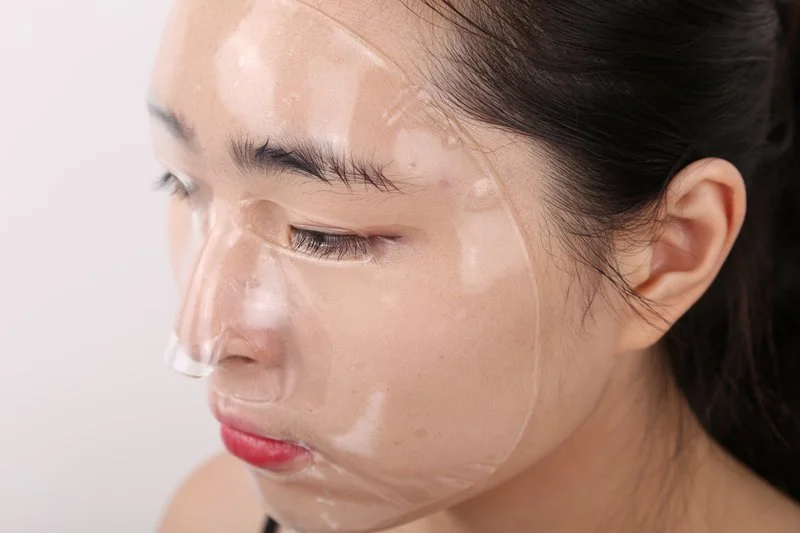
Bio-Collagen Absorbable Mask Electrospinning OEM: 2,000-Unit Pilot
Electrospun bio-collagen absorbable mask OEM feasibility in China: pilot batch 2,000 units, tooling cost, timeline, and eye pad FOB pricing at 10,000 pairs.
Related Products
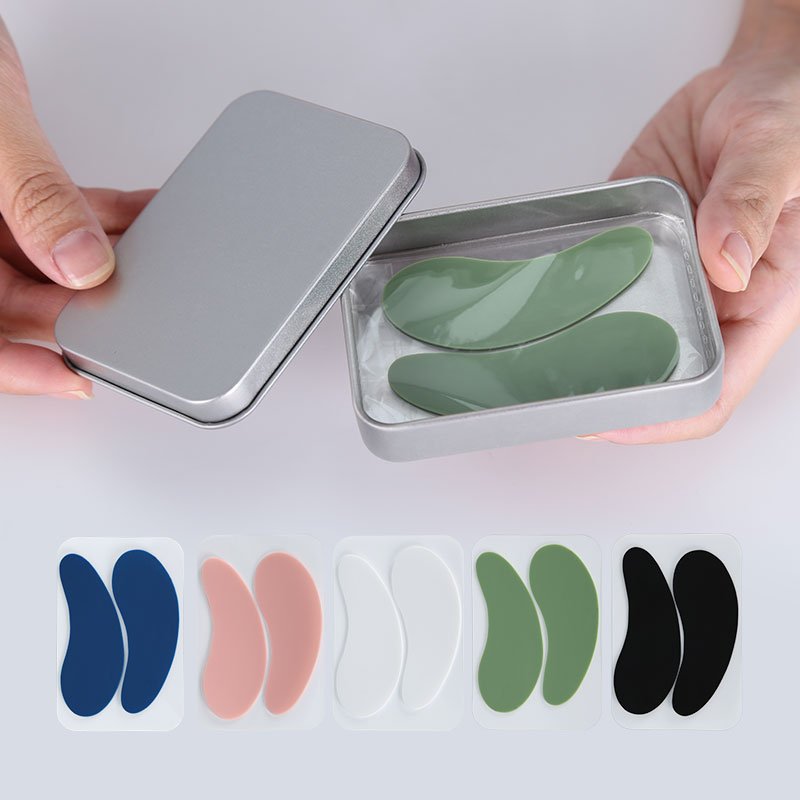
Silicone Puffy Collagen Korean Eye Patches Reusable Under Eye Sheet Masks Pads
Premium logo silicone puffy collagen korean eye patches reusable under eye sheet masks pads — OEM/ODM available, MOQ from 500 units
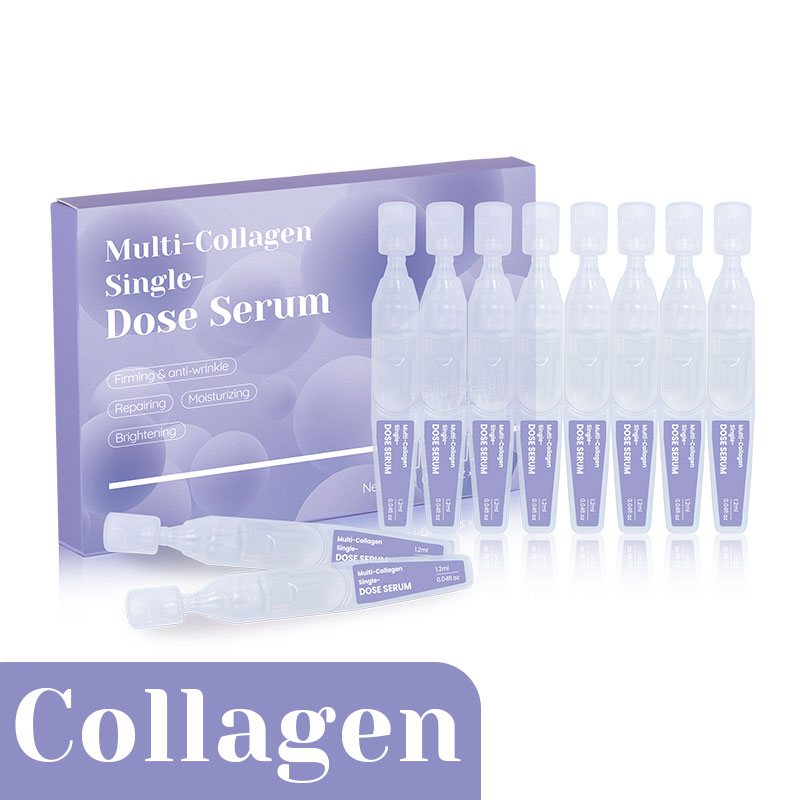
Collagen Single Dose Korean Skincare Hyaluronic Acid Instant Face Lift Serum Alpha Arbut
Premium cosmetics collagen single dose korean skincare hyaluronic acid instant face lift serum alpha arbut — OEM/ODM available, MOQ from 500 units
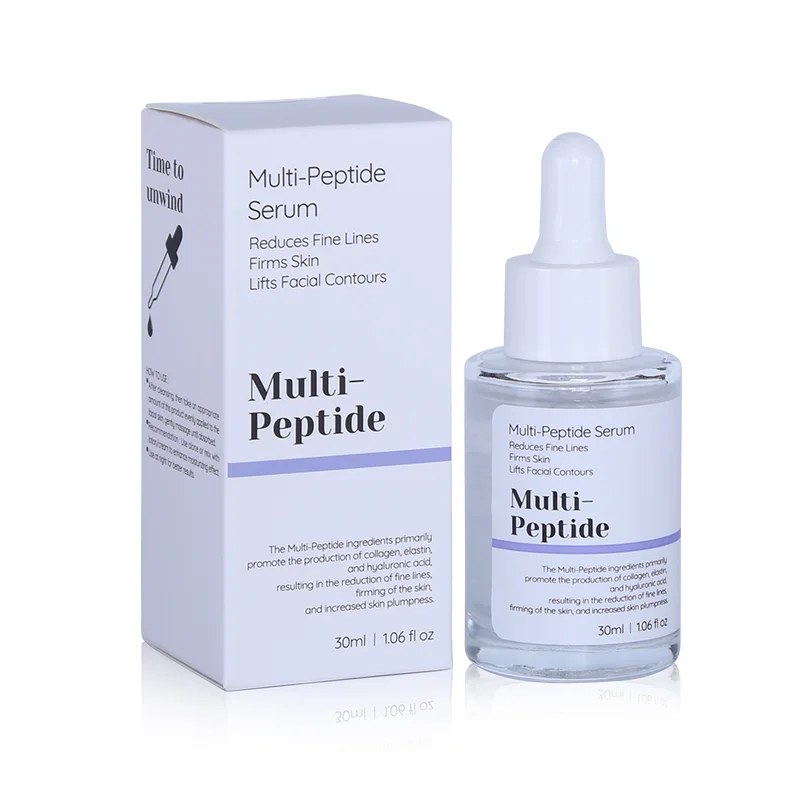
Private Label Multi Peptide Serum
Private label multi peptide serum, 30 ml dropper bottle, 500 bottles MOQ
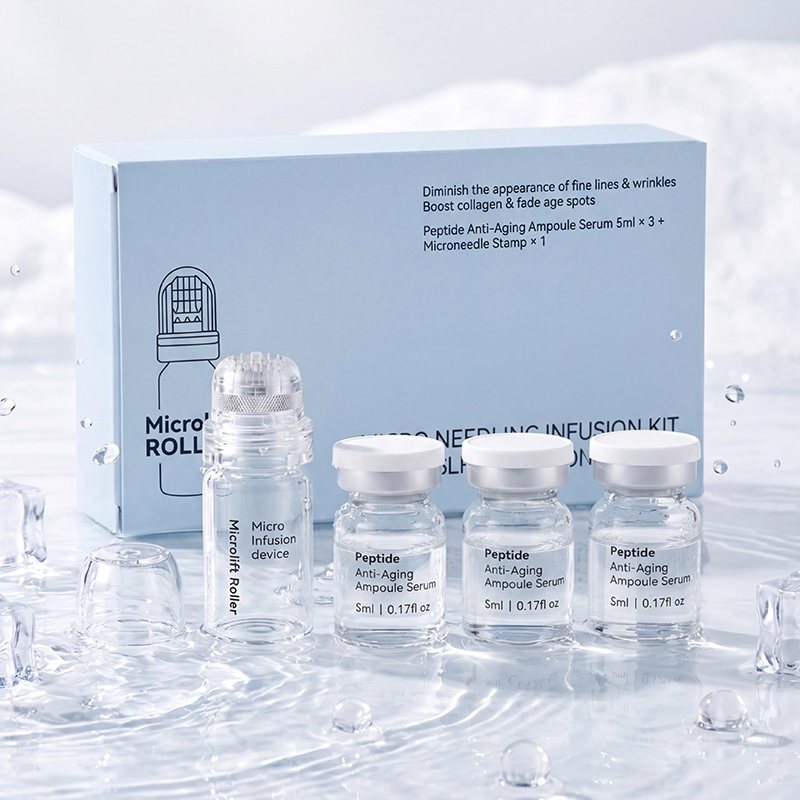
Niacinamide Peptide Anti-Aging Microlitre Serum Hydrolyzed Collagen Microlitre Kit
Premium niacinamide peptide anti-aging microlitre serum hydrolyzed collagen microlitre kit — OEM/ODM available, MOQ from 500 units