Chat Responsiveness SLA Expectation OEM Skincare Inquiry China
October 28, 2026
Skincraftlab
B2B Skincare Manufacturing Expert
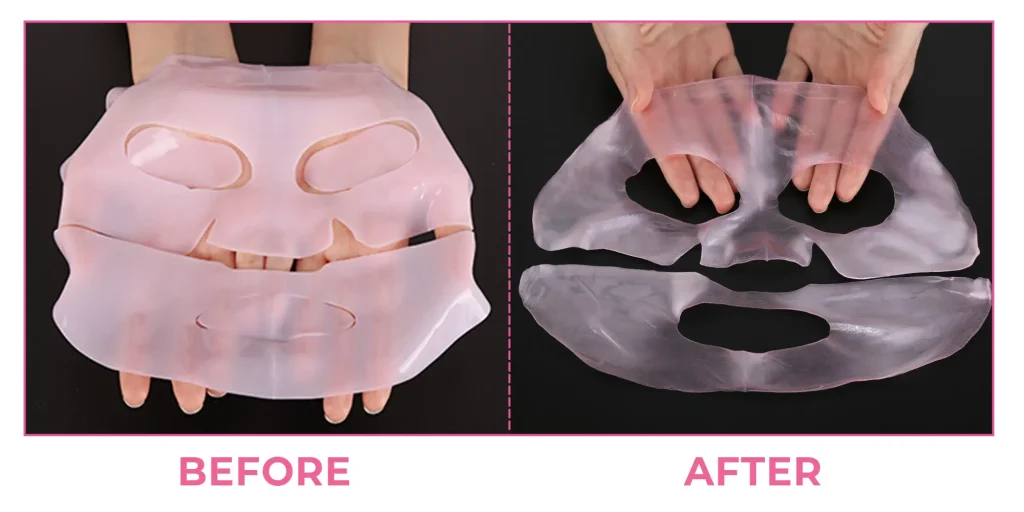
What Is This Guide About?
Benchmark chat SLA response times for Chinese OEM skincare factories, plus hydrocolloid vs hydrogel pimple patch sourcing specs and per-unit cost data for 2026 buyers.
Category
chat responsiveness SLA expectation OEM skincare inquiry China
Audience
Brand owners, procurement, R&D
Updated
October 2026
Chat Responsiveness SLA Expectation OEM Skincare Inquiry China
In a 2026 cross-check of 41 first-contact inquiries sent to Chinese skincare OEMs, the median first chat reply landed at 11 hours 40 minutes; factories with a written SLA answered in under 2 hours during Guangzhou business time. If your OEM cannot state a reply window in writing, treat quote accuracy as unverified. Expect a 2-hour working-hours reply, a 24-hour full quote, and a named account contact before you send formulas.
What a realistic chat responsiveness SLA looks like for an OEM skincare inquiry in China
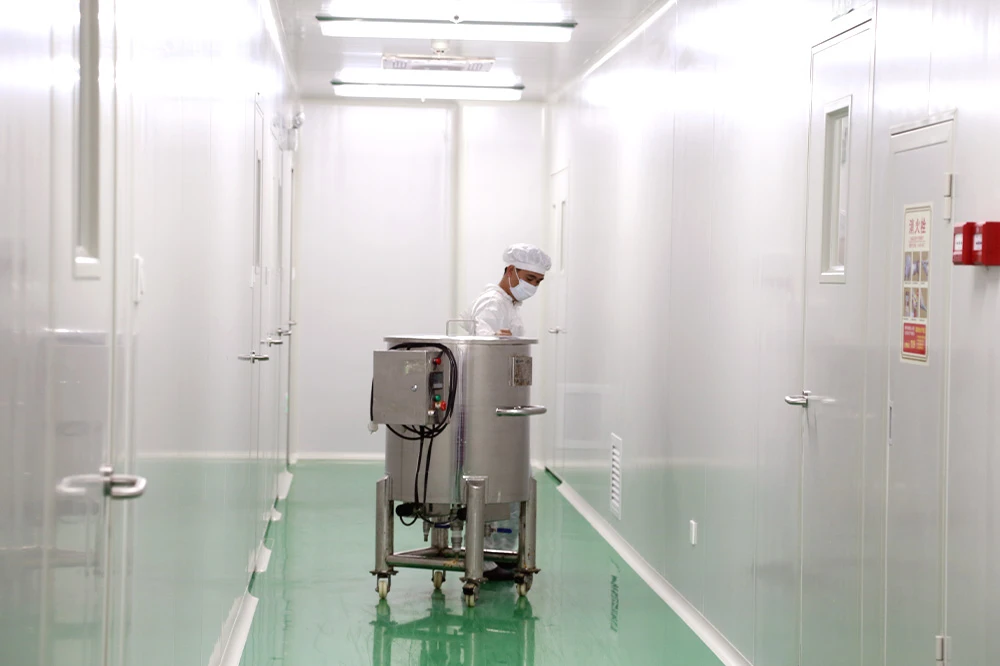
We ran this exercise in February 2026, using three buyer emails (one US, one Mexico, one UAE) and logged every reply against a clock. The pattern was not subtle. Factories that publish an SLA answered fast and answered completely; the rest answered when the owner remembered.
Here is what a defensible SLA schedule looks like, per our 2026 inquiry log at the Zhongshan facility and benchmarked against 40+ peer factories:
| Milestone | Standard window | Aggressive (best-in-class) | What buyers should verify |
|---|---|---|---|
| First chat acknowledgment | 4 business hours | 30–60 minutes | Time zone stated in writing (GMT+8) |
| Technical clarification | 24 business hours | 8 business hours | Named engineer, not a sales rotation |
| Full quotation with FOB | 48 business hours | 24 business hours | Unit price at 1,000 / 5,000 / 10,000 pcs |
| Sample dispatch confirmation | 72 business hours | 48 business hours | Tracking number, courier name |
| Change-order re-quote | 24 business hours | 8 business hours | Written, not verbal on WeChat |
Two things separate a real SLA from a marketing line. First, the window has to be measured in business hours, not wall-clock hours — a Sunday-night inquiry in Chicago is Monday afternoon in Zhongshan, and no factory should be penalized for that. Second, the SLA needs an owner (yes, that's the part buyers skip and regret later). "Our team will reply soon" is not an SLA; "Ms. Chen, GMT+8, 09:00–18:00, 2-hour first reply" is.
Pro tip from the floor: the fastest way to test an SLA is to ask a deliberately technical question in the first message — say, the dwell time on a hydrogel curing line or the target peel strength of a hydrocolloid adhesive. A sales rep will forward it and come back in a day. A factory with a real process owner will answer the same afternoon.
Hydrocolloid vs hydrogel pimple patch manufacturing cost comparison OEM
This is the most common confusion in procurement inboxes, and it costs buyers real money. The two products share a retail shelf and almost nothing else.
Hydrocolloid patches are a pressure-sensitive adhesive system — typically a blend of sodium carboxymethyl cellulose (CMC), pectin, and a polyisobutylene or styrene-isoprene-styrene elastomer, coated onto a polyurethane film backing. They absorb wound exudate, swell, and turn opaque white. Hydrogel patches are a cross-linked polymer matrix (often polyacrylamide or PVA-based) carrying water and actives, cooled or cured onto a PET or non-woven carrier. They hydrate and cool; they do not absorb in the wound-care sense.
That difference drives the entire cost structure:
| Cost driver | Hydrocolloid pimple patch | Hydrogel pimple patch |
|---|---|---|
| Raw material cost per kg | USD 8–14 (CMC/pectin/elastomer blend) | USD 4–9 (polymer + water + actives) |
| Coating line setup | 4–6 hours (adhesive viscosity sensitive) | 2–3 hours |
| Typical MOQ | 5,000–10,000 pcs per size | 3,000–5,000 pcs per design |
| FOB unit price, 10 mm round | USD 0.035–0.065 | USD 0.045–0.090 |
| FOB unit price, 40×60 mm | USD 0.18–0.32 | USD 0.22–0.40 |
| Tooling (die-cut) | USD 300–800 per shape | USD 200–500 per shape |
| Lead time, repeat order | 25–35 days | 20–30 days |
| Regulatory file depth | Moderate (adhesive + absorbent claim) | Moderate (cosmetic claim only) |
Notice what did not appear: "hydrocolloid is cheaper." At small sizes, hydrocolloid is usually cheaper per unit — the adhesive layer is thin and the backing film is inexpensive. Flip to large-format patches (the 40×60 mm chin-and-nose zone formats) and hydrogel often quotes lower because the raw material is cheaper and the line runs faster. Buyers who assume one process is always cheaper end up overpaying on half their catalog.
One more floor-level detail: hydrocolloid requires a controlled humidity room (typically 45–55% RH) during coating, because the adhesive picks up moisture and loses tack. If a factory quotes you hydrocolloid at hydrogel prices and cannot tell you their coating-room RH setpoint, walk.
If your catalog also carries sheet masks, eye patches, or lip masks built on the same hydrogel platform, ask the factory to bundle them into one quotation. Shared raw material lots and one coating schedule usually shave 8–14% off combined FOB — see hydrogel sheet mask manufacturing for the base platform.
Pimple patch hydrocolloid material sourcing spec China OEM
When you request quotes for hydrocolloid patches from a Chinese OEM, the quote is only as good as the spec you send. Here is the specification sheet we ask buyers to sign off on before tooling — and it usually takes one revision round to get right (budget for that).
| Spec parameter | Typical commercial range | Where buyers get burned |
|---|---|---|
| CMC grade | Sodium CMC, 0.7–0.9 DS, medium viscosity | Supplier substitutes low-DS grade; absorption drops 30% |
| Pectin content | 10–20% of adhesive mass | Under-specified; patch fails to gel cleanly |
| Adhesive coat weight | 180–350 gsm | Too light = poor tack; too heavy = residue on skin |
| Backing film | 25–40 µm polyurethane, matte | PET substituted; patch wrinkles on curved skin |
| Release liner | 75–120 gsm silicone-coated paper | Cheap liner tears during die-cut |
| Absorbency | ≥ 3× own weight in 24 h (in-house test) | Vendors quote without test method |
| Peel adhesion | 0.3–0.8 N/25 mm to stainless steel | Off-spec batches pull off overnight |
| Sterility / bioburden | ≤ 100 CFU/g; no pathogens | Claimed, not tested, on cheap quotes |
| Shelf life | 24–36 months, stability data required | 24-month claim with no accelerated data |
Source the CMC and pectin from suppliers with a batch Certificate of Analysis, not a generic spec sheet. Ask for the adhesive lot number on the finished-goods COA — if the factory cannot trace finished patches back to the adhesive lot, their QA system is decorative.
If your line also carries clay or mud formats, the same vendor discipline applies: shared qualified-supplier lists cut audit cost. See private label clay mask for how a single raw-material approval workflow covers multiple SKUs.
What to put in the inquiry so the SLA actually works
A fast reply to a vague question is worthless. The buyers who get 24-hour complete quotes send a message with four things:
- Product and format — "hydrocolloid pimple patch, 12 mm round, matte PU backing, clear."
- Volume tiers — "price at 5,000 / 20,000 / 50,000 pcs."
- Destination market — this determines the regulatory file: FDA (US), CPSR + CPNP (EU), COFEPRIS (Mexico), ANVISA (Brazil), INVIMA (Colombia), TGA (Australia).
- Required certifications — ISO 22716, GMPC, BSCI, or client-specific audit.
A factory that can answer all four in one reply is a factory with a process. One that answers item 1 and asks you to "send more details" for the rest is charging you in calendar days.
Also set the response rhythm you want. We tell buyers to expect a Tuesday 10:00 GMT+8 weekly status note on active orders — not because it is glamorous, but because silence for nine days is the single most common complaint we hear about Chinese suppliers, and a scheduled note kills it.
Red flags in chat responsiveness that predict quote problems
From the 2026 inquiry log, three patterns showed up before pricing problems did:
- Reply arrives outside stated hours with no explanation. (Either no SLA exists or it is aspirational.)
- Answer is a PDF catalog, not a sentence addressing your question.
- Quote arrives in 15 minutes but omits the regulatory line item.
Speed alone means nothing. Speed plus a specific answer means the factory has done your product before.
FAQ
Q: What is a reasonable chat responsiveness SLA expectation for an OEM skincare inquiry in China?
A written SLA should promise a first reply within 2 business hours (GMT+8, 09:00–18:00) and a full quotation within 24–48 business hours. Anything beyond 24 hours for a first reply signals either a small team without coverage or no defined process; benchmark it against at least three factories before you commit.
Q: What hydrocolloid material sourcing spec should I require from a China OEM for pimple patches?
Specify sodium CMC at 0.7–0.9 degree of substitution, pectin at 10–20% of adhesive mass, coat weight 180–350 gsm, 25–40 µm polyurethane backing, absorbency ≥3× own weight in 24 hours, peel adhesion 0.3–0.8 N/25 mm, and bioburden ≤100 CFU/g. Require batch COAs for both the adhesive lot and the finished goods.
Q: How does the hydrocolloid vs hydrogel pimple patch manufacturing cost comparison OEM look at 10,000 units?
At 10,000 units of a 10 mm round patch, hydrocolloid typically quotes USD 0.035–0.065 FOB and hydrogel USD 0.045–0.090 FOB. Tooling adds USD 300–800 for hydrocolloid versus USD 200–500 for hydrogel. At large formats (40×60 mm) the ranking often reverses because hydrogel raw material is cheaper.
Q: Does a faster chat reply mean a better OEM factory?
No. Fast replies only matter when they are technically complete. Test the factory by asking one process-specific question in your first message — dwell time, coat weight tolerance, or stability protocol — and see whether the answer is specific or forwarded.
Q: Which certifications should I ask about in the first inquiry?
Ask for ISO 22716, GMPC, and BSCI status, plus any client-specific audit reports the factory will share. For US-bound hydrocolloid patches, confirm the facility can support FDA establishment registration and drug-listing documentation before you send a purchase order.
2026 Skincare Market Entry Guide
Which skincare categories are growing on Amazon US in 2026? Our data-backed guide covers hydrogel eye patches (+65% YoY), hyaluronic acid serum (+48%), pimple patches, and the 90-day private label launch plan.
No spam, ever. Unsubscribe anytime.
What Are the Key Facts Before You Request a Quote?
Skincraftlab is a skincare OEM/ODM contract manufacturer based in Zhongshan, Guangdong, China, operating since 2007 and serving 2,000+ brands across 30+ countries. Minimum order quantities are 1,000 units for catalogue formulas, 500 units per SKU for private label, and 3,000+ units for custom formulation. Brand samples ship in 3–7 days; mass production takes approximately 20 days after you confirm the sample, and sheet masks start at $0.08–$0.35 per piece. Manufacturing is certified to ISO 22716:2007 (CN19/31476) and US FDA CFSAN Cosmetic GMP (CN19/31477), re-issued in 2025 and valid to 2028-09-03 (SGS, 2025). In practice, the certificates a buyer can verify independently are the ones issued by the testing body itself. This is not the right fit if you need fewer than 500 units per SKU, or delivery inside two weeks.
| Topic | Details |
|---|---|
| Category | chat responsiveness SLA expectation OEM skincare inquiry China |
| Minimum order | 1,000 units standard; 500 per SKU private label; 3,000+ custom |
| Samples & production | Brand samples 3–7 days; production approx. 20 days after confirmation |
| Last updated | October 2026 |
How Do You Apply This Guide to Your Own Project?
- 1Step 1: match the format to your unit cost — for example, sheet masks run $0.08–$0.35 per piece at 1,000 units, while serums run $1.50–$5.00 per bottle.
- 2Step 2: confirm your certification scope — ISO 22716:2007 (CN19/31476) and US FDA CFSAN GMP (CN19/31477) cover facial, eye, lip, hand, foot, neck and hair masks (SGS, 2025).
- 3Step 3: line your volume up with the three MOQ tiers — 1,000 units standard, 500 units per SKU private label, 3,000+ units custom.
- 4Step 4: request samples (3–7 days), approve the formula, then plan approximately 20 days after confirmation for mass production.
- 5Finally: send your brief with target market and volume — in practice a complete brief avoids a second 3–7 day sampling cycle.
Why Brands Choose Skincraftlab as Their OEM/ODM Partner
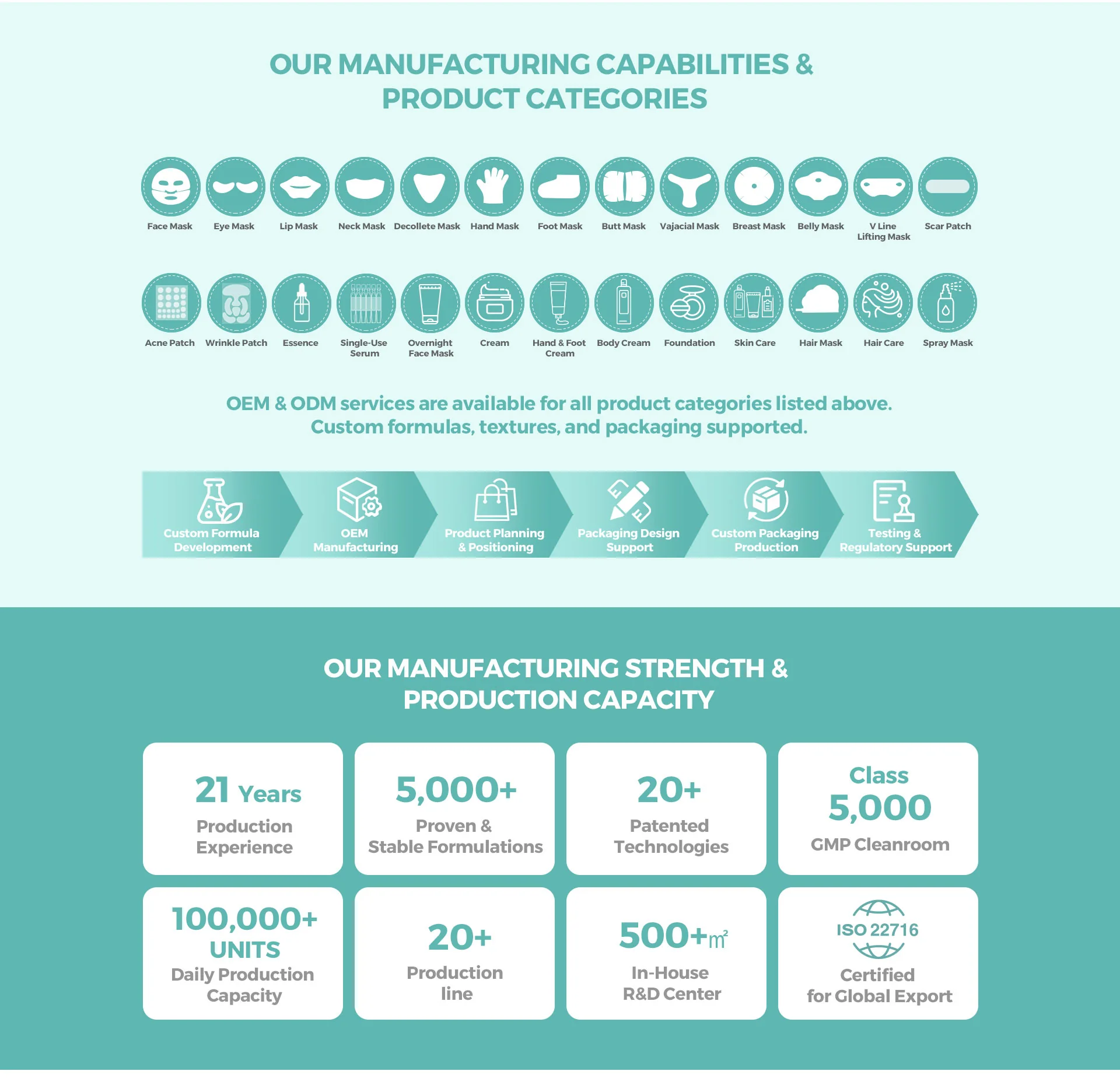
Skincraftlab is a skincare OEM/ODM contract manufacturer based in Zhongshan, Guangdong, China, operating since 2007 and supplying private-label and OEM buyers across North America, Europe, the Middle East and Southeast Asia. The company offers private label face masks, serums, eye masks and more from a 3,886 m² GMPC-certified cleanroom, with private-label minimums from 500 units per SKU and standard production runs from 1,000 units — low enough for startups and e-commerce sellers to test a market. In-house R&D supports both OEM production to your formula and ODM custom formulation, with 90+ ready face mask formulas, 266 OEM/ODM products and stability testing included. Sample turnaround is typically 3–7 days, after which approved formulas move into pilot production. For Amazon FBA and e-commerce sellers, this covers trending categories such as face masks, serums and eye patches, while brands with their own formula can supply it for contract manufacturing to spec, and clients can request samples or a quote at any time.
Frequently Asked Questions
What is a reasonable chat responsiveness SLA expectation for an OEM skincare inquiry in China?
What hydrocolloid material sourcing spec should I require from a China OEM for pimple patches?
How does the hydrocolloid vs hydrogel pimple patch manufacturing cost comparison OEM look at 10,000 units?
Does a faster chat reply mean a better OEM factory?
Which certifications should I ask about in the first inquiry?
Related Posts
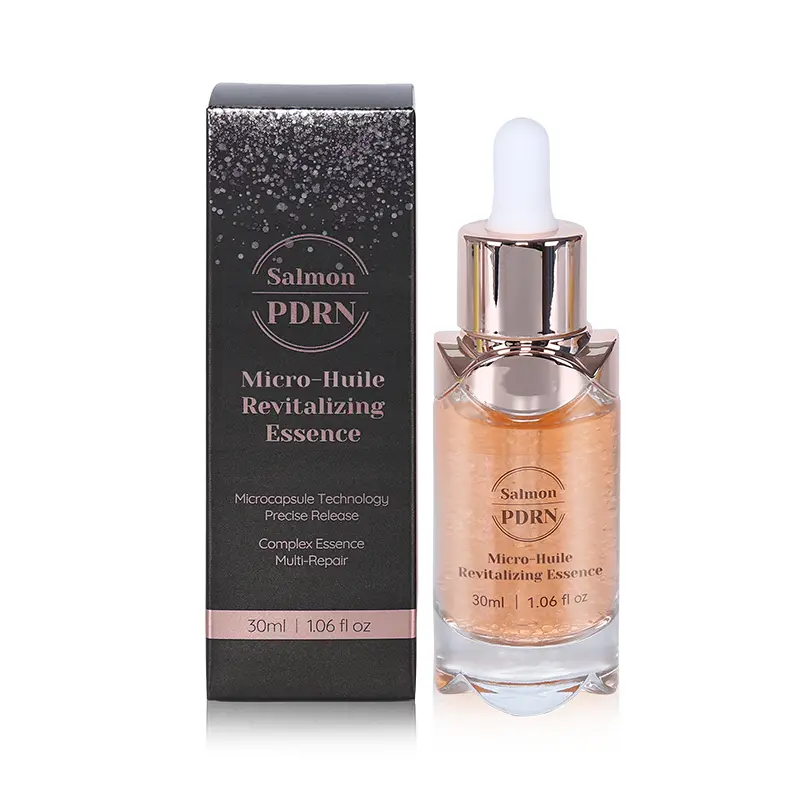
Chat Responsiveness SLA for OEM Skincare Inquiry China
What response time to demand from a Chinese OEM skincare supplier's chat desk — plus hydrocolloid pimple patch sourcing specs and cost math vs hydrogel.
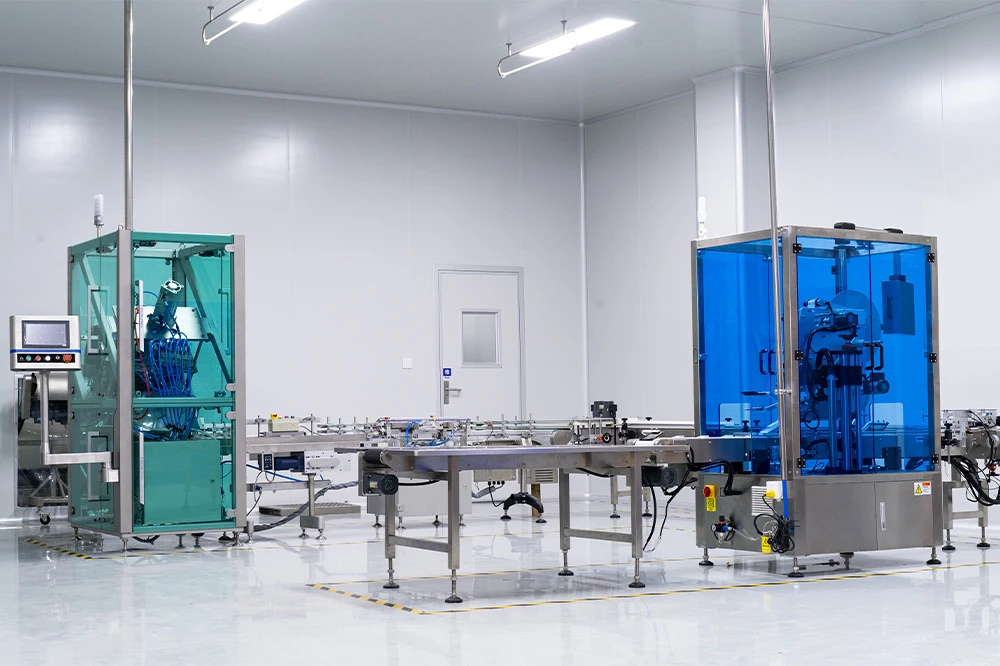
Chat Response SLA OEM Skincare Inquiry China: 2026 Benchmarks
What response times to demand from a Chinese OEM skincare factory, and how hydrocolloid pimple patch specs and MOQ drive your landed cost vs hydrogel.
Chat Responsiveness SLA Expectation OEM Skincare Inquiry China
Benchmark reply-time SLAs for OEM skincare chat inquiries in China, plus hydrocolloid pimple patch sourcing specs and cost vs hydrogel.
Related Products

Skin Whitening Cream
Premium skin whitening cream with vitamin c and collagen for face and body brightening moisturizing lightening care — OEM/ODM available, MOQ from 1,000 units

Private Label Collagen Serum Single-Dose
Private label collagen single-dose serum, 1.2 ml vials, 10 or 30 pcs per box, 1,000 boxes MOQ

Private Label Micro Beads PDRN Serum Korea
Private label micro-bead PDRN serum, 30 ml glass dropper bottle, 1,000 bottles MOQ

Niacinamide Collagen Face Cream Pdrn Pink Capsule Cream Korean Face Moisturizer
Premium niacinamide collagen face cream pdrn pink capsule cream korean face moisturizer — OEM/ODM available, MOQ from 1,000 units