Antiperspirant Stick vs Spray: OEM Format & MOQ Guide
November 21, 2026
Skincraftlab
B2B Skincare Manufacturing Expert
What Is This Guide About?
Antiperspirant stick vs spray for private label: fill costs, MOQs, regulatory paths, eye-pad OEM at MOQ 5000, and natural range sourcing.
Category
antiperspirant stick vs spray
Audience
Brand owners, procurement, R&D
Updated
November 2026
Antiperspirant stick vs spray is a format decision before it is a formulation decision: sticks run roughly USD 0.28–0.42 FOB per 50 g unit at MOQ 5,000 (aluminum chlorohydrate at 15–20%), sprays run USD 0.19–0.31 per 150 mL at MOQ 10,000, but sprays add aerosol filling, propellant handling and mandatory pressure-vessel transport classification. Sticks win on lower MOQ, lower freight risk and simpler registration. Sprays win on unit cost at volume.
In Q1 2026 we ran two side-by-side lines at our Zhongshan plant — one 50 g stick, one 150 mL pump spray — for the same EU buyer. The stick line hit 1,400 units per hour. The spray line hit 2,600, but needed a dedicated fill room and cost the buyer USD 3,100 in extra transport documentation before a single unit shipped. That gap is what most procurement decks miss.
Key stats: stick vs spray vs roll-on (2026 factory data)
| Parameter | Antiperspirant stick (50 g) | Pump/valve spray (150 mL) | Roll-on (50 mL) |
|---|---|---|---|
| Typical FOB unit price | USD 0.28–0.42 | USD 0.19–0.31 | USD 0.24–0.36 |
| Practical MOQ | 5,000 | 10,000 | 5,000 |
| Fill rate, per line hour | 1,400 units | 2,600 units | 1,100 units |
| Active load ceiling | 20–22% ACH | 12–15% ACH | 18–20% ACH |
| Lead time, first order | 32–38 days | 40–48 days | 30–36 days |
| Transport class | General cargo | Pressure vessel (UN 1950) | General cargo |
| Tooling / mold cost | USD 1,800–2,400 | USD 2,900–4,200 | USD 1,200–1,600 |
Source: Skincraftlab 2026 production log, Zhongshan facility, Q1 quotations to EU and GCC buyers.
Why the antiperspirant stick vs spray choice changes your regulatory file
A stick is a solid cosmetic article. In the EU it enters one CPNP notification per formula; in the US it lives under FDA OTC monograph 21 CFR 350 as a drug-cosmetic, and the label needs an active ingredient declaration and Drug Facts panel. Same for the spray — but here is the part buyers skip and regret later: aerosol sprays can trigger pressurized-container clauses under ADR/RID and IMDG, which in practice means a different, costlier freight forwarder and a supplier who must already hold the relevant filling permits.
We've filled thousands of private-label stick runs. One pattern keeps coming back: the buyers who switch from spray to stick mid-project are almost never chasing formulation — they are chasing a shipping quote that doubled at the port.
Roll-on sits in the middle: 50 mL glass or PET, ball-and-cup assembly, no propellant, MOQ 5,000. It is the safe fallback when a brand wants liquid feel without aerosol paperwork.
Cost math: where the 50 g stick actually wins
Take a 10,000-unit order of 50 g sticks. Bulk fill at USD 0.11 per unit, container and cap at USD 0.14, mechanism at USD 0.06, carton and label at USD 0.03 — landed ex-works about USD 0.34. A 10,000-unit spray order at 150 mL lands near USD 0.27 per unit, but you pay USD 2,900–4,200 in tooling plus roughly USD 0.04 per unit in aerosol-rated freight and documentation. At 10,000 units the spray and stick land within 3% of each other. The stick is not cheaper. It is less fragile in the supply chain.
Above 50,000 units the spray wins clearly — 12–18% total landed cost advantage per our Q4 2025 quotation set.
Formulating the stick: aluminum salts, actives, and the natural range trap
Standard antiperspirant sticks use aluminum chlorohydrate (ACH) at 15–20% or aluminum zirconium tetrachlorohydrex GLY at 15–19%. ACH is water-soluble and easy to process. AZG needs a glycol carrier and a tighter pH band (4.0–4.6) or you get grittiness that survives all the way to the retail shelf.
This is where the "best natural skin care range" conversation usually breaks down. Most brands we work with in 2026 want to add a natural deodorant stick (no aluminum, sodium bicarbonate plus arrowroot or magnesium hydroxide) next to their existing line. That stick is not a cosmetic clone of the antiperspirant — it behaves differently. Bicarbonate at above 8% will attack the container lining; below 4% it stops working in humid climates. We typically land at 6–7% bicarbonate buffered with 2% zinc ricinoleate, and cure the stick for 22–26 hours before capping (short cures crack in transit — yes, we learned that the expensive way in 2024).
If the wider range needs a face-care hero to anchor the shelf, the same buyer often adds a private label clay mask or a hyaluronic acid face cream — both fill on the same 32–36 day cycle as the stick, which saves a second factory audit.
A natural stick still needs preservation discipline. We use a water-free base with 0.5–0.8% phenoxyethanol only where the formula tolerates it, or a full anhydrous system (no preservative needed) when the brand's claims allow. Anhydrous runs cost roughly USD 0.04 more per unit in raw material but skip a stability challenge test cycle.
Secondary SKUs: eye pads for eyelash extension custom printing OEM China MOQ 5000
Half the deodorant buyers we onboard also carry an eye-category SKU. The most-requested spec in Q1 2026 was eye pads for eyelash extension custom printing OEM China MOQ 5000 — hydrogel under-eye pads, 30 × 70 mm or 25 × 65 mm, printed with the brand logo on the release liner.
What the 5,000 MOQ actually buys: a 6-color flexographic print on the liner film (setup USD 480–700 per color plate), a die-cut tool at USD 900–1,400, and a bulk gel fill. Lead time runs 30–35 days. The print is on the liner, not the gel — a common confusion. Printing the gel itself requires pad printing and pushes MOQ to 15,000 with a USD 3,800 plate set.
If the eye pads use the same hydrogel chemistry as face masks, buyers often bundle them with a hydrogel sheet mask run to amortize the gel batch and the stability test. Same preservative system, same challenge test, one file.
Beyond eye pads, our eye and lip category covers bio-collagen absorbable masks at MOQ 3,000 and foot peel socks if the buyer is building a complete body-care shelf.
Certification: what to demand before you sign
For deodorant and antiperspirant lines, relevant standards are ISO 22716 (cosmetic GMP), GMPC, and — if you sell into retail chains in Europe — BSCI or SMETA for social compliance audit. Ask for the audit date and the certifying body, not just the certificate PDF. An ISO 22716 certificate older than 24 months without a surveillance audit is a red flag we see about every third sourcing file that lands on our desk.
| Standard | What it covers | Renewal cycle |
|---|---|---|
| ISO 22716 | Cosmetic GMP, production and QC | 3 years + annual surveillance |
| GMPC (EFfCI) | Cosmetic ingredient GMP | 3 years |
| BSCI | Social compliance, factory audit | 2 years |
| SMETA 4-pillar | Labor, environment, ethics | 1–2 years |
Pricing benchmark for an ISO 22716-compliant factory: expect to pay 5–9% more per unit than a non-certified competitor. Anything more than 12% is margin padding — anything at parity with a non-certified factory usually means the certificate belongs to a sister entity.
FAQ
Q: Is antiperspirant stick vs spray better for a first private-label launch under 10,000 units?
For volumes under 10,000 units, the antiperspirant stick vs spray decision lands on the stick: lower MOQ (5,000 vs 10,000), lower tooling (USD 1,800–2,400 vs 2,900–4,200), no pressurized-container transport class, and a 32–38 day lead time instead of 40–48 days. Sprays only pull ahead above roughly 50,000 units where the unit-cost advantage compounds.
Q: How do I identify the best natural skin care range to bundle with a deodorant line?
Choose a range where the fill cycles align — a 32–36 day cycle on sticks, creams and clay masks lets one factory audit cover the whole shelf. In our 2026 experience, the best natural skin care range for deodorant buyers pairs an aluminum-free stick (6–7% bicarbonate) with a barrier cream and a clay mask, because all three avoid aerosol transport and share a single stability test file.
Q: What does eye pads for eyelash extension custom printing OEM China MOQ 5000 actually cost per unit?
At MOQ 5,000, printed hydrogel eye pads land at roughly USD 0.09–0.14 FOB per pair, including 6-color print on the liner, die-cut, and bulk gel fill. Plate setup (USD 480–700 per color) and die tooling (USD 900–1,400) are one-time. Lead time is 30–35 days from artwork approval.
Q: Can one factory run both an antiperspirant stick and a hydrogel eye-pad line?
Yes, if the factory holds both solid-fill and gel-fill capability under the same ISO 22716 scope. Our Zhongshan plant runs both on the same MHRA-style quality system, which means one audit, one NDA, one supply contract instead of two.
Q: What kills an antiperspirant stick in transit?
Two things: incomplete curing (the stick needs 22–26 hours before capping, and cutting that to 12–14 hours is the most common shortcut we see from lower-cost competitors) and container lining incompatible with bicarbonate-based natural formulas. Both show up as sweating or crumbling at retail, not at QC — which is why in-line cure logging matters.
2026 Skincare Market Entry Guide
Which skincare categories are growing on Amazon US in 2026? Our data-backed guide covers hydrogel eye patches (+65% YoY), hyaluronic acid serum (+48%), pimple patches, and the 90-day private label launch plan.
No spam, ever. Unsubscribe anytime.
What Are the Key Facts Before You Request a Quote?
Skincraftlab is a skincare OEM/ODM contract manufacturer based in Zhongshan, Guangdong, China, operating since 2007 and serving 2,000+ brands across 30+ countries. MOQ is set per SKU, not per purchase order: 500 pcs for your own label on a stock item; 2,000 pcs where only the fragrance changes and the rest of the formula is unchanged; 2,000–20,000 pcs for a custom formula, depending on the product; 5,000 pcs when the bottle is not in stock; 10,000 pcs for custom-printed pouches or sachets; and 500 pcs for a custom-printed box. Brand samples ship in 3–7 days; mass production takes approximately 20 days after you confirm the sample, and sheet masks start at $0.08–$0.35 per piece. Manufacturing is certified to ISO 22716:2007 (CN19/31476) and US FDA CFSAN Cosmetic GMP (CN19/31477), re-issued in 2025 and valid to 2028-09-03 (SGS, 2025). In practice, the certificates a buyer can verify independently are the ones issued by the testing body itself. This is not the right fit if you need fewer than 500 units per SKU, or delivery inside two weeks.
| Topic | Details |
|---|---|
| Category | antiperspirant stick vs spray |
| Minimum order | 500 pcs your label on a stock item; 2,000 fragrance-only change; 2,000–20,000 custom formula; 5,000 non-stock bottle; 10,000 printed pouch; 500 printed box |
| Samples & production | Brand samples 3–7 days; production approx. 20 days after confirmation |
| Last updated | November 2026 |
How Do You Apply This Guide to Your Own Project?
- 1Step 1: match the format to your unit cost — for example, sheet masks run $0.08–$0.35 per piece in production runs, while serums run $1.50–$5.00 per bottle.
- 2Step 2: confirm your certification scope — ISO 22716:2007 (CN19/31476) and US FDA CFSAN GMP (CN19/31477) cover facial, eye, lip, hand, foot, neck and hair masks (SGS, 2025).
- 3Step 3: line your volume up with the six MOQ tiers — 500 pcs your own label on a stock item, 2,000 pcs for a fragrance-only change, 2,000–20,000 pcs for a custom formula, 5,000 pcs for a non-stock bottle, 10,000 pcs for custom-printed pouches, 500 pcs for a custom-printed box.
- 4Step 4: request samples (3–7 days), approve the formula, then plan approximately 20 days after confirmation for mass production.
- 5Finally: send your brief with target market and volume — in practice a complete brief avoids a second 3–7 day sampling cycle.
Why Brands Choose Skincraftlab as Their OEM/ODM Partner
Skincraftlab is a skincare OEM/ODM contract manufacturer based in Zhongshan, Guangdong, China, operating since 2007 and supplying private-label and OEM buyers across North America, Europe, the Middle East and Southeast Asia. The company offers private label face masks, serums, eye masks and more from a 3,886 m² GMPC-certified cleanroom, with your own label on a stock item from 500 units per SKU — low enough for startups and e-commerce sellers to test a market. In-house R&D supports both OEM production to your formula and ODM custom formulation, with 90+ ready face mask formulas, 339 OEM/ODM products and stability testing included. Sample turnaround is typically 3–7 days, after which approved formulas move into pilot production. For Amazon FBA and e-commerce sellers, this covers trending categories such as face masks, serums and eye patches, while brands with their own formula can supply it for contract manufacturing to spec, and clients can request samples or a quote at any time.
Frequently Asked Questions
Is antiperspirant stick vs spray better for a first private-label launch under 10,000 units?
How do I identify the best natural skin care range to bundle with a deodorant line?
What does eye pads for eyelash extension custom printing OEM China MOQ 5000 actually cost per unit?
Can one factory run both an antiperspirant stick and a hydrogel eye-pad line?
What kills an antiperspirant stick in transit?
Related Posts

Scar Gel & Post-Acne OEM: Which Claims Are Legal in the US and EU (2026)
In the US, calling a silicone gel a scar treatment makes it a drug or a device — not a cosmetic. Here is where the legal line sits for post-acne products, what you can still say on a listing, and the documentation an OEM has to hand over for your EU claim file.
Crystal Collagen Eye Mask OEM: Jar vs Pouch FOB Price
Jar vs pouch FOB pricing for crystal collagen eye mask OEM from China, plus SFDA/SASO registration and hydrocolloid patch stability testing.
Hydrogel Sheet Mask OEM Annual Contract Minimum Volume in China
How annual volume commitments, printed eye pad FOB pricing and capacity vs free-sale certificates actually work when you contract a Chinese hydrogel mask factory.
Related Products
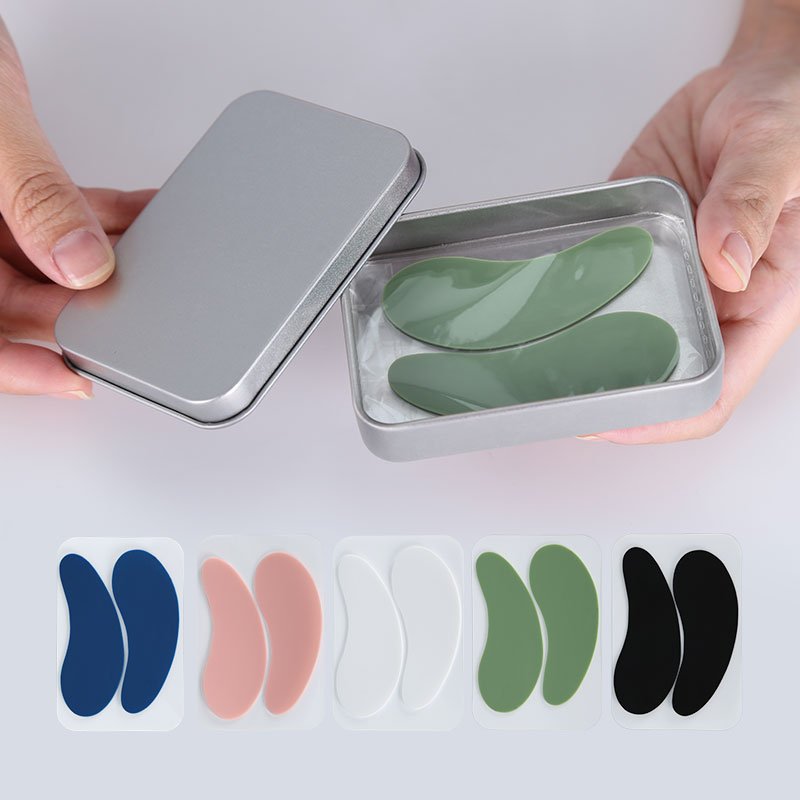
Silicone Puffy Collagen Korean Eye Patches Reusable Under Eye Sheet Masks Pads
Premium logo silicone puffy collagen korean eye patches reusable under eye sheet masks pads — OEM/ODM available, MOQ from 500 units
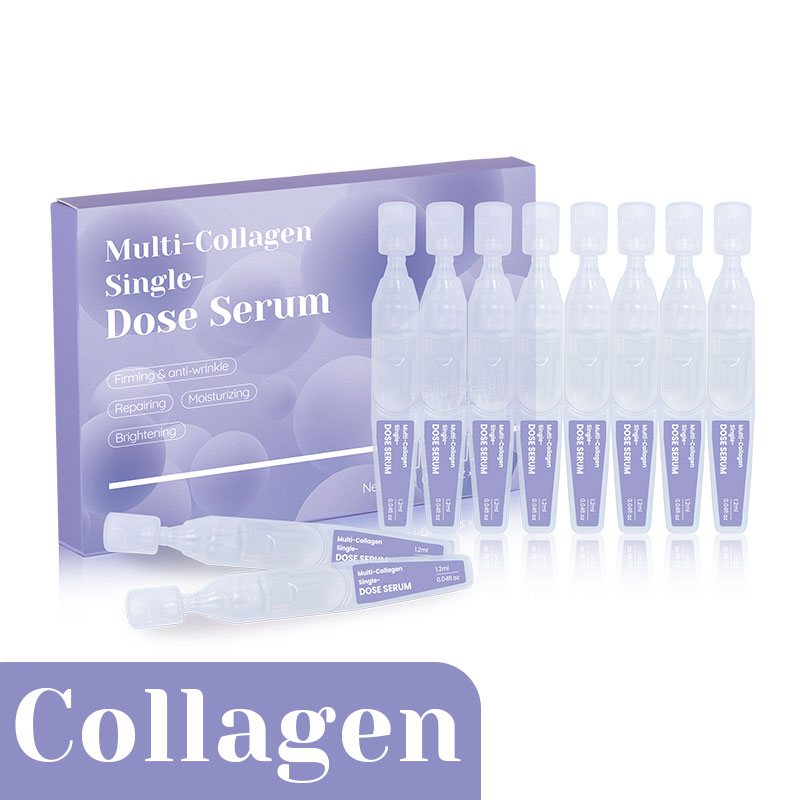
Collagen Single Dose Korean Skincare Hyaluronic Acid Instant Face Lift Serum Alpha Arbut
Premium cosmetics collagen single dose korean skincare hyaluronic acid instant face lift serum alpha arbut — OEM/ODM available, MOQ from 500 units
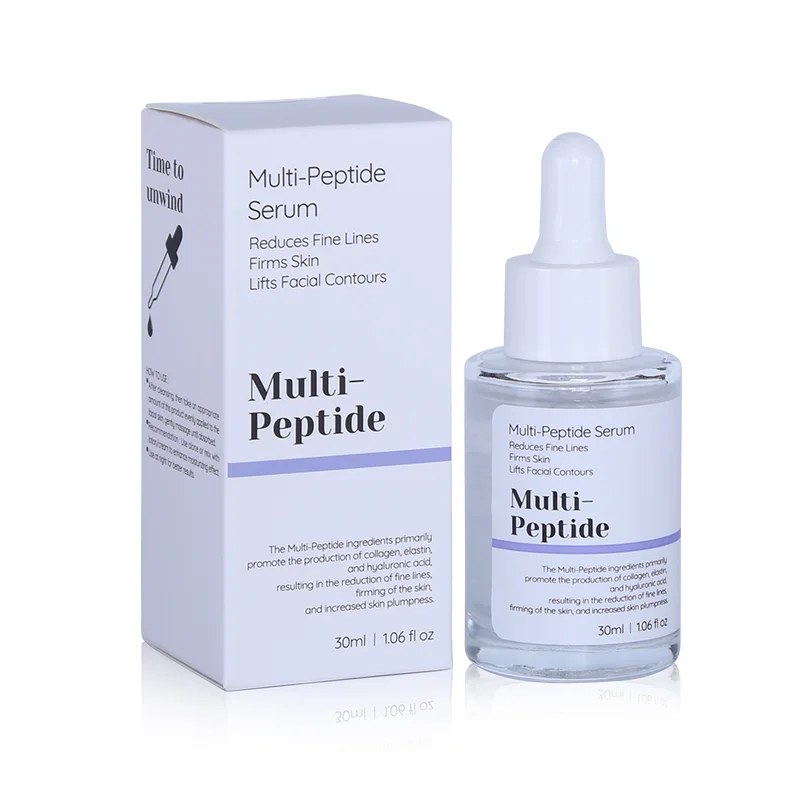
Private Label Multi Peptide Serum
Private label multi peptide serum, 30 ml dropper bottle, 500 bottles MOQ
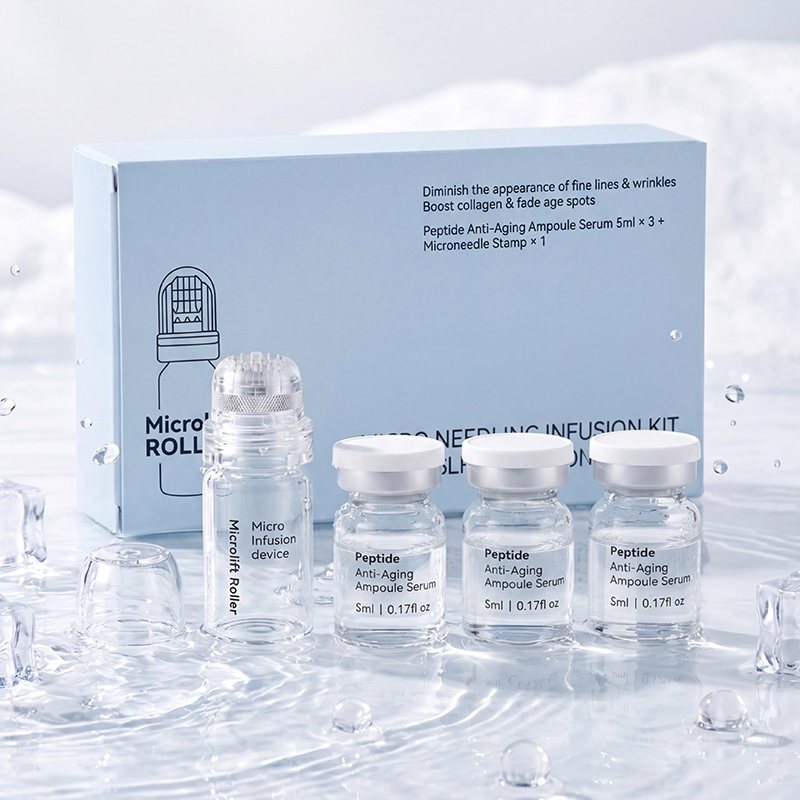
Niacinamide Peptide Anti-Aging Microlitre Serum Hydrolyzed Collagen Microlitre Kit
Premium niacinamide peptide anti-aging microlitre serum hydrolyzed collagen microlitre kit — OEM/ODM available, MOQ from 500 units