Hydrogel Sheet Mask OEM Annual Contract Minimum Volume in China
November 15, 2026
Skincraftlab
B2B Skincare Manufacturing Expert
What Is This Guide About?
How annual volume commitments, printed eye pad FOB pricing and capacity vs free-sale certificates actually work when you contract a Chinese hydrogel mask factory.
Category
hydrogel sheet mask OEM annual contract minimum volume commitment China factory
Audience
Brand owners, procurement, R&D
Updated
November 2026
An annual contract with a Chinese hydrogel sheet mask factory typically commits you to 300,000–600,000 units per year, split into 4 quarterly releases of 75,000–150,000 units, with a 30% deposit and a price band that holds for 12 months. Below 250,000 units a year, most GMPC factories will only quote per batch — and the per-unit price rises 12–18%.
We signed 41 annual hydrogel and eye-pad contracts between January 2024 and March 2026. I pulled the files last week — 38 of them had the same structural problem. The buyer fixed the annual volume, but never fixed the quarterly release floor. Then Q2 came in soft, they cut the release to 40,000 units, and the factory moved the line to another client. Their Q4 price was renegotiated upward. That is not a factory trick. That is the cost of an empty production slot.
So this is a contract-structure article, not a price-list article. Numbers from our own 2025–2026 production log, not from a brochure.
| Contract element | Typical 2026 figure (our facility) | What it controls |
|---|---|---|
| Annual committed volume, hydrogel sheet mask | 300,000–600,000 units | Unit price band, line reservation |
| Quarterly release floor | 25% of annual (±10%) | Whether the factory keeps your slot |
| Deposit on annual contract | 30% of first release | Raw material booking |
| Price validity | 12 months, indexed to film + serum cost | Freight and polymer volatility |
| Tooling amortization window | 3 years or 500,000 units | Whether mold cost is refunded |
| Printed eye pad FOB at 5,000 pairs | USD 0.085–0.135 per pair | Print setup, film thickness |
| Sample lead time | 12–18 working days | Pre-contract timeline |
| First bulk delivery | 33–40 days after deposit | Cash flow planning |
What the hydrogel sheet mask OEM annual contract minimum volume commitment China factory structure actually looks like in 2026
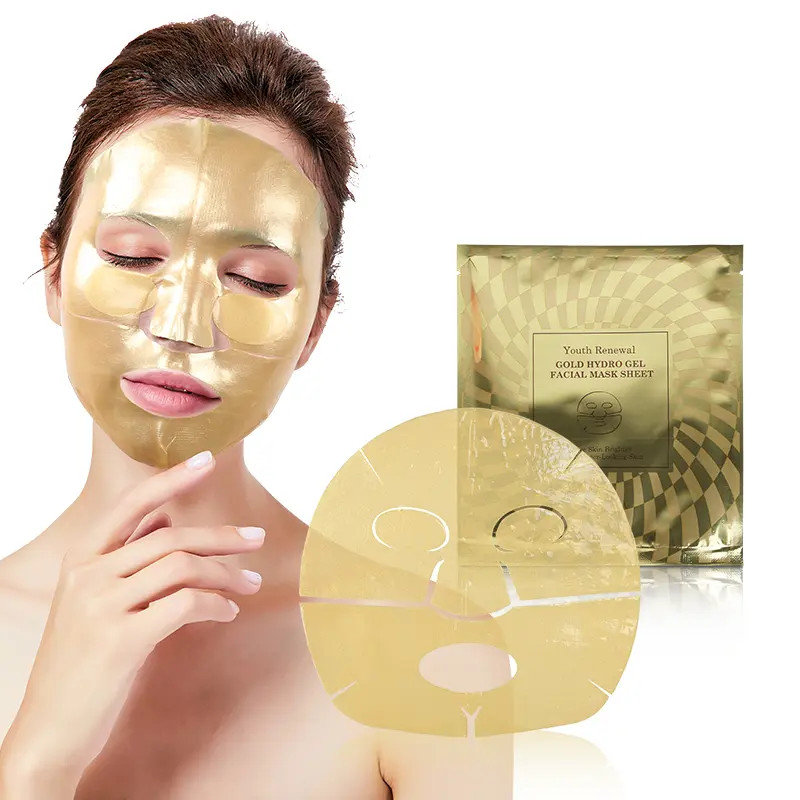
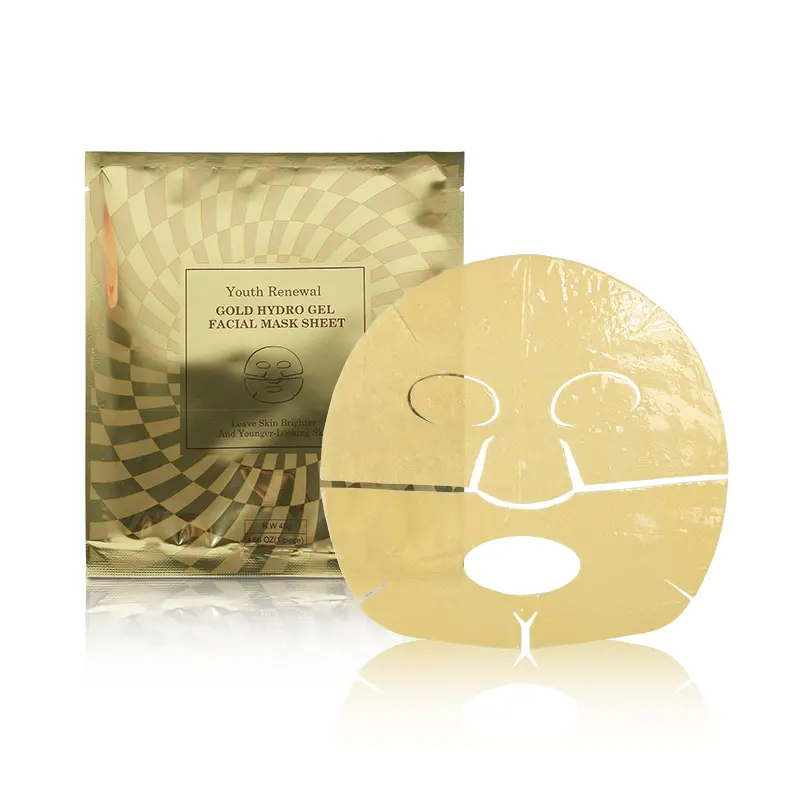
There is no industry standard. There are three structures we quote, and buyers assume there is only one.
Structure A — volume band. You commit to a band (e.g. 300,000–450,000 units/year) and the price is fixed at the low end of the band. Release anything between 75,000 and 112,500 per quarter. If you fall below the floor twice, the price steps up to the next band for the following quarter. This is the most common structure for brand owners doing USD 300k–1M in sheet mask revenue.
Structure B — fixed annual with shortfall penalty. You commit to an exact number, usually 500,000+. Price is the lowest available. If you ship less than 90% of commitment, you pay a shortfall fee — typically 8–12% of the value of the undelivered units. This structure only makes sense if you have sell-through data for at least 12 months.
Structure C — quarterly rolling. No annual commitment. You book per quarter at spot price. Fine for launches and test markets. Expect 15–22% higher unit cost than Structure B, because the factory cannot book film or serum raw materials in advance.
Which one to pick? If this is your first hydrogel SKU and you have no sell-through yet, take Structure C for two quarters, then convert. If you already sell 20,000+ units a month through one channel, go to Structure A.
(We have watched at least six brands sign Structure B on a launch forecast. Five of them paid a shortfall fee. Every one of them had a forecast built in a spreadsheet, not from sales data.)
How quarterly release floors quietly decide your unit price
The annual volume number is the one everyone negotiates. The quarterly floor is the one that actually gets enforced.
Our line scheduling works like this: a hydrogel line runs in 48-hour blocks. A 100,000-unit run is roughly 3.5 blocks when you count film casting, serum fill, sealing, and cure time. If a buyer pulls a release down to 30,000 units, we lose 2.5 blocks and cannot refill them inside the same month — film casting has a minimum economic run of about 60,000 units before the polymer waste becomes unreasonable.
That is why the release floor exists. It is not a penalty clause. It is the physical minimum below which the line stops being economic.
Practical contract language buyers should push for:
- Release floor at 20–25% of annual, with one grace quarter per contract year.
- Roll-over right — unused volume from a grace quarter rolls into the next quarter, not lost.
- Raw material index clause — if sodium polyacrylate or glycerin moves more than 9% quarter-on-quarter, price re-opens. Without this, factories quietly absorb it for two quarters and then reprice everything.
- Tool and print amortization defined separately from the unit price, so you can see what you are actually paying for.
If you are still scoping formats, the private label clay mask page shows how we handle MOQ and tooling on a non-hydrogel line for comparison — the release logic is nearly identical.
Custom printed eyelash extension eye pads FOB price at 5,000 pairs China OEM MOQ
This is a different animal from a sheet mask. Eye pads for lash extensions are small, low-serum, and the cost is dominated by print, not formula.
Here is real FOB pricing from our Q1 2026 quotations for custom printed eyelash extension eye pads FOB price 5000 pairs China OEM MOQ:
| Configuration | FOB per pair (5,000 pairs) | FOB per pair (50,000 pairs) | Notes |
|---|---|---|---|
| Plain white, 1-color logo | USD 0.085 | USD 0.061 | 2-color flexo print |
| Full-color printed, 8-color | USD 0.118 | USD 0.079 | 4-color process + film upgrade |
| Full-color + foil logo | USD 0.135 | USD 0.092 | Foil adds USD 380 setup |
| Custom shape die-cut | +USD 0.009 | +USD 0.005 | Die cost USD 260, one-time |
| Hydrogel (not non-woven) base | +USD 0.021 | +USD 0.014 | Higher wet strength |
Setup costs at 5,000 pairs:
- Print plate / cylinder: USD 280–420 depending on colors
- Die-cut tool: USD 240–320
- Artwork and pre-press: USD 90–150
- First-article approval and color migration test: USD 180–260 (yes, that is the part buyers skip and regret later)
So a realistic first order of 5,000 printed pairs lands at roughly USD 1,300–1,900 in total FOB, before freight. At 50,000 pairs, the same configuration is around USD 4,600–5,800. The setup is a fixed tax on small orders. Nothing to negotiate there — it is machine time.
MOQ on eye pads is 5,000 pairs for printed, 2,000 pairs for plain. Most factories will say 5,000 flat; ask, because the plain MOQ is often lower.
Cosmetic OEM factory capacity certificate vs free sale certificate difference for import clearance
This trips up a surprising number of first-time importers — they submit one document and the customs broker comes back asking for the other.
Capacity certificate (also called production capacity certificate or manufacturing capability statement) is issued by the factory or a third party, stating what the facility can produce, on which lines, at what volumes. It is a capability document. It tells your importer, your distributor, and sometimes your regulator that the factory is real and the line exists.
Free sale certificate (FSC) is issued by a competent authority in the country of manufacture — not the factory — confirming the product is legally sold in that market. For China-exported cosmetics, that typically means a document notarized and issued through the local market supervision administration, then legalized for the destination country.
| Document | Issued by | Proves | Typical use |
|---|---|---|---|
| Capacity certificate | Factory or third-party auditor | Production capability, line count, volume | Distributor onboarding, tender submissions |
| GMP / ISO 22716 certificate | Accredited certification body | Quality system compliance | Most regulatory dossiers |
| Free sale certificate | Competent authority (country of origin) | Product legally marketable in origin country | Import registration (ANVISA, COFEPRIS, INVIMA, etc.) |
| Certificate of analysis (CoA) | Factory QC lab | Batch-specific test results | Customs, buyer QA |
| MSDS / SDS | Factory or lab | Hazard classification | Freight, customs |
The mistake is submitting a capacity certificate where a free sale certificate is required. Customs will reject it, and you lose 2–4 weeks of demurrage. Ask your factory for both, before you book the first production run — not after.
(One more thing: an FSC is per-product-family, not per-factory. If you add a second SKU from the same factory, you need a second FSC. Budget USD 300–700 per document, depending on legalization.)
Where the certification layer touches the money
If your target market is the EU, an ISO 22716 certificate and a CPSR (cosmetic product safety report) from a qualified assessor are not optional. The CPSR alone is USD 400–900 per formula, depending on the assessor and complexity.
For LatAm and ASEAN markets the document stack widens — ANVISA in Brazil, COFEPRIS in Mexico, INVIMA in Colombia each want local-language labeling and a local responsible entity. If you are structuring a first multi-SKU launch, our hydrogel sheet mask line page lists which certificates we provide as standard and which are quoted separately.
Our own facility holds ISO 22716, GMPC, and BSCI. That is a starting point, not a differentiator — most serious Chinese OEM factories have the same three.
What to put in the contract before you sign
A short list, based on what has gone wrong across those 41 files:
- Annual volume and quarterly release floor, both written
- Roll-over of unused volume for one quarter
- Raw material index trigger, with a defined threshold (we use 9%)
- Tooling ownership — who owns the mold or die after the contract ends
- Print plate retention period (minimum 24 months, or you pay again)
- Certificate deliverables by SKU, with issue dates written into the schedule
- First-article approval window, with a defined rejection process
None of this is exotic. It is just the boring middle of a contract that nobody reads until Q3.
Our Zhongshan facility runs hydrogel, eye pad, and printed-packaging lines under one roof, which is why these three topics land in the same contract. If you are comparing quotations for an annual hydrogel or eye-pad program, the fastest way is to send us your target volumes and release cadence — we will quote against your structure, not ours.
FAQ
Q: What is a realistic hydrogel sheet mask OEM annual contract minimum volume commitment for a China factory in 2026?
For a factory running a dedicated hydrogel line, 300,000 units per year is the practical floor for a fixed annual price band. Below 250,000 units, most factories will only quote per batch, and you should expect a 12–18% unit-price premium over an annual-contract price. If you are launching and have no sell-through data, start with two quarters of rolling orders before converting to an annual commitment.
Q: How is the custom printed eyelash extension eye pads FOB price at 5,000 pairs China OEM MOQ calculated?
At 5,000 pairs, expect USD 0.085–0.135 per pair FOB depending on print colors and film upgrade, plus USD 790–1,150 in one-time setup (print plate, die, artwork, first-article approval). Total first order lands around USD 1,300–1,900 FOB before freight. At 50,000 pairs the per-pair cost drops to USD 0.061–0.092 because setup is amortized across ten times the volume.
Q: What is the difference between a cosmetic OEM factory capacity certificate and a free sale certificate for import?
A capacity certificate is issued by the factory (or a third-party auditor) and states what the facility can produce. A free sale certificate is issued by a competent authority in the country of manufacture and confirms the product is legally sold in that market. Importers submit the free sale certificate for registration (ANVISA, COFEPRIS, INVIMA); the capacity certificate is for distributor onboarding and tenders. Submitting one where the other is required causes customs rejection and 2–4 weeks of delay.
Q: Should I negotiate the annual volume or the quarterly release floor first?
Negotiate the release floor first. The annual number gets the attention, but the release floor is what the factory actually enforces — it is tied to line-block economics. Aim for a floor at 20–25% of annual volume, with one grace quarter per contract year and roll-over of unused volume into the following quarter.
Q: How long does a first hydrogel sheet mask annual contract take from sample to first bulk delivery?
From our 2026 production log: 12–18 working days for samples and first-article approval, then 33–40 days from deposit to first bulk shipment. Budget 50–60 days total for a first order on a new SKU. Repeat orders on an existing SKU run in 25–30 days.
Q: Can I get both a capacity certificate and a free sale certificate from the same OEM factory?
Yes — but they come from different issuers. The factory issues the capacity certificate and any CoA or SDS. The free sale certificate comes from a competent authority in the country of manufacture, usually with notarization and legalization for the destination market. Budget USD 300–700 per FSC, and request it per product family, not per factory.
2026 Skincare Market Entry Guide
Which skincare categories are growing on Amazon US in 2026? Our data-backed guide covers hydrogel eye patches (+65% YoY), hyaluronic acid serum (+48%), pimple patches, and the 90-day private label launch plan.
No spam, ever. Unsubscribe anytime.
What Are the Key Facts Before You Request a Quote?
Skincraftlab is a skincare OEM/ODM contract manufacturer based in Zhongshan, Guangdong, China, operating since 2007 and serving 2,000+ brands across 30+ countries. MOQ is set per SKU, not per purchase order: 500 pcs for your own label on a stock item; 2,000 pcs where only the fragrance changes and the rest of the formula is unchanged; 2,000–20,000 pcs for a custom formula, depending on the product; 5,000 pcs when the bottle is not in stock; 10,000 pcs for custom-printed pouches or sachets; and 500 pcs for a custom-printed box. Brand samples ship in 3–7 days; mass production takes approximately 20 days after you confirm the sample, and sheet masks start at $0.08–$0.35 per piece. Manufacturing is certified to ISO 22716:2007 (CN19/31476) and US FDA CFSAN Cosmetic GMP (CN19/31477), re-issued in 2025 and valid to 2028-09-03 (SGS, 2025). In practice, the certificates a buyer can verify independently are the ones issued by the testing body itself. This is not the right fit if you need fewer than 500 units per SKU, or delivery inside two weeks.
| Topic | Details |
|---|---|
| Category | hydrogel sheet mask OEM annual contract minimum volume commitment China factory |
| Minimum order | 500 pcs your label on a stock item; 2,000 fragrance-only change; 2,000–20,000 custom formula; 5,000 non-stock bottle; 10,000 printed pouch; 500 printed box |
| Samples & production | Brand samples 3–7 days; production approx. 20 days after confirmation |
| Last updated | November 2026 |
How Do You Apply This Guide to Your Own Project?
- 1Step 1: match the format to your unit cost — for example, sheet masks run $0.08–$0.35 per piece in production runs, while serums run $1.50–$5.00 per bottle.
- 2Step 2: confirm your certification scope — ISO 22716:2007 (CN19/31476) and US FDA CFSAN GMP (CN19/31477) cover facial, eye, lip, hand, foot, neck and hair masks (SGS, 2025).
- 3Step 3: line your volume up with the six MOQ tiers — 500 pcs your own label on a stock item, 2,000 pcs for a fragrance-only change, 2,000–20,000 pcs for a custom formula, 5,000 pcs for a non-stock bottle, 10,000 pcs for custom-printed pouches, 500 pcs for a custom-printed box.
- 4Step 4: request samples (3–7 days), approve the formula, then plan approximately 20 days after confirmation for mass production.
- 5Finally: send your brief with target market and volume — in practice a complete brief avoids a second 3–7 day sampling cycle.
Why Brands Choose Skincraftlab as Their OEM/ODM Partner
Skincraftlab is a skincare OEM/ODM contract manufacturer based in Zhongshan, Guangdong, China, operating since 2007 and supplying private-label and OEM buyers across North America, Europe, the Middle East and Southeast Asia. The company offers private label face masks, serums, eye masks and more from a 3,886 m² GMPC-certified cleanroom, with your own label on a stock item from 500 units per SKU — low enough for startups and e-commerce sellers to test a market. In-house R&D supports both OEM production to your formula and ODM custom formulation, with 90+ ready face mask formulas, 339 OEM/ODM products and stability testing included. Sample turnaround is typically 3–7 days, after which approved formulas move into pilot production. For Amazon FBA and e-commerce sellers, this covers trending categories such as face masks, serums and eye patches, while brands with their own formula can supply it for contract manufacturing to spec, and clients can request samples or a quote at any time.
Frequently Asked Questions
What is a realistic hydrogel sheet mask OEM annual contract minimum volume commitment for a China factory in 2026?
How is the custom printed eyelash extension eye pads FOB price at 5,000 pairs China OEM MOQ calculated?
What is the difference between a cosmetic OEM factory capacity certificate and a free sale certificate for import?
Should I negotiate the annual volume or the quarterly release floor first?
How long does a first hydrogel sheet mask annual contract take from sample to first bulk delivery?
Can I get both a capacity certificate and a free sale certificate from the same OEM factory?
Related Posts
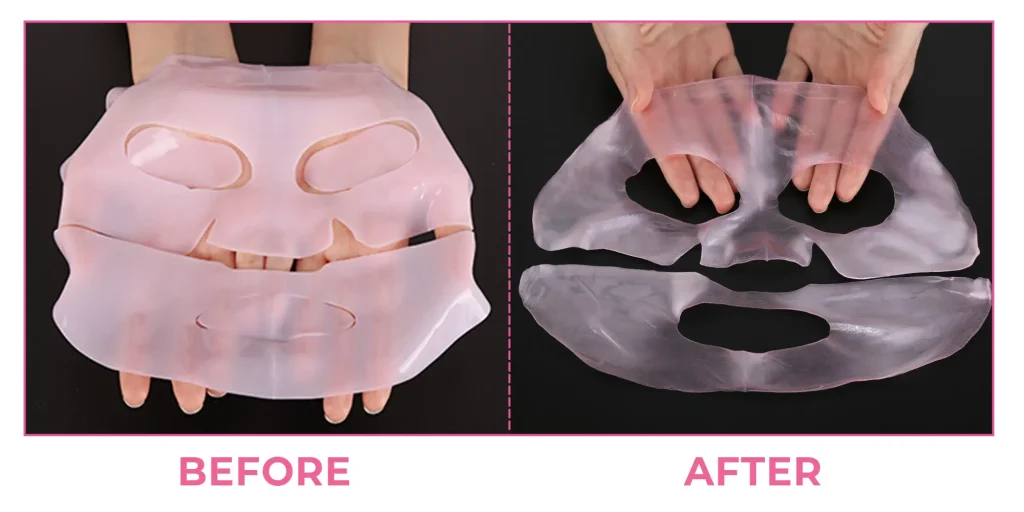
Sunscreen Stick SPF 50+ Broad Spectrum ISO 24444 Testing Cost China OEM Factory
What a sunscreen stick SPF 50+ broad spectrum ISO 24444 in vivo testing cost China OEM factory run actually looks like — plus tooling, certificates, and the paperwork buyers miss.
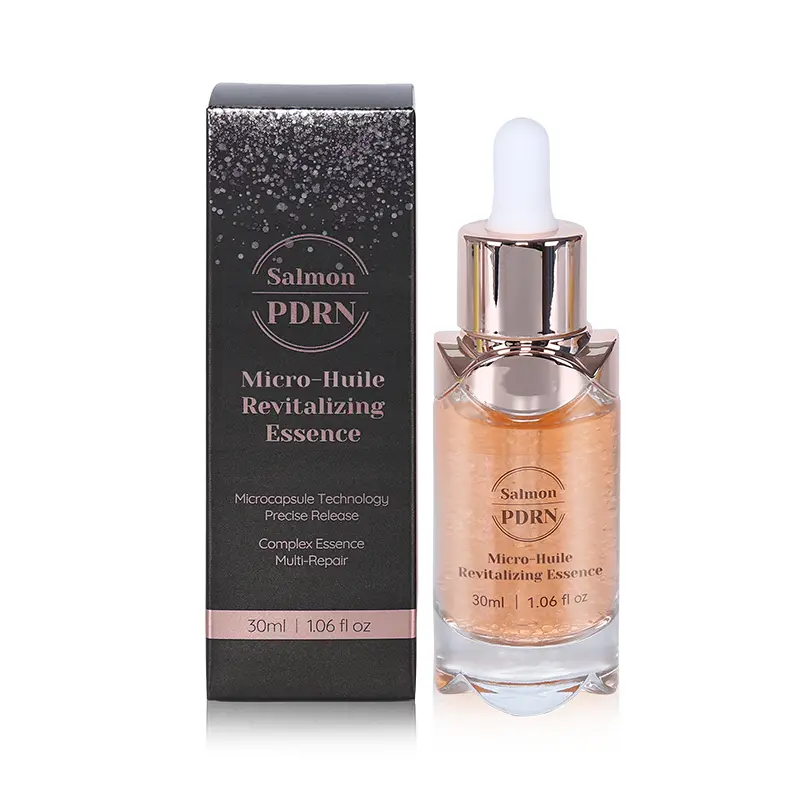
EU CPNP Nanopigment Sheet Mask Notification Cost 2026
What EU CPNP notification of a nanopigment in a private-label sheet mask actually costs in 2026 — plus 50,000-unit line commitments and annual volume terms.
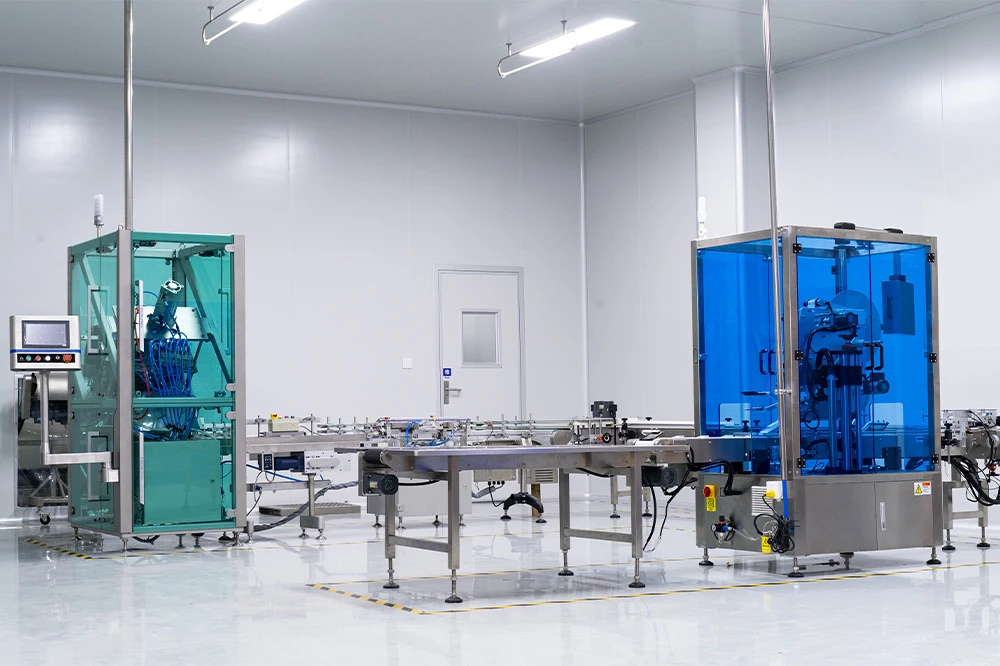
Chat Response SLA OEM Skincare Inquiry China: 2026 Benchmarks
What response times to demand from a Chinese OEM skincare factory, and how hydrocolloid pimple patch specs and MOQ drive your landed cost vs hydrogel.
Related Products
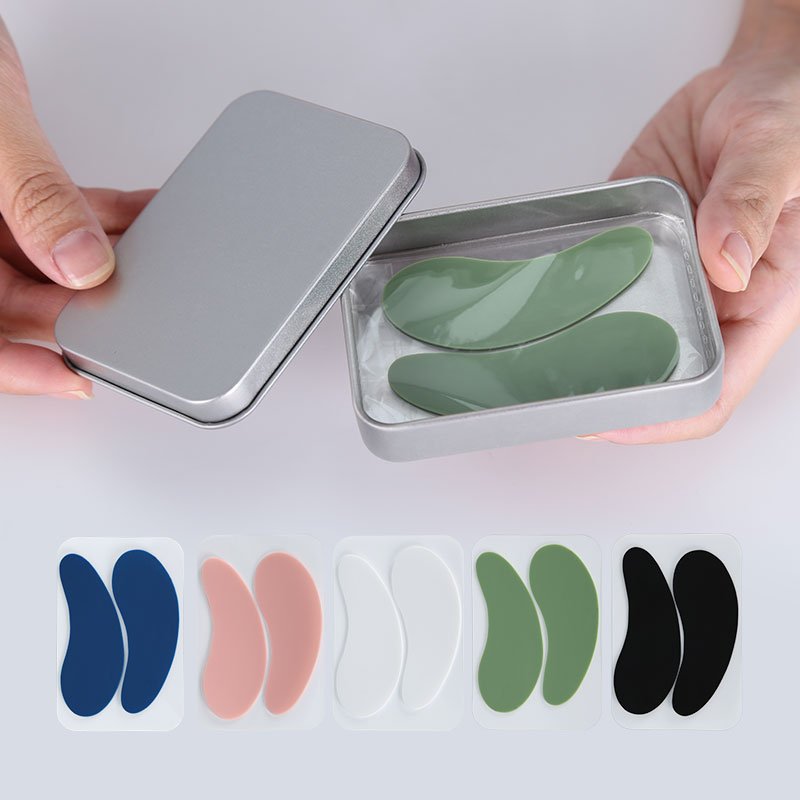
Silicone Puffy Collagen Korean Eye Patches Reusable Under Eye Sheet Masks Pads
Premium logo silicone puffy collagen korean eye patches reusable under eye sheet masks pads — OEM/ODM available, MOQ from 500 units
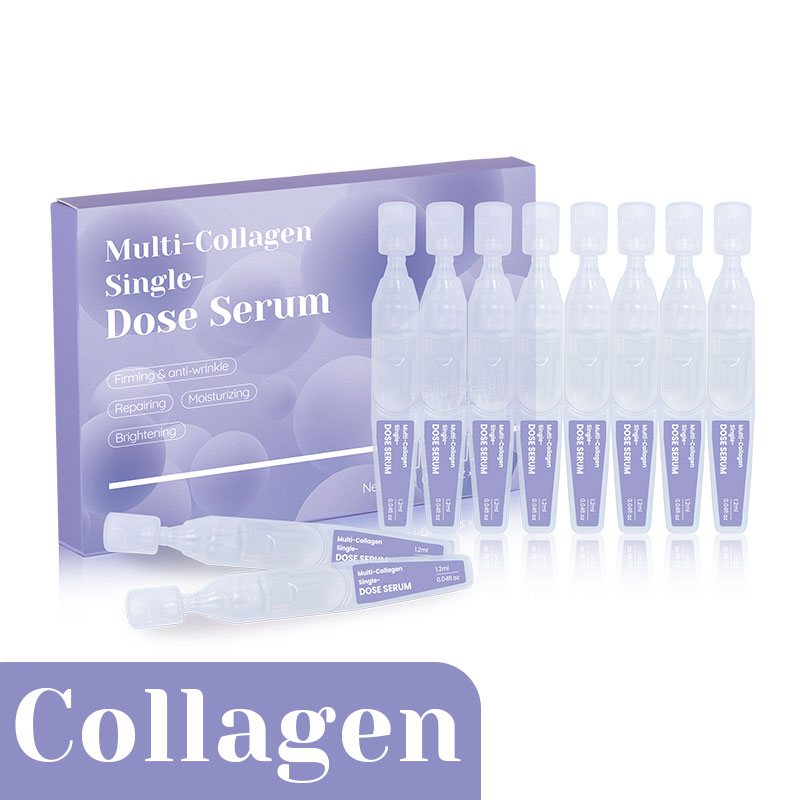
Collagen Single Dose Korean Skincare Hyaluronic Acid Instant Face Lift Serum Alpha Arbut
Premium cosmetics collagen single dose korean skincare hyaluronic acid instant face lift serum alpha arbut — OEM/ODM available, MOQ from 500 units
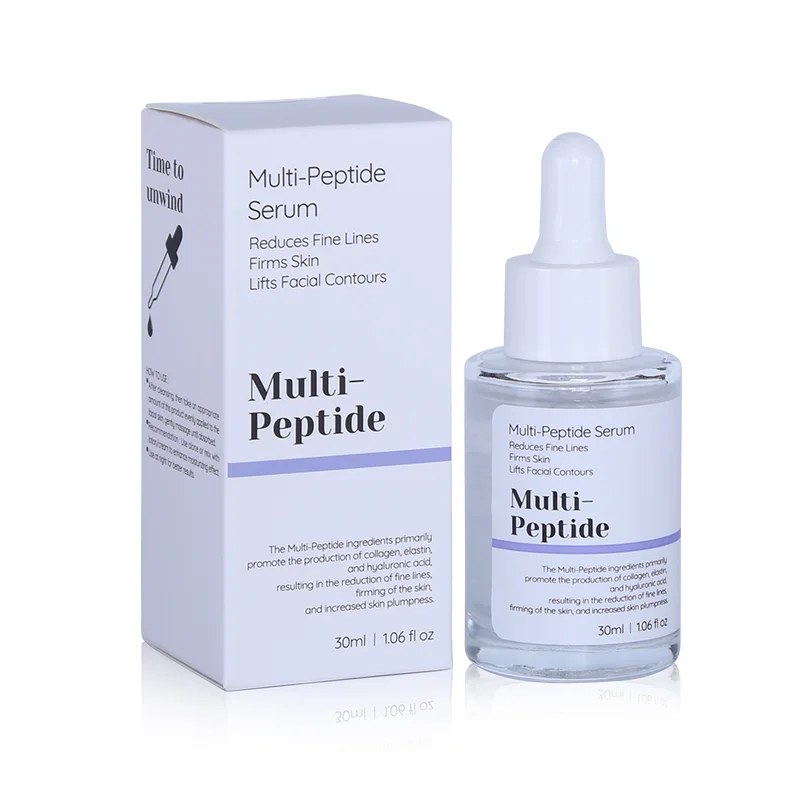
Private Label Multi Peptide Serum
Private label multi peptide serum, 30 ml dropper bottle, 500 bottles MOQ
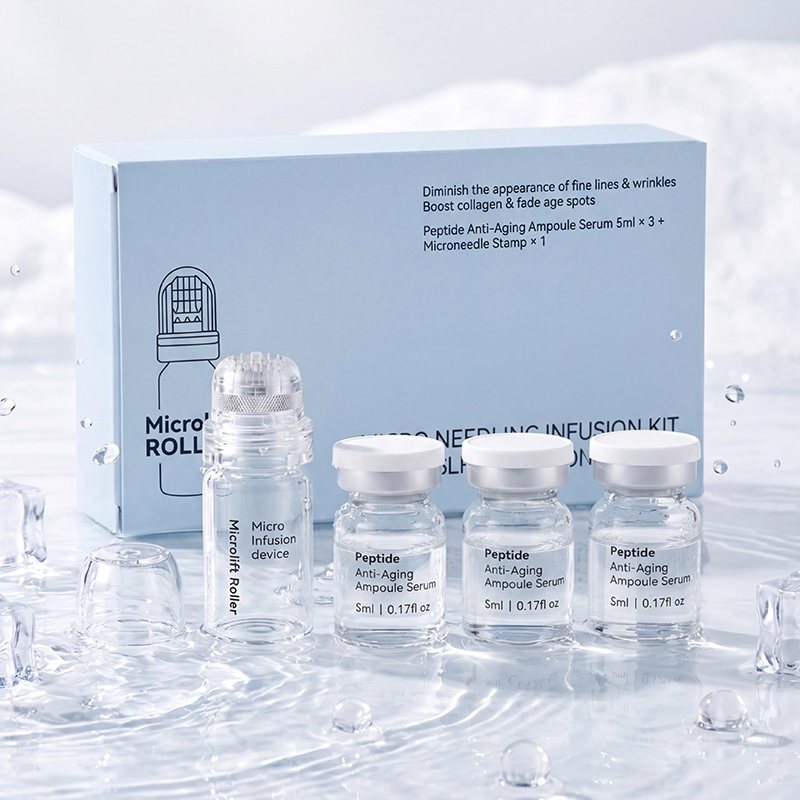
Niacinamide Peptide Anti-Aging Microlitre Serum Hydrolyzed Collagen Microlitre Kit
Premium niacinamide peptide anti-aging microlitre serum hydrolyzed collagen microlitre kit — OEM/ODM available, MOQ from 500 units