Pimple Patch OEM Packaging: Custom Card & Blister MOQ
November 12, 2026
Skincraftlab
B2B Skincare Manufacturing Expert
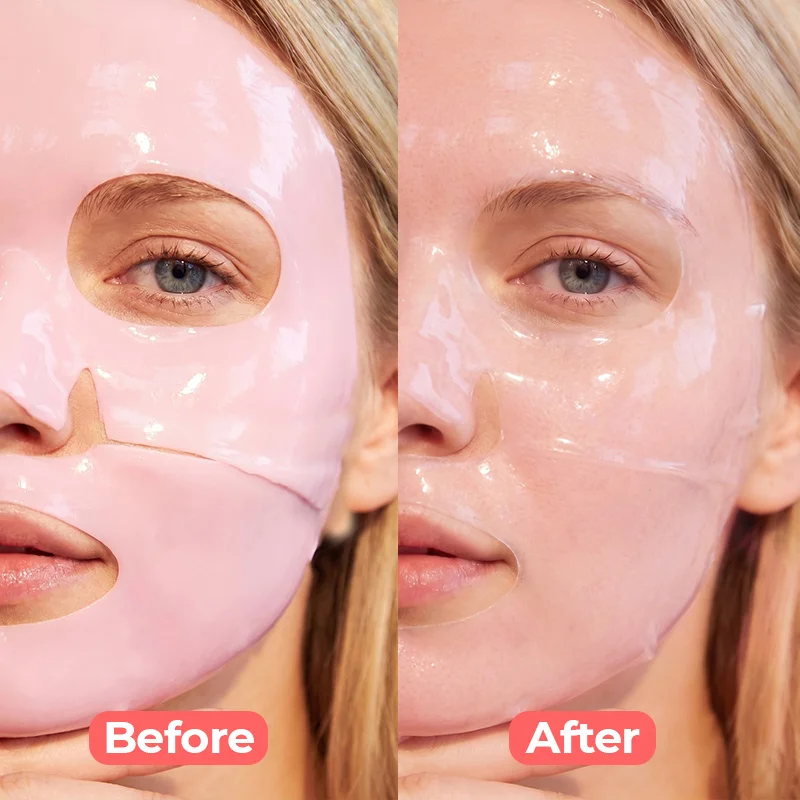
What Is This Guide About?
Real 2026 numbers for pimple patch OEM: custom card and blister tooling, MOQ bands, FOB prices from China, hydrocolloid formulation options and ASEAN notification basics.
Category
pimple patch OEM packaging custom card blister MOQ China price
Audience
Brand owners, procurement, R&D
Updated
November 2026
A hydrocolloid pimple patch OEM run with a printed custom card plus a thermoformed blister typically lands at a 5,000–10,000 patch MOQ per SKU in China, with FOB pricing of roughly USD 0.028–0.055 per patch for a 12 mm round 40–60 µm hydrocolloid dot on a 24-patch card, tooling billed once at USD 180–450 for the card die and USD 900–2,200 for the blister mold. Card-only (pouch-free) formats drop to 3,000-piece MOQs and USD 0.019–0.034 per patch. Blister-lined construction, salicylic acid integration, and registered ASEAN dosing push both MOQ and price up.
In February 2026 we shipped a 40,000-patch order for a Vietnamese brand — 24-count cards, 0.4 mm PETG blister, 55 µm hydrocolloid — and the buyer had asked three other factories for the same spec first. Two quoted card-only pricing by mistake. That mismatch (blister vs. pouch) is the single biggest source of quote confusion we see across pimple patch OEM projects.
Key Stats: Pimple Patch OEM Packaging Bands, Q1 2026
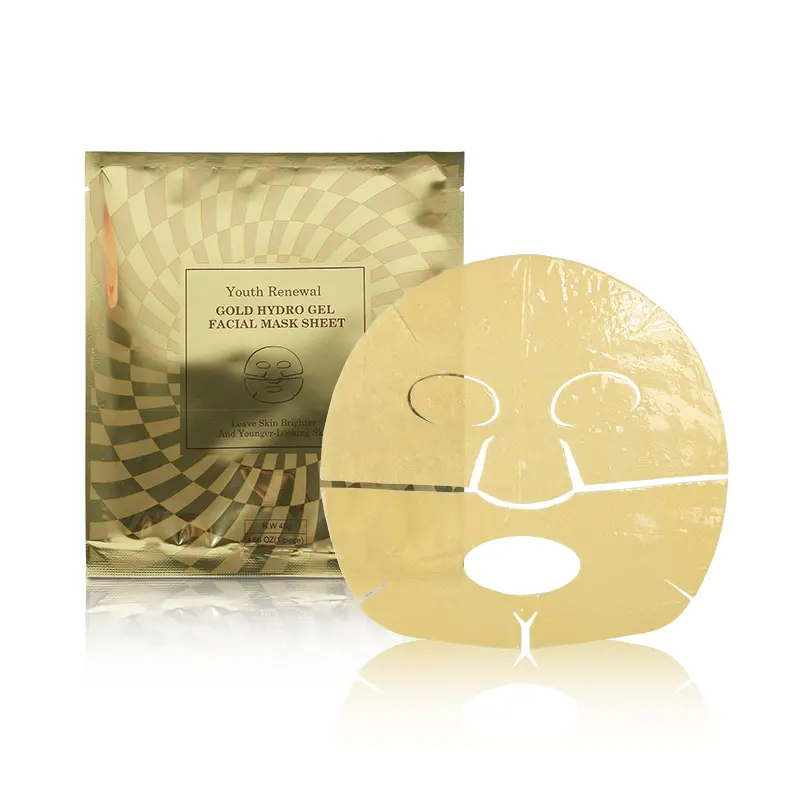
| Packaging format | Typical MOQ (patches/SKU) | FOB band per patch | One-time tooling |
|---|---|---|---|
| Card + clear pouch (no blister) | 3,000 | USD 0.019–0.034 | USD 180–320 (card die) |
| Card + thermoformed blister | 5,000–10,000 | USD 0.028–0.055 | USD 900–2,200 (blister mold) |
| Multi-size card, 3 dot diameters | 8,000 | USD 0.034–0.062 | USD 1,200–2,600 |
| Booklet / folded card + 2 blisters | 12,000 | USD 0.041–0.070 | USD 1,800–3,400 |
| Blister in printed carton (retail-ready) | 15,000 | USD 0.038–0.068 | USD 2,400–4,500 |
Figures per our 2026 production log, 40–60 µm hydrocolloid, 12 mm round dots, plain hydrocolloid. Add 15–35% for salicylic acid or tea tree integration.
Why custom card + blister is the format buyers ask about — and the one that costs the most to get wrong
Two packaging layers decide the pimple patch OEM quote: the printed card (what the consumer sees) and the blister (what seals the patch against moisture). You can run card-only and ship in a clear pouch. You can run card with a thermoformed blister sealed to the card. Or you can go booklet with two blisters glued in. Each step adds tooling, molding cycle time, and a second QC checkpoint.
The card itself is normally 300–350 gsm coated paper, matte or gloss, with the blister sealed by heat-activated adhesive. Cutting dies for the card are quick to make (5–8 working days) and cheap. Blister molds are slower: 15–22 working days and USD 900 minimum, often more once you add the perimeter seal ring and the hang-hole. Buyers who budget card-only tooling and then ask for blister at sample stage pay double. We saw it three times in Q4 2025 alone (yes, that's the part buyers skip and regret later).
A practical rule from our line: if you plan to list on Shopee, Lazada or Amazon, go blister. Retail listings punish patches that arrive wrinkled or half-stuck to the card. Card-only is fine for gift sets, sample programs, and subscription boxes where the outer mailer protects the product.
Our private label clay mask line runs the same card-and-blister logic — if you're building a multi-SKU acne set, the same die-cut card size and same blister sealer work across both categories. That saves you a second tooling bill.
Custom card print: what drives the setup fee in the pimple patch OEM packaging custom card blister MOQ China price calculation
Flexo vs. offset vs. digital decides the setup fee, not the paper.
| Print method | Setup fee (CNY) | Setup fee (USD approx.) | Best run size |
|---|---|---|---|
| Digital (HP Indigo) | 0–300 | USD 0–42 | 3,000–8,000 |
| Flexo, 4–6 colors | 1,200–2,800 | USD 165–385 | 20,000–100,000 |
| Offset, 6–8 colors + spot | 3,500–8,000 | USD 480–1,100 | 50,000+ |
For MOQs under 10,000 cards, digital is cheaper per unit once you count setup. At 30,000+ cards, flexo overtakes digital on total cost by roughly 18–26% in our quotes. Offset only makes sense when you have a complex design with metallics or varnish that flexo can't hit.
Fill out the card artwork for bleeds — most Chinese printers expect 3 mm bleed and 2 mm safe margin. A 24-count card typically prints 90 × 135 mm; a 36-count prints 110 × 165 mm. Label copy must include the active ingredient if any is added, batch/lot, expiry (24–36 months typical), and country of origin. For US shipments, patch packaging isn't a drug label unless you make drug claims — but acne-treatment claims do pull you into OTC drug territory. Keep language cosmetic ("helps reduce the appearance of") unless you're filing OTC.
Hydrocolloid pimple patch active ingredient integration OEM formulation: what actually loads onto the patch
Plain hydrocolloid (CMC + polyisobutylene + pectin on a PU film) is the base. Buyers wanting acne performance usually add one of four things:
- Salicylic acid 0.5–2.0% — genuine acne claim territory under US FDA; most Chinese OEMs will produce it as cosmetic if the claim stays soft. Cost impact +18–30% per patch.
- Tea tree oil 0.1–0.5% — clean-label favorite, no drug claim risk, but shortens shelf life to 18–24 months if not stabilised. +12–20%.
- Niacinamide 1–3% — requires a water phase, which hydrocolloid doesn't naturally have. Most factories laminate a thin hydrogel layer under the hydrocolloid. More complex, +25–40% and MOQ jumps to 8,000.
- Centella asiatica extract (0.5–2%) — popular in Korea-facing brands; same hydrogel-underlay problem. +22–35%.
The integration step is where most OEM buyers get caught: adding an active to a hydrocolloid requires heat and mixing that can degrade the gelling matrix. We test each new active at 45 °C/75% RH for 8 weeks (accelerated) before committing to a 40 °C/75% RH 6-month real-time run. Skipping accelerated stability is how buyers end up with yellowed or separated patches at 3 months on shelf.
If you need a working hydrogel layer to carry niacinamide or centella, our hydrogel sheet mask line already runs the same hydrogel casting equipment — the formulation team can adapt a proven gel base for patch use in 3–4 weeks instead of building from scratch.
ASEAN Cosmetic Directive notification for Indonesia and Vietnam: sheet mask and patch OEM exported from China
This is the area where new buyers lose the most time. Both Indonesia (BPOM) and Vietnam (Drug Administration of Vietnam, DAV) follow the ASEAN Cosmetic Directive (ACD) — the framework is aligned, but the notification path is not.
Indonesia (BPOM): every SKU needs a BPOM notification before sale. The notifier must be an Indonesian legal entity (your local distributor or a registered agent). Required documents from the Chinese OEM: Certificate of Free Sale, GMP certificate (ISO 22716 or GMPC), full ingredient list with INCI, CoA per batch, and product information file. Timeline in our experience: 6–10 weeks for a straightforward pimple patch SKU, longer if BPOM asks about the acne claims.
Vietnam (DAV): notification through the National Drug Information and Adverse Drug Reaction Monitoring Centre portal. Vietnamese legal entity required. Documents similar to Indonesia, plus a Vietnamese-language label proof. Timeline: 4–8 weeks. Vietnam is generally smoother than Indonesia for patch cosmetics.
Sheet mask OEM from China into ASEAN: sheet masks and hydrocolloid patches fall under the same ACD notification. The differences come down to the product information file — sheet mask PIFs need the preservative challenge test, patch PIFs usually need the adhesion test instead. If you're launching multiple ASEAN markets, run a single PIF from the Chinese factory and let each market notifier add the local-language label and distributor details. This is where working with ONE OEM for both sheet masks and patches pays off (fewer PIFs, one audit trail).
We keep a live tracker of what each ASEAN notifier has asked for in the last 18 months — that file has saved our clients an average of 3–5 weeks per SKU.
MOQ negotiation: how the pimple patch OEM packaging custom card blister MOQ China price breaks down
MOQ is rarely one number. It's the higher of: (a) card print run minimum, (b) blister mold cycle minimum, (c) hydrocolloid coating batch minimum. Coating batches are usually 200–400 kg, which translates to roughly 60,000–130,000 patches of 12 mm dots. So a 5,000-piece card+blister order means the factory coats a full batch and either holds stock for you or shares it across SKUs.
That's why factories will quote 5,000 but push for 10,000+. If you commit to 10,000, you usually get a 6–12% unit price drop and the factory is more willing to absorb tooling. Ask for the tooling to be amortised over the first two orders if you plan to scale.
Payment terms in China for a first order: typically 30% deposit / 70% before shipment, T/T. Larger repeat buyers negotiate 30/70 with 30-day net on the 70% tranche, but expect this only after 2–3 clean orders. L/C at sight is workable for orders above USD 30,000 but adds ~1.2% bank fees.
FAQ
Q: What is the realistic MOQ and FOB price for pimple patch OEM packaging with a custom card and blister from China?
For a card plus thermoformed blister on a 12 mm 55 µm hydrocolloid patch, expect 5,000–10,000 patches per SKU minimum and FOB of USD 0.028–0.055 per patch. Card-only pouch formats drop to 3,000 MOQ and USD 0.019–0.034. Tooling adds USD 180–450 for the card die and USD 900–2,200 for the blister mold, billed once.
Q: How does active ingredient integration in a hydrocolloid pimple patch affect OEM formulation and lead time?
Adding salicylic acid, tea tree, niacinamide or centella typically adds 12–40% to unit price, raises MOQ to 8,000 for hydrogel-underlay formats, and adds 3–5 weeks for accelerated stability testing before you can commit to a bulk run. Confirm the factory runs accelerated (45 °C/75% RH, 8 weeks) plus real-time (40 °C/75% RH, 6 months) before you accept the formulation.
Q: Do pimple patches and sheet masks need separate ASEAN Cosmetic Directive notification in Indonesia and Vietnam when made by a China OEM?
Yes — each SKU needs its own notification. Indonesia's BPOM path takes 6–10 weeks and requires an Indonesian legal entity as notifier; Vietnam's DAV path takes 4–8 weeks. The GMP certificate, CoA and product information file from the Chinese OEM are shared across both markets and across both categories, but the notification itself is per SKU per country.
Q: Can I get one Chinese OEM to produce both sheet masks and pimple patches under one packaging setup?
Yes, and it usually saves USD 1,200–2,500 in tooling because the same die-cut card size and blister sealer can serve both categories. It also means one GMP audit trail and one PIF template. Verify the factory has both hydrogel casting and hydrocolloid coating on site — many do only one.
Q: What documents do I need from the Chinese factory for ASEAN notification of a pimple patch?
You need: Certificate of Free Sale, GMP certificate (ISO 22716 or GMPC), full INCI ingredient list, batch CoA, product information file, adhesion test for patches, and (for Indonesia) a notifier authorisation letter. Label copy in the target language should be finalised before the notification is filed to avoid rework.
Q: How long does a first pimple patch OEM order from China take end-to-end?
From PO to FOB shipment for a straightforward plain-hydrocolloid card+blister run: 32–42 days. Custom card print adds 8–12 days, new blister mold adds 15–22 days, and active ingredient integration adds 3–5 weeks for stability. Add 2–3 weeks for the buyer-side artwork approval loop — that is routinely the biggest delay on the project.
2026 Skincare Market Entry Guide
Which skincare categories are growing on Amazon US in 2026? Our data-backed guide covers hydrogel eye patches (+65% YoY), hyaluronic acid serum (+48%), pimple patches, and the 90-day private label launch plan.
No spam, ever. Unsubscribe anytime.
What Are the Key Facts Before You Request a Quote?
Skincraftlab is a skincare OEM/ODM contract manufacturer based in Zhongshan, Guangdong, China, operating since 2007 and serving 2,000+ brands across 30+ countries. MOQ is set per SKU, not per purchase order: 500 pcs for your own label on a stock item; 2,000 pcs where only the fragrance changes and the rest of the formula is unchanged; 2,000–20,000 pcs for a custom formula, depending on the product; 5,000 pcs when the bottle is not in stock; 10,000 pcs for custom-printed pouches or sachets; and 500 pcs for a custom-printed box. Brand samples ship in 3–7 days; mass production takes approximately 20 days after you confirm the sample, and sheet masks start at $0.08–$0.35 per piece. Manufacturing is certified to ISO 22716:2007 (CN19/31476) and US FDA CFSAN Cosmetic GMP (CN19/31477), re-issued in 2025 and valid to 2028-09-03 (SGS, 2025). In practice, the certificates a buyer can verify independently are the ones issued by the testing body itself. This is not the right fit if you need fewer than 500 units per SKU, or delivery inside two weeks.
| Topic | Details |
|---|---|
| Category | pimple patch OEM packaging custom card blister MOQ China price |
| Minimum order | 500 pcs your label on a stock item; 2,000 fragrance-only change; 2,000–20,000 custom formula; 5,000 non-stock bottle; 10,000 printed pouch; 500 printed box |
| Samples & production | Brand samples 3–7 days; production approx. 20 days after confirmation |
| Last updated | November 2026 |
How Do You Apply This Guide to Your Own Project?
- 1Step 1: match the format to your unit cost — for example, sheet masks run $0.08–$0.35 per piece at 1,000 units, while serums run $1.50–$5.00 per bottle.
- 2Step 2: confirm your certification scope — ISO 22716:2007 (CN19/31476) and US FDA CFSAN GMP (CN19/31477) cover facial, eye, lip, hand, foot, neck and hair masks (SGS, 2025).
- 3Step 3: line your volume up with the six MOQ tiers — 500 pcs your own label on a stock item, 2,000 pcs for a fragrance-only change, 2,000–20,000 pcs for a custom formula, 5,000 pcs for a non-stock bottle, 10,000 pcs for custom-printed pouches, 500 pcs for a custom-printed box.
- 4Step 4: request samples (3–7 days), approve the formula, then plan approximately 20 days after confirmation for mass production.
- 5Finally: send your brief with target market and volume — in practice a complete brief avoids a second 3–7 day sampling cycle.
Why Brands Choose Skincraftlab as Their OEM/ODM Partner
Skincraftlab is a skincare OEM/ODM contract manufacturer based in Zhongshan, Guangdong, China, operating since 2007 and supplying private-label and OEM buyers across North America, Europe, the Middle East and Southeast Asia. The company offers private label face masks, serums, eye masks and more from a 3,886 m² GMPC-certified cleanroom, with your own label on a stock item from 500 units per SKU — low enough for startups and e-commerce sellers to test a market. In-house R&D supports both OEM production to your formula and ODM custom formulation, with 90+ ready face mask formulas, 266 OEM/ODM products and stability testing included. Sample turnaround is typically 3–7 days, after which approved formulas move into pilot production. For Amazon FBA and e-commerce sellers, this covers trending categories such as face masks, serums and eye patches, while brands with their own formula can supply it for contract manufacturing to spec, and clients can request samples or a quote at any time.
Frequently Asked Questions
What is the realistic MOQ and FOB price for pimple patch OEM packaging with a custom card and blister from China?
How does active ingredient integration in a hydrocolloid pimple patch affect OEM formulation and lead time?
Do pimple patches and sheet masks need separate ASEAN Cosmetic Directive notification in Indonesia and Vietnam when made by a China OEM?
Can I get one Chinese OEM to produce both sheet masks and pimple patches under one packaging setup?
What documents do I need from the Chinese factory for ASEAN notification of a pimple patch?
How long does a first pimple patch OEM order from China take end-to-end?
Related Posts
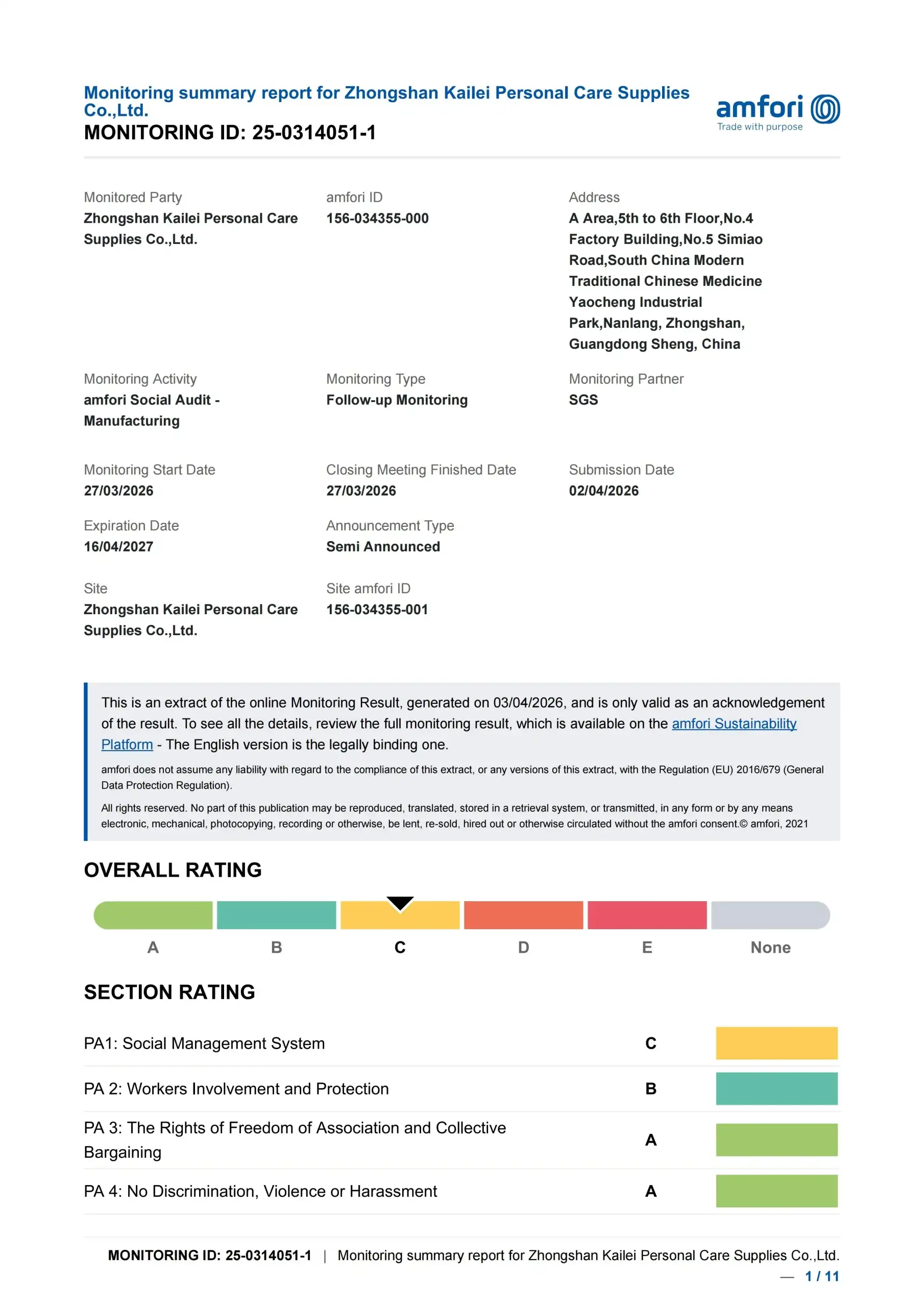
MoCRA 2026: Register a China Cosmetics Factory
MoCRA 2026 facility registration steps for Chinese OEMs, small business exemption thresholds, FEI numbers, and hydrocolloid pimple patch stability testing for US export.
How to Prepare a Skincare Product Brief for an OEM Discovery Call in China
The 12 data fields a Chinese OEM factory needs before your first call — plus pilot-batch cost, lead-time and packaging MOQ benchmarks.
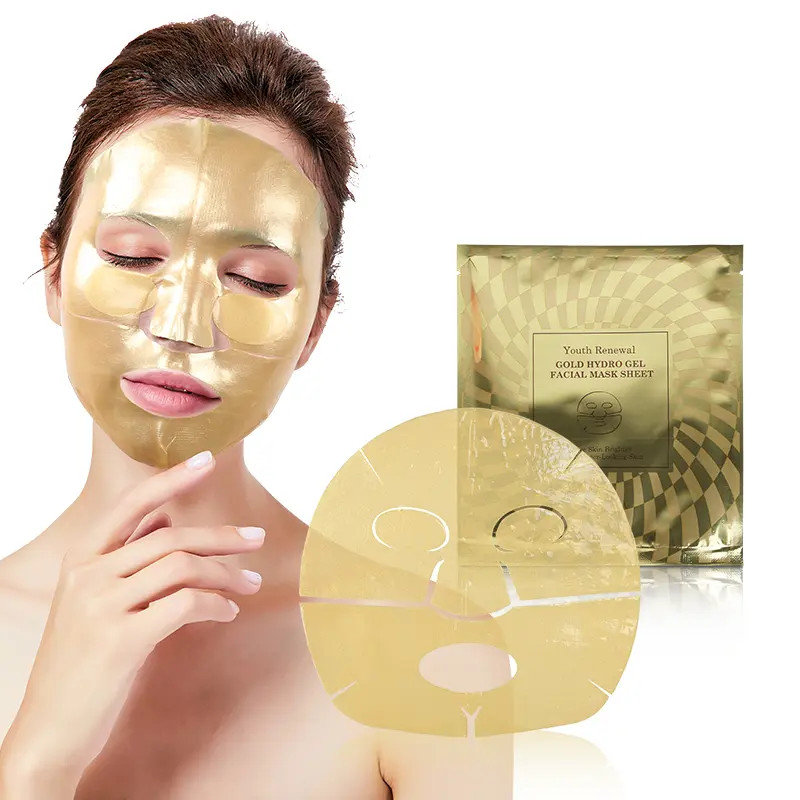
ASEAN Cosmetic Directive Notification for Sheet Mask OEM China
How brand owners handle ASEAN Cosmetic Directive notification Indonesia/Vietnam, INVIMA, and EU CPNP for sheet mask OEM from China — with real timelines and costs.
Related Products

Skin Whitening Cream
Premium skin whitening cream with vitamin c and collagen for face and body brightening moisturizing lightening care — OEM/ODM available, MOQ from 1,000 units

Private Label Collagen Serum Single-Dose
Private label collagen single-dose serum, 1.2 ml vials, 10 or 30 pcs per box, 1,000 boxes MOQ

Private Label Micro Beads PDRN Serum Korea
Private label micro-bead PDRN serum, 30 ml glass dropper bottle, 1,000 bottles MOQ

Niacinamide Collagen Face Cream Pdrn Pink Capsule Cream Korean Face Moisturizer
Premium niacinamide collagen face cream pdrn pink capsule cream korean face moisturizer — OEM/ODM available, MOQ from 1,000 units