Hydrocolloid
Barrier Repair

Hydrocolloid

INCI: Polyisobutene / Gelatin-based hydrocolloid blend · Origin: Synthetic polymer blend (commonly polyisobutene, gelatin, pectin, carboxymethylcellulose)

Occlusive adhesive patch material that absorbs exudate and protects blemishes while they heal.

Category
Barrier Repair
Common %
0.5% salicylic acid, 1% salicylic acid, 2% tea tree oil
Starting MOQ
10,000 pieces per size
Lead Time
35-50 days after sample approval

What is Hydrocolloid?

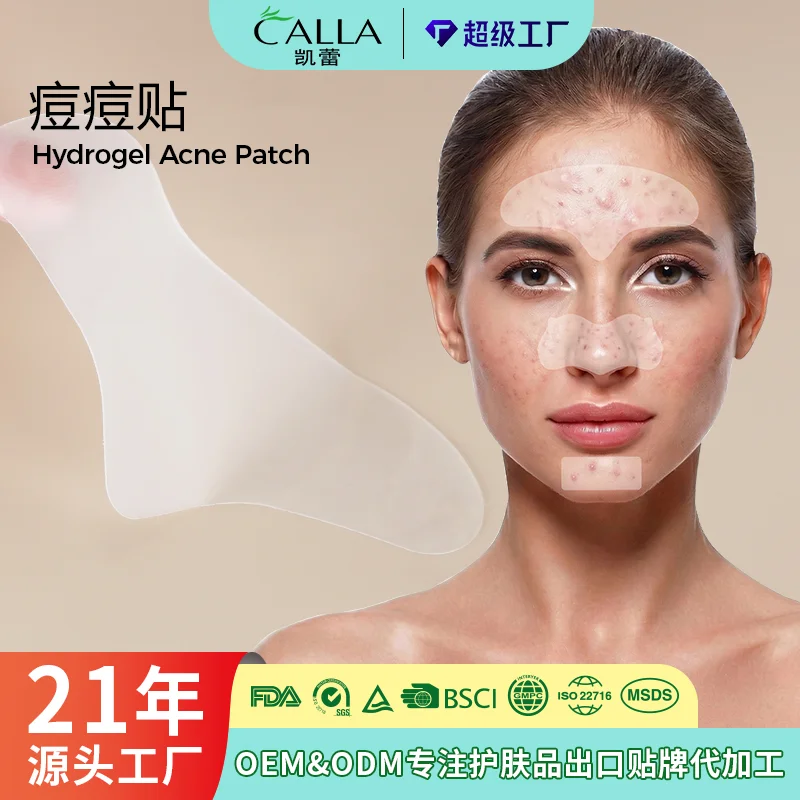
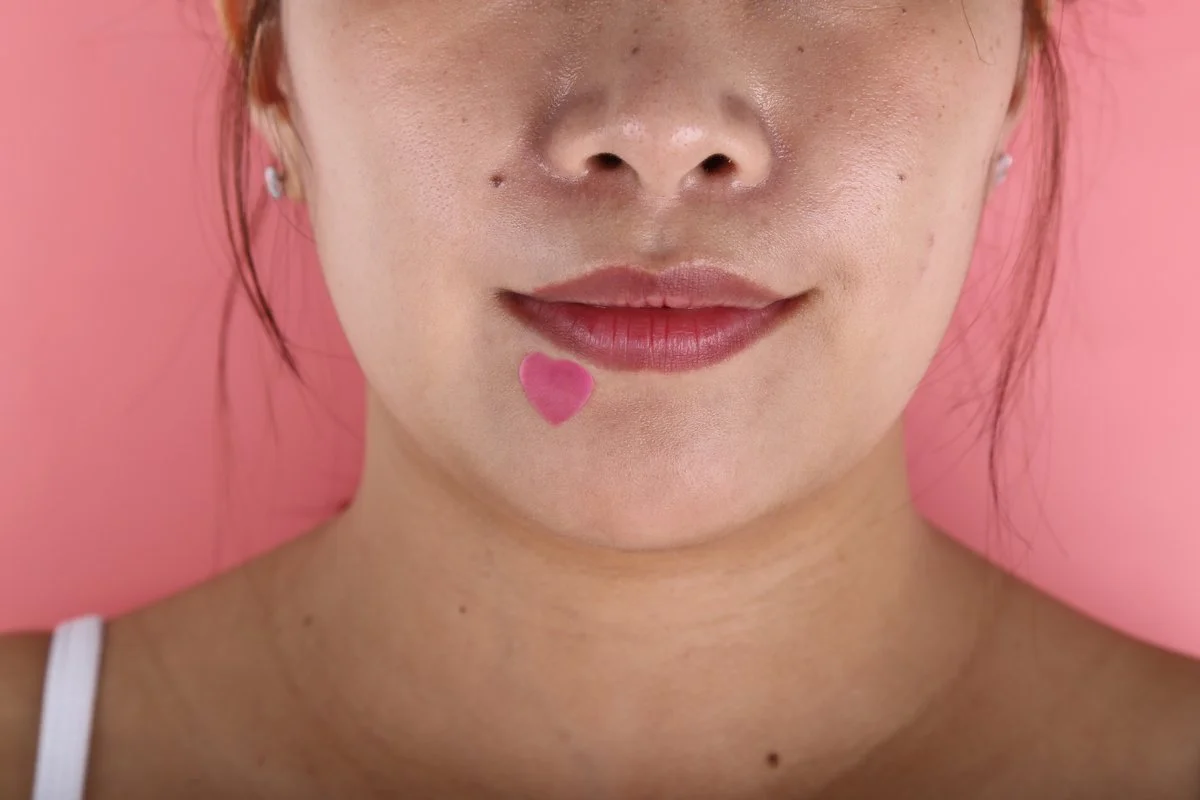
Hydrocolloid is an occlusive adhesive material originally developed for wound care. In cosmetics it is best known as the active layer of acne pimple patches: a soft, gel-like adhesive that sits over a blemish, absorbs fluid from the surface, and maintains a moist healing environment. Hydrocolloid blends typically combine polyisobutene with gelatin, pectin, or carboxymethylcellulose.

How It Works

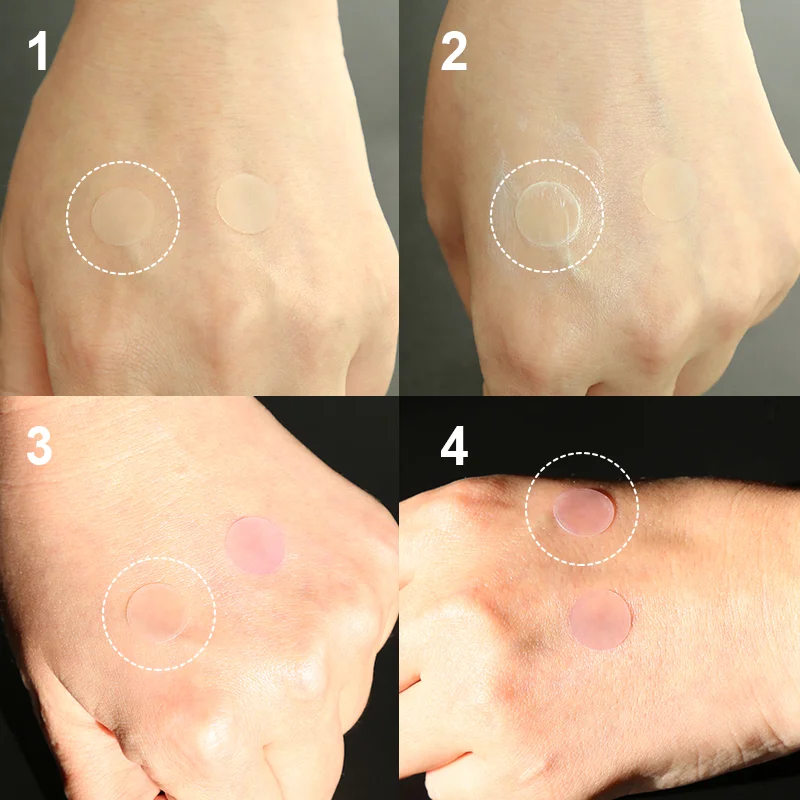
Hydrocolloid patches work by absorption and occlusion. The gel layer draws surface moisture and exudate away from a healing blemish, while the occlusive backing prevents the wound from drying out and shields it from friction and picking. This supports faster surface healing and reduces visible redness. Patches are left in place for several hours or overnight and removed once the absorbent layer has whitened.

Market Context for Brand Owners

Hydrocolloid acne patches and pimple patches have become a high-volume DTC category, sold in multi-size and multi-count formats across US, EU, and Southeast Asian markets. Brand owners typically pair plain hydrocolloid patches with medicated variants (salicylic acid or tea tree) and character or logo designs for retail and online channels. Per-piece pricing spans value multipacks and premium single-format boxes, supporting both mass and mid-tier positioning.

Formulation & Manufacturing Notes

Hydrocolloid patches are manufactured as a laminated structure: adhesive gel layer, absorbent core, and protective film. They are compatible with salicylic acid and tea tree oil in the medicated layer at low usage levels (0.5-2%). Production is die-cut and requires cleanroom-grade lamination. Skincraftlab offers plain, medicated, and custom-shaped hydrocolloid patches in multiple sizes.

Regulatory Status

Hydrocolloid patches sold as cosmetic acne patches are regulated as cosmetics in the US (FDA), EU, and most Asian markets; medical claims must be avoided. Skincraftlab provides the required documentation for cosmetic registration and export.

Manufacturing Specifications

Typical Concentrations0.5% salicylic acid · 1% salicylic acid · 2% tea tree oil · Plain (no active)
Common FormatsRound pimple patch (multi-size) · Extra-large patch / nose strip · Scar patch (rectangular) · Character / logo die-cut patch
Starting MOQ10,000 pieces per size
Production Lead Time35-50 days after sample approval
DocumentationCosmetics GMP · MSDS · COA per batch · ISO 22716 · FDA SGS report

What is the MOQ and lead time for Hydrocolloid products?

Hydrocolloid formulations start at 10,000 pieces per size, with typical use levels of 0.5% salicylic acid · 1% salicylic acid · 2% tea tree oil · Plain (no active). Branded samples ship in 3–7 days, bulk production runs approximately 20 days after you confirm the sample, and custom formulation starts at 3,000+ units per SKU while private label starts at 500 units per SKU. Production runs in a 3,886 m² GMPC cleanroom certified to ISO 22716:2007 (CN19/31476) and US FDA CFSAN Cosmetic GMP (CN19/31477), and the documentation package for Hydrocolloid covers Cosmetics GMP · MSDS · COA per batch · ISO 22716 · FDA SGS report. Indicative unit prices run $1.50–$5.00 per serum bottle and $0.08–$0.35 per sheet mask, depending on the formula and packaging you select. In practice, brands that confirm the target market before sampling avoid a second testing round, because permitted use levels differ between the US, EU and AU.

Hydrocolloid in OEM/ODM Skincare — FAQ & How to Procure

What is Hydrocolloid used for in skincare?

Occlusive adhesive patch material that absorbs exudate and protects blemishes while they heal.

What are the typical concentrations of Hydrocolloid?

Typical use levels are 0.5% salicylic acid · 1% salicylic acid · 2% tea tree oil · Plain (no active). Final levels depend on the formula, target claims, and regulatory limits for your market.

What is the minimum order for a product with Hydrocolloid?

Starting MOQ is 10,000 pieces per size. You can begin with a private-label formula or customize an ODM base.

What documentation is available for Hydrocolloid?

Cosmetics GMP · MSDS · COA per batch · ISO 22716 · FDA SGS report

How to work with Hydrocolloid — step by step

  1. 1Tell us your product concept and target market through the inquiry form — mention that you want to use this ingredient.
  2. 2Our R&D team proposes a base formula and usage level, with a sample in 3–7 days.
  3. 3Review the sample for texture, scent, and stability; request adjustments if needed.
  4. 4Approve the formula, sign off on packaging, and we run a pilot batch.
  5. 5We deliver compliance documentation and ship your first production order.

Related Ingredients

Compare complementary actives in the Barrier Repair category.

Formulating with Hydrocolloid? Check the factory first

An ingredient only becomes a product inside a certified plant. Our cleanroom classification, microbiology lab, SGS-issued GMPC and ISO 22716 certificate numbers, and the transport classification reports for shipping finished goods are all published with their numbers so you can verify them with the issuing bodies.

Request a Sample with Hydrocolloid

Free formulation samples shipped in 3–7 days. Tell us your concentration target, format, and timeline — we'll respond within 48 hours.

Request Sample

Full Product Catalog

100+ products — sheet masks, eye patches, serums, foot care & more

Every product available for OEM, ODM, and private label.

Request a Quote →Full catalog on Alibaba

Ordering facts, before you ask

Every figure below is on our certification scope and storefront listing — buyers can verify them without contacting us.

MOQ

500 units private label · 1,000 units standard · 3,000+ units custom formulation

Lead time

Samples in 3–7 days; bulk production approx. 20 days after confirmation

Certification

GMPC (SGS-issued): ISO 22716 + US FDA CFSAN · BSCI audited 2026

Factory

3,886 m² GMPC cleanroom · 5,000 m² incl. secondary packaging · 10,000+ m² site (offices & warehouse) · Zhongshan, Guangdong