What is Kaolin Clay?
Kaolin — also called white clay or China clay — is a soft, naturally occurring hydrated aluminum silicate. It is one of the gentlest clays used in cosmetics because its platelet structure absorbs surface oil without stripping the skin's moisture barrier. Kaolin is widely used in clay masks, cleansers, and scrubs for oily and combination skin.
How It Works
Kaolin absorbs sebum and excess oil through its porous layered structure, helping to refine the appearance of pores and reduce surface shine. Because it is non-abrasive at standard cosmetic grades, it provides gentle physical exfoliation and a mattifying finish. The clay does not penetrate the skin; its action is on the surface, making it suitable for regular weekly use in rinse-off masks.
Market Context for Brand Owners
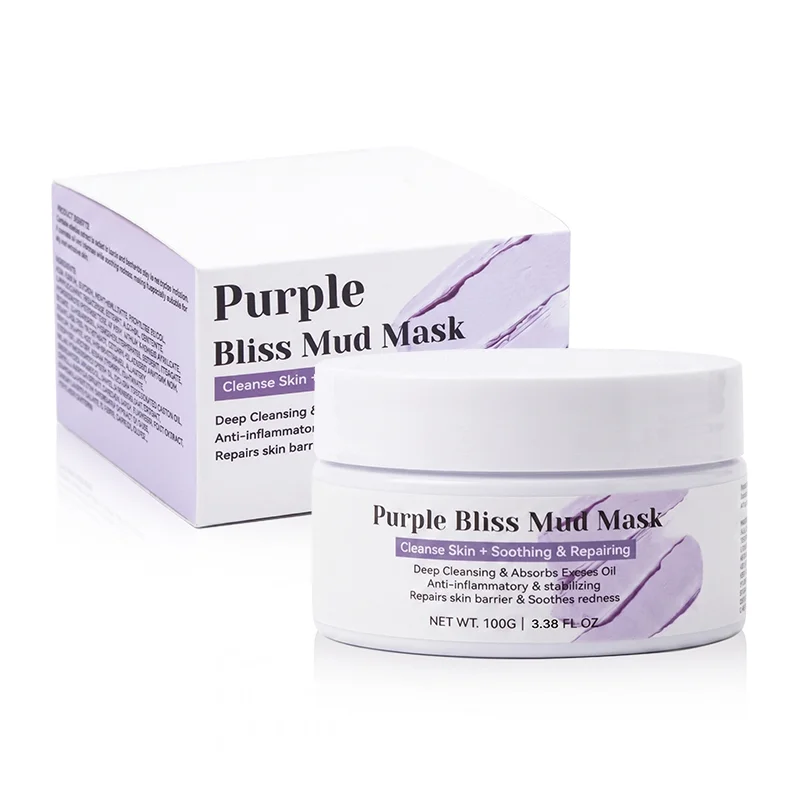
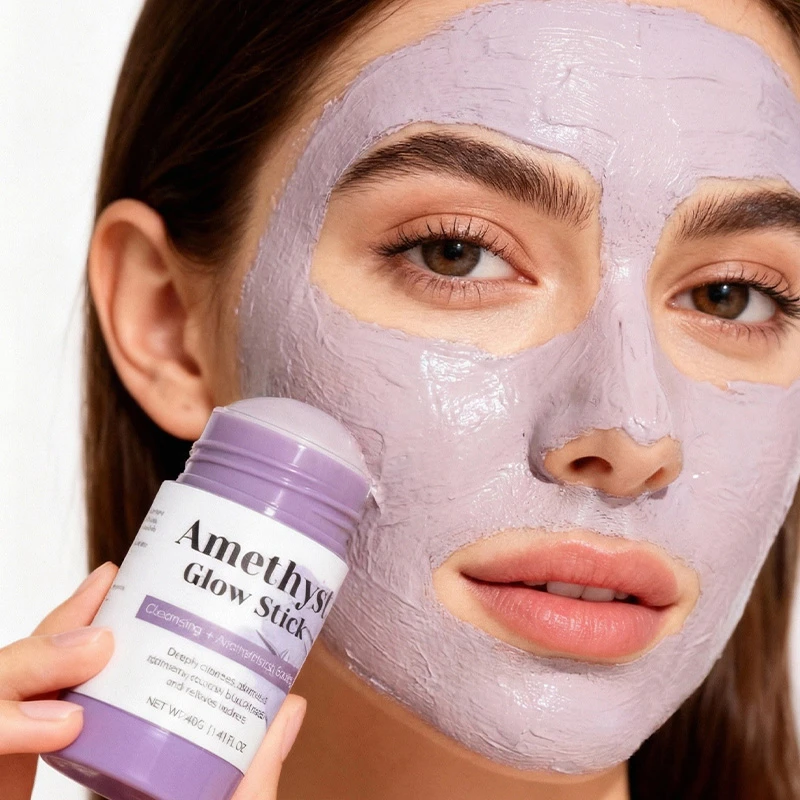
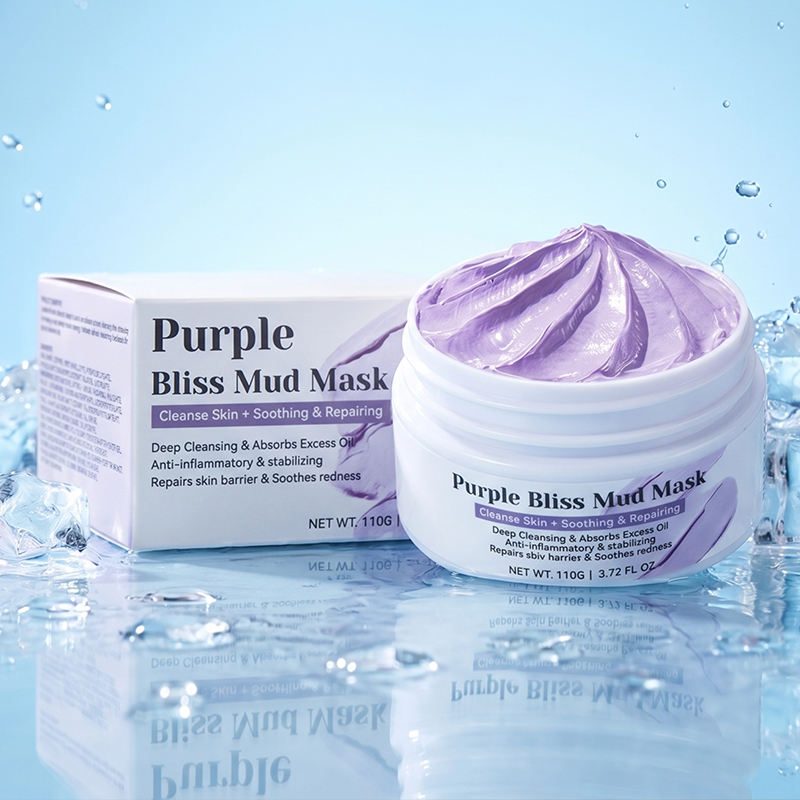
Kaolin clay masks are a staple of the clarifying mask category, frequently paired with activated charcoal, centella, or tea tree for acne-prone positioning. Private label demand concentrates on clay mud masks, clay mask sticks, and single-use clay masks in the US, EU, and Middle East. Consumer pricing for kaolin clay masks typically spans entry-level and mid-range segments, supporting accessible DTC positioning.
Formulation & Manufacturing Notes
Stable across a wide pH range (typically pH 4.5-7.0). Compatible with activated charcoal, salicylic acid, tea tree oil, centella asiatica, and botanical extracts. Avoid using metal utensils or containers during manufacturing, as some minerals can interact with clay surfaces. Typical usage levels: 5% to 30% by weight depending on format — higher for rinse-off mud masks, lower for cleansers and sticks. Skincraftlab carries clay mud masks, clay mask sticks, and clay-based exfoliators in its OEM catalog.
Regulatory Status
Kaolin is a well-established cosmetic ingredient approved in the US (FDA), EU, China, Korea, Japan, Brazil (ANVISA), Mexico (COFEPRIS), and GCC markets.